REVIEW · FLORENCE
Chianti Organic wine tasting
Book on GetYourGuide →Operated by Torcibrencoli. · Bookable on GetYourGuide
Organic wine isn’t all hype. At Torcibrencoli, it’s a family story you can taste, from Chianti hills to the cellar.
I especially love the mix of wine plus extra virgin olive oil—it changes how you understand the food and the land. I also like that Federico, Raimondo, and Riccardo keep things practical, answering questions as you walk and sip.
One thing to consider: the tour is short at 2.5 hours, so if you’re hoping for a long sit-down tasting or extra time to browse, plan to buy bottles after the main tasting or add another stop nearby.
In This Review
- Key things to know before you go
- Torcibrencoli in Santa Cristina: the organic Chianti experience that feels personal
- Getting to Strada In Chianti and starting with a short scenic lift
- The first stop: walking vineyards, woods, and working-garden details
- Vineyard-to-cellar context: what Federico, Raimondo, and Riccardo bring
- Inside the winery: the cellar visit and the organic approach
- The wine tasting lineup: Chianti Classico, rosè Sangiovese, Malvasia, and orange Trebbiano
- Extra virgin olive oil plus Tuscan bites: where the flavors lock together
- Break time in the garden and at home: comfortable pacing for 2.5 hours
- Price and value: is $68 worth it for what you actually get?
- Who should book this Chianti organic wine tasting
- Final call: should you book Torcibrencoli?
- FAQ
- FAQ
- Where is the pickup point for this tour?
- How long is the Chianti organic wine tasting?
- What wines are included in the tasting?
- Is extra virgin olive oil included?
- What food is served during the tour?
- Is transportation to the cellar included?
- What languages do the guides speak?
- Is the tour wheelchair accessible?
- Do I need to bring cash for extra wine or food?
Key things to know before you go
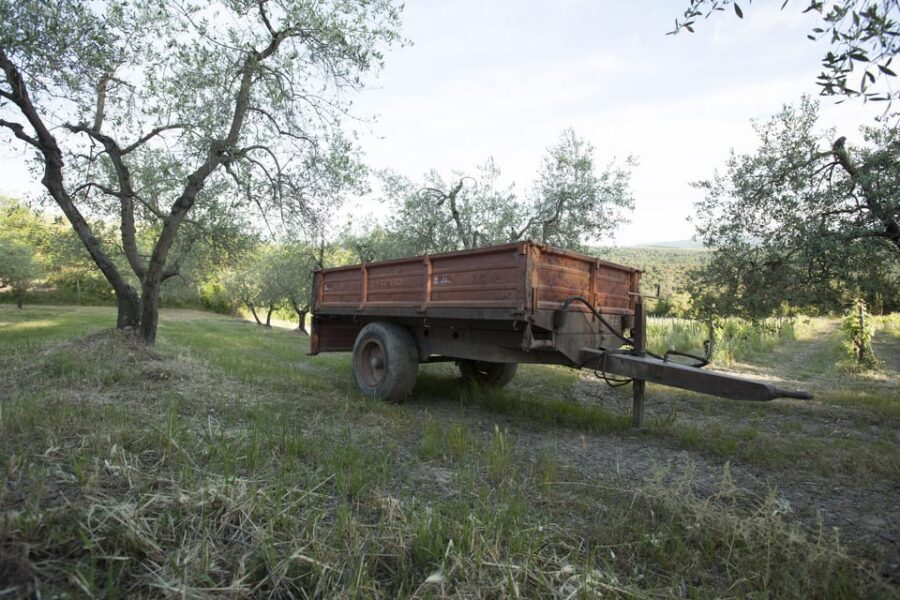
- Walk through vineyards and woods before the tasting, so the views and the vines connect fast
- Family hosts with specific roles: Federico (agronomist-winemaker), Raimondo (vineyard roots), Riccardo (sommelier)
- 4 organic wine tastings plus extra virgin olive oil, paired with Tuscan staples
- Cellar visit included, with an explanation of wine and olive oil making
- Tuscan food pairing: local bread, olives, cheese, cold cuts, and seasonal produce from their land
- You can buy bottles directly at the end of the visit
Torcibrencoli in Santa Cristina: the organic Chianti experience that feels personal
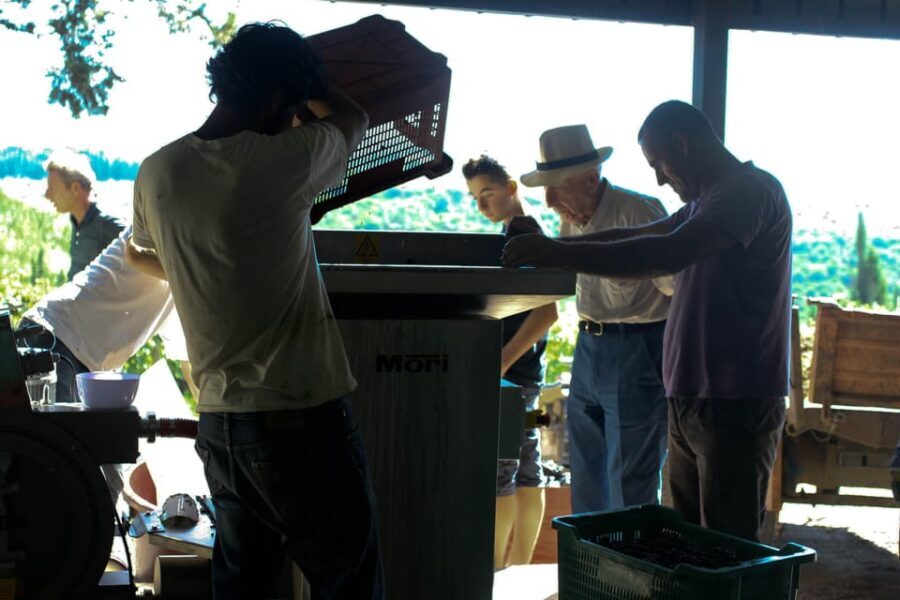
This isn’t the kind of tasting where you just sample four pours and move on. Torcibrencoli runs like a real family farm operation, and you feel that from the moment you start walking around Santa Cristina.
The big win here is the pairing of organic wine with extra virgin olive oil. Once you taste the oil alongside the wine styles, your brain starts linking flavors the way locals do—acidity, fruit, bitterness, and that grassy-herb note you get from good olive harvests.
If you want a straightforward, human-scale experience in one of Italy’s most famous wine zones, this hits the mark. It’s also a good fit if you like learning through hands-on explanations rather than a lecture that ends in a stamp on your passport.
Other Chianti wine tours we've reviewed in Florence
Getting to Strada In Chianti and starting with a short scenic lift
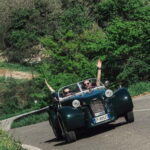
The tour starts in Strada In Chianti, and there’s a close bus stop called la martellina. From there, the organizers include a free 1 km lift.
You’ll also want to plan for the fact that transportation to the cellar itself isn’t bundled in the way some tours do. There’s public transportation in the area, and there’s a private transport service you can request to and from Florence or the nearby zone.
Time-wise, it’s set for a compact day segment—2.5 hours—which is great if you’re already in Florence and you don’t want to lose half your day to transfers. The setting on the Chiantigiana road also makes it easy to plug into a wider Chianti route.
The first stop: walking vineyards, woods, and working-garden details
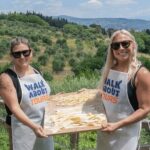
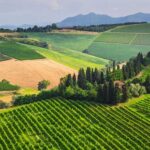
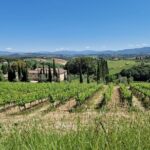
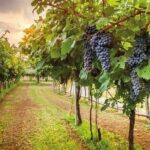
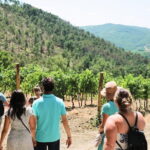
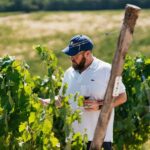
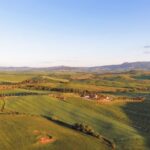
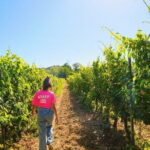
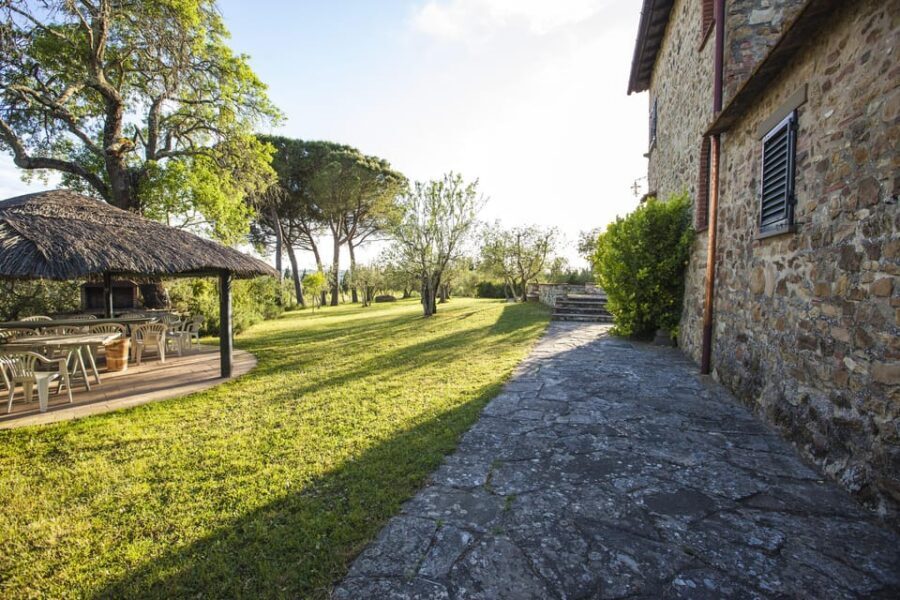
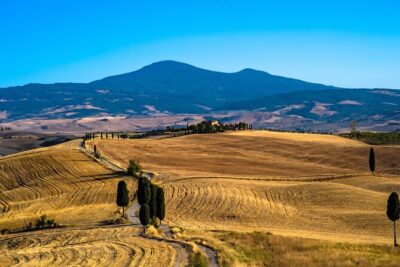
Before you reach the winery, you walk from the old center of rural life in Santa Cristina and move through vineyards and woods. You’re not just stretching your legs for views; you’re seeing the farm in layers—places where grapes grow, where produce is tended, and where the environment shapes the year.
On the path, you’ll pass by vegetable garden areas and lemon trees and hear about how they connect to the food served later. That matters because the tasting isn’t only about grapes. It’s about how the farm’s seasonal rhythm shows up on your plate.
This part also sets expectations for the rest of the tour. When you understand the farm’s geography and the effort behind the inputs, the cellar visit feels less like a mystery and more like a step-by-step process you can follow.
Vineyard-to-cellar context: what Federico, Raimondo, and Riccardo bring
A lot of wine tours say they’re educational. This one actually leans into why you taste what you taste.
Federico is the agronomist-winemaker and also focuses on landscape architecture, which means his explanations tend to connect soil, plant choices, and how the vines fit into the land. You can ask winemaking questions in a way that stays practical.
Raimondo is Federico’s father and represents the Bucciolini family still living there since 1650, with grape growing started by hand. That kind of family continuity changes the tone from marketing to stewardship.
Then Riccardo steps in as the sommelier of aging wines, and you’ll feel the difference in how the tasting gets framed—local food, local wine, and how the bottles age into something more than just fruit.
Inside the winery: the cellar visit and the organic approach
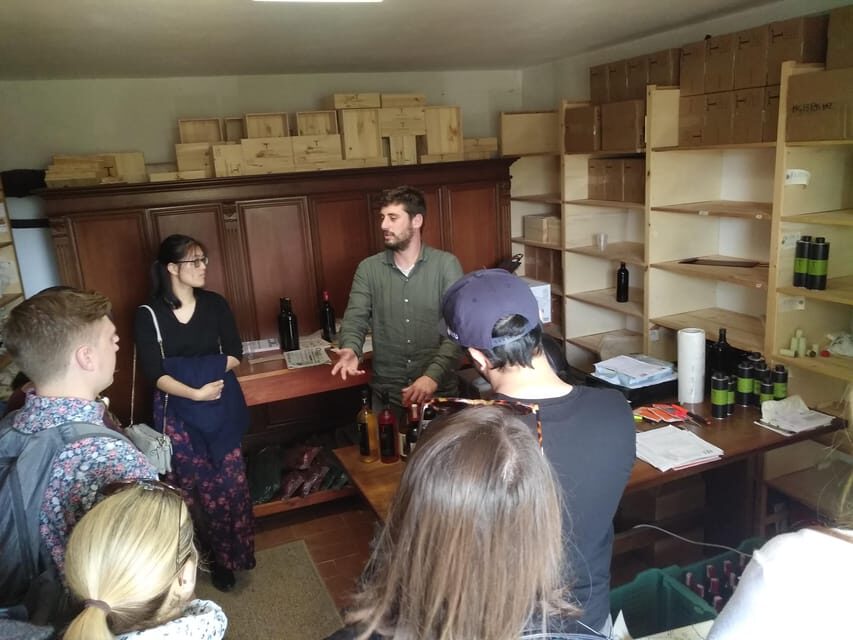
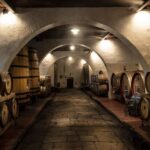
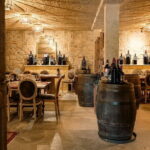
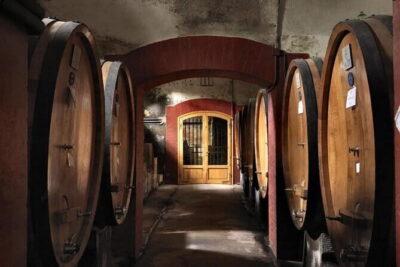
Once you arrive, you’ll get a guided tour and see the cellar. The focus is on the process of making wine and olive oil, not just the end result in a glass.
Because the farm is organic, you’ll hear the logic behind their choices. The goal isn’t to win an argument about certification—it’s to show you how the system supports quality from the vine and the olive grove through production.
A cellar visit also gives you a reality check about time. Wine doesn’t happen instantly, and extra virgin olive oil doesn’t become good because you bought fancy bottles. There’s timing, care, and a chain of decisions that you can feel when someone explains it step by step.
Other wine tasting experiences in Florence
The wine tasting lineup: Chianti Classico, rosè Sangiovese, Malvasia, and orange Trebbiano
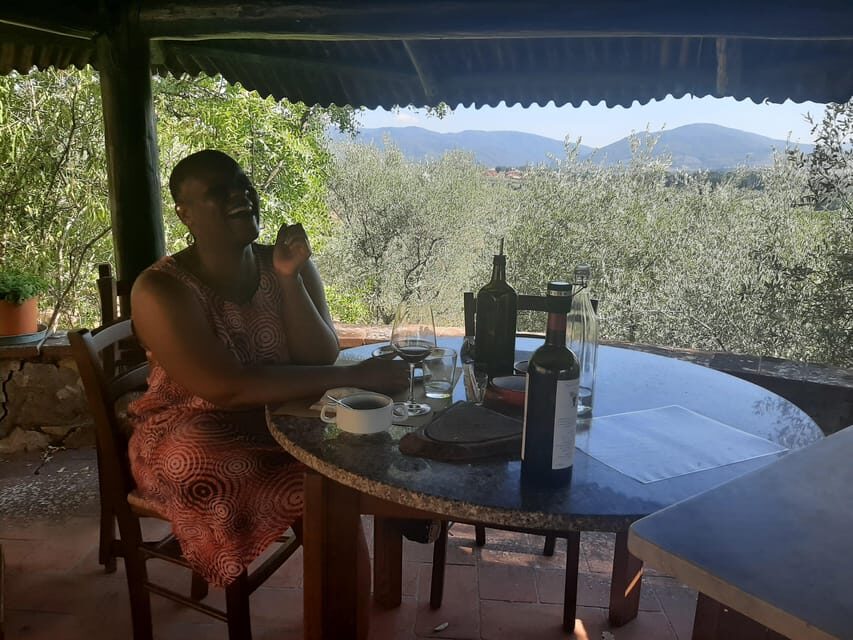
The tasting includes 4 glasses of organic wine from Torcibrencoli. You’ll try a set that covers multiple styles of the same region, which is exactly how you start learning Chianti beyond one label.
You get:
- Red Chianti Classico
- Rosè Sangiovese
- White Malvasia
- Orange Trebbiano
The way this lineup is built makes sense. Sangiovese anchors the region, Malvasia adds an aromatic white angle, and Trebbiano shows up in an orange style that helps you understand how processing choices can shift structure and texture.
One of the best parts is that you’re tasting while you can still picture what you saw outside. It makes the flavors easier to place. If you like asking questions—about acidity, aromatics, or why a wine finishes the way it does—Riccardo is the right person for those moments.
Extra virgin olive oil plus Tuscan bites: where the flavors lock together
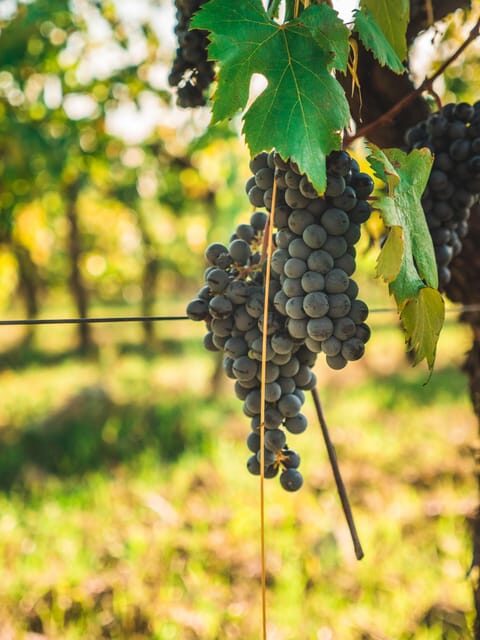
The tasting isn’t wine-only. You’ll also taste extra virgin olive oil, explained in the context of the farm’s production. That’s a big deal for value and for taste learning.
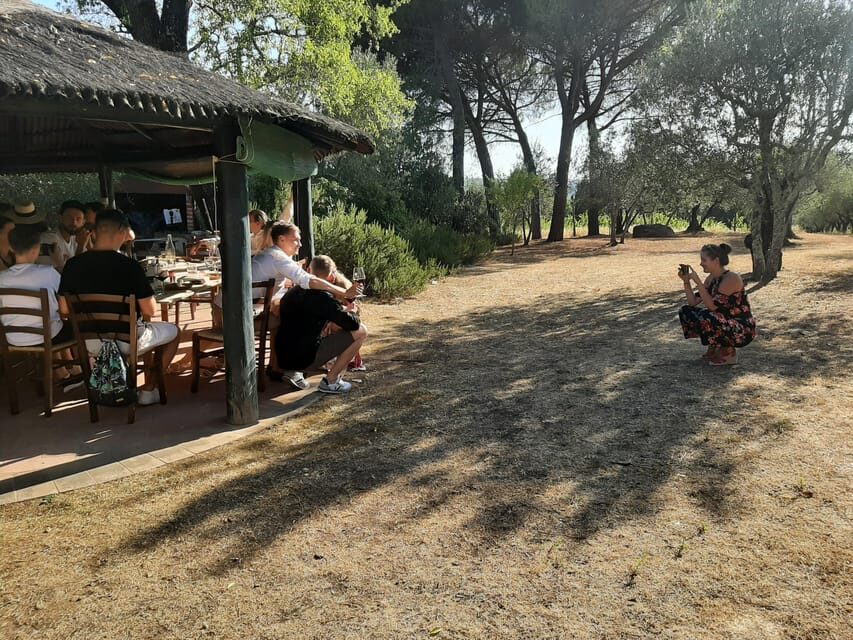
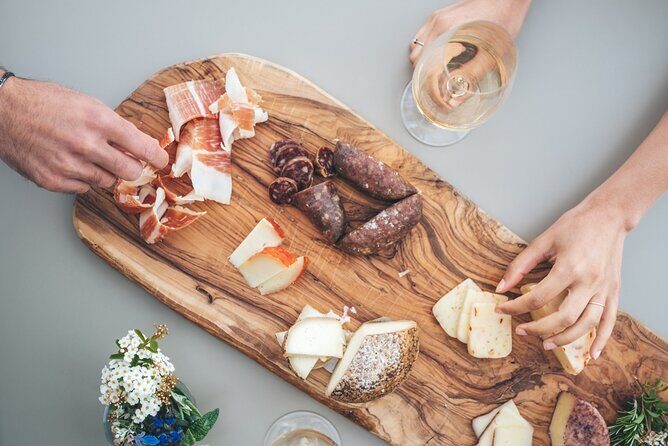
Olive oil changes how you experience both bread and wine. It adds its own flavor fingerprint—especially when it’s paired with simple foods. And here, the pairing is built from local staples: local bread, olives, cheeses, and cold cuts, along with seasonal vegetables and fruit from the land.
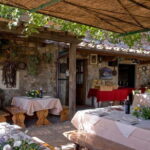
The tour also includes time to relax in the garden when weather allows, and if rain happens, there’s a home base. That practical plan means you’re not stuck with a ruined mood because the sky changes.
This is also where you’ll notice the farm-to-table rhythm. The tasting setup encourages you to connect each sip with a bite. If you’ve ever wondered why people talk about food and wine as a single conversation, this is a good place to get your bearings fast.
Break time in the garden and at home: comfortable pacing for 2.5 hours
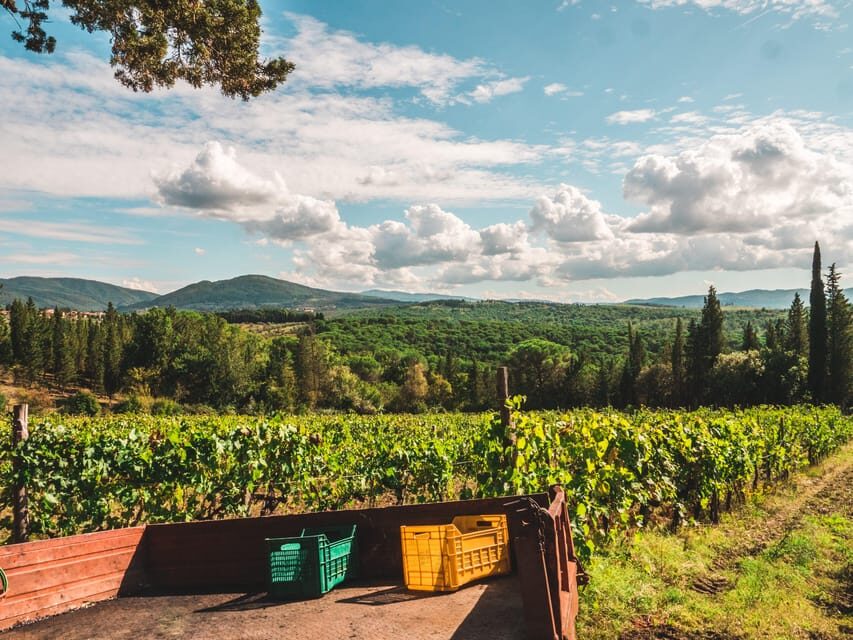
The tour time is 2.5 hours, and they use it well. There’s a walk, then a cellar stop, then tasting and eating without turning the whole thing into an all-day event.
You get a break and a chance to enjoy the sun in their garden. If the weather shifts, the experience moves inside, and you still stay with the same people and the same tasting flow.
This pacing is especially good for mixed groups—people who love wine, people who are more about food, and people who just want to see how families farm in Chianti.
Price and value: is $68 worth it for what you actually get?
At $68 per person for 2.5 hours, the value depends on what you expect from a wine tasting. Here, you’re not just paying for a few sips. You’re paying for a guided farm walk, a cellar visit, and a structured tasting that includes 4 organic wine glasses plus extra virgin olive oil, paired with local food.
You also get the chance to buy bottles directly from the winery at the end. That matters because tasting fees can otherwise feel like a one-time event. If you find bottles you truly like, you have a straightforward path to take them home.
If you’re the kind of visitor who wants deep learning with real people—and you’re okay with a compact schedule—this price makes sense. If you want a long, formal tasting course with lots of extra pours beyond the set, you may feel the time is short.
Who should book this Chianti organic wine tasting
You’ll enjoy this most if you:
- want organic wine and oil tied to a working family farm
- prefer small-scale hospitality and direct questions
- like food pairings with local cheese and cold cuts, not just crackers and water
- are visiting from Florence and want an easy day trip feel without a huge time drain
You might skip it if you want a huge, scripted tasting with many more bottles than the set. This one is about quality and clarity, not volume.
Final call: should you book Torcibrencoli?
I’d book it if you want to understand Chianti as more than a single grape and a single label. The combination of cellar explanations, a guided farm walk, and the practical pairing of wine with extra virgin olive oil makes it feel like real learning you can take into your next meal.
The hosts—Federico, Raimondo, and Riccardo—are central to the experience, and the overall vibe is friendly, unpretentious, and focused on the products they grow. If that’s your style, this is a strong choice for your Tuscany days.
FAQ
FAQ
Where is the pickup point for this tour?
Pickup is at Strada In Chianti. There’s also a close bus stop called la martellina, and you can get a free 1 km lift from there.
How long is the Chianti organic wine tasting?
The experience runs for 2.5 hours.
What wines are included in the tasting?
You’ll taste four glasses of organic wine: red Chianti Classico, rosè sangiovese, white malvasia, and orange trebbiano.
Is extra virgin olive oil included?
Yes. You’ll taste the farm’s extra virgin olive oil as part of the experience.
What food is served during the tour?
You’ll have local bread, olives, cheeses, and cold cuts, plus seasonal typical Tuscan foods. The tasting is also paired with olives and seasonal vegetables and fruit from their land.
Is transportation to the cellar included?
Transportation to the cellar is not included. There is public transportation, and a private transport service can be requested to and from Florence or nearby areas.
What languages do the guides speak?
The tour is offered with a live guide in English and Italian.
Is the tour wheelchair accessible?
Yes, the experience is wheelchair accessible.
Do I need to bring cash for extra wine or food?
Additional food, wine, or olive oil beyond what’s served isn’t included, but you can purchase bottles and products directly at the winery at the end of the tour.
You Might Also Enjoy
More Tour Reviews in Florence
- Tuscany Day Trip from Florence: Siena, San Gimignano, Pisa and Lunch at a Winery
★ 5.0 · 21,634 reviews - Cooking Class and Lunch at a Tuscan Farmhouse with Local Market Tour from Florence
★ 5.0 · 4,831 reviews