REVIEW · FLORENCE
Florence Pizza or Pasta Class with Gelato Making at a Tuscan Farm
Book on Viator →Operated by Walkabout Florence Tours · Bookable on Viator
Florence is full of food tours, but this one teaches you how to cook. You’ll trade city streets for a Tuscan estate view and a proper wood-oven lesson on pizza, fresh pasta, and gelato. It’s the kind of day where you leave with skills, not just photos.
I especially like the fact that you get hands-on guidance from an Italian chef while you make real dough and real sauces. And I love that the day ends with recipes and a cooking diploma, so you can recreate the flavors back home.
One big consideration: gluten-free requirements can’t be accommodated, so if that’s a must for your group, you’ll want to pick a different activity.
In This Review
- Key things to know before you go
- The Florence-to-Farm Journey: Piazzale Michelangelo to Villa Pian dei Giullari
- Your Chianti and Focaccia Welcome: The Casa Chianti Classico Stop
- Pizza or Pasta Dough School: Getting Taught, Then Getting Busy
- When you choose the pasta track
- When you choose the pizza track
- The Sauce Part That Makes It Worth It
- Gelato Workshop: Make It, Then Taste the Spread
- Wine, Beer, and the Meal Flow: Food Comes Before It Becomes Work
- The Instructor Factor: Names You Might Hear, Skills You’ll Notice
- Price and Logistics: Is $145.12 Good Value?
- Who This Class Is Best For (and When to Skip)
- Should You Book This Florence Pizza, Pasta, and Gelato Class?
- FAQ
- How long is the Florence pizza or pasta class with gelato making?
- Where do I meet, and is hotel pickup included?
- Is the class offered in English?
- Can the tour accommodate gluten-free requirements?
- Is there an age requirement for the included wine and beer?
- What are the cancellation rules for a full refund?
Key things to know before you go
- A coach ride out of central Florence to the hills, with time to settle in before cooking starts
- Chianti and focaccia first, so you eat well while you learn
- You make either pizza or pasta dough, plus fresh sauces and your own gelato
- Wood-fired, traditional-style pizza baking with a real oven setup
- Small group feel (maximum 26 people), which helps everyone get attention
- Weather matters since part of the experience runs outdoors or in open air spaces
The Florence-to-Farm Journey: Piazzale Michelangelo to Villa Pian dei Giullari
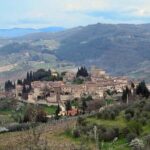
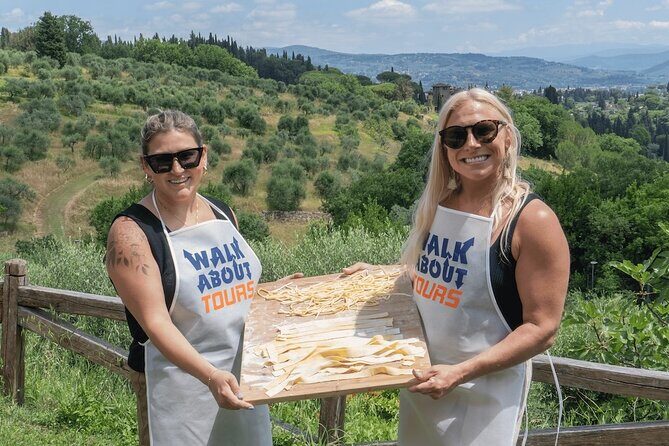
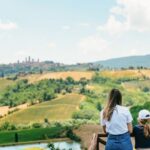
The day starts with a classic Florence “see it before you cook it” moment: a stop near Piazzale Michelangelo for sweeping views. Even if you’ve already climbed up for photos, it helps you reset your brain from museum mode to countryside mode. Expect wind, sun, or cold depending on the season.
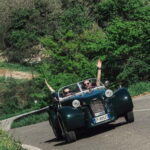
From there, you head toward the farmhouse area by coach. One thing I appreciate is how the tour is built around movement that feels practical, not rushed. You’re not expected to navigate hills on your own. Once you reach the estate grounds around Villa Pian dei Giullari, the whole vibe shifts: the kitchens, the tables, and the scent of baked dough take over.
A drawback to flag: you’ll want to dress for the weather. One review mentioned a cold December day, and that tracks with what you’ll likely feel—cool air in open spaces, then warmth once cooking ramps up.
Other cooking classes in Florence
- Cooking Class and Lunch at a Tuscan Farmhouse with Local Market Tour from Florence
★ 5.0 · 4,831 reviews

Your Chianti and Focaccia Welcome: The Casa Chianti Classico Stop
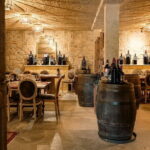
Before flour flies, you’ll begin with a tasting that sets the tone: traditional focaccia and a glass of Chianti. This is more than a snack. It’s a small preview of Tuscan flavor logic: simple ingredients, careful technique, and a wine pairing that makes everything feel more authentic.
This is also a good moment to watch how the chef-instructor communicates. In classes like this, the difference between good and great is pacing. You’ll see that instructors explain what you’re doing and why, then give you a chance to try it while everything is still fresh and doable.
If you’re not a wine drinker, the tour still includes beer, and the meal flow is designed so you can keep going without feeling stuck waiting for the next segment.
Pizza or Pasta Dough School: Getting Taught, Then Getting Busy
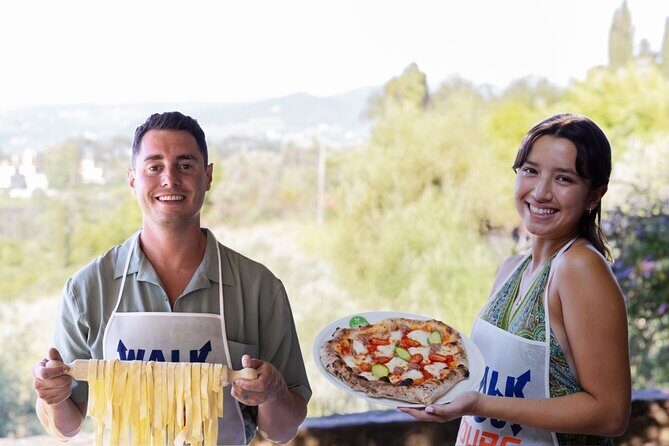
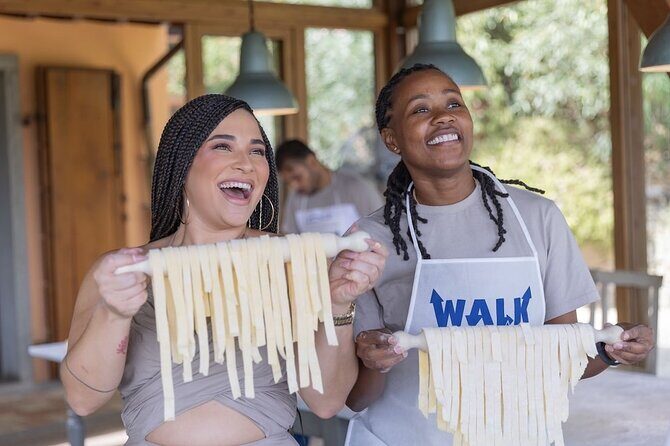
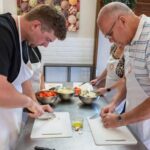
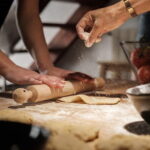
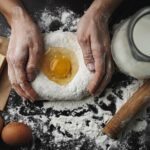
Here’s the fun part: the chef shows you how to make dough and how regional styles differ, then you put your hands to work. Your class focuses on one main track—either Neapolitan pizza or handmade pasta—so you don’t feel like you’re doing everything at once.
When you choose the pasta track
You’ll roll up your sleeves and create three types of fresh pasta. That matters because it forces you to learn more than one method of dough handling. You’re not just repeating one step; you’re practicing texture and thickness control across different shapes.
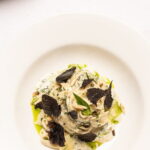
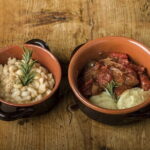
Then you move into sauces. You’ll recreate classics like Pesto, Carbonara, Amatriciana, and Cacio e Pepe. The key value here is the explanation behind the flavors, not just a recipe read-out.
When you choose the pizza track
You’ll prepare the dough, then it’s topping time. You choose from an assortment of fresh vegetables that come from the estate gardens. That detail sounds small, but it’s a real advantage for your final pizza. You’re not guessing what ingredients will taste like together—you’re using produce that fits the local rhythm.
After topping, your pizza gets baked traditional-style in a wood oven. This is where the day feels most like an Italian kitchen moment and less like a cooking demo. Wood heat changes the outcome. And even if your first pizza isn’t restaurant-perfect, you’ll understand what creates chew, browning, and that distinct crust character.
Other cooking classes in Florence
The Sauce Part That Makes It Worth It
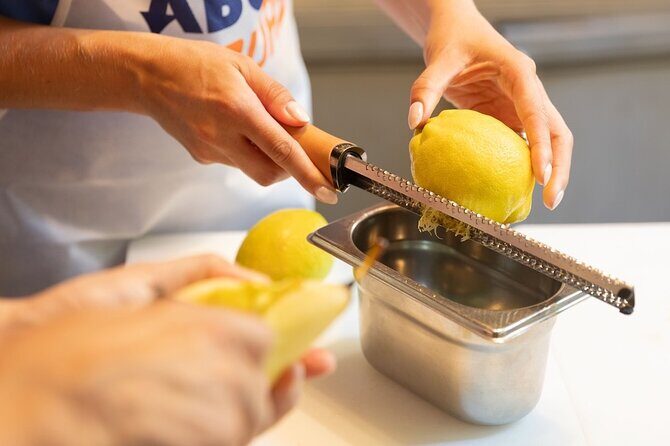
A lot of cooking classes teach the thing you can copy with a cookbook. Fewer teach the flavor decisions that make the food taste like a specific region.
That’s what you get here with the sauce line-up. When you make Carbonara, you learn how the texture should feel and how timing affects the result. With Amatriciana, you get the smoky-salty balance that makes the sauce feel Italian, not just tomato-y. Cacio e Pepe is especially instructive because cheese-and-pepper sauces can go wrong when heat control and mixing aren’t right.
And yes, Pesto is often taught as a paste. The better classes teach it as a balance: herbs, fat, salt, and texture. This is one of the reasons I like this class even if you’re more excited about pizza or gelato. The sauces help you build a foundation you’ll actually use.
Gelato Workshop: Make It, Then Taste the Spread
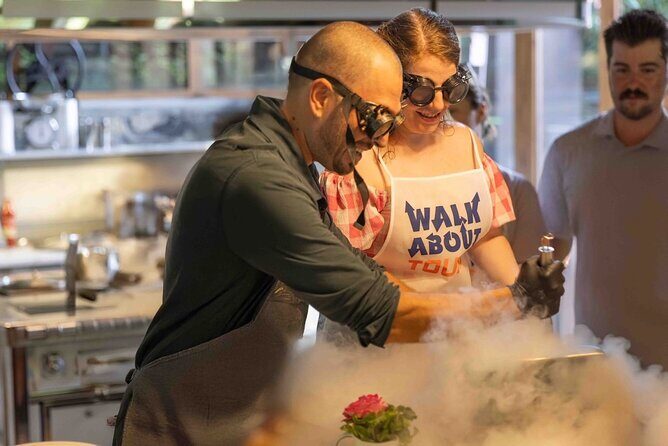
Dessert isn’t an afterthought. You’ll learn to make a creamy gelato, then it’s served with toppings and sauces so your final bowl feels personal.
What I like about this segment is that gelato fits the whole theme of the day: hands-on work, Italian technique, and a finish that makes everyone happy. One review even noted how people got to sample each other’s gelato, and that kind of tasting encourages you to compare flavors and textures. Even if you end up making only one gelato base, you’ll leave with a better sense of what changes when you swap ingredients.
If you’ve ever struggled with dessert at home—too icy, too sweet, too heavy—this is the kind of lesson that can help you troubleshoot. You’re practicing method, not just eating dessert.
Wine, Beer, and the Meal Flow: Food Comes Before It Becomes Work
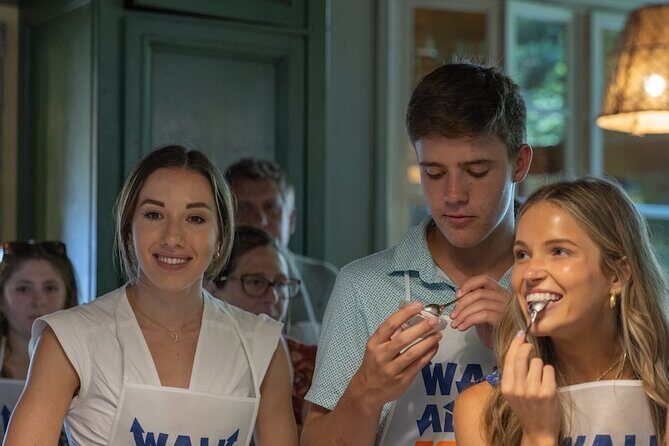
You start with wine and focaccia, you eat as you cook, and you finish enjoying what you made. The tour includes wine and beer, and the overall structure is designed so you’re not spending hours hungry while waiting for your turn.
One practical tip: pace yourself. This isn’t a party bus. The day still has real technique steps. If you’re drinking, keep it steady so you stay focused for dough timing and sauce control.
Also, drinking age is 18, so if you’re traveling with teens, plan around that reality. The class itself has a minimum age of 8, which makes it more family-friendly than many adult-only food experiences.
The Instructor Factor: Names You Might Hear, Skills You’ll Notice
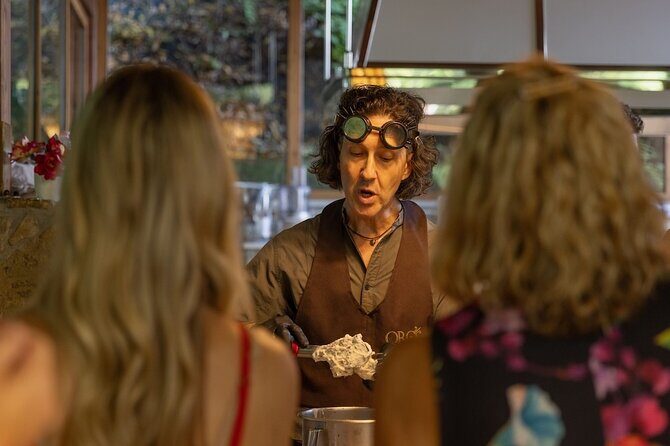
Cooking classes rise or fall on the teaching. This one has that right mix: instructors who are fun, but also clearly focused on getting you to a good result.
Some names that have shown up in past groups include Cris, Arla, Lodovik, Ado, Tiziano, Davide, Max, Carmella, and Gloria. You might meet one, two, or several of them depending on the session. The common thread is clear directions, plus help when you hit a sticky moment—like dough that needs a second adjustment or sauce that needs a heat rethink.
And because the group size is capped at 26, you’re more likely to get individual coaching instead of feeling like a spectator in the background.
Price and Logistics: Is $145.12 Good Value?
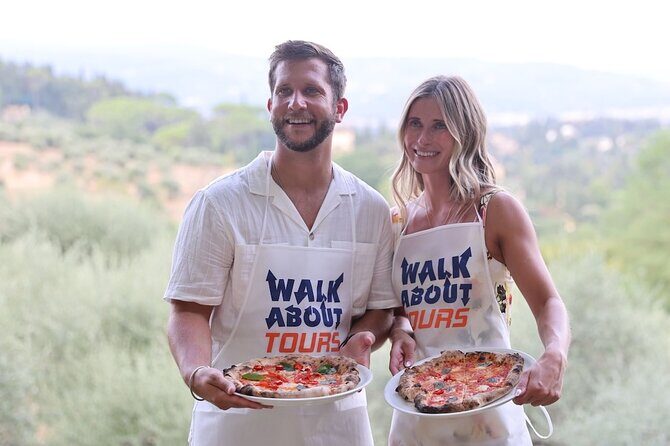
At $145.12 per person for about 6 hours, this doesn’t compete with the cheapest pasta classes in town. But it does compete on value in a few concrete ways:
You’re paying for a full day that combines:
- Round-trip transport by air-conditioned bus from central Florence
- A professional chef teaching pizza or pasta dough plus sauces
- A full three-course meal (starter focaccia, main pizza or pasta with traditional sauces, homemade gelato)
- Wine and beer included
- Recipes plus a cooking diploma to take home
When you compare that to the cost of a normal nice dinner plus hiring a private cooking teacher (or doing a self-guided food walk and hoping you learn techniques), the math starts to look better.
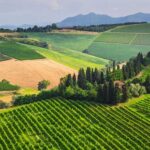
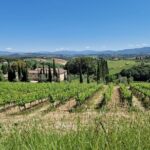
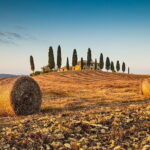
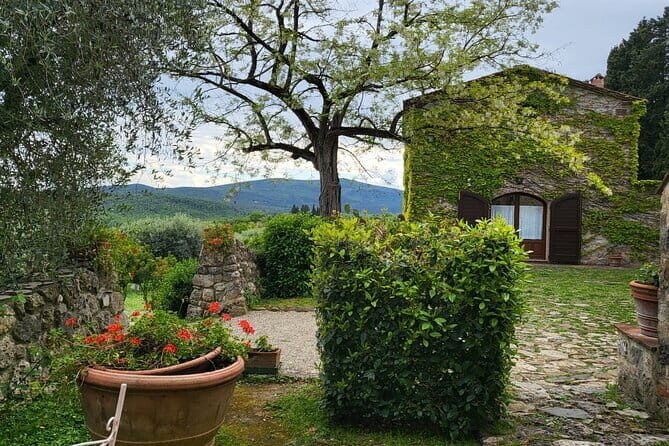
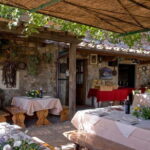
One more value point: you get an actual estate setting. In reviews, people keep returning to the view and the property. Even if you don’t care about scenery, that setting makes the class feel like a real event, not a rushed activity.
Who This Class Is Best For (and When to Skip)
This is ideal if you:
- Want a hands-on food experience, not just tasting
- Like learning technique so you can recreate things later
- Care about Tuscan context: Chianti, estate gardens, and regional classics
- Travel with family or mixed ages and want a shared activity
It’s less ideal if:
- You need gluten-free options (not accommodated here)
- You hate being outdoors in changeable weather, since parts of the day can be influenced by the elements
- You expect a strict vegetarian-only or strict dietary plan beyond what’s described (the data only confirms no gluten-free accommodation)
If you’re on the fence, think about your goal. If your goal is learning to cook pizza/pasta/gelato in a way you can repeat, this is a strong choice. If your goal is only to eat without cooking, you’ll likely enjoy it more when you embrace the work part.
Should You Book This Florence Pizza, Pasta, and Gelato Class?
If you like practical cooking and want to leave Florence with recipes you can actually use, I’d book it. The best sign of value is how the day combines skills (dough, sauces, gelato) with real meal structure (starter, main, dessert) and included transport to the hills.
My only firm caution is the gluten-free limitation. If that doesn’t apply to you, plan for cool or warm weather, arrive ready to get hands-on, and choose pizza or pasta based on what you most want to master.
FAQ
How long is the Florence pizza or pasta class with gelato making?
The experience runs about 6 hours.
Where do I meet, and is hotel pickup included?
You meet at Piazza della Stazione, 27, 50123 Firenze FI, Italy. Hotel pickup and drop-off are not included, and the activity ends back at the meeting point.
Is the class offered in English?
Yes, the experience is offered in English.
Can the tour accommodate gluten-free requirements?
Gluten-free requirements cannot be accommodated.
Is there an age requirement for the included wine and beer?
Yes. The minimum drinking age is 18.
What are the cancellation rules for a full refund?
You can cancel for a full refund if you cancel at least 24 hours before the experience’s start time.
You Might Also Enjoy
More Cooking Classes in Florence
- Cooking Class and Lunch at a Tuscan Farmhouse with Local Market Tour from Florence
★ 5.0 · 4,831 reviews
More Tour Reviews in Florence
- Tuscany Day Trip from Florence: Siena, San Gimignano, Pisa and Lunch at a Winery
★ 5.0 · 21,634 reviews - Cooking Class and Lunch at a Tuscan Farmhouse with Local Market Tour from Florence
★ 5.0 · 4,831 reviews
More Cooking Classes in Florence
- Cooking Class and Lunch at a Tuscan Farmhouse with Local Market Tour from Florence
★ 5.0 · 4,831 reviews