REVIEW · TUSCANY
Guided tour of the Artisan Chocolate Factory in Tuscany
Book on Viator →Operated by Tuscani Cioccolato · Bookable on Viator
Cacao goes from bean to bar. In Val di Nievole’s chocolate valley, I love the bean-to-bar walkthrough with clear explanations (often led by guides like John, Jean Lucca, or Gianluca) and the tasting that lets you compare flavors side by side. You’re not just watching chocolate being made; you’re seeing how the process changes the final bar.
The main thing to watch is timing. This is a working factory, and there’s been at least one unhappy case of locked doors tied to scheduling confusion, so it’s smart to double-check the day-of details.
In This Review
- Key things you’ll notice on this Tuscany chocolate tour
- Why Val di Nievole’s Chocolate Valley is a smart day trip
- Inside the bean-to-bar workshop: roasting, tempering, and the full chain
- The cocoa story: La Dalia and Matiguas from Nicaragua
- Meeting the makers: what the guide really adds (John, Jean Lucca, Gianluca)
- The tasting phase: compare flavors like a pro, without acting like one
- The shop stop: take home the chocolate you truly like
- Timing, location, and what to plan around in Tuscany
- Price and value: is $100 worth it?
- Who should book this chocolate factory tour
- Should you book Tuscani Cioccolato’s Artisan Chocolate Factory tour?
- FAQ
- Where is the tour meeting point?
- How long is the guided tour of the artisan chocolate factory?
- How much does the tour cost?
- Is the tour private?
- Do I need a paper ticket?
- What does bean-to-bar mean on this tour?
- Do you do chocolate tasting?
- What kind of cocoa do they use?
- Is it suitable for most travelers?
- What happens at the end of the experience?
- What is the cancellation window for a refund?
Key things you’ll notice on this Tuscany chocolate tour
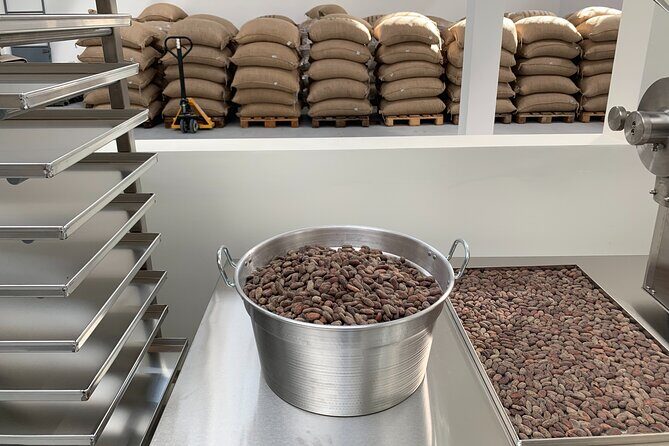
- Real bean-to-bar production in one place, from cocoa beans to chocolate bars
- Nicaraguan cocoa traced to La Dalia and Matiguas regions
- Step-by-step machine explanations, with time for questions
- Guided tastings comparing products made from their Trinitarian cocoa
- End-at-the-shop payoff, where you can pick a dessert to take home
- Private group experience, only your group with a guide
Why Val di Nievole’s Chocolate Valley is a smart day trip
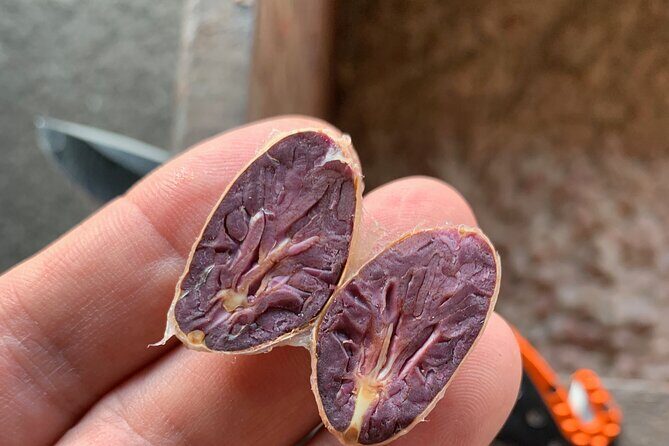
Tuscany has plenty of famous stops, but the Val di Nievole area has a quieter claim to fame: chocolate. This factory sits in the center of what’s often called the chocolate valley, and the whole point of the visit is simple. You see what happens when a company processes cocoa in-house, from the raw bean all the way to a finished chocolate bar.
I like tours like this because they’re built around craft, not spectacle. The setting helps too. You’re not in a theme-park room with generic videos. You’re in a lab-style space where the machines and tools are part of the story, and the guide keeps it practical and understandable.
The tour also matches well with how you travel in Tuscany. One hour 30 minutes is long enough to learn what bean-to-bar actually means, but not so long that it ruins the rest of your day’s plans. If you’re doing a few food stops, this one slots in nicely as a focused, high-impact visit.
Other guided tours in Tuscany
Inside the bean-to-bar workshop: roasting, tempering, and the full chain
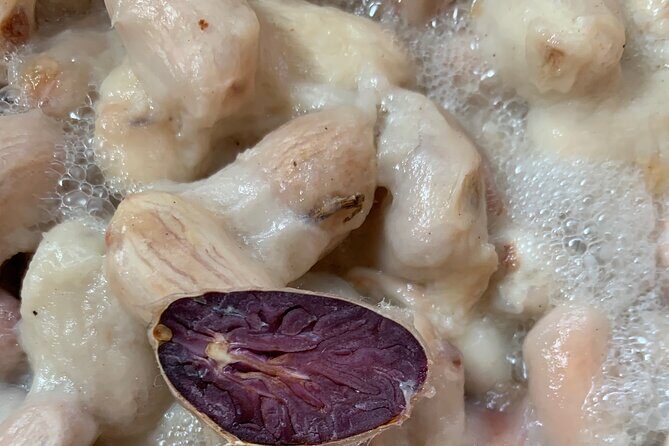
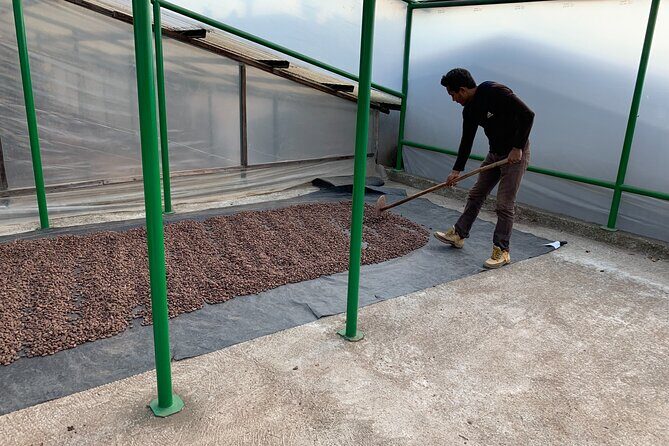
The tour is built around the complete process. You’ll see how cocoa beans are transformed through the stages that lead to finished chocolate. The overview specifically highlights processing from roasting to tempering, which is a big deal in real chocolate making.
Here’s the practical takeaway: roasting drives flavor development. Tempering affects texture and how the chocolate snaps and melts. When a company handles these steps in-house, you tend to get more consistency and more control over aroma and taste. That’s exactly what this operation is pitching with its bean-to-bar approach.
During the visit, you’ll be accompanied by a guide who explains the machines and tools used in the bean-to-bar world. You can expect the explanations to connect the dots: what happens next, why it matters, and how that stage can change what you taste later. And if you like asking questions, this is one of those tours where the guide doesn’t shut you down mid-thought.
The experience is structured so you’re not just wandering. You’re moving through the key stages, learning the sequence, and getting your bearings on how cocoa becomes chocolate.
The cocoa story: La Dalia and Matiguas from Nicaragua
Tuscani Cioccolato isn’t positioning itself as a casual chocolatier that buys finished chocolate and sells it. It’s an importer with a supply chain story, bringing cocoa directly from Nicaragua.
According to the tour information, they source from two regions in Nicaragua: La Dalia and Matiguas. That matters because single-origin cocoa often tastes different depending on where it was grown. The tour is built to help you notice those differences, not just hear them described.
They also focus on Trinitarian cocoa, specifically mentioning two types of single-origin Trinitarian cocoa. The point of that emphasis is complexity. Different lots and different origins can bring different aroma patterns, acidity, bitterness balance, and sweetness feel.
And the tour’s own message is that every step is designed to extract maximum aromas. They mention that throughout the transformation process—like roasting and tempering—they aim to draw out more aroma and create a more complex taste.
If you enjoy food tours where you leave with a better sense of what you like, this is the kind of detail that makes the tasting more meaningful. You’re not tasting in a vacuum. You’re tasting with a reason.
Meeting the makers: what the guide really adds (John, Jean Lucca, Gianluca)
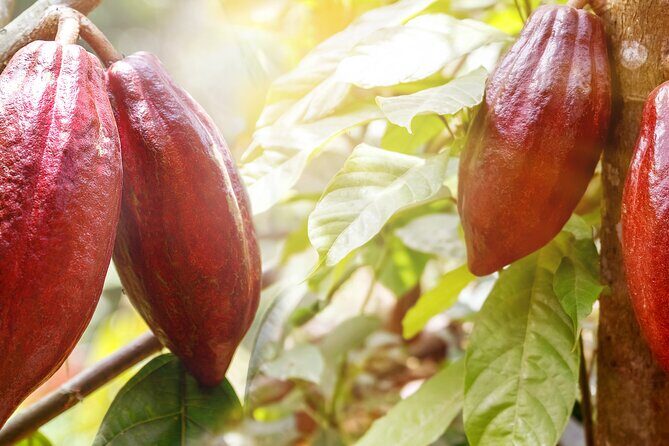
The best thing about a guided factory tour is that you can ask questions and get answers tied to what you’re seeing. In this case, guides like John, Jean Lucca, and Gianluca have been highlighted for giving detailed explanations and creating room for questions.
You’ll likely hear the same core themes, regardless of which guide you get:
- what each machine does in the chain
- why the process affects flavor
- how the final products reflect the decisions made earlier
One additional plus from the experience: you may also get time with the founder and chocolatier at the operation. That kind of direct contact changes the feel of the tour. Instead of only hearing from a staff member, you hear background from the person driving the philosophy of the factory.
That matters because bean-to-bar is not just a technical process. It’s a choice about craft, sourcing, and control.
The tasting phase: compare flavors like a pro, without acting like one
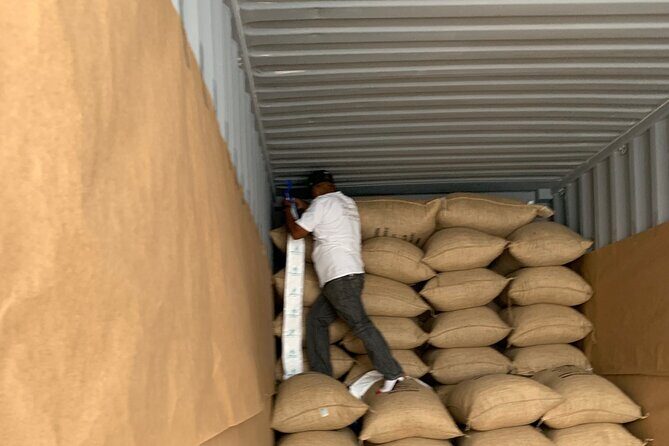
At the end, you get a tasting phase. The tour’s description says you’ll compare and evaluate different products made by the master chocolatier.
Here’s how to make this part work for you. Don’t rush it. Taste in small steps and focus on a few simple questions:
- What hits first: sweetness, bitterness, or aroma?
- Does it feel smooth, dry, or slightly grainy?
- Does the finish linger as chocolate, or does it turn into something else?
The tour is designed so the tasting isn’t random. You’ve just been shown the transformation stages, including roasting and tempering. That makes it easier to connect cause and effect.
Also, because they use Nicaraguan Trinitarian cocoa from La Dalia and Matiguas, you may find that one batch feels more aromatic while another leans into a different balance. The point is not to memorize notes. The point is to start recognizing differences you can actually use when you buy chocolate later.
If you’re buying gifts, this is where you figure out what kind of chocolate you like: intense and darker, smoother and balanced, or something that leans aromatic.
A few more Tuscany tours and experiences worth a look

The shop stop: take home the chocolate you truly like
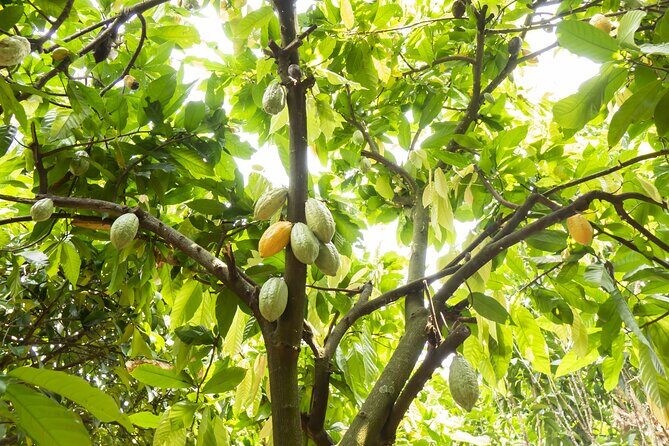
After the tour ends, it finishes back at the meeting point. But the best practical part comes with the shop visit during the experience.
The information says the tour ends at the shop, where you can choose your favorite dessert to take with you. That’s smart. Chocolate tours are often awkward at the end if the sales pressure is heavy. Here, the emphasis is on letting you select what you want after you’ve already tasted and learned what makes it different.
If you’re trying to travel lighter, think about what you’ll pack. Chocolate can travel well, but keep it in a stable temperature pocket as much as you can. Also, buy based on the taste you actually enjoyed in the tasting phase, not just the bar that sounds fancy on the shelf.
Timing, location, and what to plan around in Tuscany
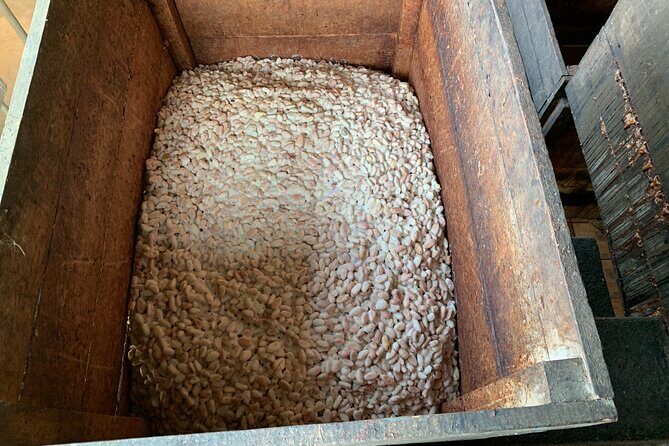
The tour runs about 1 hour 30 minutes. That’s a good length for a food-and-craft visit because you’ll cover the key stages and still have time to enjoy the rest of your day.
The meeting point is Via Giacomo Matteotti, 1, 51010 Uzzano PT, Italy, and the activity ends back at the meeting point. It’s also described as near public transportation, which helps if you’re not driving through the countryside every day.
It’s listed as a private tour/activity, meaning only your group participates. That usually makes questions easier and the pacing feel less rushed.
About participation: most travelers can participate, which suggests the tour isn’t limited to only high-mobility guests. Still, it’s a factory setting, so wear comfortable shoes and keep your expectations realistic. You’re visiting a working production space, not a museum gallery.
Price and value: is $100 worth it?
The price is $100. On paper, that can sound steep for a tasting. But when you break down what you’re paying for, it starts to make sense.
You’re getting:
- a guided walkthrough of bean-to-bar production stages
- explanations tied to roasting and tempering
- a tasting where you compare products made by their master chocolatier
- time at the end to buy what you like without guessing
For many visitors, the value lands in the tasting and education combo. You’re learning how the process shapes flavor, and then you’re using that knowledge immediately to pick chocolate you’ll actually enjoy.
Also, the experience is described as private, so you’re not sharing the guide’s attention with a crowd. That matters in practice. It usually means better questions and a calmer pacing.
The only financial risk is if you travel during a time when schedules shift. The tour information includes free cancellation rules up to a window before start time, so you can protect yourself if plans are flexible.
Who should book this chocolate factory tour
This is a great match if you:
- care about real food process and want to see it in action
- like single-origin chocolate and want to understand why it tastes different
- enjoy structured tastings where you compare rather than just sample once
- want a private experience without a big group vibe
It’s also a fun fit for mixed ages, since the craft focus and tasting keep it engaging. If you’re traveling with food lovers and curious teens, this tends to work because the guide explanations give something to chew on besides just the chocolate.
If you’re the kind of traveler who wants only to stroll and look at scenic views, this may feel more technical than you expect. But if you want a hands-on, taste-linked story, it’s very likely your kind of stop.
Should you book Tuscani Cioccolato’s Artisan Chocolate Factory tour?
I’d book it if you want an efficient, high-learning food stop in Tuscany’s chocolate valley. The bean-to-bar focus, the Nicaraguan cocoa sourcing from La Dalia and Matiguas, and the tasting-and-shop finish are a strong combination for $100.
Do one small thing to protect your time: confirm details the day of and plan to arrive a bit early at the Via Giacomo Matteotti meeting point. It’s rare, but the one negative outcome you’ll want to avoid is walking up to a closed door.
If your schedule is flexible and you like craft-focused tours, this is a solid choice.
FAQ
Where is the tour meeting point?
The tour starts at Via Giacomo Matteotti, 1, 51010 Uzzano PT, Italy.
How long is the guided tour of the artisan chocolate factory?
It lasts about 1 hour 30 minutes.
How much does the tour cost?
The tour price is $100.
Is the tour private?
Yes. It’s listed as a private tour/activity, so only your group participates.
Do I need a paper ticket?
No. You’ll have a mobile ticket.
What does bean-to-bar mean on this tour?
It means the company processes everything from cocoa bean to chocolate bar in the same place, including steps like roasting and tempering.
Do you do chocolate tasting?
Yes. The tour includes a tasting phase where you compare and evaluate different products made by the master chocolatier.
What kind of cocoa do they use?
They import cocoa directly from Nicaragua, specifically from La Dalia and Matiguas regions, and they make products using single-origin Trinitarian cocoa.
Is it suitable for most travelers?
The tour says most travelers can participate.
What happens at the end of the experience?
The tour ends back at the meeting point after stopping at the shop area, where you can choose your favorite dessert to take with you.
What is the cancellation window for a refund?
Free cancellation is available up to 24 hours in advance for a full refund. If you cancel less than 24 hours before the start time, the amount paid is not refunded.