REVIEW · TUSCANY
Private Home-Made Pasta Cooking Class in Pisa.
Book on Viator →Operated by Pasta Spazzavento · Bookable on Viator
Pasta class on a working farm is the move. This private 4-hour lesson near Pisa turns dinner into a skill you can repeat, with hands-on pasta dough making and a meal built around local ingredients. I love the family-style, get-your-hands-dirty format, where you knead, shape, and then actually sit down to eat what you made. The only thing to plan for is the short drive out of Pisa—around 15–20 minutes—so give yourself a little buffer.
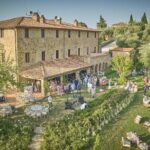
You’ll be in a traditional Italian home on a farm and olive grove, and the vibe stays relaxed. The chef teaches step by step, and the day is paced with breaks for drinks and resting time for the dough. In one review, Dante was called out for his clear explanations, and that matches the feel here: you get personalized help, not just a quick demo.
In This Review
- Quick hits on Pasta Spazzavento
- Getting from Pisa to a farm kitchen in 20 minutes
- Welcome aperitivo: wine, snacks, and the Tuscan warm-up
- Hands-on pasta lessons: knead, shape, and cook with guidance
- The olive farm tour while the dough rests
- Cooking and tasting: aperitivo, main, and dessert with wine
- Taking pasta skills home with recipe cards
- Price and value for a private class near Pisa
- Who this pasta class suits best
- A few practical tips before you go
- Should you book Pasta Spazzavento in Pisa?
- FAQ
- Where does the pasta class take place?
- How long is the experience?
- Is pickup offered?
- Is this class private?
- What do we do during the pasta-making part?
- Do we eat during the class?
- What’s included in the meal?
- Are the ingredients sourced locally?
- What will I receive to take home?
- What’s the cancellation policy?
Quick hits on Pasta Spazzavento
- Private class with pickup from your Pisa meeting point, with drop-off back to your hotel/accommodation or a Pisa/Lucca pick-up point
- 15–20 minute drive from Pisa City Center to a farm and olive grove setting
- Welcome drinks with local wine and refreshments before you start cooking
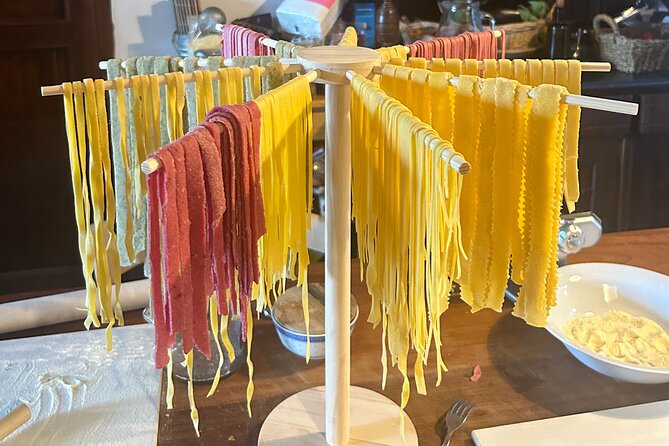
- Make pasta dough from scratch, then learn kneading and shaping with guidance
- Three regional dishes (aperitivo, main, dessert) plus local wine, and recipe cards to take home
Getting from Pisa to a farm kitchen in 20 minutes
The biggest practical win is that you’re close to Pisa, but you still get out of the city. The class starts with pickup from your meeting point, then you head about 15–20 minutes to a traditional home on a farm and olive grove. That short transfer matters because it keeps the day from feeling like a full-day slog, while still giving you a genuine countryside setting.
For your timing, think like this: you’re not just arriving to watch cooking. You’re arriving to slow down. The day begins with a welcome drink, then you move into dough work. If you’re the type who hates feeling rushed, this format tends to feel comfortable.
And since the tour is private, the pickup and drop-off plan can fit your group rather than forcing you into a crowded schedule. The day ends with you being dropped back to your hotel/accommodation or another pick-up point in Pisa or Lucca, which is a real quality-of-life detail after a wine-and-lunch situation.
If you're still narrowing it down, here are other tours in Tuscany we've reviewed.

Welcome aperitivo: wine, snacks, and the Tuscan warm-up
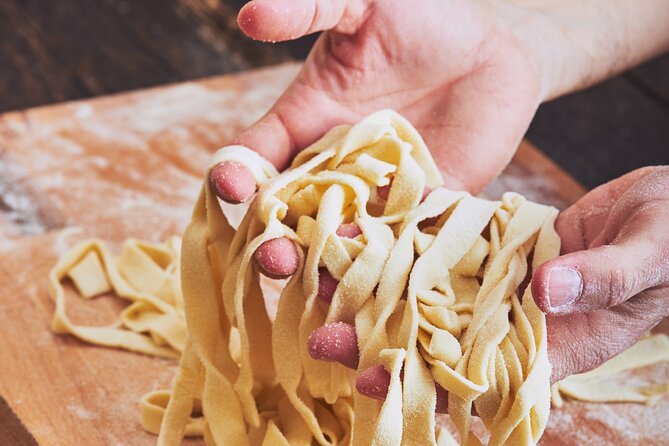
Before anyone touches flour, you’ll get something to drink and nibble. The class includes welcome drinks with a selection of local wine and refreshments. This is not just a perk—it sets the tone for how the session works.
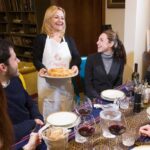
In practical terms, the aperitivo time helps you switch from travel mode into cooking mode. It also gives you a moment to ask questions before the chef starts walking you through dough. In one review, hosts were described as very welcoming and easy to ask questions of, and that lines up with the way this day is structured: conversation first, then work.
If you’re someone who enjoys chatting with locals and learning the small logic behind a dish, this part is where you’ll feel it most. You’re not being dropped into a silent workshop. You’re being folded into a real meal rhythm.
Hands-on pasta lessons: knead, shape, and cook with guidance
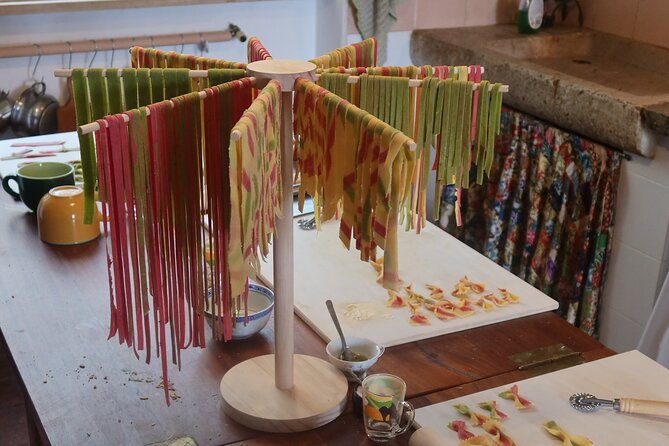
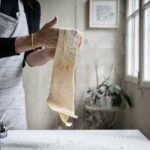
This is a true working-class style lesson: the chef demonstrates, then you roll up your sleeves and make the pasta dough from scratch. You’ll learn the basics of pasta dough, then move into kneading and shaping. The class is built around personalized guidance and assistance, which matters more than people think.
When pasta goes wrong at home, it’s usually not because you lack effort. It’s because dough handling is finicky—texture, pressure, timing. Having a chef watch what you’re doing turns guesswork into correction. That’s exactly the kind of value you get from a private format: you can adjust without feeling embarrassed or lost.
Also, the pacing is smart. Dough needs time to rest. While it rests, you’re not stuck waiting around. You get a farm stroll and then you gather back for cooking and tasting.
From the review side, Dante was specifically praised for explaining each step. That’s a good clue for you as a first-timer: you don’t need to have pasta-making experience to enjoy this. The teaching style seems geared toward clarity, not intimidation.
And yes, you’ll cook and eat during the same session, which is the best kind of learning. You’re not leaving with a vague memory of how something should feel. You’ll taste the result, then compare it to what you did.
The olive farm tour while the dough rests
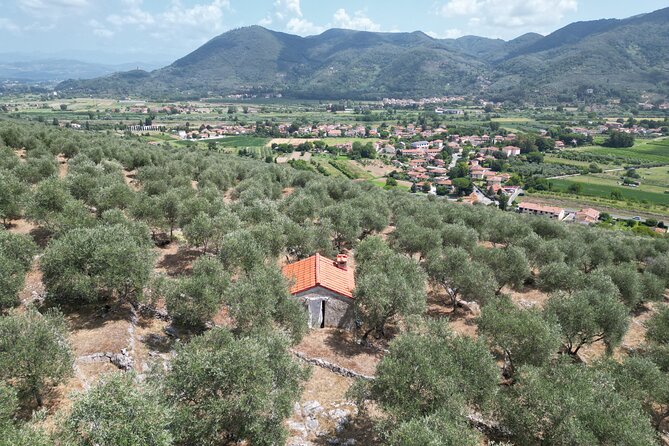
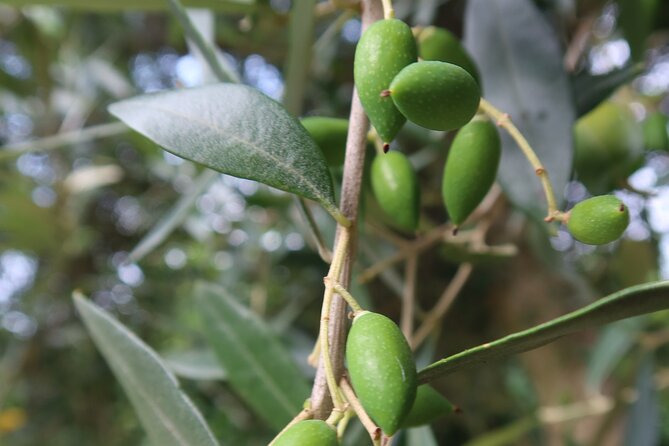
One of my favorite parts of cooking days is when they break up the work. Here, you get a stroll through the olive farm and gardens while the dough rests. It’s a quick reset that also helps you appreciate where the ingredients idea comes from.
The farm setting connects the food to the land without turning it into a lecture. And because the dough rest is built into the schedule, it never feels like you’re standing around. You’re getting movement and fresh air while your pasta catches up on time.
This is also a good moment to notice the pace of farm life. Even if you’re only there for a short time, the olive grove walk puts you in the mindset of Tuscan cooking—seasonal, practical, and ingredient-driven.
Cooking and tasting: aperitivo, main, and dessert with wine
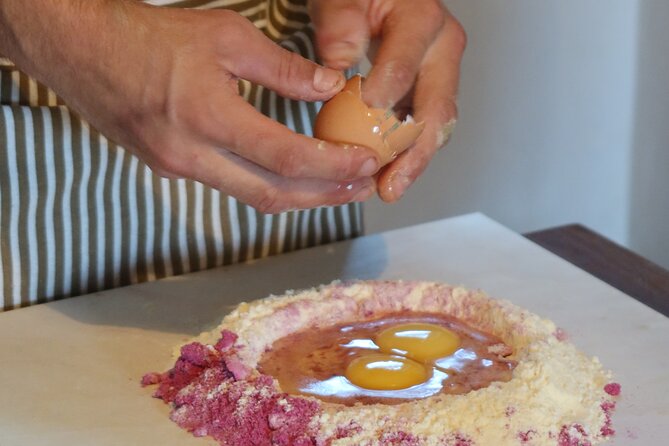
After the dough part, you’ll gather at the table while the pasta cooks. This portion is structured like a proper meal, not a demo followed by a separate snack.
You’ll enjoy three dishes from the area:
- Aperitivo to start
- A main course (with the sauce of the day)
- A local dessert at the end
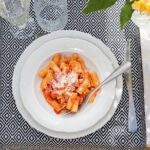
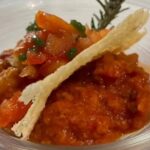
Your pasta is served with the sauce of the day, along with local wine and other Tuscan delicacies. That’s important for value: you’re paying for an experience that includes both learning and eating, and the eating is part of the teaching moment. It’s where you find out what the dough you made tastes like in context—how it holds up with sauce, and how the flavors balance.
You’ll also get local wine during the meal. For many people, that’s the moment the day clicks. Cooking is fun, but tasting is where it becomes memorable. And since this is a private class, you’re not waiting in line or eating in shifts. You’re all at the same table, on the same rhythm.
The finish includes a sweet treat—local dessert—so you leave with a complete meal arc: savory build-up, satisfying main, then something sweet to close.

Taking pasta skills home with recipe cards
This is one of those travel experiences that can either become a nice story or become real skill. Here, you get a clear “take it with you” element: recipe cards and tips to help you recreate the pasta dishes at home.
That may sound small, but it’s the difference between remembering a good afternoon and actually repeating it later. If you’re the kind of cook who likes structured learning, those cards help you track what you did and what you tasted.
Practical tip for you: plan to use the recipe cards soon after the class. Pasta-making habits—like dough texture and kneading feel—are easier to repeat when the memory is fresh.
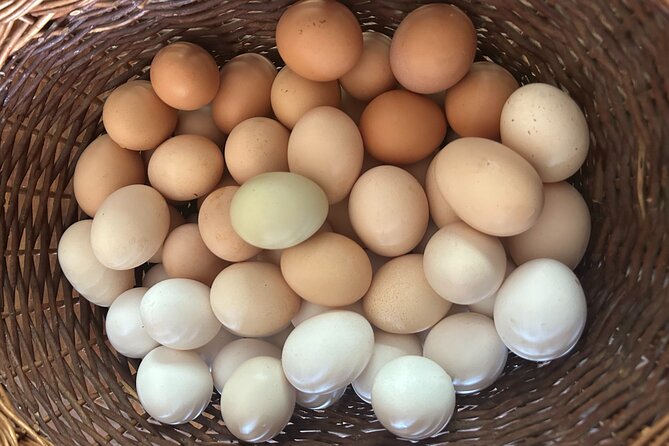
Also, since the ingredients are described as farm-sourced or locally sourced, your home version doesn’t need to be exact to be good. The goal is to keep the spirit: local produce, simple method, and careful dough work.
Price and value for a private class near Pisa
At $150.34 per person for about 4 hours, this isn’t a “budget cooking class.” But it can be good value because you’re paying for three things at once: private attention, a full meal, and real hands-on instruction.
Here’s how I’d judge the money:
- Private format + guidance: you’re not competing for the chef’s attention.
- Meal included: aperitivo, main, dessert, plus local wine and other Tuscan items.
- Location experience: a traditional Italian house on a farm and olive grove, not a back room in town.
If you compare this to cheaper group classes, the difference is usually in the teaching quality and how much you actually do versus watch. In this setup, you knead and shape, then you eat what you made. That “learn + taste + take home tips” bundle is what turns the price into something you feel.
Also, the pickup and drop-off flexibility is a hidden value point. If you’ve ever paid for a transfer and then still spent energy figuring out timing, you’ll appreciate having it folded into the day.
Who this pasta class suits best
This class makes a lot of sense for:
- Couples and small groups who want a private, intimate cooking experience
- First-timers who want step-by-step help making pasta dough from scratch
- Food travelers who like eating as part of learning, not as an afterthought
- Anyone staying in Pisa or nearby who wants a countryside meal without a complicated day plan
If you’re traveling with someone who gets bored watching cooking from the sidelines, this is usually a relief. Everyone rolls up their sleeves. Everyone eats together. And you’re guided through the moments that usually trip people up.
If you’re short on time and only want a quick snack, this may feel like a bigger commitment than you want. But if you want a real Tuscan food day, it’s a solid fit.
A few practical tips before you go
You’ll be working with dough and eating a full meal, so plan like you’re spending time in a home kitchen:
- Wear comfortable clothes you don’t mind getting flour-adjacent
- Come ready to ask questions. The day is set up for it
- If you drink wine, treat the return ride as part of the experience—don’t rush out afterward
Also, since this is a private activity, it’s a good choice if your group wants a slower pace than typical tour traffic. The schedule is built around rest time for dough and a full meal arc, so it feels deliberate.
Should you book Pasta Spazzavento in Pisa?
Book it if you want a pasta class that feels like a real meal day, not a rushed cooking show. The best reasons are simple: you make the dough, you get personalized guidance, and you end up eating a complete Tuscan menu with local wine.
Skip it if you hate countryside drives, or if you only want a short culinary hit. This is four hours. It’s hands-on. It’s built around sitting down and spending time at the table.
If your travel style leans toward authenticity, skill-building, and shared food moments, this one is a strong bet near Pisa.
FAQ
Where does the pasta class take place?
It’s held about 15 minutes from Pisa City Center at a traditional Italian house on a farm and olive grove in Tuscany.
How long is the experience?
The class runs for about 4 hours.
Is pickup offered?
Yes. Pickup is offered from your meeting point, and there is also drop-off back to your hotel/accommodation or a Pisa or Lucca pick-up point.
Is this class private?
Yes. It’s a private tour/activity, with only your group participating.
What do we do during the pasta-making part?
You’ll learn to prepare pasta dough from scratch, then get hands-on experience kneading and shaping it with guidance from the chef.
Do we eat during the class?
Yes. You’ll enjoy what you make, plus the sauce of the day and other Tuscan delicacies.
What’s included in the meal?
You’ll have 3 regional dishes: an aperitivo, a main course, and a local dessert. Local wine is also included.
Are the ingredients sourced locally?
Yes. The ingredients are sourced from the farm or locally.
What will I receive to take home?
You’ll receive recipe cards and tips to recreate the pasta dishes at home.
What’s the cancellation policy?
You can cancel for a full refund up to 24 hours in advance. If you cancel less than 24 hours before the start time, the amount paid won’t be refunded.