REVIEW · SAN GIMIGNANO
Organic Wine Tour&Tasting overlooking Chianti Classico Vineyards
Book on Viator →Operated by Casa Emma Wine Tasting Experience · Bookable on Viator
Wine and views, without the fuss. At Casa Emma, you get an organic tour of a real Chianti Classico estate, then taste wines on a panoramic terrace looking straight over the vines. I especially like how the experience connects the cellar work to what ends up in your glass, and how the food pairing makes the flavors feel practical, not fancy. One heads-up: the white wine selection can feel on the short side compared to the reds.
The group stays small (up to 15), so the English-speaking host can actually explain what you’re tasting and why it matters. The only consideration I’d note is that if you’re craving a long, deep wine seminar, this one is still fairly short—about 1 hour 15 minutes—so you’ll want to bring your curiosity, not expect a full day of classes.
In This Review
- Key highlights from Casa Emma
- Casa Emma: Organic Chianti Classico with real production behind it
- The cellar tour: from grape choice to barrel aging and bottling
- The terrace tasting: Chianti Classico, Supertuscan, plus extras
- What you’ll actually eat and taste (bread, pecorino, olive oil, balsamic)
- Wines you’re likely to notice: reds lead the show
- Views, atmosphere, and a group of 15
- Timing and price: value in 1 hour 15 minutes
- Where to meet: easy start point to plan around
- Who this tour suits best (and who should consider alternatives)
- A few practical tips so you get more out of the tasting
- Should you book Casa Emma?
- FAQ
- How long is the Casa Emma Organic Wine Tour and Tasting?
- What time does the tour start?
- Where is the meeting point?
- Is the tour offered in English?
- How many people are in the group?
- What wines and food are included?
- Is a mobile ticket used?
- What happens if weather is poor?
- Is free cancellation available?
Key highlights from Casa Emma
- Organic estate experience focused on sustainable viticulture, not just marketing
- Guided cellar tour from grape selection through barrel aging to bottling
- Panoramic terrace tasting with views over the vineyards where the wine is grown
- Full pairing set: Chianti Classico, Supertuscan, extra virgin olive oil, and balsamic served with bread and pecorino
- Small group vibe with a maximum of 15 people for easier conversation
- English hosting with personality, including a fun, relaxed tone
Casa Emma: Organic Chianti Classico with real production behind it
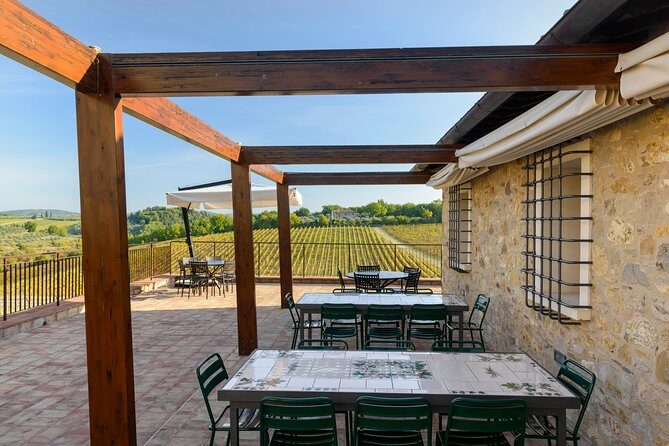
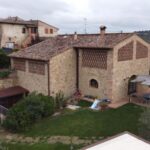
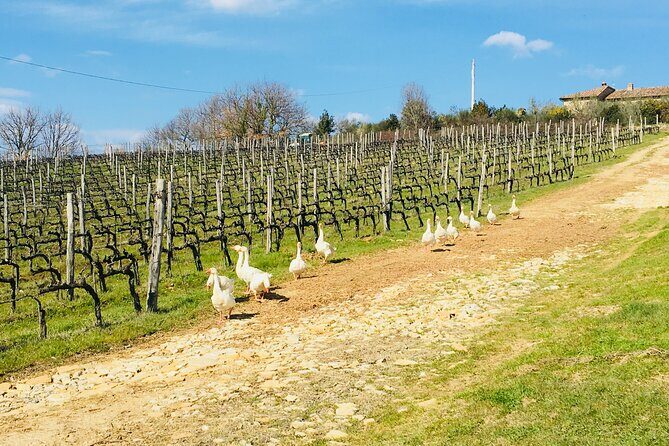
Casa Emma is the kind of winery stop I like: it doesn’t ask you to just admire a label. You’re on an organic estate in the Chianti Classico area, and the point is to understand what the vineyard and cellar are doing together. That matters because wine in this region isn’t only about tradition. It’s about choices—how grapes are grown, how juice becomes wine, and how time in the cellar shapes the final bottle.
What makes this feel authentic is the way the day is structured. You don’t jump straight to a tasting pour. You start with the estate’s production process, then you taste the results in the exact setting where the grapes grow. It’s an efficient format, but it still feels connected, not like a drive-by tasting room.
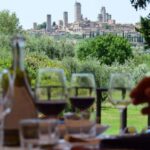
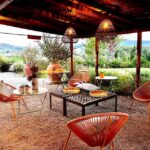
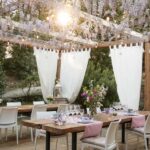
Also, the terrace location is a big deal. You’re not tasting in a windowless room. You’re tasting with the vines in view, which makes it easier to remember what you’re experiencing. If you’re planning a day out in Tuscany and want one stop that does more than scratch the surface, this is a strong pick.
Other Chianti wine tours we've reviewed in San Gimignano

The cellar tour: from grape choice to barrel aging and bottling
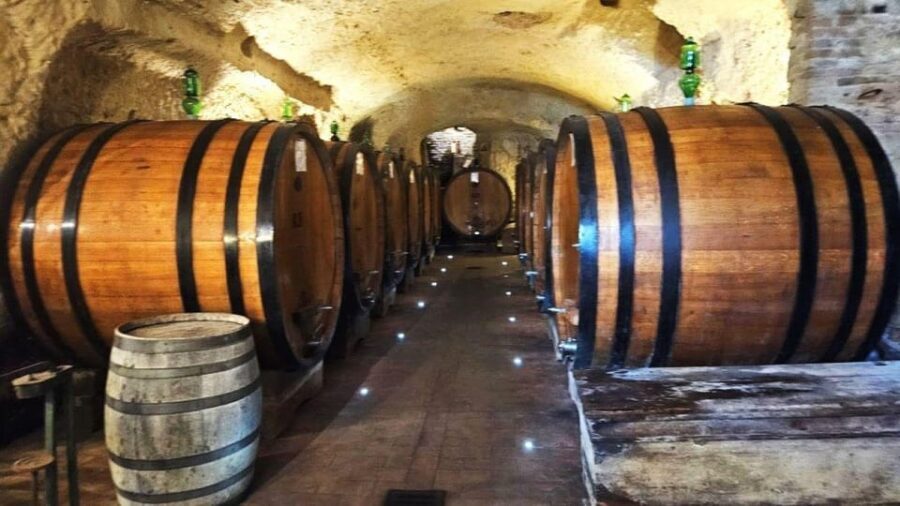
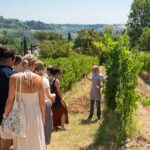
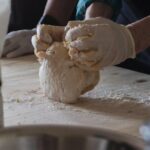
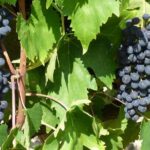
Before you taste anything, you get a guided walk through the cellar. Expect it to cover the stages of production—from selecting the grapes to aging in the barrel and finally bottling. That sequence is the useful part, because it gives your palate a roadmap.
Here’s why I think this is valuable: most wine tastings focus on the glass. This one helps you connect the glass to decisions. For example, when you hear how aging happens in barrels, you’ll be more alert to what you’re tasting later—texture, balance, and how the wine finishes. When you see the step-by-step flow, the wine becomes less mysterious. Not easier exactly—just more understandable.
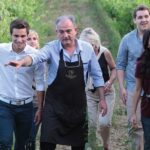
And the hosting style helps. In my experience, when someone explains production in clear English with a little humor, it reduces the intimidation factor. You can ask basic questions without worrying you’ll sound too new. That makes the learning feel like part of the fun instead of a test.
The terrace tasting: Chianti Classico, Supertuscan, plus extras
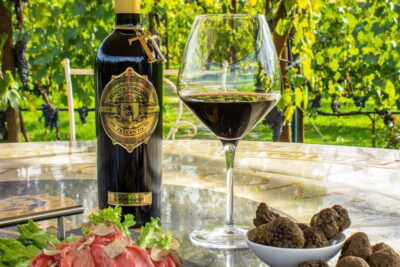
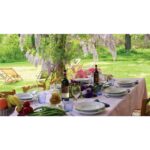
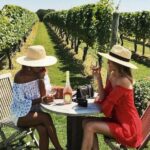
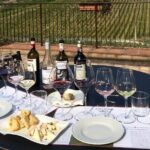
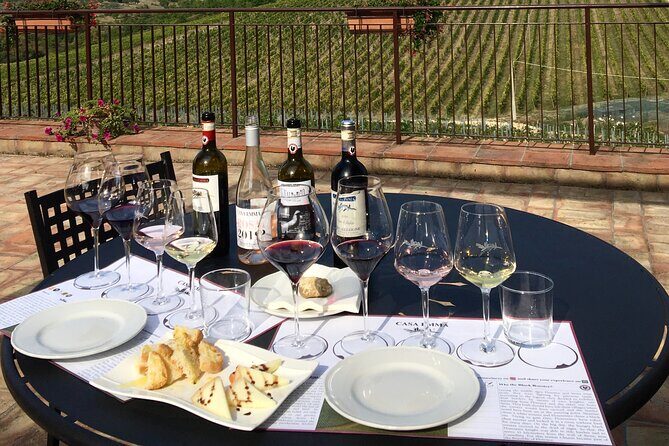
After the cellar tour, you move to the tasting itself, which happens on the panoramic terrace overlooking the vineyards. This is where the experience becomes sensory. You’re tasting the winery’s organic Chianti Classico and also Supertuscan wines. Then the lineup expands beyond wine.
The tasting is hosted in a professional style, but it doesn’t feel stiff. You’re sampling, comparing, and learning what the winery is proud of, rather than getting rushed through a checklist.
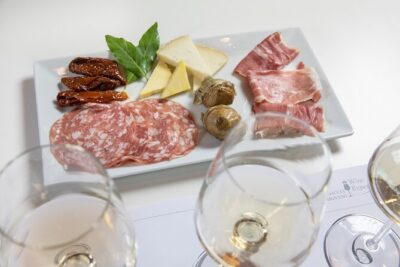
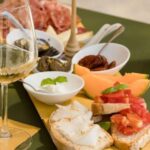
One thing I like here is that the tasting isn’t only “wine, wine, wine.” You’ll also taste extra virgin olive oil and balsamic vinegar served on bread and cheese. That pairing setup matters because it trains your palate to notice acidity, sweetness, and savory notes—things wine people sometimes overlook when they only taste reds.
What you’ll actually eat and taste (bread, pecorino, olive oil, balsamic)
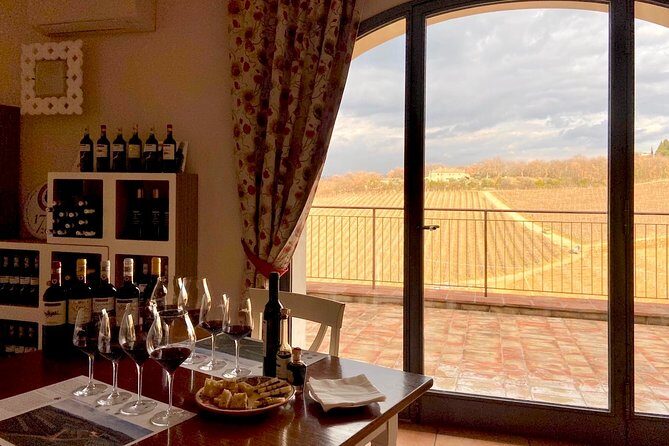
You’ll be served a small starter: Tuscan bread and local pecorino cheese. Then, during the tasting, the extra virgin olive oil and balsamic vinegar arrive as part of the food service, served on bread and cheese.
This matters more than it sounds. Bread and pecorino give you a salty, tangy baseline that can highlight how wine sits with food. Olive oil adds a rounded, slightly grassy or peppery note depending on the pour, while balsamic vinegar brings acidity that sharpens your attention to structure.
In other words, you’re not only tasting for flavor. You’re tasting for contrast. And once you’ve tried the olive oil and balsamic alongside the breads and cheese, your understanding of the estate becomes broader. Tuscany isn’t just wine—it’s farm products tied to the same land and seasons.
Wines you’re likely to notice: reds lead the show
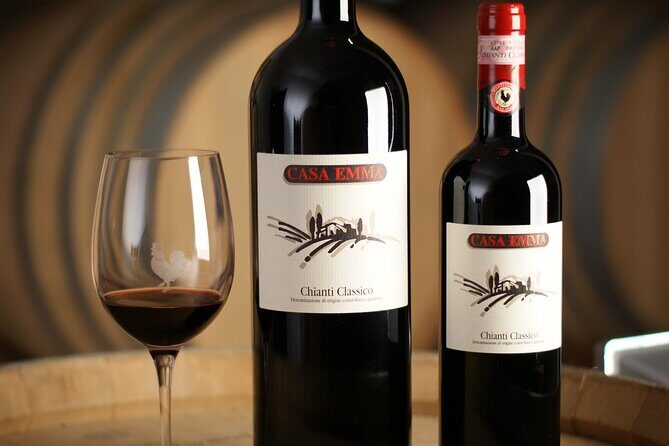
The tasting includes organic Chianti Classico plus Supertuscan wines, which typically means you’re spending most of your time with reds. One practical consideration: the white wine selection can feel limited compared to the reds.
So if your perfect tasting day is built around white wines, go in with the expectation that this stop is more red-focused. If you love Chianti Classico style—grape-driven and food-friendly—and you want to compare it with a Supertuscan approach, you’ll likely be happy with the range.
Also, since this is a short visit, you’ll appreciate the pacing. You don’t have to stay for hours to get a real sense of the winery’s character. You get enough time to taste and ask questions, then move on.
Other vineyards and winery tours in San Gimignano

Views, atmosphere, and a group of 15
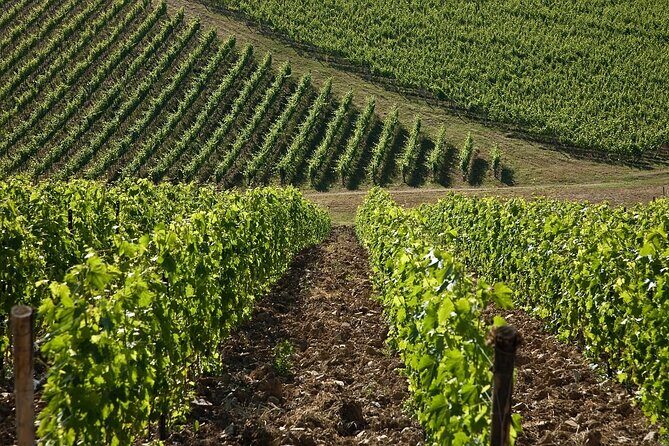
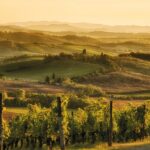
The terrace setting is a big part of the appeal. Even if you think you know what Chianti vines look like, it hits differently when you’re tasting while overlooking the rows that produced the grapes.
The group size is capped at 15, which is ideal for a tasting-and-tour format. Smaller groups usually mean:
- You can hear the explanations clearly.
- The host can answer more than one question at a time.
- You’re less likely to feel like a number in a schedule.
If you’re traveling solo or as a couple, small-group tours often feel more comfortable. If you’re with friends and want a shared moment that still teaches you something, this is a good setup.
Timing and price: value in 1 hour 15 minutes
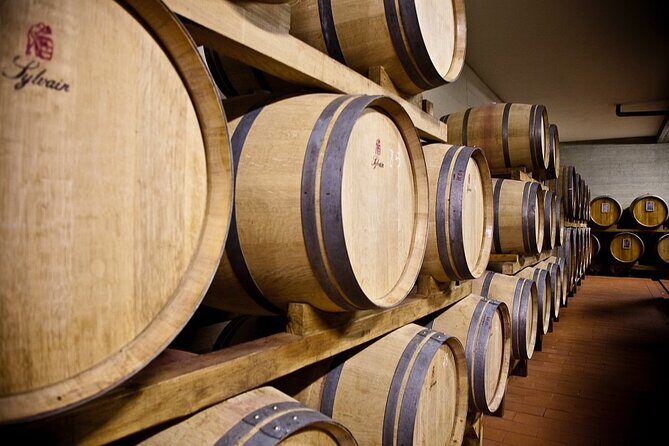
This experience runs for about 1 hour 15 minutes. That’s not long, but it’s enough time to do something useful: cellar tour first, tasting second, plus food pairing elements.
At $29.47 per person, the value comes from the mix. You’re not paying only for wine pours. You’re paying for:
- A guided walkthrough of cellar production stages
- A professional tasting of multiple wine types
- Extra tastings of olive oil and balsamic paired with bread and cheese
If your Tuscany plan includes a day of wine stops, I’d treat this as a “high-information” tasting. You’ll leave understanding more than you arrived with, and the terrace view helps you remember it.
Booking can also matter for logistics. This is commonly booked about 62 days in advance on average, so if your dates are fixed, it’s smart to lock it in early.
Where to meet: easy start point to plan around
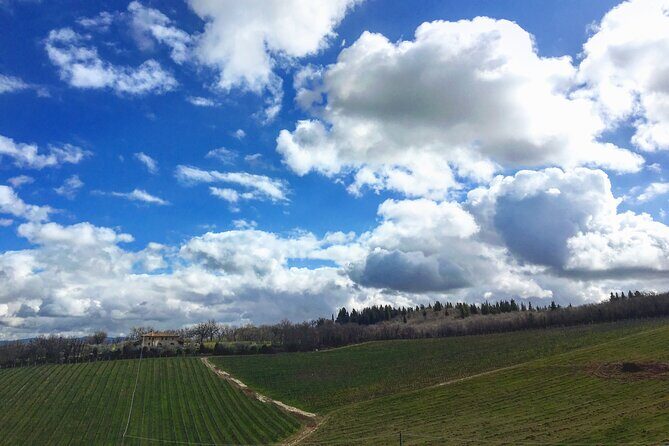
You start at Azienda Agricola Casa Emma, on Strada Provinciale Castellina in Chianti, 3, 50028 Barberino Tavarnelle FI, Italy. The start time is 10:30 am, and it ends back at the meeting point.
That “back where you started” structure is handy. It keeps your timing predictable, which is great if you’re fitting this into a broader day around Tuscany. Just make sure you arrive early enough to settle in, especially if you’re pairing this with other activities that have exact start times.
Who this tour suits best (and who should consider alternatives)
This is a strong choice if you want a family-run organic estate experience that goes beyond pouring wine and moving on. You’ll probably love it if you care about sustainable viticulture and want a clear explanation of how grapes become wine—then taste the result right where it’s grown.
It’s also a good fit if you’re:
- A wine beginner who wants context without feeling overwhelmed
- A casual wine fan who wants more structure than a typical tasting room
- A traveler who likes food pairings as part of learning
If your priority is exclusively white wine, or if you want a long seminar-style class, you might find the pacing a bit brisk.
A few practical tips so you get more out of the tasting
A short tour like this rewards preparation. Here’s how I’d make it smooth:
- Plan to arrive a little early for the 10:30 am start, so you can settle before the cellar tour begins.
- Wear layers if you tend to get chilly outside, since a terrace tasting can feel cooler depending on the time of year.
- Pace your questions. You’ll likely want to ask about the cellar process right after the tour, when it’s fresh in your mind.
- If you’re sensitive to alcohol, pace your sipping. The food pairing (bread, pecorino, olive oil, balsamic) helps, but it’s still a tasting with multiple pours.
Should you book Casa Emma?
Yes, if you want one confident stop in Chianti Classico that gives you both context and atmosphere. The winning combo is organic estate production + a guided cellar tour + a terrace tasting with food pairings. The small group size (up to 15) keeps it personal, and the host style—clear English and a relaxed sense of humor—makes learning feel effortless.
I’d only hesitate if you’re mainly chasing white wines or you dislike short-format experiences. Otherwise, this is a practical, value-packed way to understand what makes Chianti Classico and Supertuscan styles different, right in the vineyards.
FAQ
How long is the Casa Emma Organic Wine Tour and Tasting?
It lasts about 1 hour 15 minutes.
What time does the tour start?
The start time is 10:30 am.
Where is the meeting point?
The meeting point is Azienda Agricola Casa Emma, Strada Provinciale Castellina in Chianti, 3, 50028 Barberino Tavarnelle FI, Italy.
Is the tour offered in English?
Yes. The experience is offered in English.
How many people are in the group?
The tour has a maximum of 15 travelers.
What wines and food are included?
You’ll taste organic Chianti Classico and Supertuscan wines, plus extra virgin olive oil and balsamic vinegar served on bread and cheese. The starter includes Tuscan bread and local pecorino cheese.
Is a mobile ticket used?
Yes. The experience includes a mobile ticket.
What happens if weather is poor?
The experience requires good weather. If it’s canceled due to poor weather, you’ll be offered a different date or a full refund.
Is free cancellation available?
Yes. You can cancel for a full refund up to 24 hours before the experience’s start time.