REVIEW · SAN GIMIGNANO
San Gimignano: Truffle Hunting with Lunch & Wine Tasting
Book on GetYourGuide →Operated by Tenuta Torciano Winery · Bookable on GetYourGuide
Dog noses beat human guesses every time. This 3-hour San Gimignano-area experience pairs a guided truffle hunt with trained sniffer dogs, then rewards you in a winery tasting room with lunch and tastings. With guides like Alessandro and dogs like Spillo in the mix, you get a very real look at how truffles are located in the local countryside.
I also like the way the guide work turns the forest into a lesson. You learn what to look for while walking through the woodland habitat where black and white truffles grow, plus how different trees tie into that search. One possible drawback: the lunch is described as traditional Tuscan, but it can feel like a full, heavier meal, so if you want something light after the walk, plan accordingly.
In This Review
- Key Things You’ll Do and Notice
- Tenuta Torciano Truffle Hunt: What Makes It Worth Your Time
- The Walk: How the Truffle Hunt Actually Works
- The Break: Lunch in the Winery Tasting Room
- Wine and Olive Oil Tasting: What You’ll Learn While You Sip
- Price and Value: Is $215.24 Fair for 3 Hours?
- Small Logistics That Matter (Even When They’re Not Glamorous)
- Who This Truffle Hunt Suits Best
- Tips to Get the Most Out of It
- Should You Book This Tenuta Torciano Truffle Hunt?
Key Things You’ll Do and Notice
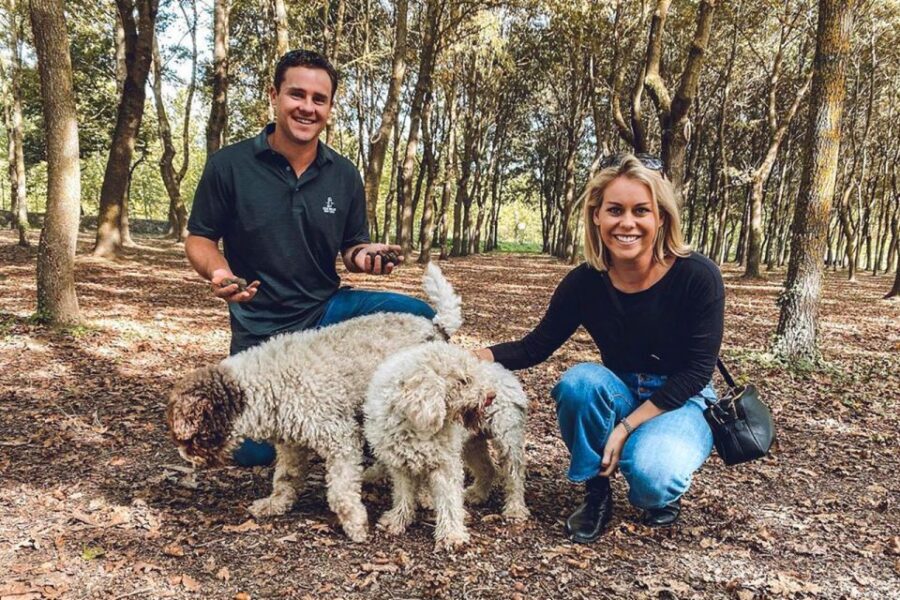
- Follow trained dogs through the hunt area instead of just hoping for luck
- Learn truffle habitat basics like tree types and why the environment matters
- Taste local wine and olive oil with guidance in the tasting room
- Enjoy a traditional Tuscan lunch as your break from the search
- See Tuscany’s wine country views from the winery setting
Tenuta Torciano Truffle Hunt: What Makes It Worth Your Time
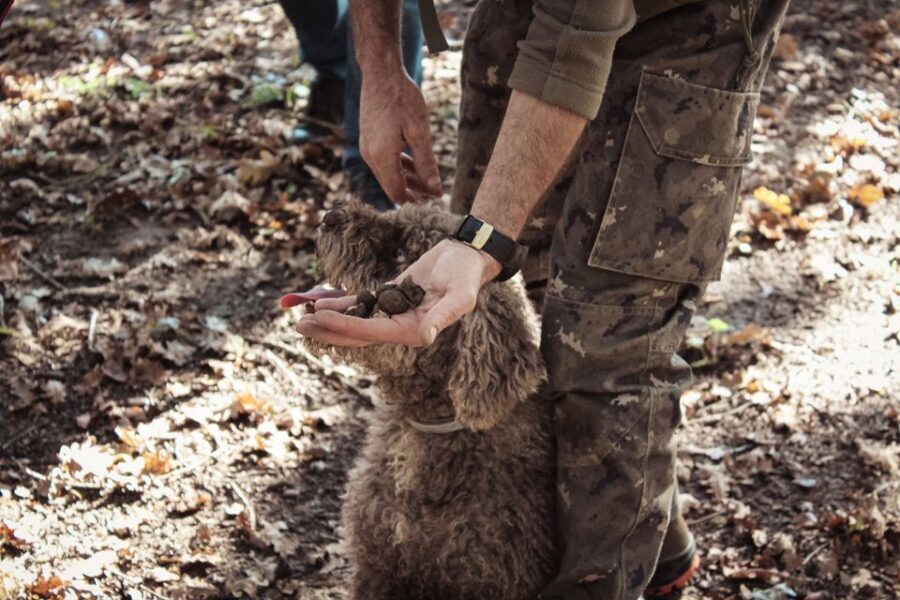
This isn’t a museum-style show. It’s a guided walk where the main character is the dog nose. You meet at Tenuta Torciano Winery and then you head out with the group, following a professional guide and trained dogs trained to find truffles. That simple setup matters. When the dogs work, you get a clear sense of what truffle hunting actually feels like: focused, a little suspenseful, and very hands-on in the best way.
The tour is also designed to connect the dots between nature and food. You’re not just wandering. You’re learning how truffles are found in the right kind of woodland environment—where species of trees and local conditions make sense. That makes the experience more than a cute activity. You come away with a mental map for why truffles exist where they do.
And yes, the dog part is real fun. One of the best things about this kind of tour is that even if you are not an outdoors person, you can still enjoy what’s happening. The dogs do the intense work. You watch. You listen. You learn. In the process, the whole thing becomes easier to understand, not harder.
Other San Gimignano tours we've reviewed in San Gimignano
The Walk: How the Truffle Hunt Actually Works
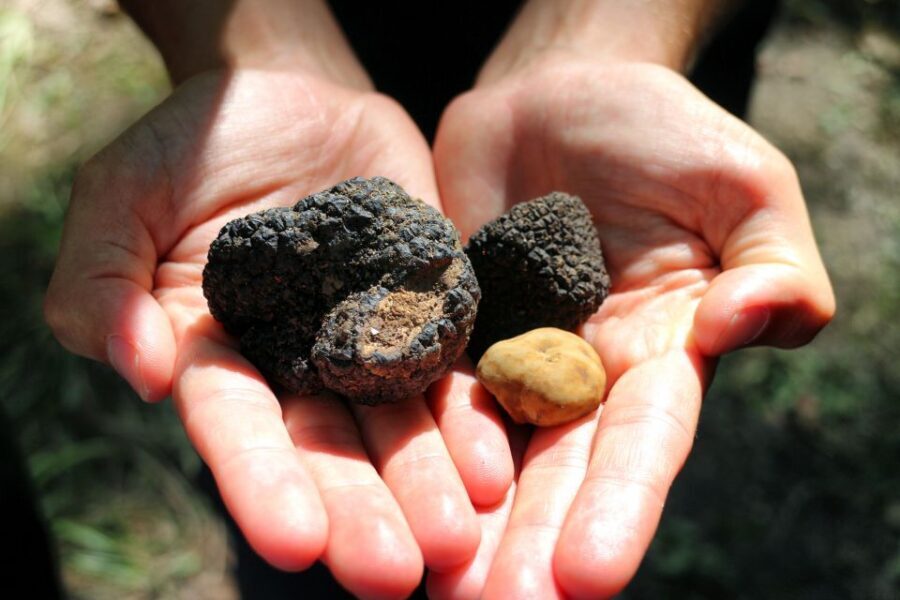
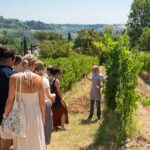
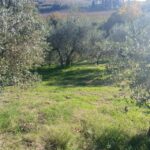
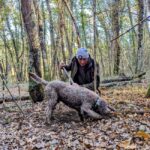
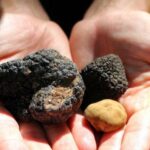
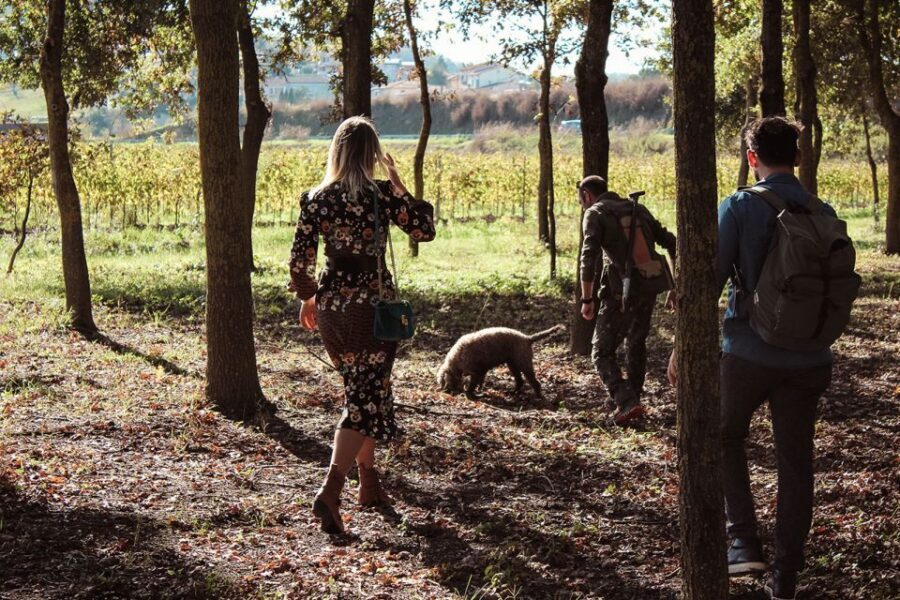
Your hunt segment is led by the guide while the dogs search. You follow through the forest where precious truffles are found. The goal is to spot black and white truffles by working around the dogs’ signals, not by randomly digging in the dirt and hoping for the best.
Here’s what you can expect to learn along the way:
- how guides explain the ideal habitat for truffle growth
- how tree species tie into where truffles are more likely to appear
- how truffle hunting is done in practice (patient, methodical, and clearly guided)
You’ll also likely hear lots of practical explanation as the group pauses and resets during the search. Some sessions run with multiple guides and multiple dogs, which helps keep things moving and gives you more chances to see different moments of the search. The dogs themselves tend to be a big part of the joy—people enjoy watching them work and interact during the pauses.
A quick reality check: this is a cultivated farming setting, not a wild, chaotic jungle search. That can be a plus. It usually means you’re not stuck waiting for nature to decide. But if you’re expecting a full-on wilderness hunt vibe, set your expectations for a managed, guided experience in Tuscany’s truffle country.
The Break: Lunch in the Winery Tasting Room
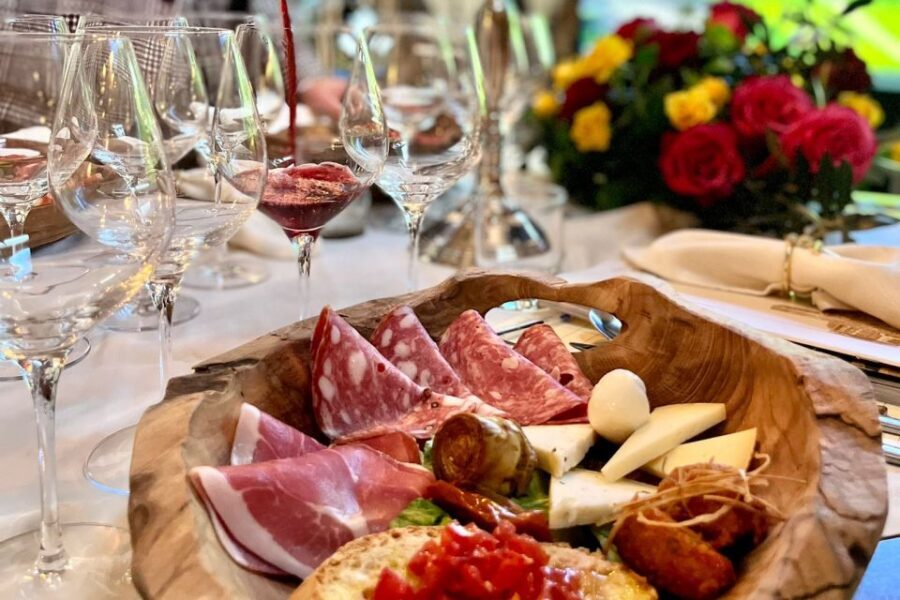
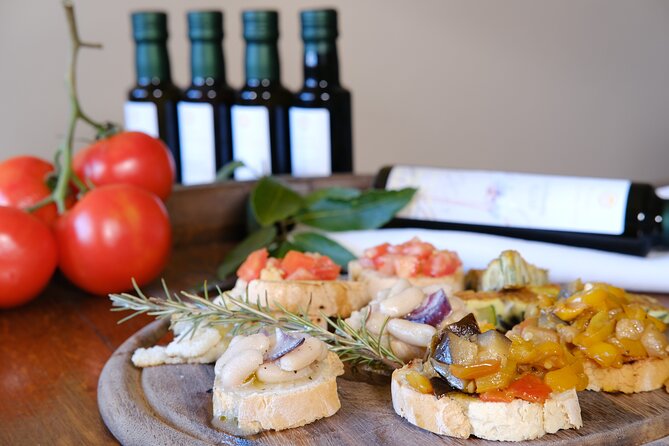
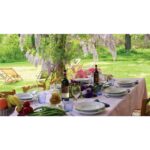
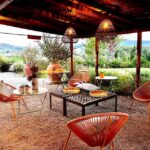
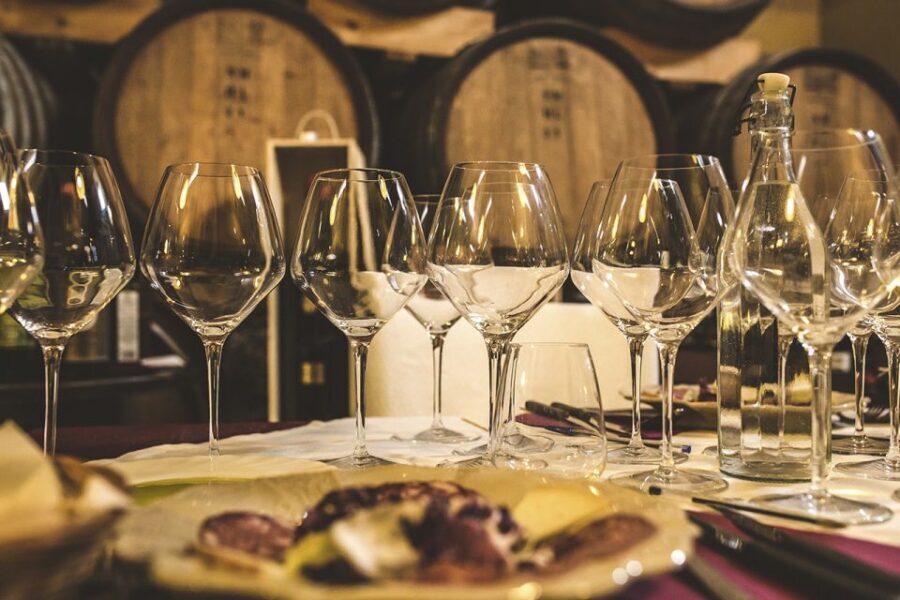
After the hunt, you get the reward part: lunch in one of the winery’s tasting rooms. This is where the pace shifts. The walk gets you tired in a good way. Then you sit down, eat, and move into the food-and-wine rhythm that Tuscany does well.
The tour includes a traditional Tuscan lunch. Based on what people say about the meal, it can be substantial—so treat it as a real lunch, not a snack. If you are the type who likes to eat lightly during tours, plan to slow down and pace yourself. If you love hearty Tuscan comfort food after outdoor activity, you’ll probably find the timing perfect.
One more small tip: wear comfortable shoes. The hunt portion involves walking in woodland terrain. You’ll want your feet to be happy when it’s time to sit and eat.
Wine and Olive Oil Tasting: What You’ll Learn While You Sip
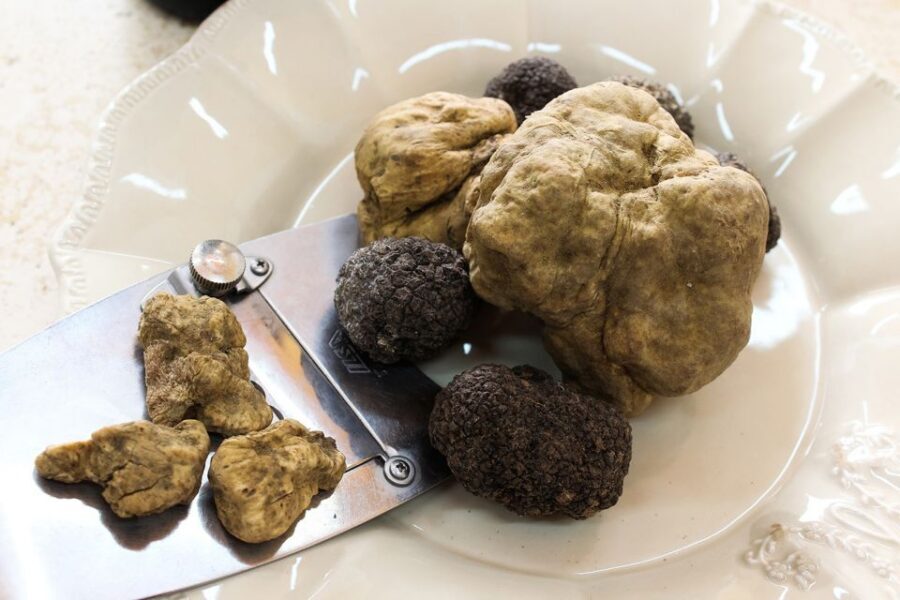
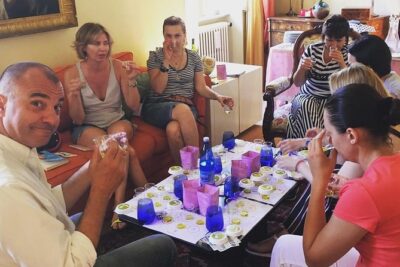
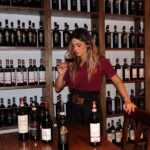
The tasting portion comes right after lunch, still in the winery setting. You’ll sample local wines and also taste olive oil, with guidance from a sommelier and a professional wine expert. This matters because it turns tasting into interpretation. You’re not just drinking and guessing. You’re learning what you’re tasting and why it comes from here.
From the way guides explain things during tastings, I’d expect you to get:
- a clearer sense of what makes local wines style-wise distinct
- an explanation of how the wine and olive oil connect to local production
- a chance to ask questions and get direct answers in English or Italian
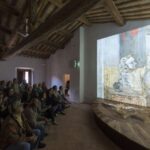
A standout detail from guide experiences is that names like Lino show up as wine explainers, and Moreno has done the truffle-side presentation with Christian translating for English speakers in at least one instance. The takeaway: the format can feel friendly and personal, not robotic.
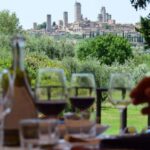
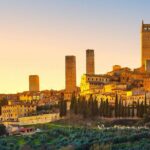
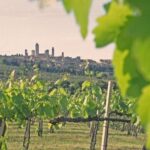
Also, you get views of Tuscany’s wine country as part of the overall setting. That’s not just decoration. It makes the tasting area feel like it belongs to the story you just heard on the hunt.
Price and Value: Is $215.24 Fair for 3 Hours?
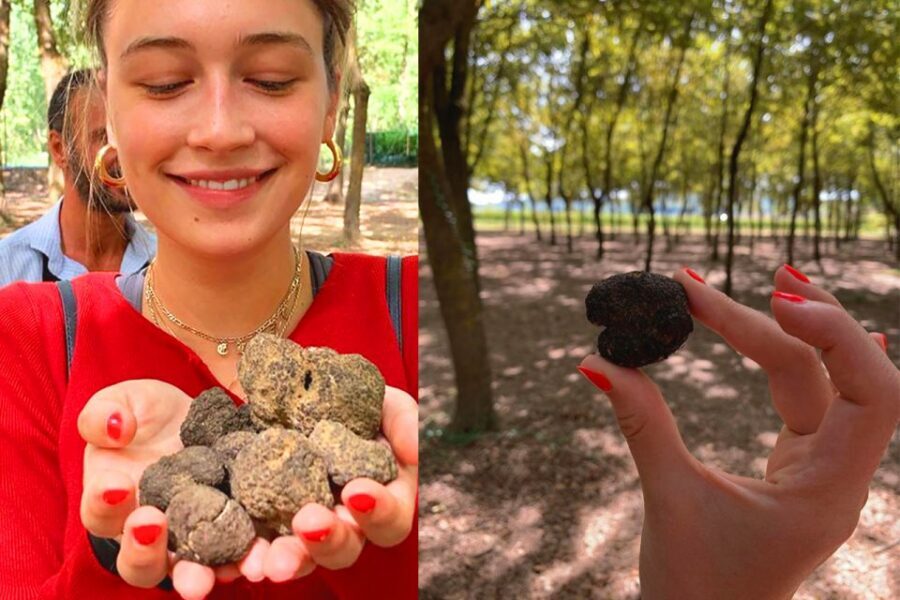
At $215.24 per person for about 3 hours, this tour isn’t cheap. But it can still feel like solid value if you like structured, guided experiences that blend learning and food.
Here’s how the value adds up:
- Truffle hunt with trained dogs (guided search plus specialized setup)
- Traditional Tuscan lunch (not just a small bite)
- Wine and olive oil tasting with guidance from professionals
- Skip-the-line access via a separate entrance
The practical question for you: do you want truffle hunting with interpretation and a meal built in, rather than doing a self-guided visit to a winery later? If the answer is yes, the package pricing starts to make sense. You’re paying for time saved, expert guidance, and a built-in gastronomic payoff.
If, on the other hand, you’d rather do a longer day with a bigger menu of winery options like estate tours, vineyard tours, or a full winery tour, you’ll want to know what this tour does not include. Estate, vineyard, and winery tours are not included here. This experience is about hunting first, then tasting and lunch.
Other truffle hunting experiences in San Gimignano

Small Logistics That Matter (Even When They’re Not Glamorous)
No pickup is included. That means you should plan your own way to the Tenuta Torciano meeting point. The tour starts there and ends back at the same meeting point, so you don’t need to worry about a complicated drop-off.
You’ll also have a confirmation within 48 hours of booking. And if weather turns ugly—extremely low or high temperatures, or adverse conditions—the provider can change the location based on availability. If you don’t accept the variation, the provider won’t be held responsible. In practice, that just means you should pack for changing conditions and keep a flexible mindset.
Who This Truffle Hunt Suits Best
This tour fits well if you:
- want a hands-on activity where dogs do the heavy lifting
- enjoy short, structured experiences that end with food and wine
- like learning how local production works, not just sightseeing
- prefer guided explanation in English or Italian
It’s also a good choice for families or mixed groups because the dog element works for kids and adults. In at least one case, a daughter enjoyed Moreno’s presentation with Christian translating, which suggests the guide team can handle real-time communication needs smoothly.
If you’re a solo traveler, this can be a relaxing way to fill a few hours with high focus and high payoff. If you’re traveling with someone who wants wine but thinks truffles sound silly, this is one of those rare tours where both sides usually end up smiling.
Tips to Get the Most Out of It
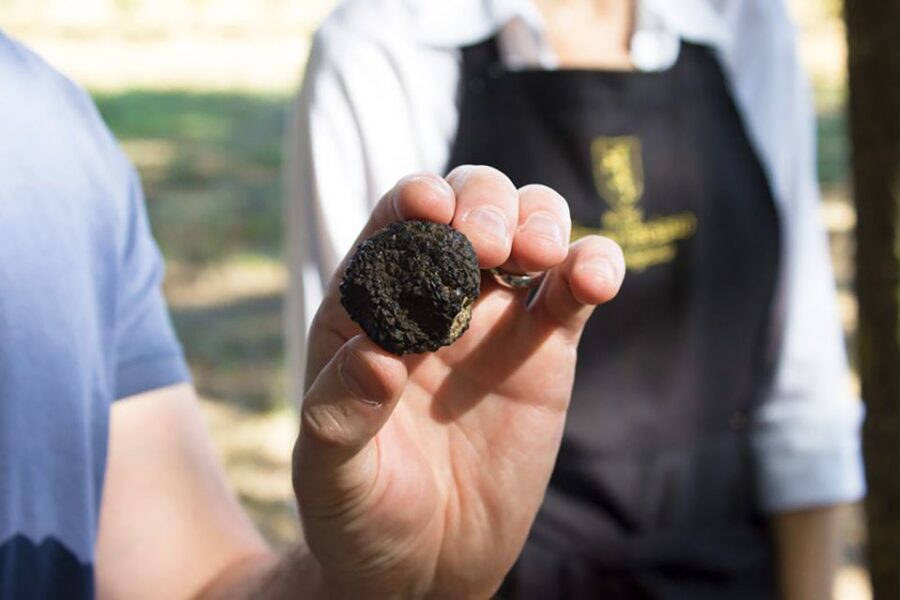
A few practical moves that help you enjoy the full experience:
- Bring a light layer. Woodland weather can feel different from the open winery area.
- Wear shoes you don’t mind getting a bit warm or dusty.
- Pace yourself at lunch. The meal can be more than you expect after walking.
- If you care most about truffles, ask the guide how the day’s find process will work and what to watch for when the dogs indicate.
And if you are hoping specifically for a lot of white truffle action: the tour description mentions both black and white truffles, but actual finds can depend on the day. It’s smart to ask how that plays out in your season.
Should You Book This Tenuta Torciano Truffle Hunt?
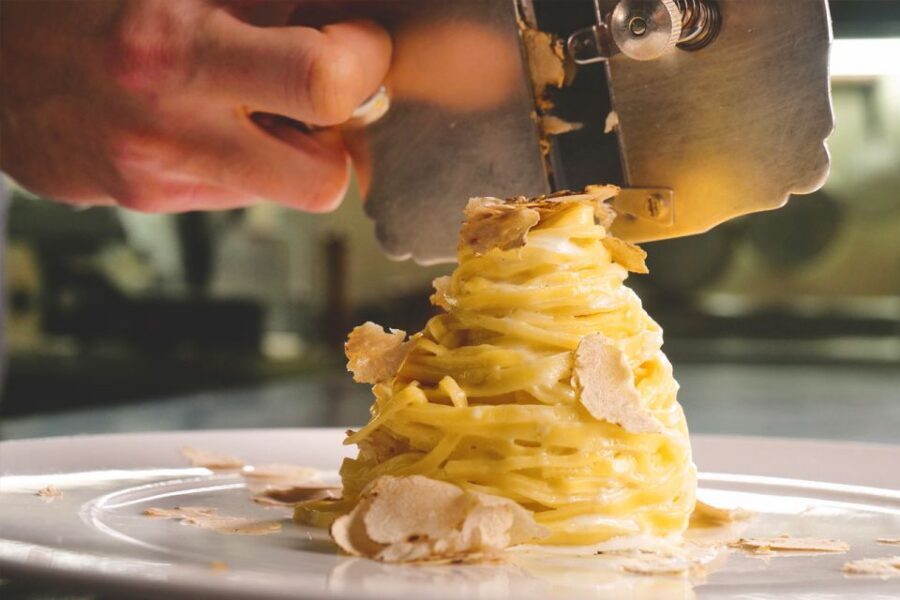
I’d book it if you want a compact Tuscan experience that mixes truffle hunting with trained dogs and then cashes out with a traditional lunch plus wine and olive oil in a real tasting setting. The dog work and the guided explanation are what make it satisfying, not just the fact that it’s called truffle hunting.
Skip it or compare options if:
- you want pickup convenience (none is provided)
- you expect a lighter snack-like meal afterward
- you want a full winery/estate/vineyard tour included in the same ticket
If your goal is to learn how truffles connect to the land—and then eat and taste your way through Tuscany—this one earns its place on your itinerary.