REVIEW · PIENZA
Passeggiando nell’uliveto: come nasce l’olio extrav d’oliva?
Book on GetYourGuide →Operated by AZIENDA AGRICOLA INVIDIA · Bookable on GetYourGuide
Olive oil starts long before the bottle. This small tour at Azienda Agricola Invidia turns a working grove into a clear, human story you can walk through.
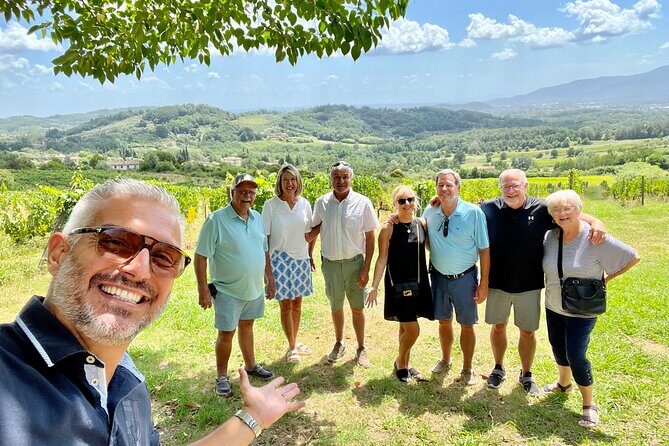
I love the way the hosts guide you through the trees and make the process feel real, not abstract. Kiara and Luka explain the nature of the olive trees and the steps behind organic extra-virgin olive oil, and you finish with a tasting that actually matches what you just learned.
One thing to keep in mind: it’s a hill walk, so wear comfortable shoes and expect uneven ground. It also isn’t suitable for people with mobility impairments.
In This Review
- Key takeaways before you go
- Entering the olive grove: what makes this tour worth your time
- The one-hour route through the hill: how the walk actually feels
- Meet Kiara and Luka: how the guide turns facts into something you’ll remember
- How the olive trees are explained (and what you should watch for)
- Harvest and production: posters + tools that make extra-virgin feel less mysterious
- Invidia oil tasting with bread and a UNESCO-class view
- Price value: $35 for a process lesson plus tasting
- What’s not included (and how you can plan your food and drink)
- Weather, timing, and who this is best for
- Practical tips so you’re comfortable (and get the most out of the hour)
- Should you book Passeggiando nell’uliveto?
- FAQ
- How long is the Olive Experience tour?
- How much does the tour cost?
- Is the tour private?
- What languages are available with the guide?
- Where do I go to start the tour?
- What should I wear?
- Is the walk difficult?
- Is the tour suitable for mobility impairments?
- What happens in the rain?
- What is included with the tasting?
Key takeaways before you go
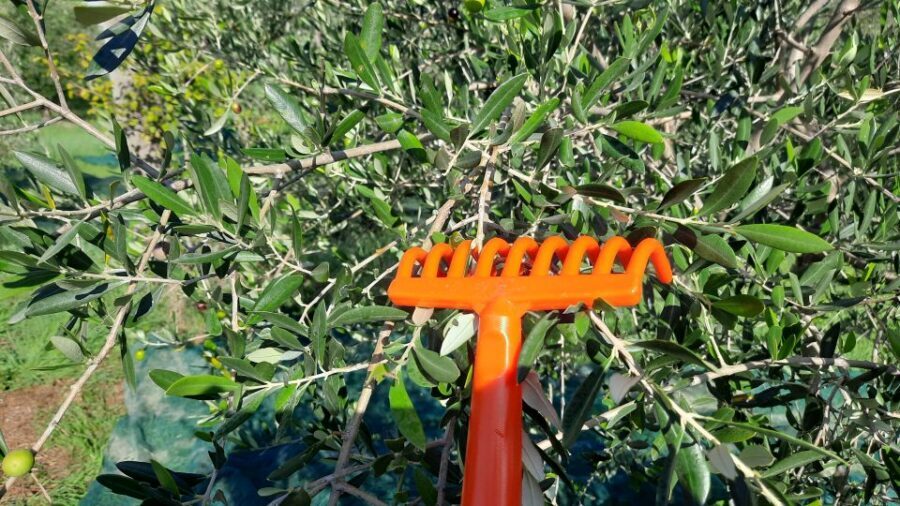
- 3,500 olive trees on a working hillside: you see the grove scale, not just one row of trees.
- Posters + hands-on demonstration tools: you get visuals and practical explanations together.
- Clear harvest-to-oil sequence: you’ll understand the steps to get extra-virgin olive oil.
- Tasting Invidia with views: you’ll taste in the shop while looking toward the Val d’Orcia area.
- Personal, private-group feel: live guide in Italian or English, paced for your group.
- Rain plan is simple: if weather hits, it may shift to tasting only or the tour may be postponed.
Entering the olive grove: what makes this tour worth your time
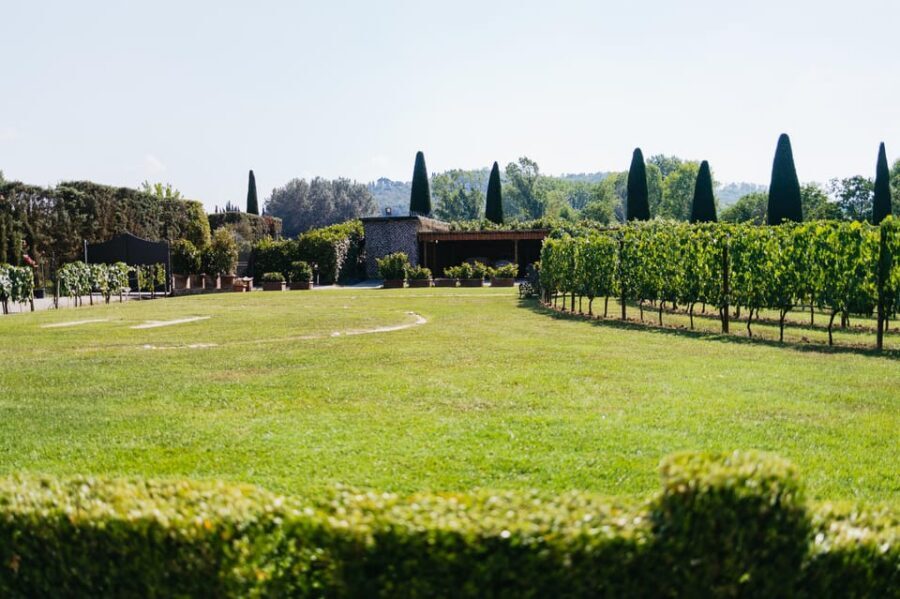
This is one of those Tuscany experiences that doesn’t try to “perform.” You’re out in an olive grove that’s producing organic virgin olive oil, and the whole hour is built around watching, asking, and tasting the end result.
The best part is that you don’t just hear facts. You move through the property while the guide connects the olive trees to the harvest method and then to the oil-making steps. That flow matters. When you taste later, you’ll know what you’re looking for and why certain choices in the grove and in the process show up in the glass.
I also like how personal it feels. Multiple guides are friendly and story-driven, and the owner-host approach adds heart to the practical stuff. You learn the “how,” but you also get a sense of why this farm and this product matter to the people running it.
If you're still narrowing it down, here are other tours in Pienza we've reviewed.
The one-hour route through the hill: how the walk actually feels
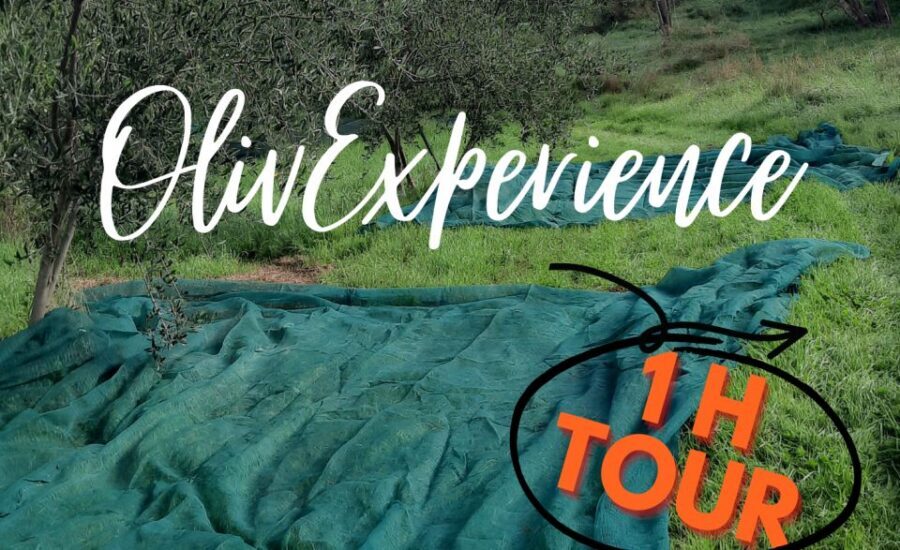
The tour is one hour with an easy walk on the hillside. You’re not doing a long hike, but you are moving among olive trees in a real working setting. That mix is important for value: you get enough time to understand the process, without turning the experience into a full-day logistics puzzle.
You’ll spend the majority of the tour walking and stopping along the way as the owner explains:
- how the olive trees grow and what they need
- how olives are collected (harvest basics)
- how the olives become extra-virgin olive oil (the step sequence)
Then, near the end, you slow down. You can walk around among the trees and rest under a secular tree, which gives you a break from the explaining pace. If you’ve been bouncing between towns all day, this pause is genuinely welcome.
Practical note: the walk is on a hill and comfort matters. Bring comfortable shoes and skip anything with high heels. If rain shows up, the plan may shift to tasting only or the tour may be postponed, so keep that flexibility in mind.
Meet Kiara and Luka: how the guide turns facts into something you’ll remember
You’re with a live tour guide and the languages are Italian and English. In a private group, you’re not squeezed into the same rhythm as strangers. That matters for olive oil because questions are easy to have: How long do olives stay before processing? What makes extra-virgin different? How does organic farming show up?
The hosts (often described as Kiara and Luka, a friendly husband-and-wife team) come across as story-forward. One thing I like about that is it helps you connect the work to the land. The experience isn’t just technical instruction; it’s also a personal look at how they came to buy the farm and care for it.
If you enjoy hands-on learning, this is a good match. The guide uses posters and demonstration equipment, so you’re not only listening—you can see the process as it’s explained.
How the olive trees are explained (and what you should watch for)
A big part of the tour is learning about the olive trees themselves: their nature, what you notice in the grove, and how those details relate to production. Even if you think you already know olives, this part tends to change how you see the orchard.
Here’s what to pay attention to while you’re walking:
- Tree structure and how the grove is managed (you’ll connect this to harvest method later)
- Any references to how organic practices influence the overall approach
- How the guide links the trees to quality in the finished oil
Because the tour includes stops with explanations, you’ll likely have time to ask small questions and get answers in context. That’s better than a fast slideshow, and it helps you understand the “why,” not only the “what.”
Harvest and production: posters + tools that make extra-virgin feel less mysterious
This tour uses visual aids and hands-on demonstration equipment. That’s a key reason it works well for beginners. Olive oil can sound like a food-industry buzzword—until you see the process step-by-step with simple visuals.
You’ll learn the steps to obtain extra-virgin olive oil. While the exact equipment details aren’t something you should expect to be identical across every group, the overall teaching style is consistent: the guide shows you the sequence, explains what happens to the olives, and ties it back to the grove.
Why this matters: when you taste the oil at the end, you’ll have context for the flavors you notice. You’ll also understand that good olive oil isn’t just a product—it’s a chain of decisions from cultivation to harvesting to processing.
And if you’re the type who likes to bring home knowledge (not just souvenirs), this is the part that will make your tasting feel like a mini lesson you can replay later.
Invidia oil tasting with bread and a UNESCO-class view
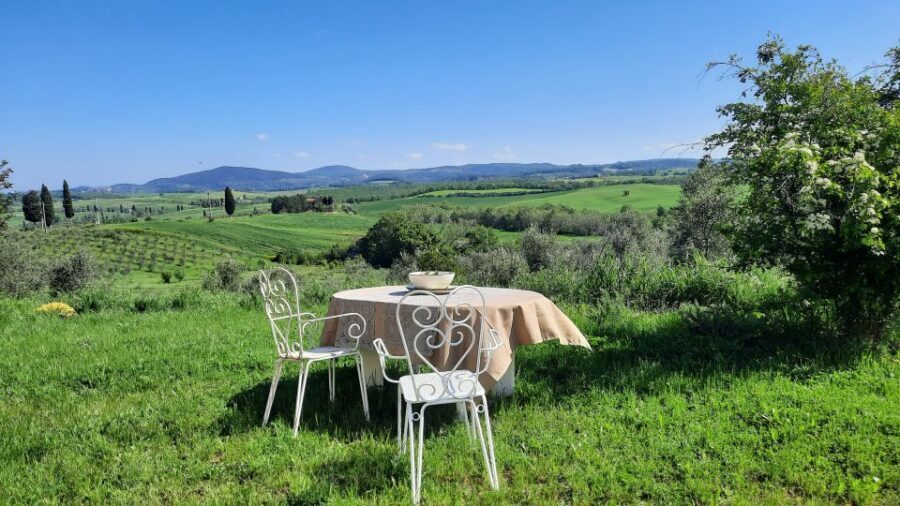
The finish is not just “here’s the oil.” It’s tasting with a sense of place.
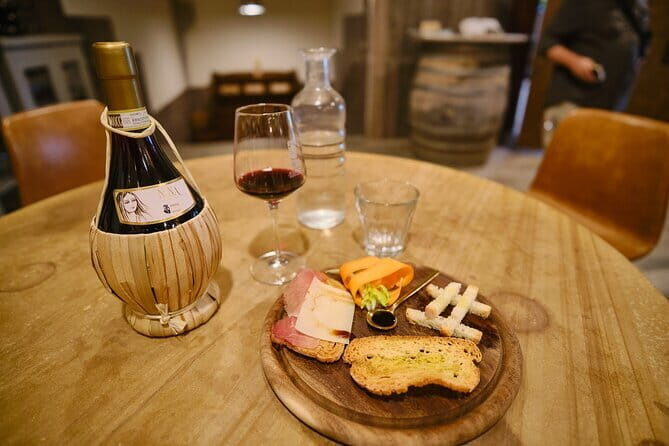
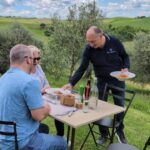
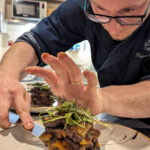
After walking and resting in the grove, you’ll head to the shop to taste Invidia, the oil produced here at the farm (Azienda Agricola Invidia). The tasting is served in a way that lets you connect flavor to what you learned during the tour—commonly with slices of bread.
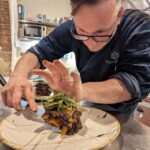
A bonus detail: several people highlight that you may also be offered bruschetta-style elements and a simple taste setup (and water). One review specifically mentions bruschette and tomatoes from their own production dressed with their oil. Another mentions oil tasting served with bread while enjoying remarkable views.
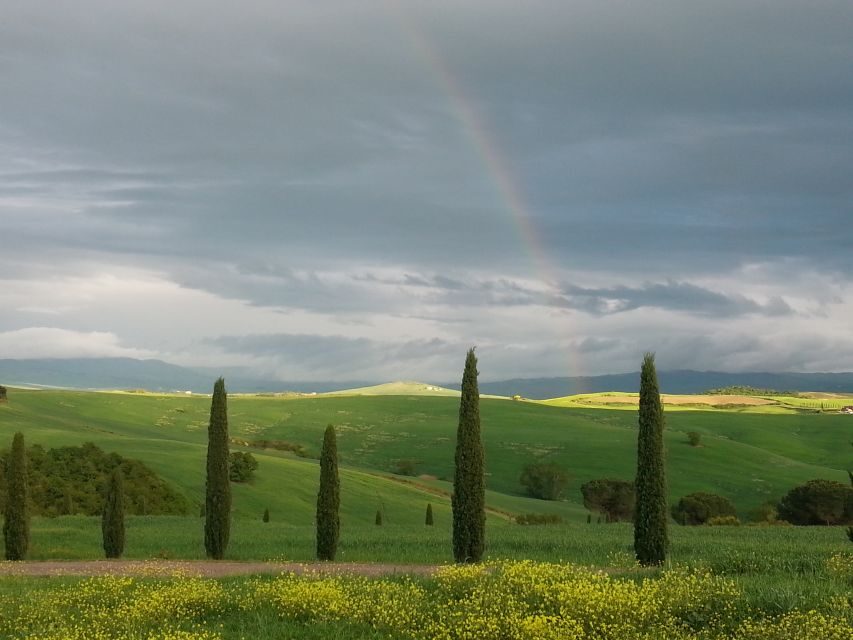
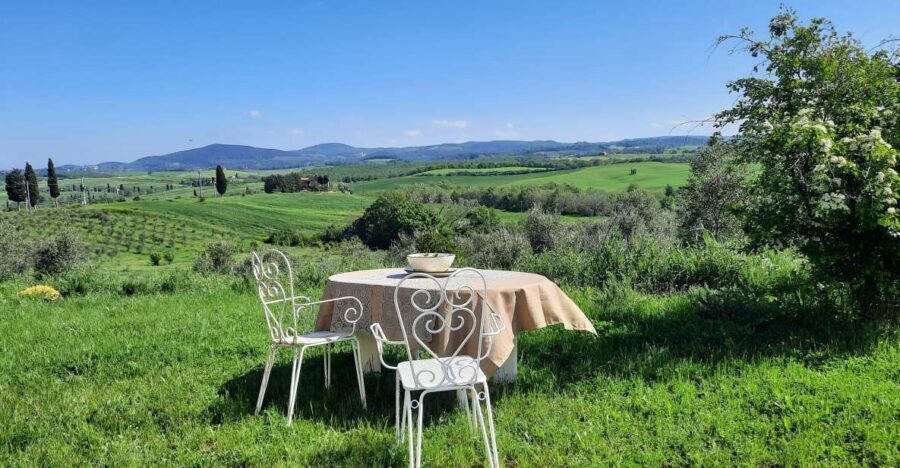
And those views aren’t a side note. You’re looking out toward the Val d’Orcia area, which is recognized as UNESCO heritage. That makes the tasting feel like Tuscany rather than a tasting room that could be anywhere.
Price value: $35 for a process lesson plus tasting
At $35 per person for a 1-hour private experience, the value comes from three things:
- You’re walking an olive grove that’s actively producing organic oil, not just viewing trees from a distance.
- The guide uses posters + hands-on demonstrations, so you get understanding, not only a sales pitch.
- The experience ends with a guided tasting of the farm’s own Invidia oil.
Could it be “cheap”? No. But olive oil quality and farming time are not cheap anywhere in Tuscany. What you’re paying for here is time with the owners and a straightforward explanation you can actually use when you compare oils later.
Also, if you enjoy learning more than shopping, this tour often feels worth it because the tasting is tied to the process you just saw.
What’s not included (and how you can plan your food and drink)
Food and drink expectations are simple:
- You’ll taste the farm’s oil as part of the experience.
- Water and bruschetta oil tasting may be part of the tasting setup.
- Wine is not automatically included. You can buy bottles of local wine and drink it during the tasting.
If you’re trying to keep the total cost down, plan to buy wine only if you’re feeling it. If you like a longer sit-down meal later, you’ll likely want to treat this as the “taste and lesson” stop, then eat in town after.
Weather, timing, and who this is best for
This tour is outdoors and on a hill. If it rains, the plan may shift to tasting only or the tour may be postponed. Either way, the key idea is that you won’t necessarily walk the full grove route in bad weather.
Best for:
- couples and small groups who want something quieter than a big-ticket museum day
- food-curious travelers who want to understand how extra-virgin oil is made
- people who like authentic farm settings and personal hosting
Not ideal for:
- anyone with mobility impairments, since it’s a hill walk and not described as accessible
Practical tips so you’re comfortable (and get the most out of the hour)
A few small choices make this experience smoother:
- Wear comfortable shoes. The walk is easy, but it’s still a hillside grove.
- Avoid high heels—those are explicitly not suited for the tour.
- Bring a watch-friendly mindset. This is a short, focused experience. You’ll learn best if you take it as one concentrated hour, not a long sightseeing session.
- If you’re using vouchers, you’ll need to exchange them at the office before the tour begins.
Also, since the experience is in a working agricultural setting, don’t expect “perfect park paths.” You’re there for the grove and the process, not a manicured walkway.
Should you book Passeggiando nell’uliveto?
If you want a Tuscany experience that’s practical, hands-on, and tied to something real, I think it’s an easy yes. The strongest reasons to book are the hands-on explanations, the personal hosting from Kiara and Luka, and the chance to taste the farm’s Invidia olive oil in context, with Val d’Orcia views in the background.
Skip it if you need a fully accessible experience or if you’re searching for a long, multi-stop itinerary. This is intentionally compact: one hour, one hill walk, one farm story, one tasting.
If your goal is to leave with both a better understanding of olive oil and a taste you can remember, this tour delivers.
FAQ
How long is the Olive Experience tour?
The tour lasts 1 hour.
How much does the tour cost?
The price is $35 per person.
Is the tour private?
Yes, it’s described as a private group experience.
What languages are available with the guide?
The live guide is available in Italian and English.
Where do I go to start the tour?
You exchange your voucher at the office before the tour begins.
What should I wear?
Wear comfortable shoes. High-heeled shoes are not allowed.
Is the walk difficult?
It’s described as an easy walk on the hill.
Is the tour suitable for mobility impairments?
No, it is not suitable for people with mobility impairments.
What happens in the rain?
In case of rain, it’s possible the experience becomes only the tasting of bruschetta, or it may be postponed.
What is included with the tasting?
You taste the farm’s olive oil, and the tasting includes bruschetta oil tasting and water. You can also buy wine on site and drink it during the tasting.