REVIEW · PIENZA
Pienza: Tuscan Cooking Class of Homemade Pastas and Cantucci
Book on GetYourGuide →Operated by Podere Spedalone · Bookable on GetYourGuide
Pasta dough, rolling pins, and big Tuscan views. This Pienza cooking class at Podere Spedalone turns traditional farmhouse cooking into a do-it-yourself lesson, with farm-grown ingredients and time to enjoy the property before and after.
I especially like the mix of skills: you learn handmade pasta and finish with cantucci, then you sit down to a communal lunch that’s built from what you made. One thing to keep in mind: the schedule can run a little slow, so if you’re on a tight onward itinerary, give yourself extra breathing room.
Key highlights and what they mean for you
- Farm-to-table ingredients from the organic garden and nearby local farms set the flavor baseline.
- Two handmade pasta types plus bread and cantucci mean you leave with a full menu, not just one dish.
- Chef Rodi and the team’s teaching style is organized and welcoming, with humor that helps you relax and learn.
- You eat what you make at a generous lunch, often outdoors over Val d’Orcia.
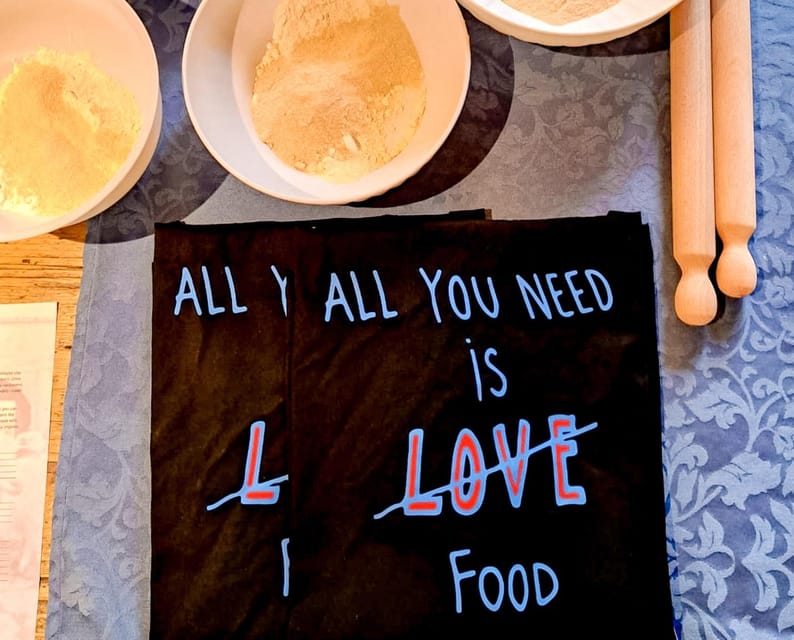
- Take-home support includes a recipe guide and a souvenir apron you can actually use.
- Optional Fiorentina steak upgrade is available if you want a splurge beyond the class menu.
In This Review
- Podere Spedalone: Why this Pienza pasta class feels different
- What you’ll make: pasta, bread, and cantucci (the full Tuscan plate)
- Handmade pasta: two types, done the old way
- Artisanal Tuscan bread
- Cantucci: the almond cookie finale
- The flow of the class: what happens when you arrive
- 1) Arrival at the agriturismo restaurant
- 2) Hands-on cooking in the farm kitchen
- 3) Bread and cantucci as the day’s rhythm settles
- 4) Communal lunch: you eat your work (often outside)
- Lunch with Val d’Orcia views: what’s included and what you can add
- Outdoor vs indoor dining
- Optional Fiorentina steak upgrade
- Wine and drinks: plan for what’s not included
- Price and value: what $164.26 buys in real life
- Timing, group vibe, and practical tips to enjoy it
- Who should book this Pienza cooking class (and who might not)
- Book it if you:
- You might reconsider if you:
- Should you book Podere Spedalone’s pasta and cantucci class?
- FAQ
- How long is the cooking class, including time to eat?
- What dishes will I learn to make?
- What’s included in the price?
- Can I add Fiorentina steak to my lunch?
- Are wine or other drinks included?
- Is the class wheelchair accessible, and is it taught in English?
Podere Spedalone: Why this Pienza pasta class feels different
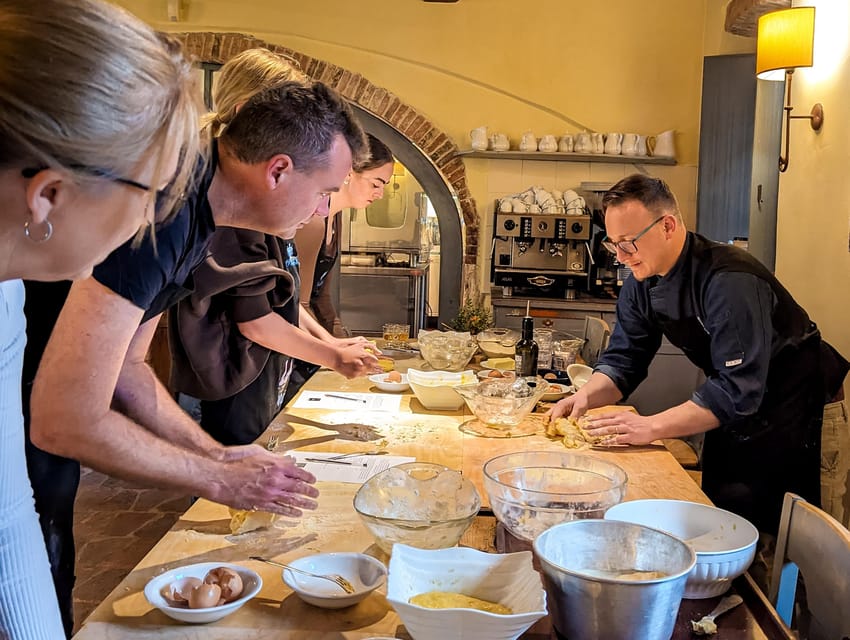
If you’ve done cooking classes that mostly feel like watching someone else work, this one has a better rhythm. The location is Podere Spedalone, an organic farm and historical estate in the rolling hills of the Val d’Orcia. That setting matters because it changes what the class is really about: not just recipes, but how Tuscan food is tied to daily farming.
You’ll meet at the Agriturismo Podere Spedalone restaurant, then the experience flows through the farm’s kitchen and dining spaces. A standout detail is that you also get time on the property before and after the lesson—so it’s not a quick in-and-out stop. You’re meant to arrive, settle in, learn at a normal human pace, eat with a view, and then linger a bit.
The class is taught in English and Italian, which helps if your Italian is rusty. And in at least one case, the instructor Rodi was praised for being warm and attentive, so you shouldn’t feel like you’re dropped into a food-only survival test.
What you’ll make: pasta, bread, and cantucci (the full Tuscan plate)
This isn’t a one-dish workshop. The menu is built around traditional Tuscan staples you can realistically recreate at home.
If you're still narrowing it down, here are other tours in Pienza we've reviewed.
Handmade pasta: two types, done the old way
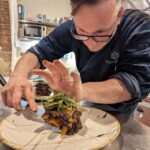
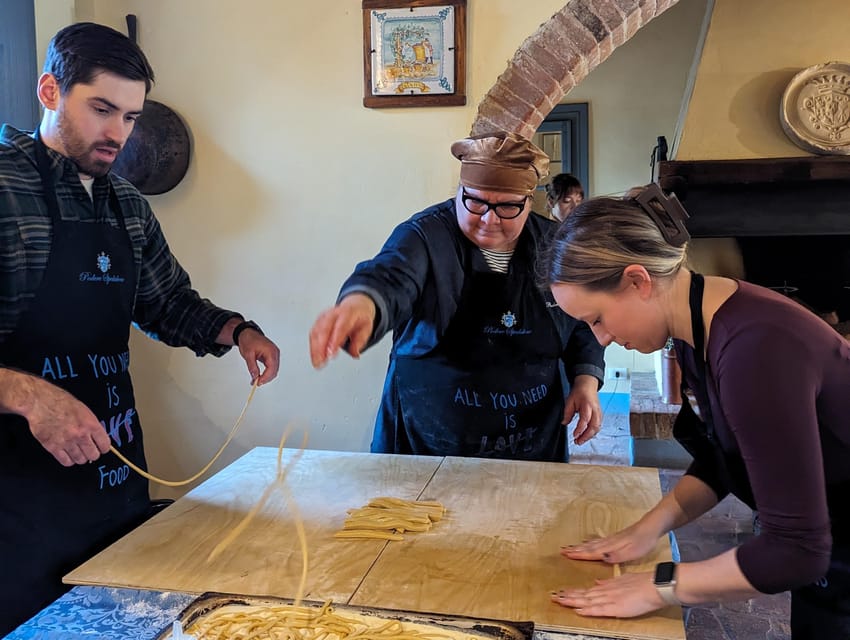
You’ll make two types of fresh pasta. Depending on the group and the flow of the class, you may prepare something like tagliatelle or pappardelle and also pici, which is a local hand-rolled pasta. Expect the dough-making and shaping steps to be hands-on, not just theoretical.
After shaping, your pasta is served with sauce choices that fit the region’s classic approach—either a rich tomato sauce or a slow-cooked meat sauce. That part is important: it helps you understand how the pasta shape and the sauce work together, instead of thinking of it as separate recipes.
Artisanal Tuscan bread
Bread-making is included, and that’s a big deal for value and satisfaction. Fresh pasta is the headliner, but bread is the practical skill that makes your meal feel complete. Even if you never make pasta again, bread is the kind of technique you can adapt for weeknight life.
Cantucci: the almond cookie finale
You’ll also make cantucci, the classic almond cookies often served alongside a drink in Tuscany. It’s a good way to end because the process is straightforward and the results are forgiving. Plus, it’s exactly the kind of recipe that travels well and makes you feel like you brought home more than just a photo.
The flow of the class: what happens when you arrive
Here’s how the timing and pacing typically feel, based on the class structure.
1) Arrival at the agriturismo restaurant
You start at the Agriturismo Podere Spedalone restaurant. This is where you settle, get oriented, and get into the cooking mood. The day tends to start with a welcome and then moves quickly toward hands-on stations.
One practical note: at least one experience described starting a bit late and the overall schedule dragging. That doesn’t mean it’s chaotic, but it does mean you’ll do best if you don’t schedule an immediate next reservation right after your class. Think “slow food day,” not “airport conveyor belt.”
2) Hands-on cooking in the farm kitchen
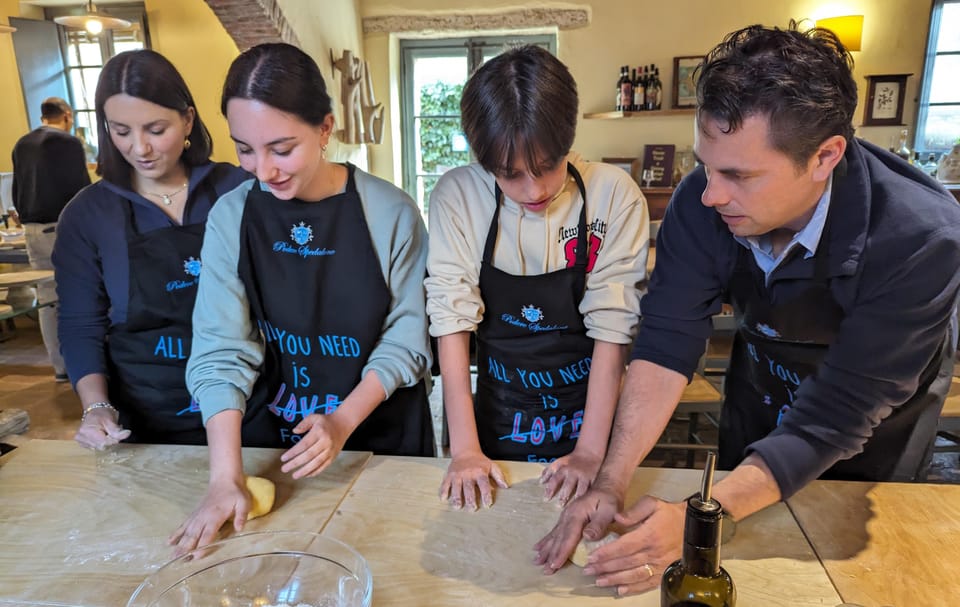
The heart of the experience is making the dough and learning the technique step-by-step. You’re guided by the chef/instructor, and instruction is meant to be accessible even if you don’t speak much Italian. In past classes, staff have even helped with pictures and video of the activity, and some groups received them right away. So you can expect a friendly, “you’re part of this” vibe, not a stiff cooking studio.
A useful mindset: focus on the process rather than the end result. Fresh pasta takes practice, and the goal here is that you leave knowing what to do next time, not that you produce a perfect restaurant noodle on day one.
3) Bread and cantucci as the day’s rhythm settles
After pasta, the class keeps moving into bread and cantucci. This matters because it breaks up the energy. Pasta requires concentration and feel. Bread is more about patience and technique. Cantucci gives you a clear payoff.
4) Communal lunch: you eat your work (often outside)
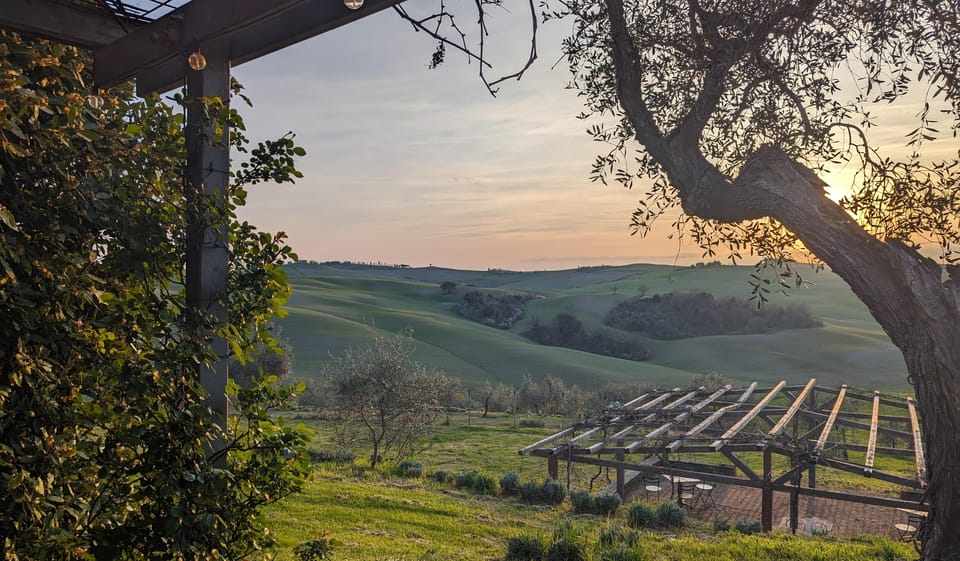
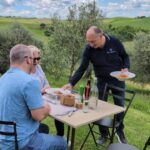
After the lesson, you sit down for lunch made from what you prepared. If weather permits, you’ll dine outdoors with panoramic views over the Val d’Orcia. Otherwise, you eat inside the historic farmhouse dining room, which still keeps the atmosphere rustic and warm.
Two things I like about this setup: first, you don’t have to wonder whether the food will taste good. Second, the lunch is a reward that matches your effort, not a separate catering meal.
Lunch with Val d’Orcia views: what’s included and what you can add
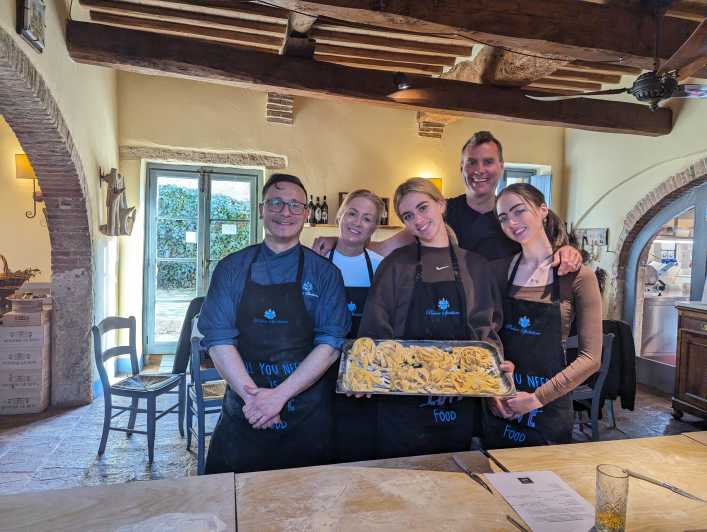
Lunch is included, and it’s built from the items made during the class. That’s a real value point: you’re paying for a lesson and eating a full meal as part of the same experience.
Outdoor vs indoor dining
Outdoor dining is weather-dependent, but it’s a huge part of why people love this setting. When you’re eating with those rolling-hill views, the meal feels more memorable than a typical class lunch.
Indoor dining still has character. The historic farmhouse dining room brings that old-Tuscany feel, so you’re not just stuck inside if the sky doesn’t cooperate.
Optional Fiorentina steak upgrade
If you want to make it extra special, you can add Fiorentina steak as a supplement per person. It’s locally raised, expertly butchered, and grilled. If you’re the kind of eater who wants a “Tuscany signature” moment beyond pasta and cookies, this is the obvious add-on.
Wine and drinks: plan for what’s not included
Food is included, but drinks are not. The class offers optional locally produced natural and mostly organic wines, plus craft beers and sodas.
If you’re trying to control your budget, it helps to know this upfront: your lunch experience won’t automatically include wine. If you want it, you’ll likely pay extra. On the other hand, since you can choose what matches your meal, it’s easier to tailor the day to your style—glass of wine with lunch, or none at all.
Price and value: what $164.26 buys in real life
At $164.26 per person, this isn’t a bargain-basement cooking demo. But it does hit several value levers that many classes miss.
You’re getting:
- A 2.5-hour cooking class (plus dining time)
- A take-home recipe guide
- A souvenir apron
- Lunch made from the dishes you prepare
When you add that up, you’re not just paying for instruction. You’re paying for ingredients, staff time, and a full meal. That pushes it closer to “cooking lesson plus authentic lunch” than “snack and watch.”
Where the cost could feel less worth it is if you only want one bite of Italian cooking. This class gives you a full set of skills—pasta, bread, and cantucci—so it’s most satisfying if you actually enjoy learning and eating.
Also consider that you’ll still want to budget for any wine/beer/sodas if you plan to drink.
Timing, group vibe, and practical tips to enjoy it
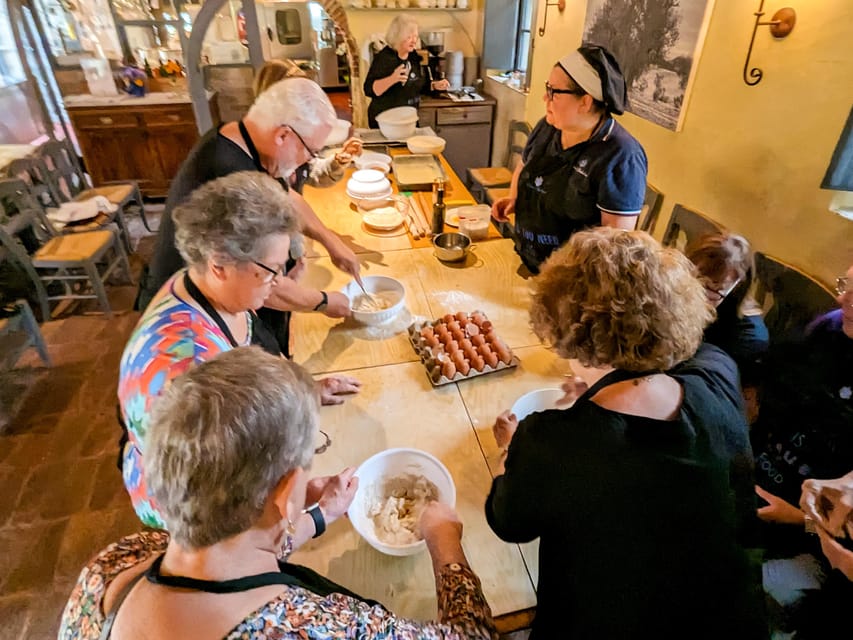
This is a farm experience, which means the day runs like a farm day: practical, relaxed, and occasionally a little slower than a city tour.
Based on one note about the class dragging and starting late, I’d plan like this:
- Keep your next commitment flexible after the class.
- Arrive with a calm, patient mindset.
- If you’re the type who gets stressed by slight delays, this may be better as a standalone half-day plan rather than a slot between trains.
The group energy tends to be social and hands-on. Some people appreciated connecting with others in the class, and staff have been helpful with photos during the activity. If you enjoy meeting fellow food lovers, this is a comfortable setup.
What to wear:
- Wear something you don’t mind getting flour on.
- Plan for comfortable shoes. The property has time for exploring, and you’ll likely be moving between kitchen and dining areas.
Who should book this Pienza cooking class (and who might not)
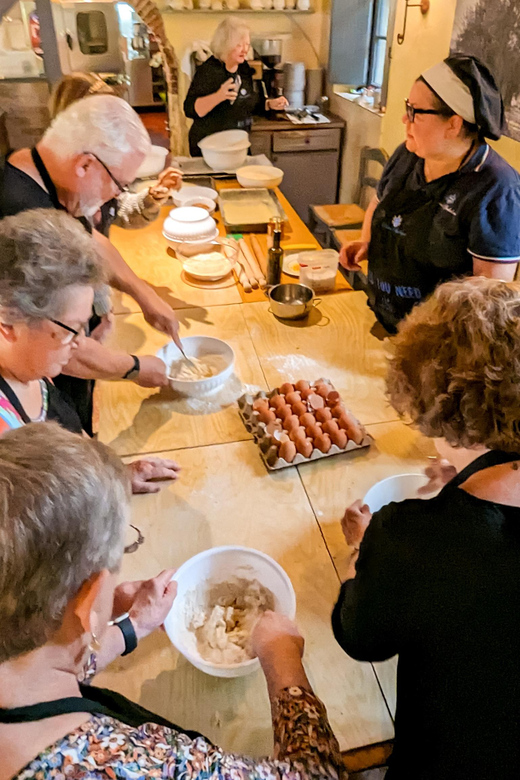
This class fits best if you want an authentic Tuscan meal you can recreate later.
Book it if you:
- Want hands-on cooking (not just a tasting)
- Like learning pasta shapes and techniques
- Enjoy farm-to-table settings with real views
- Want a meal that feels like a complete experience, not a snack
You might reconsider if you:
- Are very time-constrained and need a strict itinerary
- Only care about eating and not learning
- Expect wine to be included automatically
Should you book Podere Spedalone’s pasta and cantucci class?
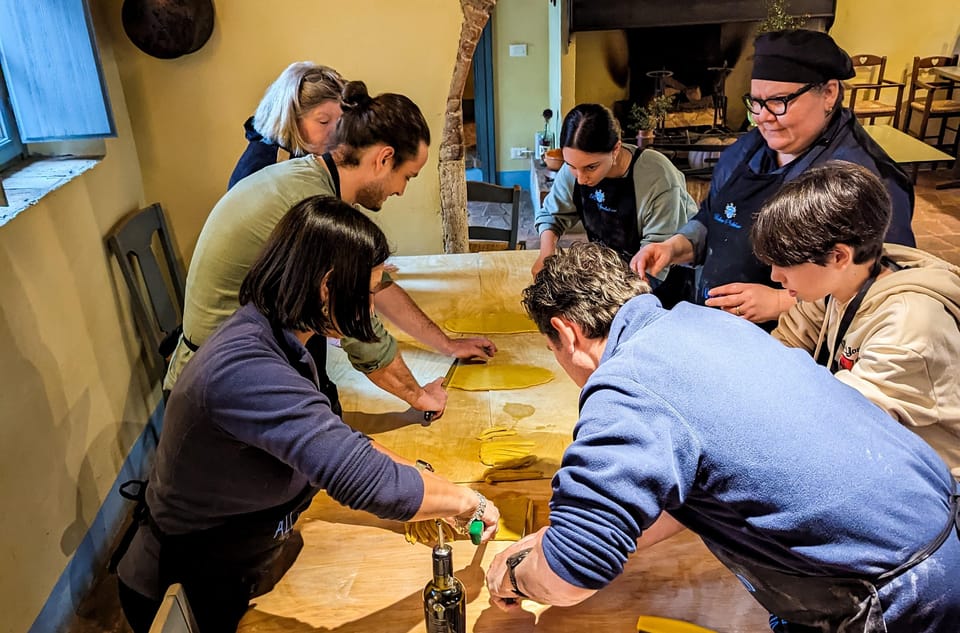
I think it’s a strong choice if your idea of a great Tuscany day includes hands-on food, a real farmhouse atmosphere, and lunch with the Val d’Orcia view. The combination of handmade pasta, bread-making, and cantucci means you leave with skills and results, plus a recipe guide and apron to remind you.
Just go in with the right expectations: it’s a slow-food experience. Plan for a bit of extra time after your class, and if you want drinks, budget for them. If you do that, this is the kind of day that makes Tuscany feel personal.
FAQ
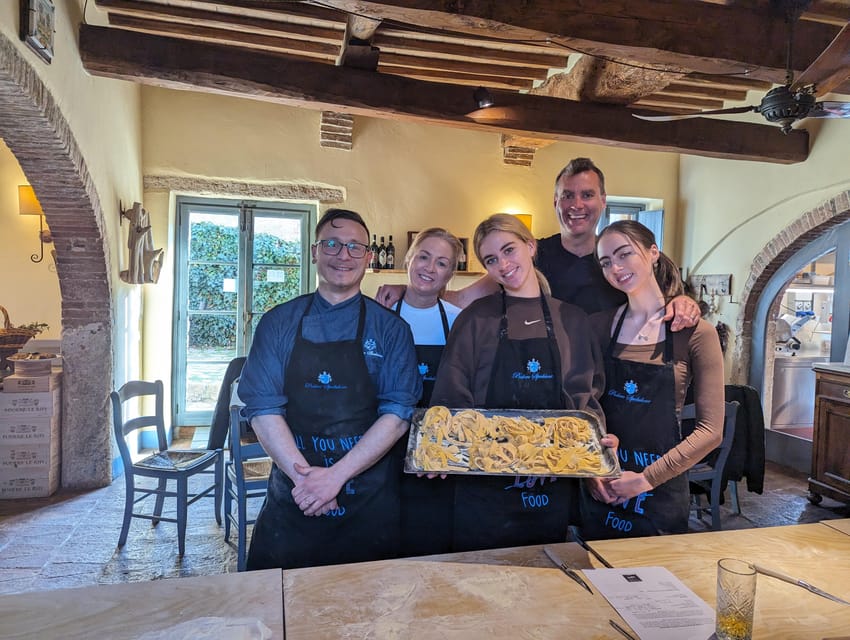
How long is the cooking class, including time to eat?
The cooking lesson runs about 2.5 hours, and you’ll also have a communal lunch afterward.
What dishes will I learn to make?
You’ll make fresh handmade pasta (two types, such as tagliatelle or pappardelle and pici), traditional artisanal bread, and cantucci almond cookies.
What’s included in the price?
Your price includes the cooking class, a take-home recipe guide, a souvenir apron, and lunch consisting of the items you made during the class.
Can I add Fiorentina steak to my lunch?
Yes. Fiorentina steak is available as an optional supplement per person and can be reserved in advance on the booking page.
Are wine or other drinks included?
No. Wine, beer, and other drinks are not included, but you can choose optional local wines, craft beers, and sodas.
Is the class wheelchair accessible, and is it taught in English?
Yes, the experience is wheelchair accessible. The instructor speaks English and Italian.