REVIEW · FLORENCE
Wine Tasting Activity at Chianti Rufina
Book on Viator →Operated by From Florence with wine: the genuine taste of Chianti Rufina · Bookable on Viator
Your Florence day gets smarter with wine. This one-hour Chianti Rufina tasting takes you to a real Tuscan estate with garden welcome, wine-and-oil cellars, and an easy-to-follow flight in English.
I love how the tasting is guided and story-driven, so you’re not just sniffing glasses. I also like the small group size (up to 12), which keeps the whole experience personal and relaxed.
One possible drawback: with only about one hour, it’s more of a focused tasting stop than a long, slow afternoon meal.
Key points to know before you go
- Chianti Rufina focus: learn why this sub-area of Chianti tastes fresher and more serious than you might expect
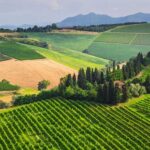
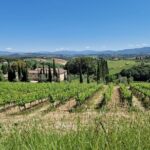
- Estate setting: you start outdoors with the views, then move into the cellars
- Wine + oil cellars: you get context for how wine and olive oil were made as everyday treasures
- Five-wine flight: typically includes rosé and structured reds, plus surprises like Vinsanto in some tastings
- Local snacks included: cold cuts and cheese-style bites support the wines
- Max 12 people: easy pace, time for questions, less rushing
In This Review
- Why Chianti Rufina tastes different than most Tuscany
- Your one-hour flow at the estate (garden, cellars, tasting room)
- 1) The arrival and garden welcome
- 2) The guide portion: story tied to place
- 3) The wine and oil cellars tour
- 4) The tasting room and the food pairing
- Five wines, from rosé to Chianti Rufina reds (and possibly Vinsanto)
- Tuscan whites: brightness first
- Rosé: a bridge between light and serious
- Chianti Rufina reds: power with structure
- Super Tuscan red: the richer end
- Vinsanto (in some tastings): the sweet punctuation
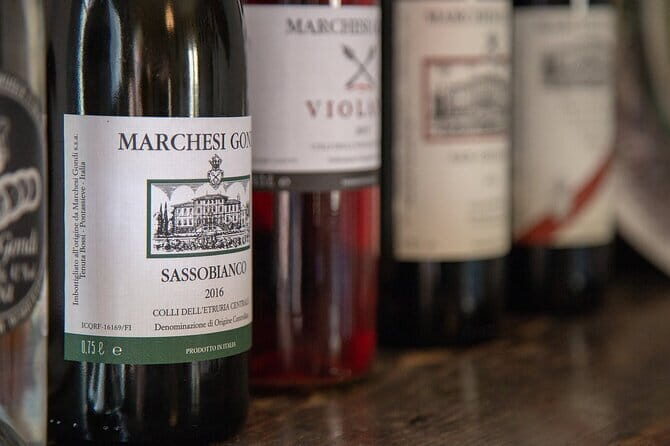
- Meet the Marchesi Gondi story: guides, cellars, and that “mansion” feel
- Why the guide approach works
- The Marchesi Gondi context
- Price and logistics from Florence: what you get for $24.84
- The one logistics point to plan for: transportation
- Small group = better time per person
- Alcohol and age note
- Who this Chianti Rufina tasting is best for
- My quick booking checklist (so you feel ready)
- Should you book this one-hour Chianti Rufina tasting?
- FAQ
- How long is the Chianti Rufina wine tasting?
- Where is the meeting point in the Florence area?
- What language is the tour offered in?
- What’s included in the price?
- Is private transportation included?
- How many people are in the group?
- Is there free cancellation?
- Is the wine tasting suitable for minors?
Why Chianti Rufina tastes different than most Tuscany
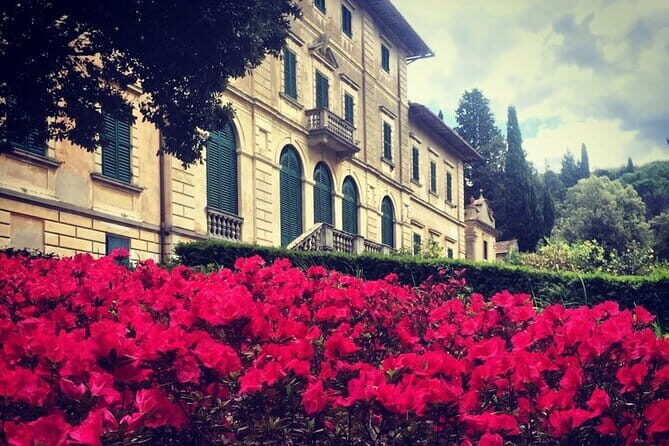
If you’ve ever had good wine in Tuscany, you know it can go two ways: either it’s friendly and simple, or it’s intense and a bit intimidating. Chianti Rufina lands in a sweet spot. It’s a smaller zone within the bigger Chianti world, and that shows in the glass.
Here’s the practical idea I like: the wines tend to feel fresh rather than heavy. Even when you move into the deeper red styles, the flavors often stay lifted. In this tasting, you’ll get a mix that covers the range—Tuscan whites for brightness, Chianti Rufina reds for power, and even a Super Tuscan style red component (the “bigger” cousins many people hunt for when they’re ready to step up).
And because this is only about an hour, you’re not trying to become a wine expert. You’re learning how these wines speak in different registers—fragrant, then structured, then complex—without getting lost in jargon.
Your one-hour flow at the estate (garden, cellars, tasting room)
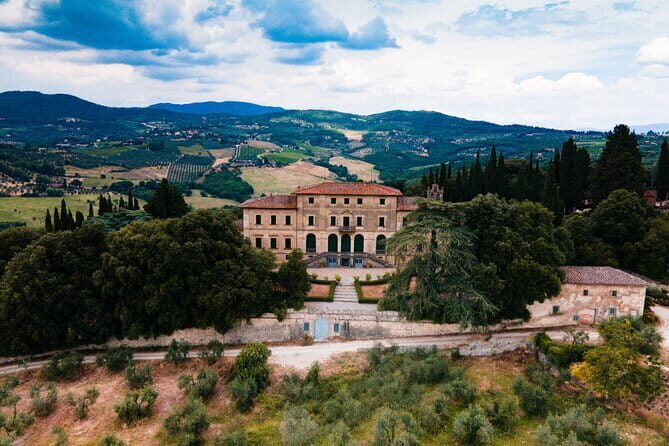
The schedule is short, so the rhythm matters. This experience is designed like a mini story arc: arrive, set the scene, visit the working spaces, then taste.
Other Chianti wine tours we've reviewed in Florence

1) The arrival and garden welcome
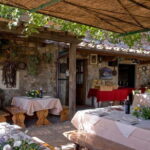
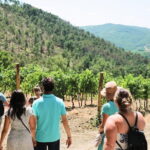
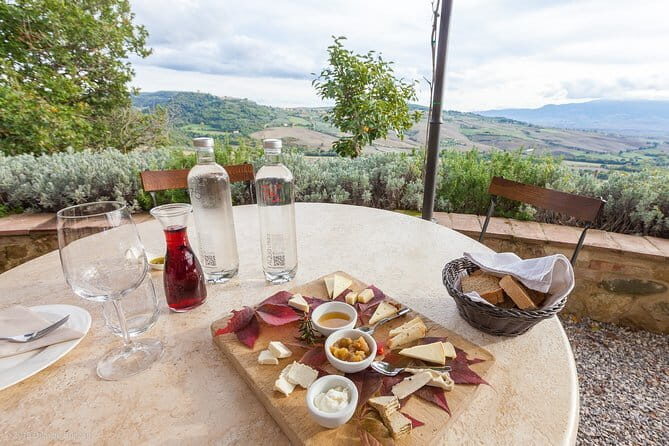
You start at Via dello Stracchino 32, 50065 Pontassieve (FI), and you end right back at the same meeting point. When you get to the estate area, expect a warm welcome and time to settle before you start tasting. In one tasting format, people are guided to sit in the garden facing the estate—right where the view does some of the work for you.
This is one reason I like this tour: it gives you a mental shift away from Florence. Instead of rushing straight into wine, you get a minute to slow down and look out at the countryside.
2) The guide portion: story tied to place
Then the guide explains what you’re seeing and tasting. In the versions I’ve seen described, Giacomo (their Hospitality Manager) leads the narrative, connecting the Marchesi Gondi story to the wine-making tradition. You’ll hear how the family and the estate became part of the Chianti Rufina identity—and how that history shows up in cellar practices.
It’s not just dates and names. The best part is that the story is tied back to what you’ll taste next. That keeps it useful.
3) The wine and oil cellars tour
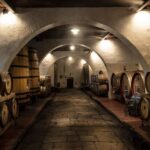
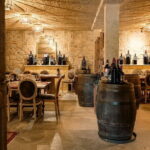
Next comes the cellar walk. You’ll visit both wine and oil cellars. This matters more than it sounds. Wine in Tuscany isn’t a single-ingredient product. It sits inside a full agricultural rhythm, where oil was just as precious. Touring the oil spaces gives you context for why the atmosphere in these places feels the way it does—cool, quiet, and built for storage and patience.
You’ll also pick up the kind of sensory details that make a tasting room later feel more grounded—like how cellar aromas can bring back the idea of wine as something made for real life, not just for tourists.
4) The tasting room and the food pairing
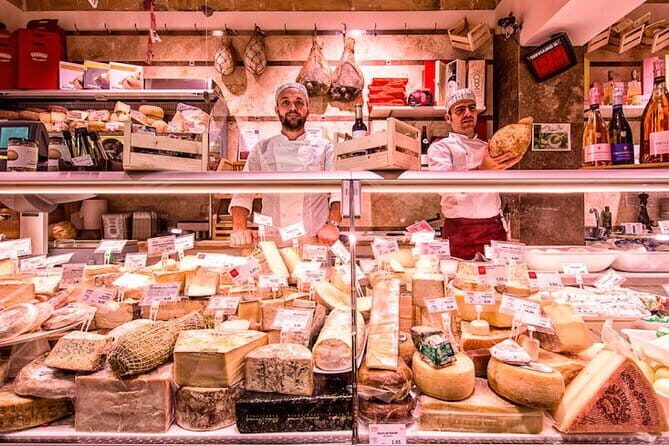
Finally, you get to the tasting room. Food is part of the plan: snacks are included, described as a platter with local cold cuts and cheeses.
That’s a small thing with big impact. Wine flights can start to blur if you’re drinking on an empty mouth. The included bites give you texture and salt, which helps the wines read clearly.
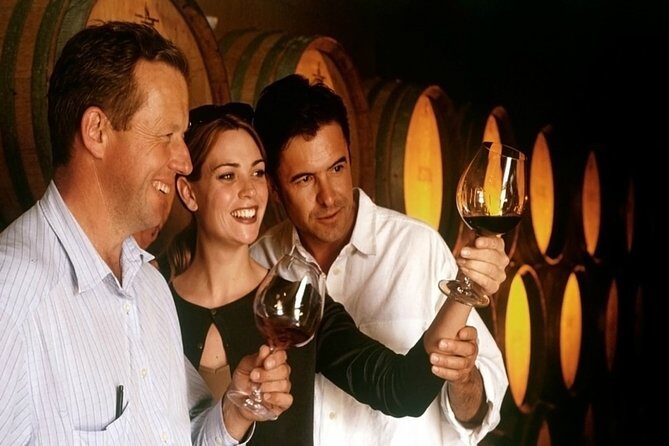
The tasting itself is typically a five-wine flight. One person highlights a range from fresh rosé into more structured, intense reds. Another mention that Vinsanto 2010 can be part of the experience—dessert-style, sweet, and often memorable when it appears.
Other wine tasting experiences in Florence


Five wines, from rosé to Chianti Rufina reds (and possibly Vinsanto)
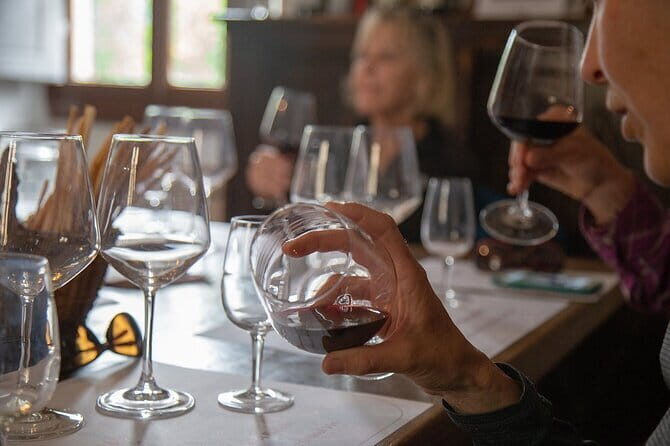
Even though the exact list can vary, the goal is consistent: you taste the spectrum of what Chianti Rufina does best.
Tuscan whites: brightness first
Starting with something white helps you reset your palate. You get freshness—think crisp, fragrant, not heavy. It’s a great entry point if you’re new to Italian wine, because it gives you an easy baseline for what “clean and lively” tastes like in this area.
Rosé: a bridge between light and serious
Many tastings in this style include rosé. A good rosé is like a bridge wine. It still feels approachable, but it prepares you for the more structured reds to come. In one tasting description, the rosé is called fresh and fragrant, which is exactly what you want as a warm-up.
Chianti Rufina reds: power with structure
Then you move into Chianti Rufina reds. This is the “main character” phase. The red styles tend to come with power and structure rather than just fruit. Expect wines that feel layered—more than one note at a time—especially if the flight includes both lighter and more intense options.
The best sign you’re in the right place is when the guide talks about what you’re tasting in plain language. You should finish this portion feeling like you can tell the difference between a wine that’s simply fruity and one that has shape.
Super Tuscan red: the richer end
The overview mentions a Super Tuscan red wine component. That usually means you’re tasting something with more depth, more weight, and a more complex finish than a basic Chianti style. It’s a useful step if you’ve already liked Chianti but want to understand how Tuscany levels up.
Vinsanto (in some tastings): the sweet punctuation
In at least one described experience, the highlight is Vinsanto 2010—a sweet wine often associated with aging and slow concentration. If it appears in your flight, treat it like dessert in miniature. It’s not trying to replace your meal; it’s meant to end the tasting on a note that feels both rich and thoughtful.
Meet the Marchesi Gondi story: guides, cellars, and that “mansion” feel
The vibe of this estate stands out. One person described it as a Bridgerton-style mansion. Even if you’re not hunting for that exact vibe, you can expect an estate that feels old-world and intentional—stone, gardens, and a sense that the property has a life beyond the tasting room.
The important part for me isn’t the Instagram value. It’s that the setting helps the tasting make sense.
Why the guide approach works
The guide is key here. In the descriptions I’ve seen, the Hospitality Manager Giacomo is both competent and patient, and the experience is full of anecdotes. Another person credited Marco specifically, noting the tour is well thought out and that the cellar and tasting route feel professional.
Here’s why that matters for you: if the guide explains the story and points you to what to notice in the glass, you leave with actual learning—not just souvenirs and photos.
The Marchesi Gondi context
The Marchesi Gondi name comes up repeatedly. You’re not only tasting wine; you’re learning how this family’s identity is tied to the land and how the cellar environment supports their approach.
That’s what makes this type of tasting feel different from a generic “sip five wines and move on” situation. It turns wine tasting into a place-based experience.
Price and logistics from Florence: what you get for $24.84
Let’s talk value honestly.
At $24.84 per person for about one hour, you’re not paying for a long meal or private chauffeured transport. You are paying for access to a working estate experience: alcoholic beverages + snacks, guided tasting, and a cellar visit.
That’s solid value if you compare it to what it costs to do wine tasting the “classic” way—whether that’s a driver, a full-day tour, or a venue that doesn’t include food. Here, the basics are included, and the duration keeps the price controlled.
The one logistics point to plan for: transportation
Private transportation isn’t included. The start point is Via dello Stracchino 32, 50065 Pontassieve. The good news: it’s near public transportation. So you don’t have to build the day around a taxi, but you do need to get yourself there on time.
Practical tip: aim to arrive early. With a start meeting point and a short tour length, being five minutes late can steal time from what matters—cellar tour and tasting.
Small group = better time per person
The group size cap is 12 travelers. In a group that small, you typically get:
- a calmer pacing
- more chances to ask what the guide means
- less waiting for the next pour
For first-timers, that’s helpful. For experienced wine lovers, it can be a way to get a clearer explanation of the styles you’re seeing.
Alcohol and age note
Since alcoholic drinks are only suitable for ages 18+, keep that in mind if you’re traveling with a mixed-age group. If you’re drinking, plan on being comfortable taking your time with the tasting steps. Also, if you’re the type who gets asked for ID in other situations, it’s smart to be ready.
Who this Chianti Rufina tasting is best for
This is a strong fit if you want a Tuscany experience that feels real but doesn’t require a full day away from Florence.
You’ll especially like it if:
- you want a beginner-friendly wine intro that still teaches real differences between styles
- you prefer small groups and guided pacing
- you’re into place details: cellars, oil rooms, and estate storytelling
- you want to taste multiple wine styles in a short window
It may not be the best match if:
- you want a long, sit-down lunch experience with lots of time at the table
- you’re looking for a private driver or a destination-day itinerary with more stops
The good news: even in a tight schedule, the estate-style format gives you that “this is where wine comes from” feeling.
My quick booking checklist (so you feel ready)
Here’s what I’d do before booking this kind of tasting:
- Plan your timing around a one-hour format. The tour ends where it starts, so you’ll want a clean way back to your next plan.
- Bring questions. The guide’s job is easier when you know what you want to understand—dry vs. sweet, why rosé matters, what makes a Chianti Rufina red feel different.
- Don’t skip the snacks. It helps you taste better and makes the final pours more enjoyable.
- If you’re interested in taking wine home, ask about options. One description mentions wine ordering and shipping to your home at competitive prices—so it’s possible this is part of the experience at least sometimes.
Should you book this one-hour Chianti Rufina tasting?
If you want a high-value wine experience with real estate access and a guided tasting, I’d book it. The price-to-content ratio is strong: cellars, guided flight, and snacks all included.
This is also a good choice when you’re short on time but you still want more than a quick tasting bar. The estate setting, the wine-and-oil cellar visit, and the fact that the guide connects the story to what’s in your glass make it feel grounded.
If your ideal day is slow dining with lots of extra sightseeing, you might want something longer. But for a tight Florence visit, this hits a very practical sweet spot.
FAQ
How long is the Chianti Rufina wine tasting?
It’s about 1 hour (approx.).
Where is the meeting point in the Florence area?
The start point is Via dello Stracchino, 32, 50065 Pontassieve FI, Italy, and the activity ends back at the meeting point.
What language is the tour offered in?
The tasting is offered in English.
What’s included in the price?
Alcoholic beverages and snacks are included.
Is private transportation included?
No, private transportation is not included.
How many people are in the group?
The maximum group size is 12 travelers.
Is there free cancellation?
Yes. You can cancel for a full refund up to 24 hours in advance.
Is the wine tasting suitable for minors?
Alcoholic drinks are only suitable for ages 18 years and up.
You Might Also Enjoy
More Tour Reviews in Florence
- Tuscany Day Trip from Florence: Siena, San Gimignano, Pisa and Lunch at a Winery
★ 5.0 · 21,634 reviews - Cooking Class and Lunch at a Tuscan Farmhouse with Local Market Tour from Florence
★ 5.0 · 4,831 reviews