REVIEW · SIENA
Chianti: Wine and Olive Oil Tasting with Cellar Tour
Book on GetYourGuide →Operated by Fattoria Santo Stefano · Bookable on GetYourGuide
Wine and oil, straight from the source. This Chianti wine and olive oil tasting takes you inside Fattoria Santo Stefano in Greve in Chianti, where you see how the flavors start before you taste them. I love that the tour walks you through the process in plain, real steps: fermentation tanks, barrel aging, and where the olive oil is stored right after harvest and pressing.
I also love the short, focused format of this cellar tour plus tasting, which means you spend your time where it counts and leave with a better sense of why local Chianti styles taste the way they do. One possible drawback: since it’s only about an hour, you won’t get a long, slow wander through everything on the property—so come with a bit of enthusiasm, not a need for hours of extra touring.
In This Review
- Key highlights worth your attention
- A Farmhouse Setting You Can Actually Taste
- Meeting at Fattoria Santo Stefano (and Getting Set Up Fast)
- The Big Cellar: How Chianti Starts in Stainless Steel and Cement
- The Small 18th-Century Cellar: French Oak and Six Months of Aging
- Vinsanto and the Idea of Separate Winemaking Paths
- Orciaia Time: Where Olive Oil Gets Stored Right After Pressing
- The Tasting: Local Wines, Extra-Virgin Olive Oil, and Food Pairings
- Price and Time: Is $39.86 Good Value for a One-Hour Tour?
- Practical Tips Before You Go
- Who Should Book This Chianti Wine and Olive Oil Tour?
- Should You Book? My Bottom Line
- FAQ
- How long is the Chianti wine and olive oil tasting with cellar tour?
- Where is the meeting point for the tour?
- How much does this experience cost?
- What is included in the price?
- Is transportation included?
- Is this a private group tour?
- What languages are the guides available in?
- What do I get to taste during the tour?
- What cellar details will I see related to Chianti and Vinsanto?
- Can I cancel and get a refund?
- What should I wear?
Key highlights worth your attention
- Fermentation firsthand: You’ll see stainless steel and cement tanks used for Chianti fermentation.
- An 18th-century barrel room: French oak barrels used for a six-month aging period for Chianti transfer.
- Vinsanto context: You’ll spot small barrels used for the dessert wine Vinsanto.
- Orciaia olive oil storage: Extra-virgin olive oil is stocked right after harvest and pressing.
- Tasting with food: Wine and extra-virgin olive oil tasting comes with local food pairings.
- Private group feel: The format is private, so questions and pacing feel easier.
A Farmhouse Setting You Can Actually Taste
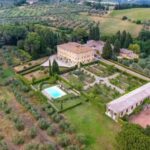
This tour is built around one simple idea: don’t just drink Chianti—understand where it comes from. You start at Fattoria Santo Stefano in the Greve in Chianti area of Tuscany, and you’re immediately in the right frame of mind. The farmhouse setting isn’t just pretty scenery. It’s part of how production happens day to day.
What makes this experience practical is that you’re not stuck in a lecture. You move through the property and the production spaces in a logical order. First fermentation, then aging, then the olive oil storage stage, and finally the tasting.
At $39.86 per person for about one hour, you’re paying for guided access to working cellar spaces and a tasting that actually ties to what you just saw.
Other Chianti wine tours we've reviewed in Siena

Meeting at Fattoria Santo Stefano (and Getting Set Up Fast)
You meet at Fattoria Santo Stefano, Via Collegalle 3, 50022 Greve in Chianti. The tour ends back at the meeting point, so you’re not worrying about a complicated drop-off or hunting for the group later.
This matters because the whole experience is timed to stay tight: plan for a calm arrival, not a rushed sprint from the parking spot. If you’re coming from elsewhere in the Chianti region, transportation can be an add-on since it’s not included. That’s worth factoring in when you’re trying to match the tour start time to your day.
Also, the tour runs with a live guide in English and Italian, and it’s a private group format. Translation: you’re not sharing the conversation with a big crowd, and you can ask the obvious questions without feeling like you’re interrupting.
The Big Cellar: How Chianti Starts in Stainless Steel and Cement
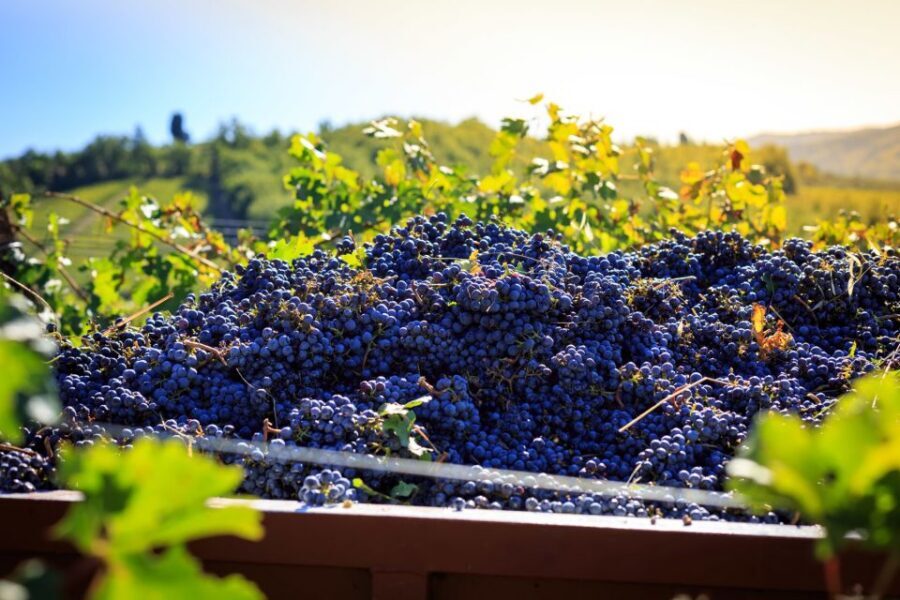
Your visit begins with an introduction to the farmhouse grounds and its role in local food and wine production. Then you step into the main wine cellar area, where you’ll see the stainless steel and cement tanks used for Chianti fermentation.
Why I like this stop: it gives you a baseline. Fermentation is where flavor direction starts. When you see the tanks, the tasting makes more sense later, because you can connect what you’re tasting to what happened before the wine even got to the barrels.
It’s also a quick way to separate wine myth from wine reality. You get the sense that the cellar is not a museum display. It’s a working system, with real equipment doing real jobs.
A practical note: cellars can be cool. Wear layers that don’t fight with your comfort. And yes, wear comfortable shoes, since you’ll be moving through cellar spaces and around the property.
The Small 18th-Century Cellar: French Oak and Six Months of Aging
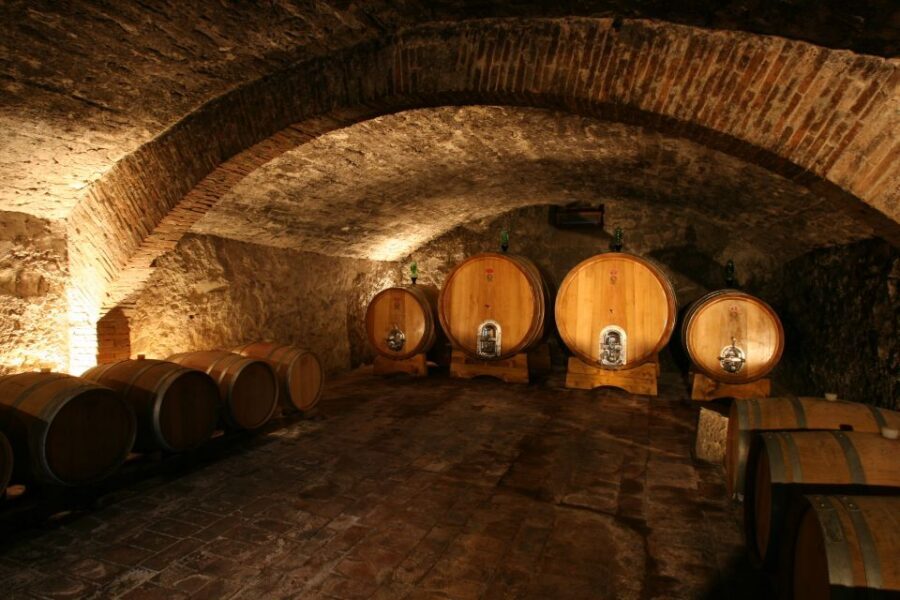
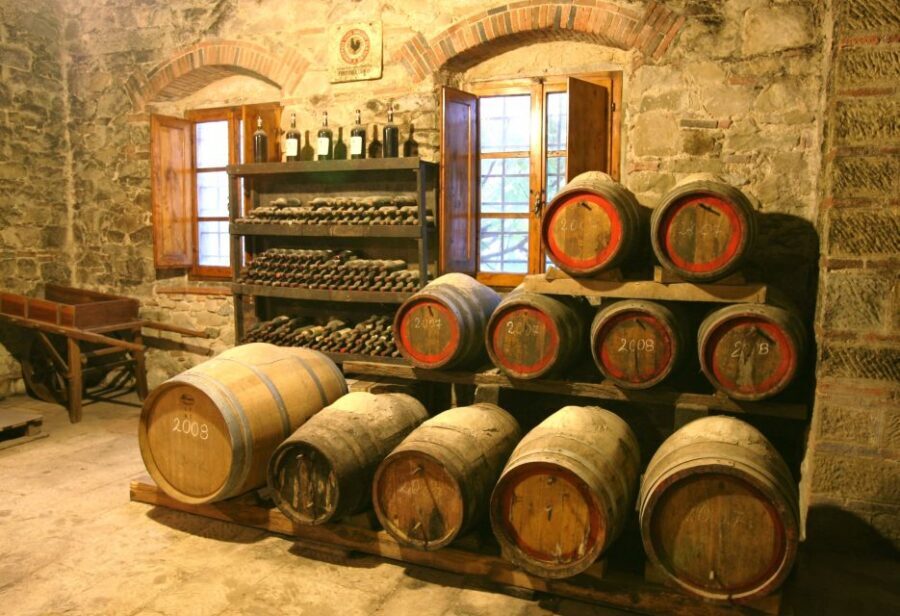
Next you move to the small, rustic cellar dating back to the 18th century. This is where things get especially specific. You’ll see the large barrels of French oak where the wine is transferred and stays for six months to develop its flavors.
This part is valuable because it turns “barrel aging” from a vague phrase into a real process you can picture. French oak barrels don’t just add taste. They shape texture and carry aromas over time. The six-month window is also a helpful anchor when you’re tasting later, because you can think in phases: fermentation first, then aging.
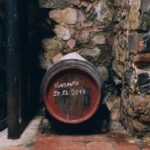
In the same cellar you’ll also find small barrels used for producing Vinsanto. Vinsanto is an amber-colored local dessert wine, and seeing the equipment gives you context for what makes it different from standard table wines.
If you care about the logic of wine, this is the part that clicks. You stop wondering and start understanding.
Vinsanto and the Idea of Separate Winemaking Paths
A lot of people focus only on Chianti. This tour gently corrects that mindset by showing you that the same estate environment can support different styles. You’ll be shown the smaller Vinsanto barrels right there in the cellar space.
Even if you’re not a dessert-wine person, it’s worth knowing that Vinsanto has a different role in local culture and taste. The tour’s approach is simple: you see the barrels, then you taste what they’re meant to produce.
If you do like sweet or dessert-style wines, this stop sets up your palate for it. If you don’t, it still helps you become a better taster, because you learn to notice the difference between styles rather than trying to force everything into one category.

Orciaia Time: Where Olive Oil Gets Stored Right After Pressing
After the wine cellar stops, you shift gears to olive oil. You’ll see the farmhouse’s Orciaia, where extra-virgin olive oil is stocked directly after harvesting and pressing.
This is one of those practical details that changes how you think about olive oil. Fresh oil isn’t just a grocery product. It’s a process with timing. When you understand that the oil is stored right after pressing, you stop expecting it to taste like something that has been sitting in a warehouse forever.
You’ll likely make more sense of the tasting too. Olive oil tasting isn’t only about flavor. It’s about freshness and the way olive varieties and processing affect what you taste in the cup.
And because you’re in the same place where the wine production happens, you get a sense of how intertwined local food production is in Tuscany.
The Tasting: Local Wines, Extra-Virgin Olive Oil, and Food Pairings
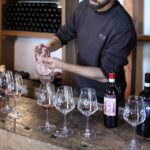
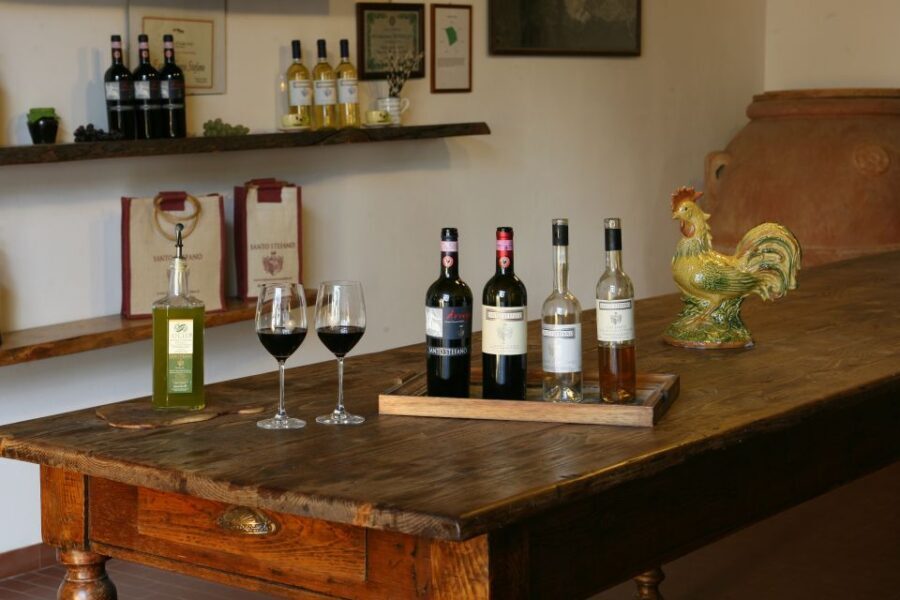
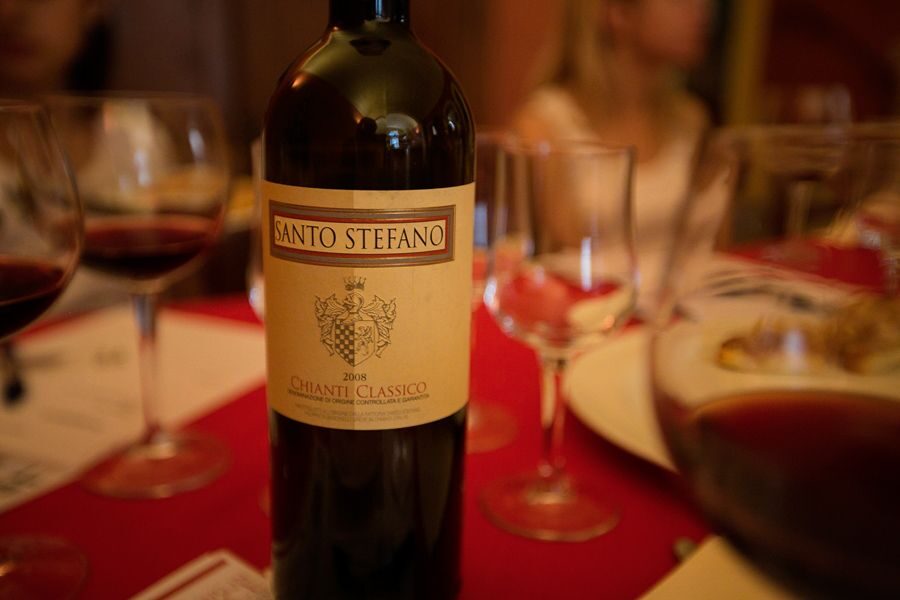
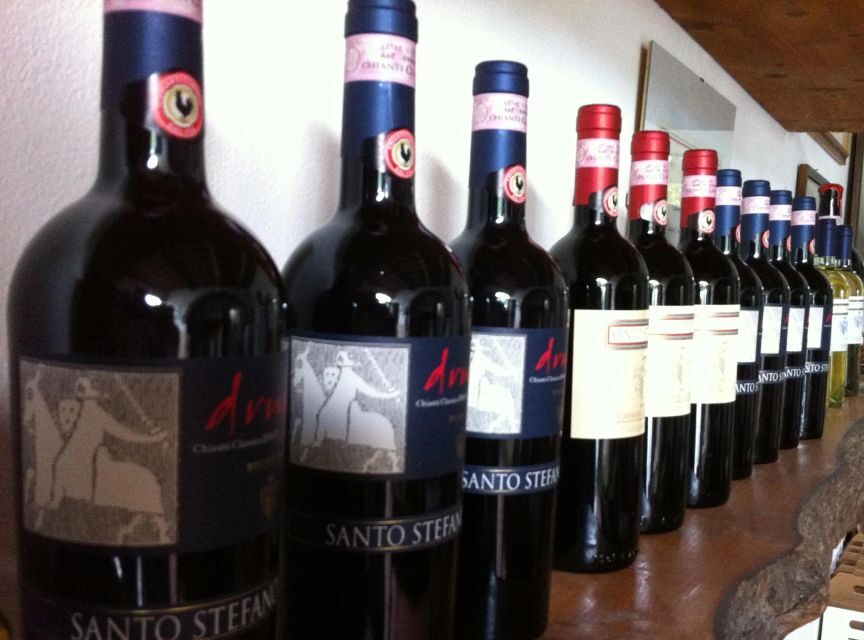
The tour ends back in the small wine shop with a tasting of local wine varieties and extra-virgin olive oil, plus local food.
This is the payoff, but it’s also where you get the most value from the earlier steps. If you pay attention during the cellar portion, the tasting becomes more than sampling. You start making connections like: fermentation setup leads to certain base characteristics, aging affects roundness and aroma, and oil freshness shows up in the taste immediately.
The reviews people share around this stop tend to emphasize two things: the tasting portion feels generous, and the food pairing makes it easier to enjoy everything without drinking on an empty stomach. I like that approach because it keeps the tasting fun and grounded. You’re not just chasing alcohol.
Also, the tasting is built to be approachable. You don’t need to be a wine expert to get something out of it. If you’re curious, the guide can help you pick up the differences as you go.
Price and Time: Is $39.86 Good Value for a One-Hour Tour?
Let’s talk value, because wine tours can range from fun to overpriced fast.
Here’s what you’re getting for $39.86 per person in about one hour:
- Cellar tour access (including fermentation tanks and two cellar areas tied to aging and Vinsanto production)
- A wine tasting
- Tasting of extra-virgin olive oil
- Local food served with the tasting
- A live guide in English or Italian
- A private group experience
- Skip the ticket line, so you’re not losing time
For a one-hour experience, the key value is time efficiency. You aren’t spending half a day traveling between sites or sitting through a long talk without production context. You’re seeing the equipment, moving through the spaces, then tasting with the guide.
The only reason the price might feel high is if you truly only want casual sips and don’t care about cellar context. But if you enjoy understanding what you’re tasting—this one is aimed directly at you.
Practical Tips Before You Go
This is the kind of tour where a few simple choices make a difference.
- Wear comfortable shoes. That’s not about fashion. It’s about moving through cellar and property areas.
- Plan for a full tasting moment. Even though it’s only one hour, you’ll be tasting wine and olive oil and eating local food.
- Come prepared for cool cellar air. If you run hot, you can still wear a light layer.
- If you need transport, plan ahead. Transportation isn’t included, though it may be bookable as an add-on.
And here’s a small strategy I recommend: after the tasting, if you have time and the property feels open for strolling, take a slow walk around the grounds. The farmhouse setting is part of what makes the experience feel real.
Who Should Book This Chianti Wine and Olive Oil Tour?
I’d book this if you want something more honest than a generic tasting room stop. This tour is for you if you like:
- Hands-on production context, not just a flight of wine
- Learning what French oak aging means in practice
- Seeing the connection between wine and olive oil on a real Tuscan farmhouse estate
- A private group feel where the guide can explain at your pace
I might suggest looking elsewhere if you want a long, open-ended tasting session that stretches for hours. This is designed to be tight and specific, and it succeeds at that.
It’s also a good fit for couples, small groups of friends, and anyone doing a Chianti day who wants a meaningful stop without turning the day into a logistics puzzle.
Should You Book? My Bottom Line
I think this is a strong booking choice if you’re in the Greve in Chianti area and you want to understand the flavors you’ll taste. The best reason to book is simple: the tasting is supported by what you see in the cellar, from fermentation tanks to the French oak barrels and even the equipment linked to Vinsanto. Add in the extra-virgin olive oil stop at the Orciaia, and you get a balanced, Tuscany-style food-and-drink experience.
If you want wine tourism that feels grounded in how production actually works, this one earns its place. Book it and show up ready to look closely and taste slowly.
FAQ
How long is the Chianti wine and olive oil tasting with cellar tour?
It lasts about 1 hour.
Where is the meeting point for the tour?
The tour starts at Fattoria Santo Stefano, Via Collegalle 3, 50022 Greve in Chianti, and it ends back at the meeting point.
How much does this experience cost?
The price is $39.86 per person.
What is included in the price?
The experience includes the cellar tour and a wine tasting.
Is transportation included?
No. Transportation is not included, but it may be bookable as an add-on.
Is this a private group tour?
Yes, it’s listed as a private group.
What languages are the guides available in?
The live tour guide speaks English and Italian.
What do I get to taste during the tour?
You’ll taste local wine varieties and extra-virgin olive oil, along with local food.
What cellar details will I see related to Chianti and Vinsanto?
You’ll visit fermentation areas with stainless steel and cement tanks, then a small 18th-century cellar with French oak barrels used for six months of aging. You’ll also see small barrels used for producing Vinsanto, an amber-colored dessert wine.
Can I cancel and get a refund?
Yes. Free cancellation is available up to 24 hours in advance for a full refund.
What should I wear?
Wear comfortable shoes for the tour.