Chianti in five hours beats planning solo. From Siena, this small-group tour strings together two contrasting wineries with charming village stops and big views over the Tuscan hills. I like that you get real tasting time (not just a sip and run), and I also like that the format mixes wine with wander time in places like Monteriggioni.
You’ll be guided in English, usually by a host with a lively teaching style. Guides you may encounter include Luca or Valeska, and the best part is how they connect the wines to what’s happening in the region and on the farm.
One drawback to plan for: if you get motion sick or the van air-conditioning isn’t working as expected, the curvy roads and long drives can get uncomfortable.
In This Review
- Key Things to Know Before You Go
- Siena to Chianti: What the 5 Hours Feels Like
- Entering Chianti Country: Minivan Ride, Meeting Point, and Motion-Sickness Reality
- Castellina in Chianti: Your 60 Minutes to Stretch Your Legs
- Fattoria Lornano: Family-Run Winery Time and a Tasting With Snacks
- Strada Statale 222 Chiantigiana: Second Winery, Olive Oil, and Local Products
- Monteriggioni: Walled Town Views and a Castle Question
- Why the Two-Winery Format Works for Wine Lovers
- Wine, Snacks, and What You’ll Actually Be Eating
- Group Size and the Small-Group Promise: What It Means in Real Life
- Comfort and Timing: The Stuff That Can Make or Break the Day
- Who Should Book This Tour (and Who Might Prefer Something Else)
- Tips to Make the Most of Your Chianti Day
- Should You Book Hidden Castles & Chianti Wine Experience?
- FAQ
- How long is the Hidden Castles & Chianti Wine Experience?
- What is the price per person?
- Where does the tour start and end?
- Do you get hotel pickup and drop-off?
- Is the tour offered in English?
- How many wineries do you visit?
- What food and drink is included?
- How many wines are included in total?
- Is the group size small?
- Do I need to be able to climb stairs?
- What happens if the tour needs to cancel due to low demand?
Key Things to Know Before You Go
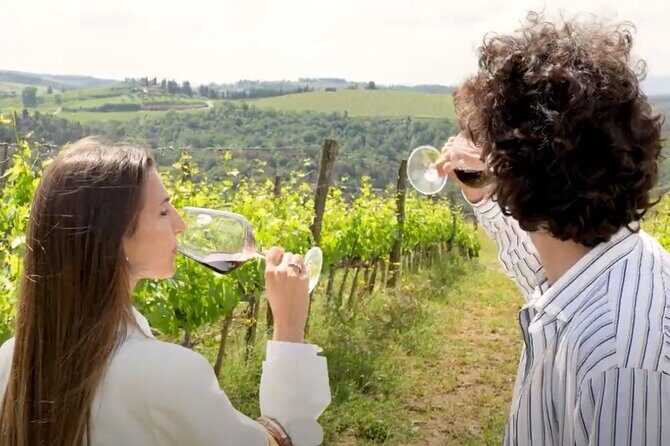
- Two tastings, seven wines total: enough variety to compare styles across the day
- Real food pairing: bruschette, bread, olive oil, and local bites with the pours
- Walled-village time: free time in Monteriggioni for photos and easy exploring
- Small-group feel with real-world logistics: max 15, but wineries can still host other tour groups
- Bring comfy shoes: you may climb and descend stairs at stops and during walking breaks
- Curvy-road day: pack motion-sickness help if you’re prone
Siena to Chianti: What the 5 Hours Feels Like
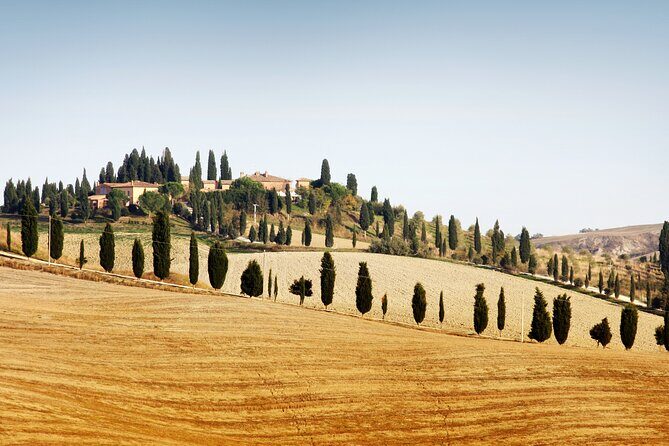
This tour is built for people who want a day in Chianti without stress. You start in Siena, ride out through the countryside in an air-conditioned minivan or minibus, then come back after a full afternoon of tastings and town time. It runs about 5 hours, so it’s long enough to feel like you really left the city behind, but not so long that you lose the evening.
The meeting point is Siena Station Ferrovia, and you’ll recognize staff by their green shirts. The day is designed around a guided schedule, but you still get breathing room at village stops to walk, grab a coffee, and take photos.
Practical note: the tour materials say hotel pickup and drop-off can be part of the experience. Even so, the safest move is to plan on being able to reach Siena station smoothly that day.
Other Chianti wine tours we've reviewed in Siena
Entering Chianti Country: Minivan Ride, Meeting Point, and Motion-Sickness Reality
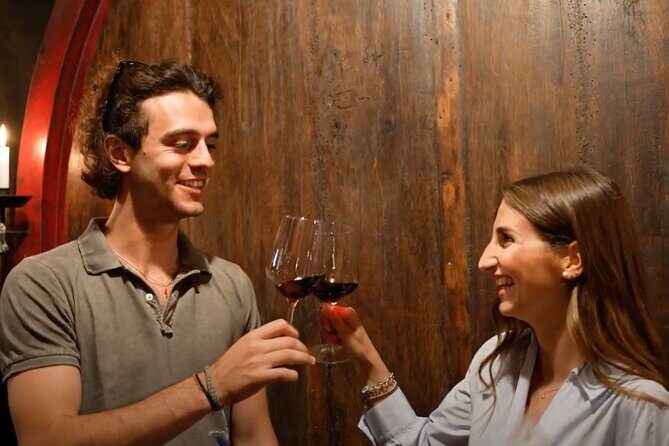
After you meet the team, you hop into a vehicle driven by a guide/driver-guide. You’ll travel as a small group (the maximum size is 15), which usually means less waiting and more chances for questions while you roll through the hills.
The roads are curvy and bumpy, and that’s not a minor detail in Tuscany. If you’re even slightly sensitive to motion, I’d bring your own remedy. One traveler flagged that the roads can be rough enough to matter, and that lines up with how Chianti drives usually feel: lots of turns, slow ascents, and quick changes in elevation.
Comfort tip: pack a light layer. Even if it’s warm outside, vans can swing between chilly and stuffy, depending on the day.
Castellina in Chianti: Your 60 Minutes to Stretch Your Legs
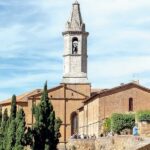
Between the two winery stops, you get time in Castellina in Chianti. The schedule gives you about 1 hour to wander this picturesque hilltop setting, which is a nice break after sitting in the vehicle.
This is the kind of stop where you can choose your vibe. You can do a relaxed walk around the village lanes, or you can treat it like a coffee break stop and just enjoy the atmosphere. If you want photos, aim to find a spot that looks over the vineyards before the second tasting starts.
Because this time is free and not tightly scripted, you’ll get more out of it if you arrive with one simple goal: take a short loop, then slow down. That’s how you avoid turning the stop into a rushed checklist.
Fattoria Lornano: Family-Run Winery Time and a Tasting With Snacks
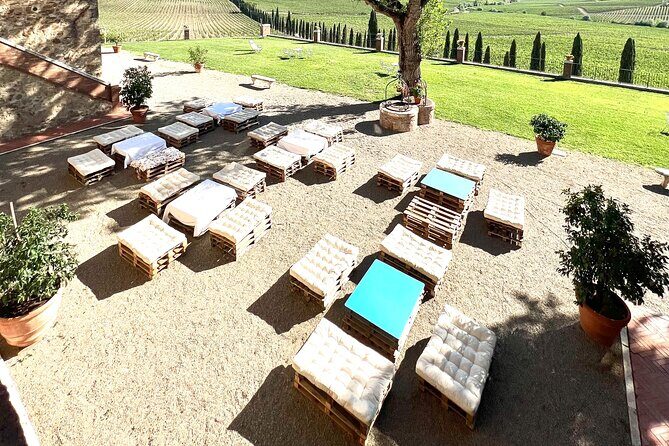
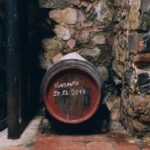
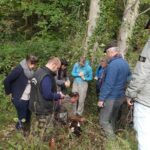
One of the highlights is a visit to Fattoria Lornano, a family-run winery in the Chianti region. You’ll spend about 1 hour 30 minutes here, and the experience isn’t just about drinking—it’s about seeing how winemaking connects to the place.
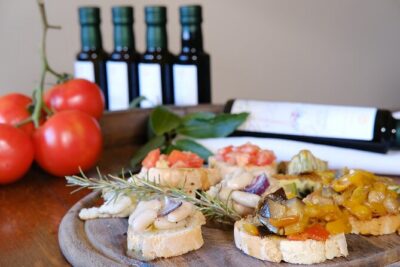
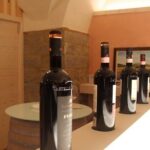
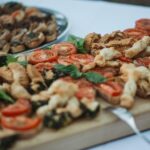
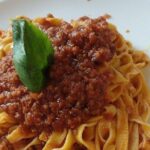
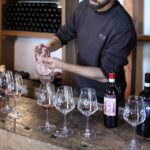
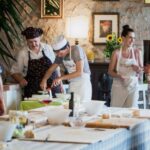
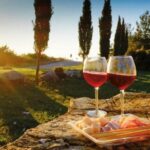
Expect a guided visit that takes you into the winery area and cellars, plus explanations of what makes the wines they serve. Tastings here come with food: bruschette, bread, and olive oil. It’s a smart pairing because it keeps your palate from feeling overwhelmed by wine alone.
The tasting format often includes multiple varieties—one review mentioned enjoying wines like Merlot and Cabernet Sauvignon as part of the overall selection. Even if the exact pours shift by season, the tour’s structure is consistent: you’re tasting more than one style, and you’re learning what you’re tasting.
If you love the quieter, farm-in-the-hills side of Chianti, this stop is the one that tends to feel most authentic. It’s less “function venue,” more “this is how they do it here.”
Strada Statale 222 Chiantigiana: Second Winery, Olive Oil, and Local Products
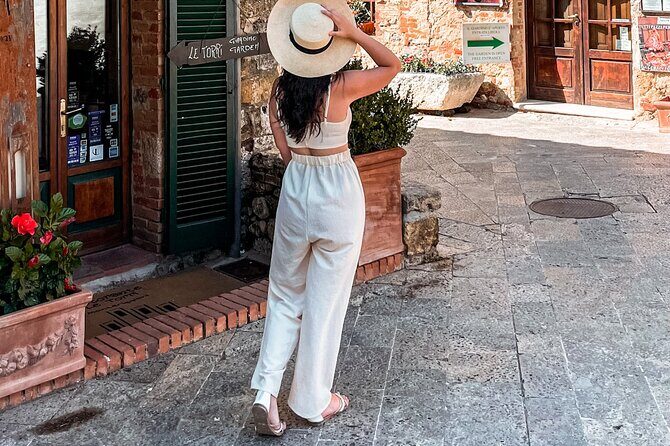
After Castellina, you head to the second tasting stop connected with Strada Statale 222 Chiantigiana. This segment lasts about 1 hour, and it’s a chance to compare the second winery’s style with the first.
Here, you’ll taste more Tuscan wines, along with olive oil and other local products. Across the day, the tour includes sampling of wine plus olive oil and balsamic vinegar, and you’ll also get local snacks such as salami and cheese.
One of the best parts of this second stop is contrast. In some cases, the experience here can feel more polished or presentation-focused, while the first winery can feel more rustic and farm-rooted. That difference is useful: it helps you understand that Chianti isn’t one single taste. It’s a range shaped by people, vineyards, and choices made before the first bottle ever hits a glass.
Other castles and hill town tours in Siena
Monteriggioni: Walled Town Views and a Castle Question
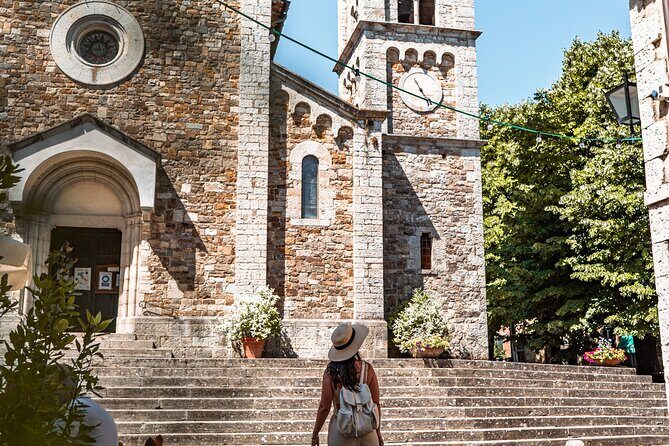
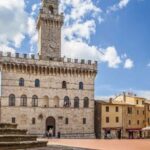
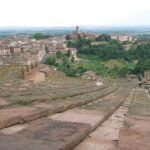
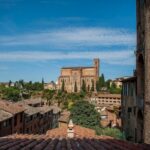
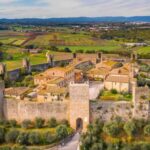
The day finishes with free time in Monteriggioni, a medieval walled village. You’ll get about 30 minutes here, which is short, but it’s enough time to walk a bit and grab the classic photos.
You can also choose to visit the castle if you want, but that’s an own expense option. Even without the castle ticket, the streets and walls make for a satisfying wander, especially if you like photo stops where you can just look up and around.
Timing matters here. If you’re touring during later daylight hours or warm-season schedules, you’ll likely enjoy more of the town in sun. In colder months, you may arrive when it’s darker, and a traveler noted that shops and bars can be closed when the stop runs later.
If you want the best experience, treat Monteriggioni like your photo mission plus a short stroll. Don’t plan a long detour.
Why the Two-Winery Format Works for Wine Lovers
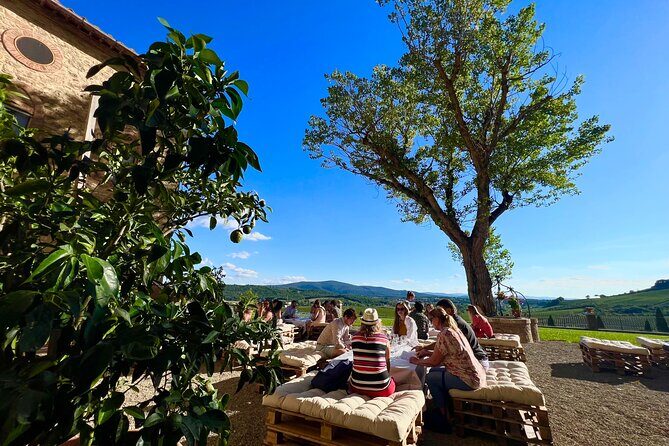
A lot of wine tours aim for quantity over learning. This one aims for a balance: two winery experiences plus a guided explanation of how the winemaking tradition shows up in what’s in the glass.
Across both tastings, you’re offered a total of seven wines. That’s a meaningful number because it lets you compare how different grapes and styles behave, not just how one pour tastes. It also gives you enough variety to find at least one wine you’d actually want to buy back home.
The tour also doesn’t treat food as an afterthought. You’ll have snacks such as bruschette and local products during the tastings, plus sampling that includes olive oil and balsamic vinegar. That matters because Tuscany wine tasting often goes better when you’re not running on empty and when your palate gets a reset between sips.
In short: the format helps you leave with a better sense of what you like and why, not just that Chianti is delicious.
Wine, Snacks, and What You’ll Actually Be Eating
It’s easy to assume “snacks” are small and forgettable. Here, the tour includes a set of tasting items that support the wine rather than competing with it.
You should expect food like bread with olive oil, bruschette, and local bites such as salami and cheese. The olive oil sampling and balsamic vinegar sampling also give you a sense of Tuscan flavors beyond the bottle.
If you’re the kind of person who likes to take notes, this is a good day to do it. With seven wines plus food pairings, you’ll notice differences faster if you track what you like first, what surprised you second, and what you remember last.
Also keep in mind that this is a tasting itinerary, so you’ll want to pace yourself. You’re likely to be drinking across multiple stages, and the day includes driving time afterward.
Group Size and the Small-Group Promise: What It Means in Real Life
The tour sets expectations with a maximum of 15 travelers. That usually translates into a more personal day: fewer people per vehicle, easier conversation, and less time waiting around.
Still, real-world logistics can change what you feel at each stop. One issue that comes up is how wineries and villages handle multiple tour groups at the same time. Even if the travel portion is small-group, you might find the atmosphere at a winery feels more crowded once you’re inside a tasting room with other tours.
What helps: the guide keeps the group moving and manages timing. In the best cases, you don’t feel rushed, and you still get time to ask questions and enjoy the pace between stops.
Comfort and Timing: The Stuff That Can Make or Break the Day
Two comfort points are worth planning around.
First, van comfort. The ride is usually air-conditioned, but if the system fails on a given day, the car time can get uncomfortable fast. That’s not something you can control as a passenger, but it’s worth dressing like you might be in both sun and indoor heat.
Second, the day has a steady schedule with short stops. You’re not stuck in a museum waiting for everyone. But time at each village can be brief, so you should treat it like a grab-and-go walk rather than a long hangout.
Lastly, there’s a basic physical requirement: you need to be able to climb and descend stairs. Even if there’s not tons of heavy climbing, stairs come up in villages and winery areas.
Who Should Book This Tour (and Who Might Prefer Something Else)
This tour is a great match if you want a Chianti wine day with guided tastings and don’t want to organize transportation. If you’re visiting Siena and want to see more of the countryside and hilltop towns without hassle, it hits the sweet spot.
It’s also ideal for couples, small groups of friends, and solo travelers who want the social energy of a group but still want time to talk with the guide. Language support is English, and guides can often switch among languages, depending on the host.
If you want a long, slow winery immersion (half a day in just one estate), this format may feel like “two sips and a stroll” in comparison. You’ll still taste a lot, but you won’t have endless time at a single place.
Tips to Make the Most of Your Chianti Day
A few small choices can make a big difference on a tasting tour like this.
Wear walking shoes. You’ll have free time in villages, and there can be stairs at stops. Also, check the weather and dress in layers, because you’ll move between vehicle air, winery areas, and open-air village streets.
Bring your own motion-sickness remedy if you’re prone. The roads are curvy and the drive is part of the experience whether you like it or not.
Finally, decide how you’ll spend your Monteriggioni time before you arrive there. If you’re chasing the best photos, prioritize viewpoints first, then stroll. If you’re hungry for coffee or a snack, plan to do it early in the stop so you’re not scrambling at the end.
Should You Book Hidden Castles & Chianti Wine Experience?
If you’re visiting Siena and want an efficient day that blends wine tastings with small-town wandering, I think this tour is worth your time. The two-winery structure plus seven wines total, paired food, and olive oil/balsamic sampling is a strong value for a single afternoon. Add the small-group format and you get a day that feels guided without being stiff.
I’d skip it or think twice if you’re very sensitive to road motion, need perfect air-conditioning to feel okay, or hate short free-time stops. Also, if you specifically want Monteriggioni during daylight for shops and longer wandering, consider season and timing.
If you fall into the “wine lover who wants the highlights” category, this is a solid way to experience Chianti without turning your day into logistics.
FAQ
How long is the Hidden Castles & Chianti Wine Experience?
It runs about 5 hours.
What is the price per person?
The price listed is $59.13 per person.
Where does the tour start and end?
It starts at Siena Station Ferrovia (Siena FS53100, Italy) and ends back at the same meeting point.
Do you get hotel pickup and drop-off?
The tour highlights mention hotel pickup and drop-off for convenience, but the official start point is the Siena station meeting location.
Is the tour offered in English?
Yes, the tour is offered in English.
How many wineries do you visit?
You visit two wineries for tastings during the day.
What food and drink is included?
You get wine tastings, plus snacks and local food items such as bread with olive oil, bruschette, salami and cheese, and you also sample olive oil and balsamic vinegar.
How many wines are included in total?
The tour includes tastings of 7 wines in total across the day.
Is the group size small?
The tour has a maximum of 15 travelers.
Do I need to be able to climb stairs?
Yes. The tour notes that customers must be able to climb and descend stairs.
What happens if the tour needs to cancel due to low demand?
During low season, minimum numbers apply. If the tour is canceled after confirmation due to low passenger numbers, you’ll be offered an alternative date/experience or a full refund.