REVIEW · SIENA
Florence: Siena, San Gimignano and Chianti Small Group Tour
Book on GetYourGuide →Operated by Prestige Rent - Tours in Italy · Bookable on GetYourGuide
Siena and San Gimignano, packed into one smooth day. This is one of those long-but-worth-it Tuscany excursions where you get guided history, real downtime, and a winery meal that keeps the day from feeling like a checklist.
I especially like the Siena walking tour that works you into the city’s key sights fast, including a line-saving approach for the cathedral interior (if you choose the ticket add-on). And I like the family-run winery lunch in the Chianti hills, paired with a guided wine tasting that makes the countryside feel personal, not just scenic.
The main thing to consider is timing: it’s a full 9-hour day, and the free time in each town is just enough to enjoy yourself rather than to slow-travel. Also, the Siena Cathedral ticket isn’t automatically included, so you’ll want to decide on the add-on before you go.
In This Review
- Key takeaways
- Siena first: Piazza del Campo, Palio culture, and cathedral interior
- Your Siena free time: shopping, photos, and knowing what to skip
- Chianti winery lunch: what you actually eat and why the tasting matters
- San Gimignano: towers, Collegiata, gelato, and photo timing
- Small-group reality: why up to 25 people feels different
- The drive and pacing: what a 9-hour day really feels like
- Price and value: is $175 a smart use of your time?
- Who should book this Tuscany day trip?
- Tips that make the day smoother
- Should you book this Florence to Siena, San Gimignano and Chianti small-group tour?
Key takeaways
- Small group size (up to 25) makes it easier to handle narrow medieval streets and photo stops without feeling squeezed.
- Siena with a proper guide: you’ll cover the shell-shaped Piazza del Campo and understand why the Palio matters.
- Line-saving cathedral visit is best if you add the Siena Cathedral ticket when prompted at checkout.
- Chianti winery lunch + tasting includes a traditional set menu and locally made wines, with vegetarian options possible by request.
- San Gimignano towers are mostly a walk-on-your-own schedule, so you can linger for gelato, views, and shopping.
Siena first: Piazza del Campo, Palio culture, and cathedral interior
Most Tuscany day trips start with a blur. This one is built to land you in Siena with enough structure that you feel like you understood the city before you start wandering.
You meet in Florence at Piazzale Montelungo (about an 8-minute walk from Florence SMN). Then you roll out early—around 7:45 AM—and drive through the rolling Tuscan countryside for roughly an hour. That first stretch matters. By the time you arrive, the landscape has already set the mood: olive trees, vines, and old stone farm buildings.
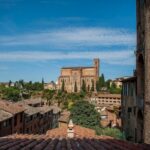
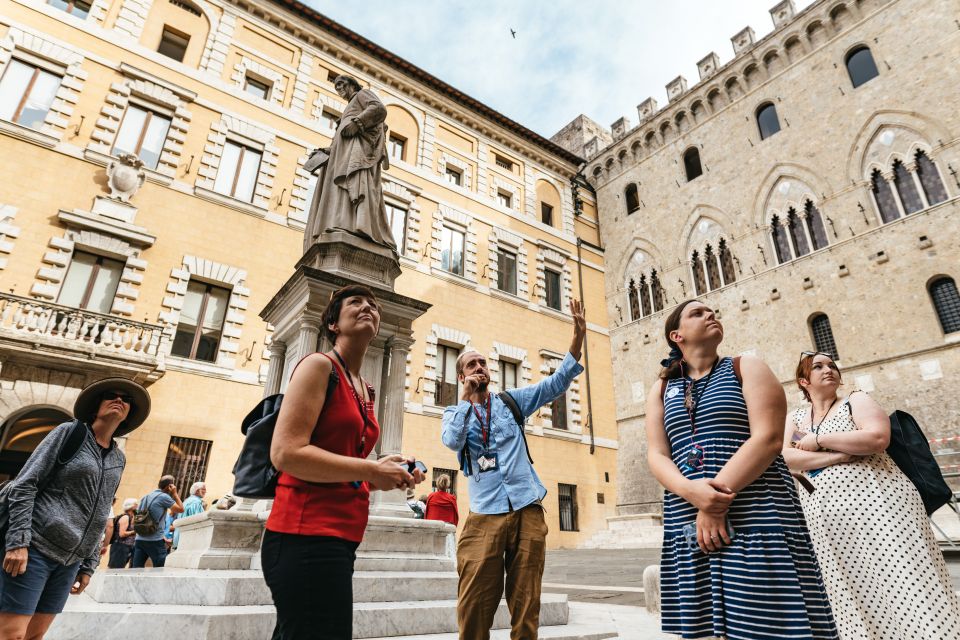
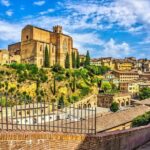
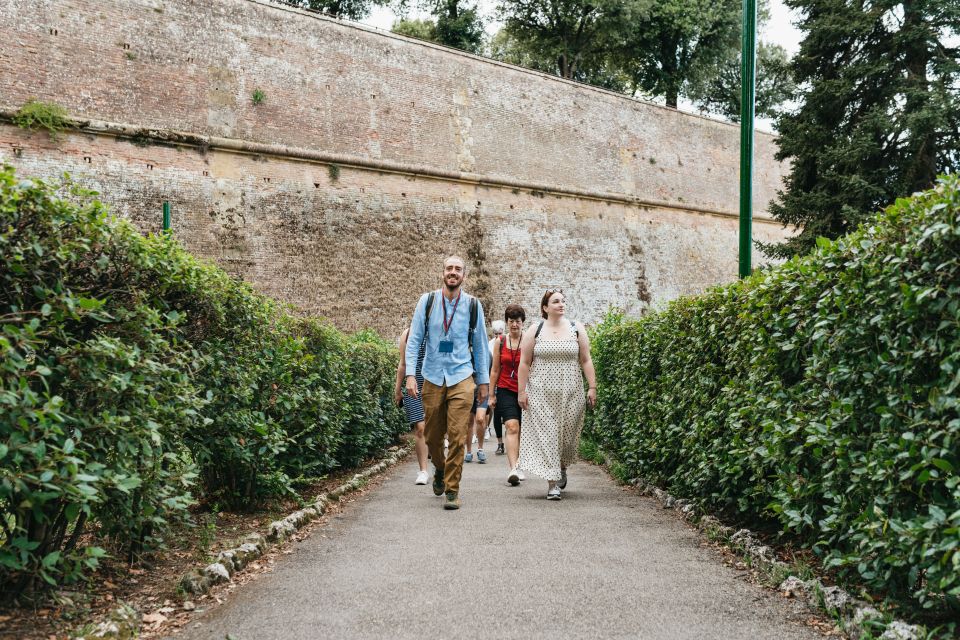
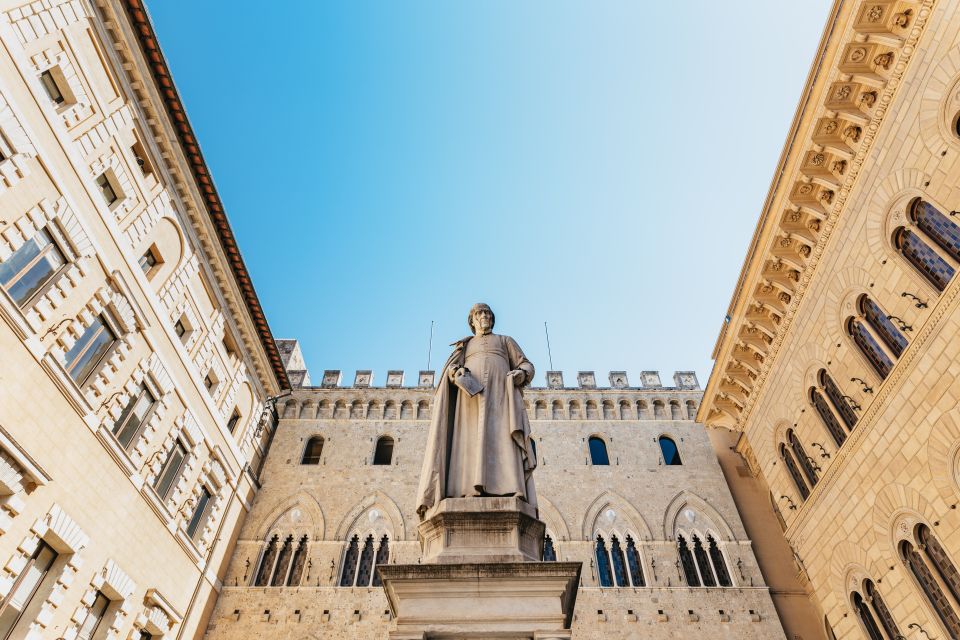
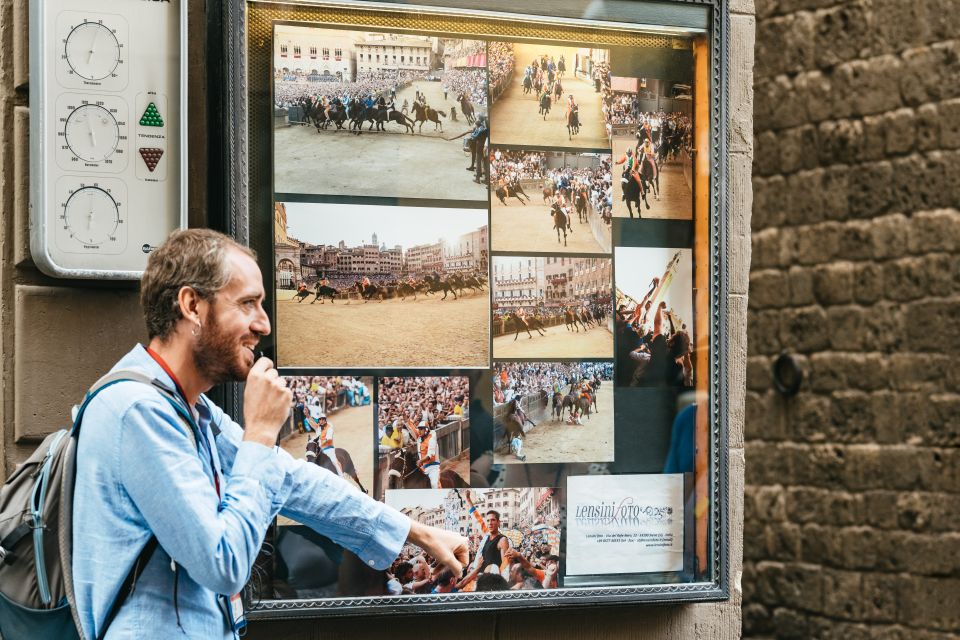
Siena is where the day turns from scenery into story. Your guided walking time in Siena is about 75 minutes, and it’s aimed at the high-impact landmarks. You’ll move through tight streets with your guide talking you through Siena’s medieval identity, then you hit the heart: Piazza del Campo, the distinctive shell-shaped square where the Palio horse race is held twice a year. It’s not just a photo spot. The square works as a living symbol of family rivalry and civic pride, and your guide’s explanations help you see why locals care so much about it.
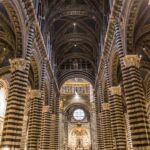
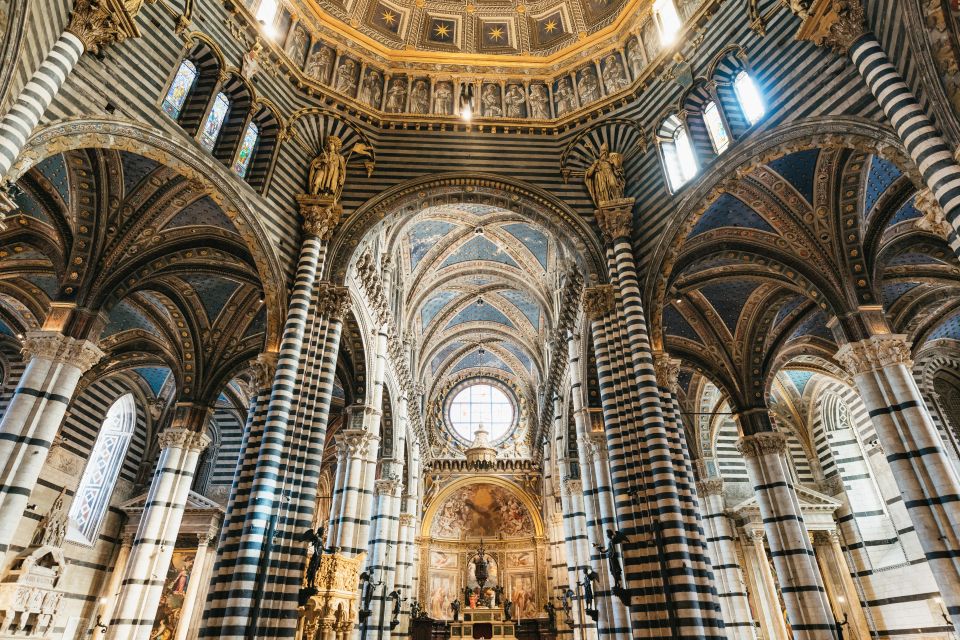
From there, the tour includes a line-saving approach for the cathedral interior—again, this is tied to whether you choose the Siena Cathedral entry ticket add-on at checkout. The cathedral itself is part of the big Siena “wow” moment, and getting it handled with a skip-the-wait setup saves time for the rest of your day.
One practical tip: Siena has steep, uneven medieval streets. Even if you’re steady on your feet, you’ll feel it after a few stops—comfortable shoes are not optional.
If you're still narrowing it down, here are other tours in Siena we've reviewed.
Your Siena free time: shopping, photos, and knowing what to skip
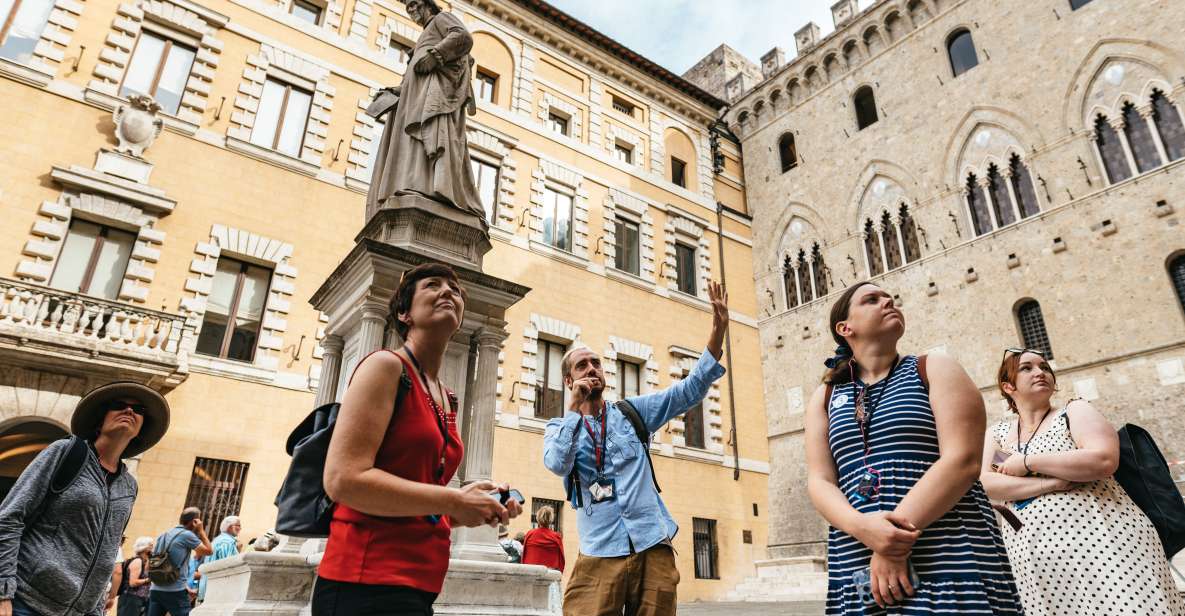
After the guided portion, you get about an hour of free time in Siena. That hour is the right size for most people—long enough to snack, shop, and take photos in the spots your guide pointed out, but not long enough to start a second tour.
This is where you can tailor the day. If you love slow wandering, use the time to drift from the main lanes into smaller side streets and look for artisan shops. If you’re more of a “hit the viewpoint” person, focus on the edges of the historic core where the city opens up visually.
Two things make this free time more valuable than it sounds:
1) You go in knowing where to look. The guide coverage gives you names and context, so you’re not just staring at stone.
2) You can pace yourself. Siena is famous, but it’s also crowded in peak seasons. Having space to move at your own speed helps.
What to watch for: you might feel a bit of “I could stay longer” here. A common regret is simple—an extra 30 minutes in Siena would be ideal. Still, this is a day trip with multiple big stops, and Siena is only one piece of the puzzle.
Chianti winery lunch: what you actually eat and why the tasting matters
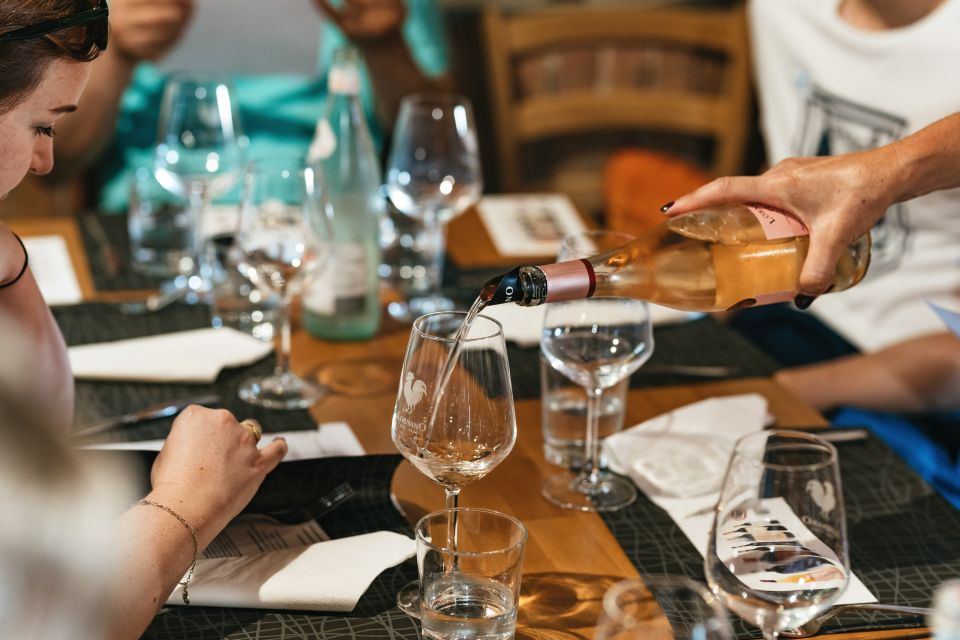
This is the part of the day that turns Tuscany from sightseeing into hospitality. After Siena, you transfer toward the Chianti countryside and reach a family-owned wine estate for lunch and wine tasting.
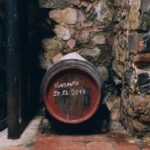
The timing is tight but well thought out: the winery block is about 1.5 hours, which means you get a complete experience without eating up your whole day. You’ll enjoy a traditional Tuscan lunch with wines from the estate. The sample menu listed for this stop is classic country-style fare: cold cuts and cured meats, cheeses, bruschetta, pasta or soup, and dessert, plus olive oil and the winery’s own wines.
A key detail: the lunch is described as light, but many people find it filling in practice because it’s a multi-course meal. So don’t plan a heavy dinner afterward. Plan for a casual evening back in Florence.
Vegetarian? You can request it at booking, and the winery will tailor the menu accordingly.
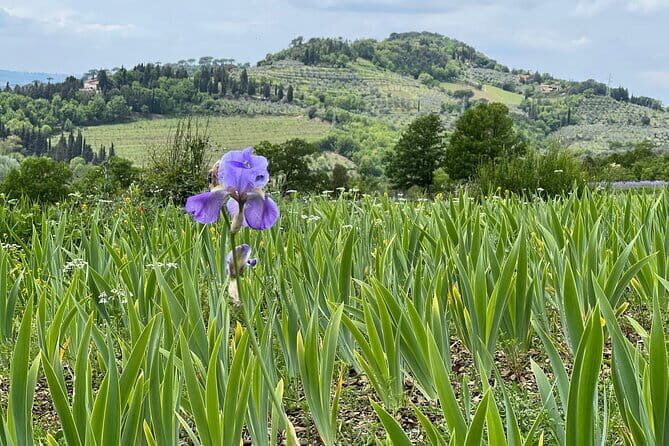
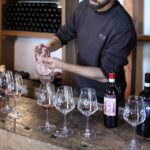
What about the wine tasting itself? You’re not just handed a glass and left alone. The tasting is part of the scheduled experience, and it helps you understand what you’re drinking in a place where the vines are the backdrop, not a marketing photo.
If you’re the type who likes to learn the story of local food, you’ll probably enjoy little extras like the explanations around olive oil and production that sometimes come up at the winery. You won’t turn into a sommelier in 90 minutes—but you will walk away knowing what makes this region taste like this region.
San Gimignano: towers, Collegiata, gelato, and photo timing
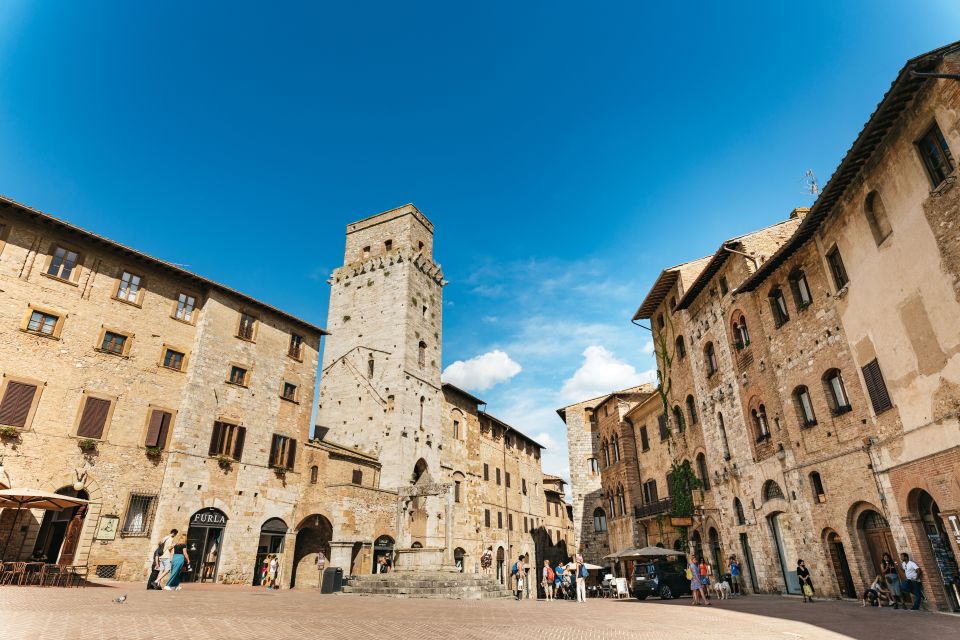
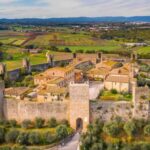
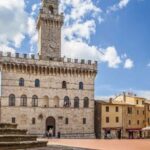
After lunch, the drive takes you to San Gimignano, famous for its medieval skyline of tall towers. This is where the day shifts into lighter mode. You’re not going to be “on” the whole time. You get time to explore on your own.
Your visit here is about 1.5 hours, which gives you enough room to do the essentials without feeling rushed. San Gimignano works beautifully for that style of visit because so much of what you want—towers, views, small streets—reveals itself as you walk.
Start with the obvious: take time just to look up. The towers are the signature. Then head toward the center where you’ll find the main street with typical shops. If shopping is your thing, this is a safer place than Siena to browse slowly because it’s easier to navigate at your own pace.
Your itinerary also points you to the Collegiata as a highlight. Even if you don’t go inside, knowing where it sits helps you orient quickly and understand the layout.
And yes, you’ll probably end up with gelato. In a town this compact, it’s not a side quest—it’s part of the rhythm.
Want a simple strategy? Walk toward the viewpoint moments first, then use the remaining time to shop and linger. If you do it the other way around, you can end up racing the clock when the light changes.
Small-group reality: why up to 25 people feels different
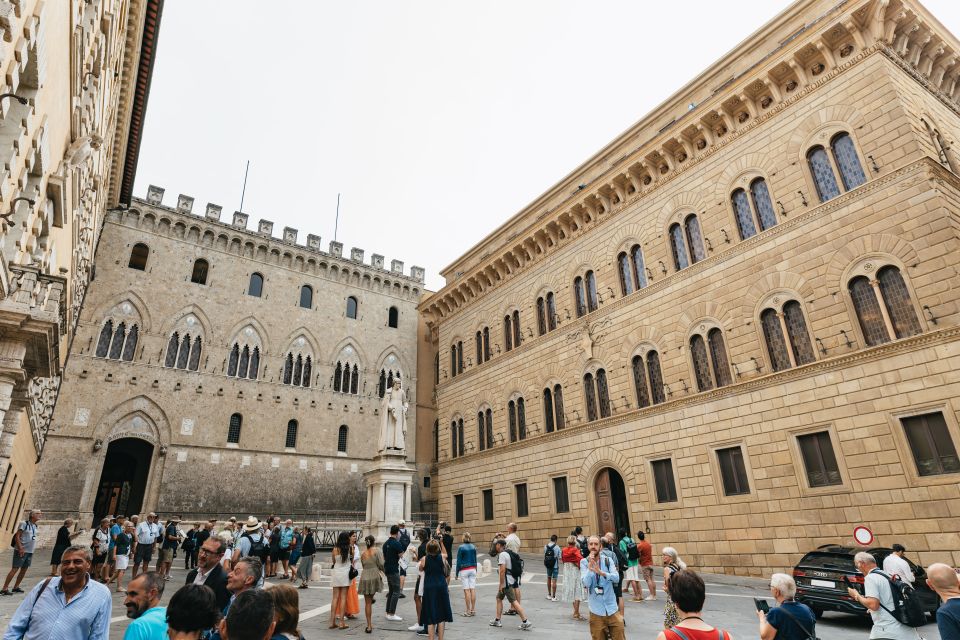
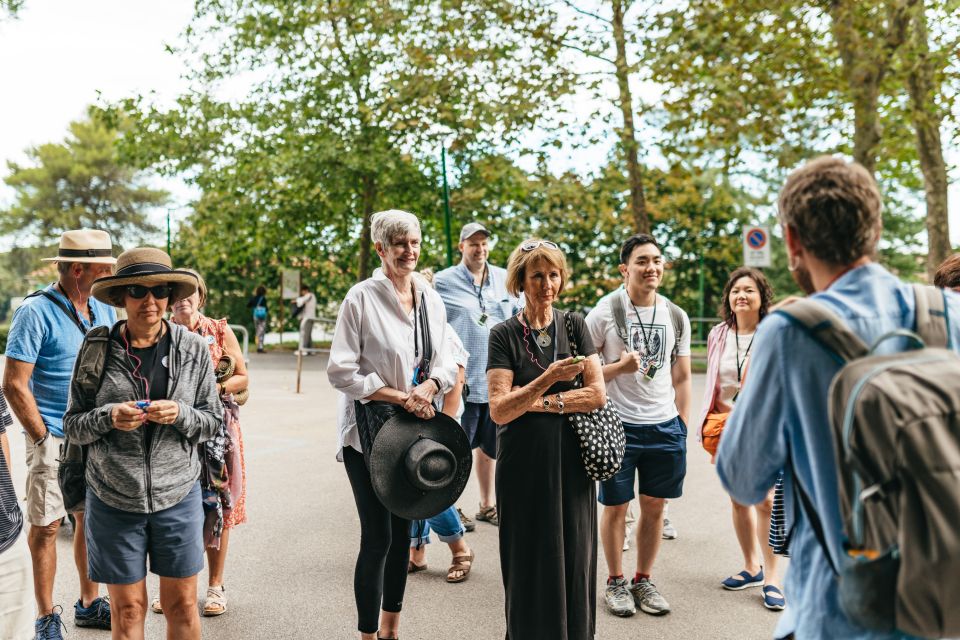
The biggest practical advantage here is the small-group size—up to 25 people. That number matters in Tuscany because medieval streets weren’t built for tour buses to unload into bottlenecks. With a smaller group, your guide can keep track of everyone without turning the day into traffic control.
In the best departures, people often find the group feel more intimate—more like 10 to 20 than 25. That’s when you get the best balance: you can ask questions, hear the guide clearly, and still have room to step out for photos.
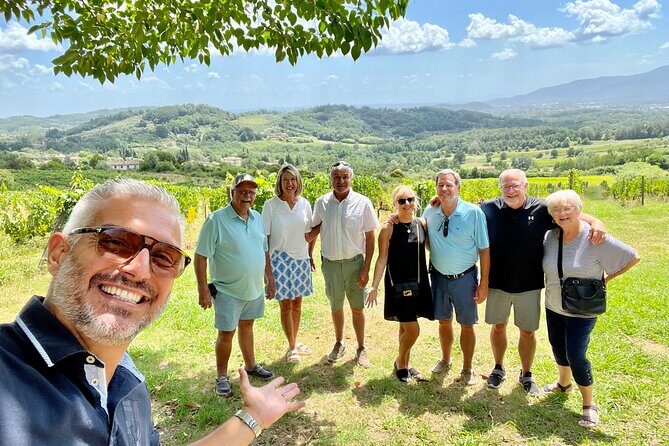
Another big win: guides are a major part of why this tour lands well. Guides you may be paired with—like Lorenzo—are repeatedly praised for storytelling, clarity, and a sense of humor that keeps the day from feeling like a lecture. Drivers also get credit when they handle tight streets and winding roads with professionalism. If your guide and driver work well as a team, the whole day feels smoother: less waiting, easier meeting points, and fewer “where are we now?” moments.
There’s also a subtle benefit: smaller groups make it easier to notice details. A shell-shaped square means something when someone points out why the space was designed the way it was. A skyline of towers feels different when you understand what you’re seeing and why it happened.
The drive and pacing: what a 9-hour day really feels like
This tour is built around a 9-hour schedule, and it’s long in the way that most Tuscany day trips are long—meaning you’ll spend more time moving than you would on a local day.
You start early and you’ll make multiple road transfers:
- Florence to Siena (about 1.5 hours including driving)
- Siena to the Chianti area (short ride)
- Chianti to San Gimignano (short ride)
- San Gimignano back to Florence (about 1.5 hours)
The upside is you see a lot of Tuscany with zero planning stress. The downside is you’re not staying anywhere long enough to unwind deeply.
Pacing is the thing to watch. Some people wish they had more time at the winery to slow down the tastings or savor the meal. Others wish Siena had more time for exploration. Those are tradeoffs you accept when the goal is “best of Tuscany highlights in one day.”
Comfort helps a lot. The tour includes transportation in a vehicle that’s set up for this route, and several groups mention the ride staying comfortable even during hotter stretches. Still, bring layers. Weather in Tuscany changes fast, and the car can feel either too warm or too cool depending on the day.
Price and value: is $175 a smart use of your time?
At $175 per person, you’re paying for three things at once:
1) Guiding where it matters most (Siena walking tour)
2) Transport to multiple towns without you doing logistics
3) A paid-style lunch and wine tasting experience at a winery
If you tried to DIY this, you’d quickly spend time (and money) figuring out timing, parking, and how to fit Siena plus San Gimignano plus a winery stop into one coherent day. The value is not just the included stops—it’s that the day is packaged to reduce decision fatigue.
The one caveat: the Siena Cathedral ticket isn’t automatically included. If you add it, you’re investing a bit more, but many people consider it worth it because the cathedral is one of Siena’s major moments. If you skip the add-on, you can still see plenty, but you’ll lose a key “Siena centerpiece.”
Also, the “light lunch” description can mislead. In practice, the set menu is more than a snack, and you’re getting it paired with winery wines. That makes the winery stop feel like part of the day’s value—not a quick pit stop.
Overall: for a first visit to Tuscany with limited time, $175 can feel like good sense, especially because the itinerary balances guided time with enough freedom to enjoy the places yourself.
Who should book this Tuscany day trip?
I think this tour is a great fit if you:
- want Siena and San Gimignano without hiring separate guides or dealing with schedules
- like a mix of guided storytelling and free wandering
- enjoy food and wine in a place where it’s connected to the landscape, not just staged for tourists
It may not be the best fit if you:
- need lots of downtime or prefer unhurried stays
- want a long deep exploration of one town (Siena gets guided time plus an hour free; San Gimignano gets free time on top of a short guided-to-self transition)
One important note: this experience isn’t suitable for people with mobility impairments or wheelchair users, since you’ll be walking on uneven medieval surfaces and using a route designed around narrow streets.
If you’re traveling solo, this is often a comfortable way to meet people because the pacing is structured. If you’re traveling as a group, small size usually means fewer frustrations.
Tips that make the day smoother
Here are the practical moves I’d make before you go:
- Wear sturdy shoes for cobblestones and uneven medieval lanes.
- Bring a light layer for morning and late afternoon; Tuscany mornings can feel cooler than you expect.
- If you want the Siena Cathedral experience, decide on the cathedral ticket add-on during checkout.
- For the meeting point, head to Piazzale Montelungo and avoid the route through the station area on Google Maps, since that station exit is closed. Look for a red flag or the provider logo.
- Plan to eat lunch and keep dinner simple. The winery meal is more satisfying than the word light suggests.
And if your goal is photos: don’t wait until the end. You’ll get some of your best tower-and-square moments as you walk rather than after you sit down.
Should you book this Florence to Siena, San Gimignano and Chianti small-group tour?
If you want a smart, time-efficient Tuscany day—Siena with a guide, a winery lunch with wine tasting, and San Gimignano towers with time to wander—this is easy to recommend. The biggest strengths are the small-group feel, the guided emphasis on the key sights, and the fact that the day includes a real meal, not just a quick stop.
Book it if you value a balanced itinerary and want to see three major highlights in one shot. Consider another option if you need more time in just one town or if you can’t handle long walking on uneven surfaces.