REVIEW · SAN GIMIGNANO
San Gimignano Campatelli Home and Tower Visit
Book on GetYourGuide →Operated by FAI - Fondo Ambiente Italiano · Bookable on GetYourGuide
A thousand years feels close here. In San Gimignano’s center, you get a focused visit to Torre e Casa Campatelli, a family tower-house with an audio-guided story and a view that makes the town’s medieval reputation click.
Two things I really like: the multilingual video projected onto the attic walls, and the restored rooms that show how an Italian family lived inside one of those famous towers. If you’re expecting a long, hands-on tour or lots of climbing time, the 45-minute format may feel a bit tight.
The experience is run by the FAI (Fondo Ambiente Italiano), and it’s designed to be straightforward: watch, listen, look closely, then finish with a small shop that supports heritage. One possible drawback is that the heart of the visit is the indoor story (video + collections). If you’re not into that film-and-objects style, you might want more time outside or more active guidance.
In This Review
- Key highlights I’d circle first
- San Gimignano’s tower story, told from inside one tower-house
- Where you start and how the timing works (without stress)
- The attic-wall video show: history, identity, and legends
- Main-floor rooms: restored pieces that explain how the family used space
- Going from rooms to the tower: why the view is part of the history
- Art and pottery you’ll remember: Montelupo ceramics and Guido Peyron
- The shop stop: handmade crafts and a preservation mission
- Price and value: $9 for a 45-minute tower-house story
- Who should book this tower-house visit (and who might not)
- Potential hiccups to watch for before you go
- Should you book the San Gimignano Campatelli home and tower?
- FAQ
- How long is the Casa and Torre Campatelli visit?
- Where is the meeting point?
- What languages are available for the audio guide?
- What are the available screening times during the day?
- Is it wheelchair accessible?
- Is it suitable for people with mobility impairments?
- Are pets allowed inside?
- Can I take photos or record video?
- Can I cancel for a full refund?
Key highlights I’d circle first
- Torre e Casa Campatelli in the heart of town, so you can fit it between other sights
- Attic-wall video show that explains the identity and legends of San Gimignano
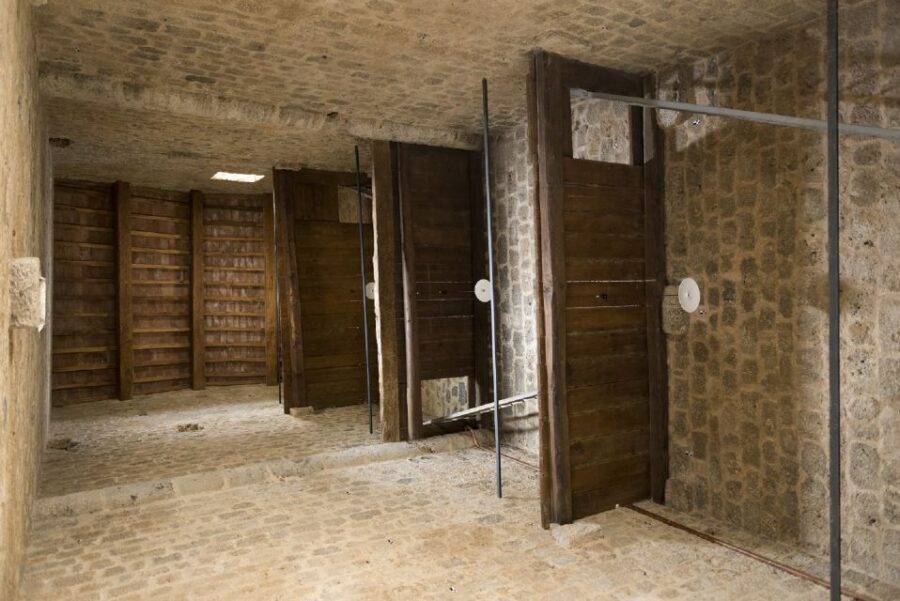
- Original, restored furnishings that help you picture day-to-day life
- Montelupo pottery collection, plus art by Guido Peyron
- A real tower-house perspective, not just a generic museum room
- FAI heritage mission, with a shop stop that supports preservation
San Gimignano’s tower story, told from inside one tower-house
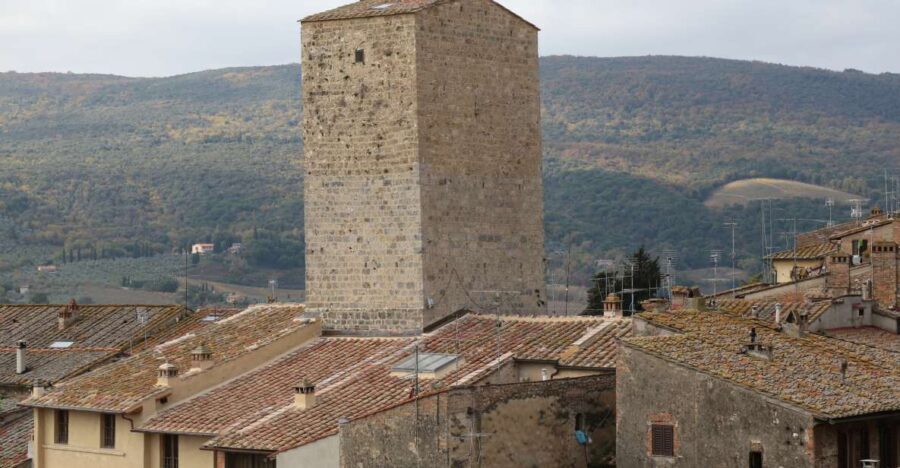
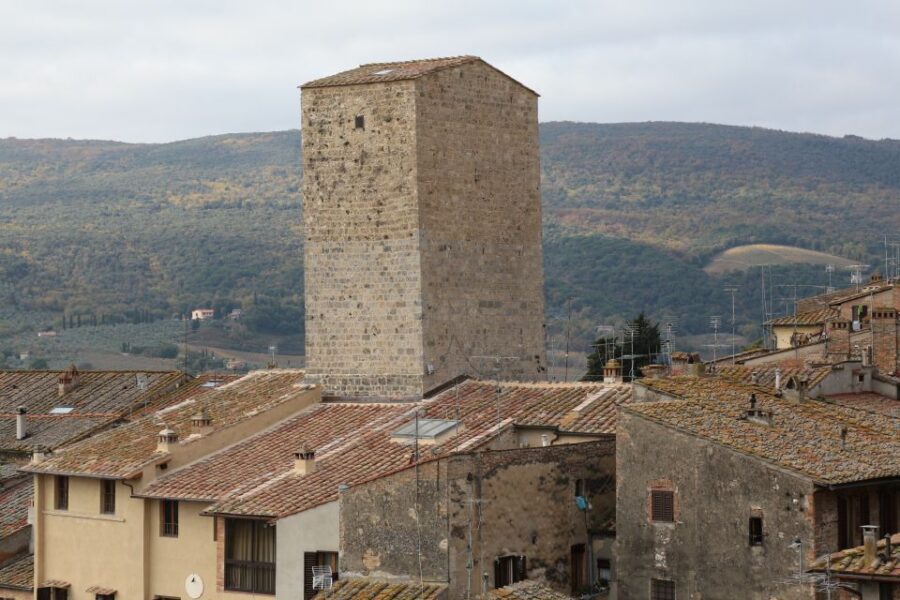
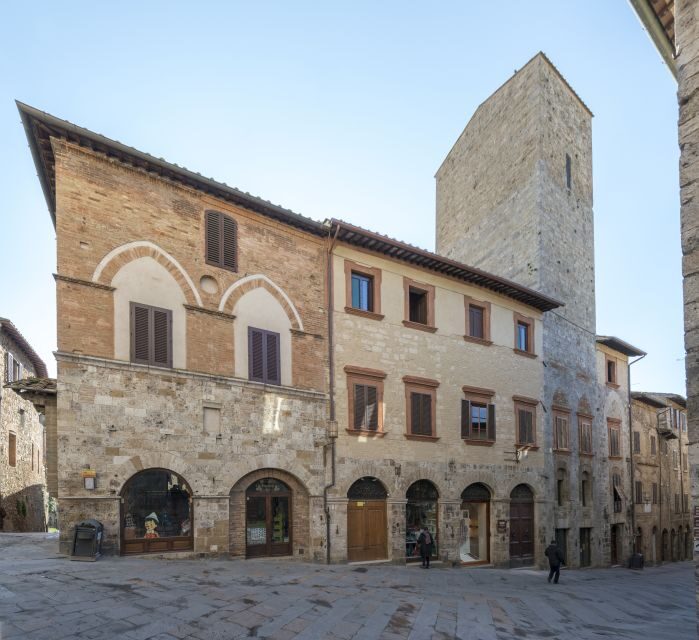
San Gimignano is famous for its medieval towers, and this visit gives you the one detail most photos don’t: what it felt like to live inside that kind of vertical power. In this town, you start with a big picture fact—there were 72 ancient towers—and only 14 survive today. Here, you’re not just looking at architecture. You’re stepping into a home that was built to signal status, protect a family, and create a strong sense of presence in the community.
What makes the Campatelli house-and-tower experience especially valuable is the way it connects the townwide tower phenomenon to one household. You’ll see daily-life objects and private memories, so the tower stops being an Instagram skyline and becomes a lived environment. That shift is what you want when you visit San Gimignano beyond the obvious viewpoint stops.
Other San Gimignano tours we've reviewed in San Gimignano


Where you start and how the timing works (without stress)
The meeting point is at Casa and Torre Campatelli, and the visit is scheduled around specific screening times. You’ll want to plan around these start slots: 10:45, 11:30, 12:15, 1:45, 2:30, 3:15, 4:00, 4:45, 5:30, and 6:15. The visit is listed as 45 minutes, so arriving with a little buffer matters.
Here’s my practical advice: plan to show up about 10 minutes early, not because you’re going to rush through everything, but because you want time to find the entrance, get oriented with the audio setup, and settle in before the video starts. This is a town that can make you walk in circles—especially when you’re already climbing stairs from other sights.
Also note what you’re not allowed to bring or do. No pets, no strollers, and no bikes. You also can’t use selfie sticks, and there’s no flash photography and no video recording. If you’re traveling with a baby, plan for an easier timing window and consider other outdoor viewpoints for that part of your day.
The attic-wall video show: history, identity, and legends
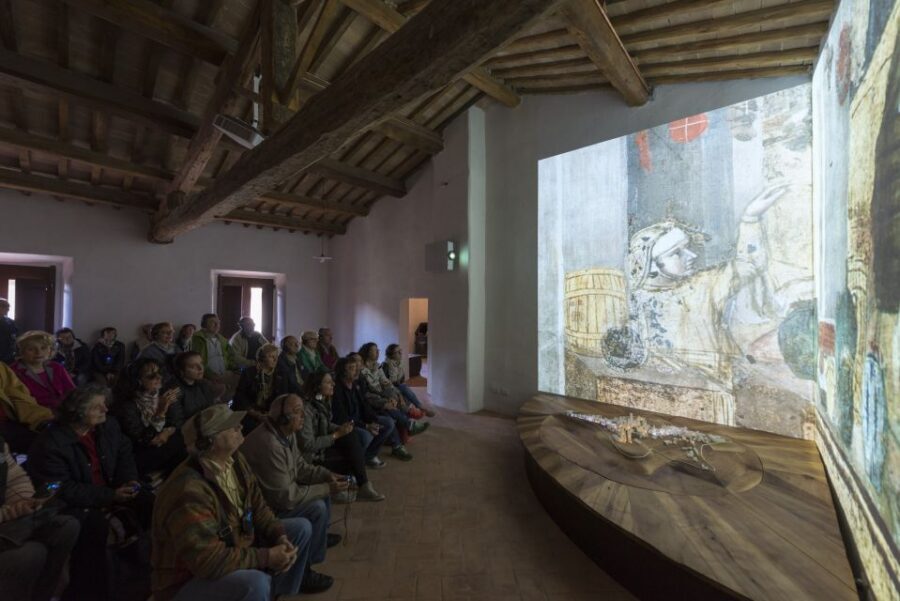
The tour begins with an evocative video projected onto the walls of the attic. This isn’t just background sound. It’s the structure that organizes what you’ll see next—how San Gimignano’s identity formed, why these towers mattered, and how legends and family pride got wrapped into the town’s image.
I like this approach because it gives you hooks fast. Before you reach the rooms, you already understand what the towers were doing for people—politically, socially, and symbolically. The result is that the objects you see later feel more connected, not like disconnected displays.
The audio guides are included, and the tour supports English, French, German, and Spanish. Even if you don’t use the audio nonstop, having it there makes the experience smoother. You can focus on looking, and then catch details when your attention lands on something specific.
Main-floor rooms: restored pieces that explain how the family used space
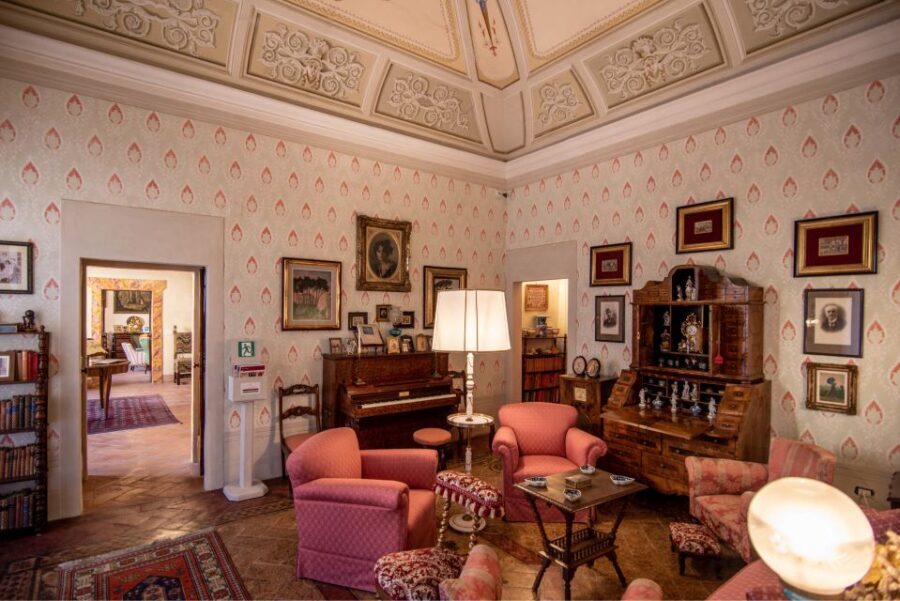
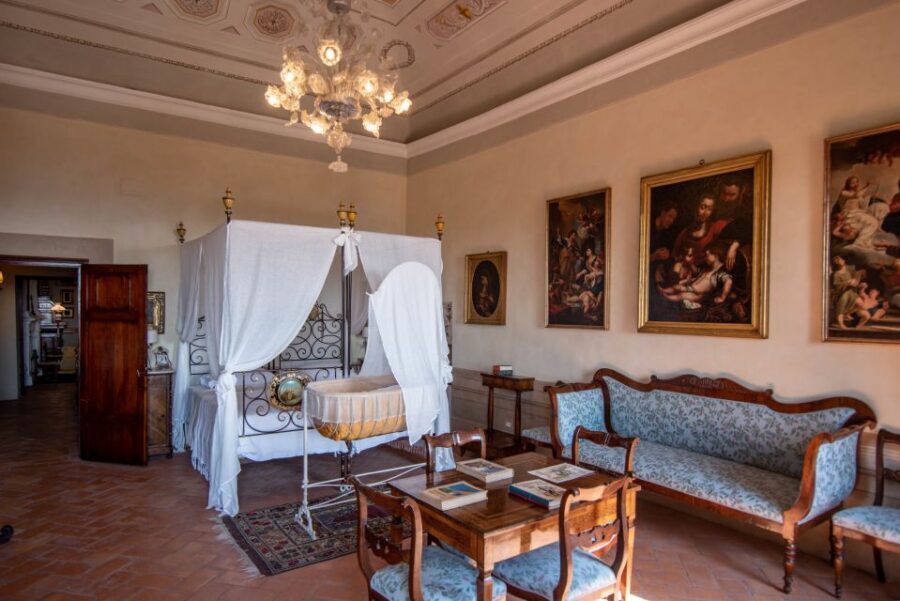
After the video, you move to the main floor, where the house is presented with furnished original pieces that have been restored carefully. This matters more than it sounds. In a lot of historic homes, you’re surrounded by either modern reconstructions or generic props. Here, the goal is to show how the owners’ daily life unfolded inside a tower-house.
What I enjoyed most is that you can slow down. The layout encourages you to take your time moving from one room idea to the next—daily routines implied by the furniture, personal memories suggested through photographs, and the feeling that you’re looking into private life rather than a public exhibition.
You’ll also notice the tone of the presentation: it feels like a world suspended in the past. That doesn’t mean it’s cold. It means it’s trying to recreate the mental atmosphere of living in a structure that was both a home and a statement.
One more detail I think helps you get more out of the visit: you’re not only shown the big story. You’re shown artifacts—photographs, artworks, and pottery—that help you build an idea of taste, connections, and everyday culture inside one family line.
Going from rooms to the tower: why the view is part of the history
Then comes the highlight: the Campatelli Tower-House itself. The design of the experience encourages you to transition from indoor storytelling to a physical payoff: the perspective you get from being in a medieval tower.
Even if you’ve already seen San Gimignano from viewpoints, I find tower access changes the way you understand the town. From a viewpoint, towers look like scenery. From inside a tower-house, they feel like infrastructure—places built for sightlines, defense, and status. The visit also emphasizes the presence of the tower in the medieval world, not just its beauty.
And yes, you get a view. From the experience angle, that view isn’t separate from the story. It’s the moment when you can connect what you learned about towers to the actual geography and density of medieval life around you.





Art and pottery you’ll remember: Montelupo ceramics and Guido Peyron
The collections are a big reason this visit works for people who like more than architecture. You’ll see Montelupo pottery, a type of ceramic strongly associated with the Italian Renaissance-era workshop culture. It’s the kind of material that instantly gives you texture—how art showed up in everyday objects, not only in churches and public buildings.
You’ll also encounter paintings by Guido Peyron, described as a renowned Florentine artist and also connected to the family through Lidya’s connection—Guido Peyron is noted as Lidya’s uncle. That kind of detail helps the collection feel personal rather than decorative. It’s not just, here is artwork; it’s, here is artwork that moved through family life.
If you like looking closely, take a slow walk through the objects and artwork. The experience is built for that. You don’t need to rush to “check the boxes.” The value is in noticing the small differences in materials, craftsmanship, and how the rooms are arranged around the collection.
The shop stop: handmade crafts and a preservation mission
Don’t skip the shop. It’s part of how the site sustains its work, and the visit is tied to a non-profit foundation focused on preserving Italian heritage.
In plain terms, you’ll find handmade and local handcrafts. If you want a practical souvenir that doesn’t feel like generic tourism merch, this is often the place to do it. Plus, the site frames your shopping as support for ongoing preservation—so it’s not just a checkout moment tacked on at the end.
I also like that this option gives the visit a clear finish. You go from history and art, to something tangible you can take home, while knowing you helped keep the heritage work moving.
Price and value: $9 for a 45-minute tower-house story
At $9 per person for a 45-minute visit, this feels like good value, especially because your ticket covers more than a doorway photo. You’re paying for access to:
- the tower-house rooms and preserved setting
- the multimedia video introduction
- English/French/German/Spanish audio guides
- a collection-focused walk through photos, pottery, and paintings
The value gets even better if you’re already spending time in central San Gimignano and want a use-of-time stop that teaches you something without turning your whole afternoon into a project. Forty-five minutes is short enough to fit between sights, but long enough to leave you with real details instead of just a quick glance.
Where value can feel weaker is if you’re hoping for a fully guided narration that goes room-by-room with lots of spoken commentary. This experience is centered on the video and the audio support, so you’ll do most of the connecting yourself as you watch and look.
Who should book this tower-house visit (and who might not)
This is a great fit if you like:
- medieval towns but want more than sweeping views
- historic homes where objects and rooms tell the story
- short, focused cultural stops you can pair with other sights
- ceramic and art collections
It’s also ideal if you’re traveling with mixed interests: the tower and view satisfy architecture lovers, while the pottery and paintings give art lovers something concrete.
You may want to think twice if:
- you strongly prefer outdoor walking and lots of open-air time
- you dislike museum-style indoor pacing
- you need barrier-free access, because the experience is not suitable for people with mobility impairments and not for wheelchair users
One more practical point: the visit rules are strict—no flash photography, no video recording, and no selfie sticks. If your travel style depends on lots of phone filming, plan to enjoy photos without flash and keep the video off.
Potential hiccups to watch for before you go
Based on the kind of disappointment that can happen with timed indoor experiences, the main risk here is simple: you have to be in the right place at the right moment. The day is organized around screening times, and the visit is designed for people who show up on schedule.
If you want to reduce the risk of arriving to a closed door, do two things:
- arrive near the 10-minute early suggestion
- confirm you’re at Casa and Torre Campatelli as your meeting point
There are also reviews that suggest the film and museum pacing can feel a little uneventful for some people. That doesn’t mean it’s poor—it means it’s not a high-action attraction. It’s a historical house experience, so your enjoyment depends on whether you like indoor storytelling, room details, and collections.
Should you book the San Gimignano Campatelli home and tower?
I’d book this if you want a short, high-information experience that turns San Gimignano’s tower fame into something human and specific. For $9, you get a guided-feeling structure through video and audio, plus a room-and-collection visit that helps you understand daily life inside a surviving tower-house. The Montelupo pottery and the mention of Guido Peyron linked to the family line are the kind of details that make the visit stick.
Skip it (or at least lower expectations) if your dream San Gimignano day is mostly outdoor time, lots of climbing, and constant spoken guide narration. This place is for looking and listening, not for big movement.
If you time it well and arrive a bit early, it’s an efficient way to understand why San Gimignano’s towers became legendary in the first place.
FAQ
How long is the Casa and Torre Campatelli visit?
The experience lasts about 45 minutes.
Where is the meeting point?
The meeting point is at Casa and Torre Campatelli.
What languages are available for the audio guide?
The audio guide is available in English, French, German, and Spanish.
What are the available screening times during the day?
The daily screening schedule is listed as 10:45 AM, 11:30 AM, 12:15 PM, 1:45 PM, 2:30 PM, 3:15 PM, 4:00 PM, 4:45 PM, 5:30 PM, and 6:15 PM.
Is it wheelchair accessible?
No. The experience is not suitable for wheelchair users.
Is it suitable for people with mobility impairments?
No. It’s listed as not suitable for people with mobility impairments.
Are pets allowed inside?
No, pets are not allowed.
Can I take photos or record video?
Flash photography is not allowed, and video recording is not allowed.
Can I cancel for a full refund?
Yes. Free cancellation is available up to 24 hours in advance for a full refund.