REVIEW · PISA
From Pisa or Lucca: Half-Day Tuscany Chianti Wine Tasting
Book on GetYourGuide →Operated by BellaItalia Tour · Bookable on GetYourGuide
Chianti hills in four hours. This half-day trip turns a quick city escape into a hands-on visit with a winery owner, plus tastings focused on organic wine methods and the estate’s extra-virgin olive oil. I love the calm pace and the fact you get real explanation, not just a pour-and-go. One possible drawback: there’s no lunch, so you’ll want to plan a proper meal before or after.
You’ll be picked up from central Pisa or Lucca, ride in an air-conditioned minivan, and come back with Tuscan views and a better sense of what you’re drinking. You can also choose private or small-group options, which makes the whole tasting feel less rushed and more conversational.
In This Review
- Key things that make this Chianti tasting worth it
- From Pisa or Lucca: getting into Tuscany without wasting a day
- Your winery stop: owner-led learning and a real cantina visit
- The tasting: Chianti-area reds, whites, and olive oil with small bites
- What happens on the road: views, quick stops, and the route vibe
- Organic wine talk: why this explanation style helps you choose what to drink
- Price and value: what $99 buys you in the real world
- Who this Chianti half-day suits best (and who might want a different plan)
- Should you book this Chianti tasting tour?
- FAQ
- How long is the Chianti wine tasting tour?
- Where does the tour start?
- Is lunch included?
- What kinds of wine do you taste?
- Does the winery tour include anything besides wine?
- Is this tour private or small group?
Key things that make this Chianti tasting worth it
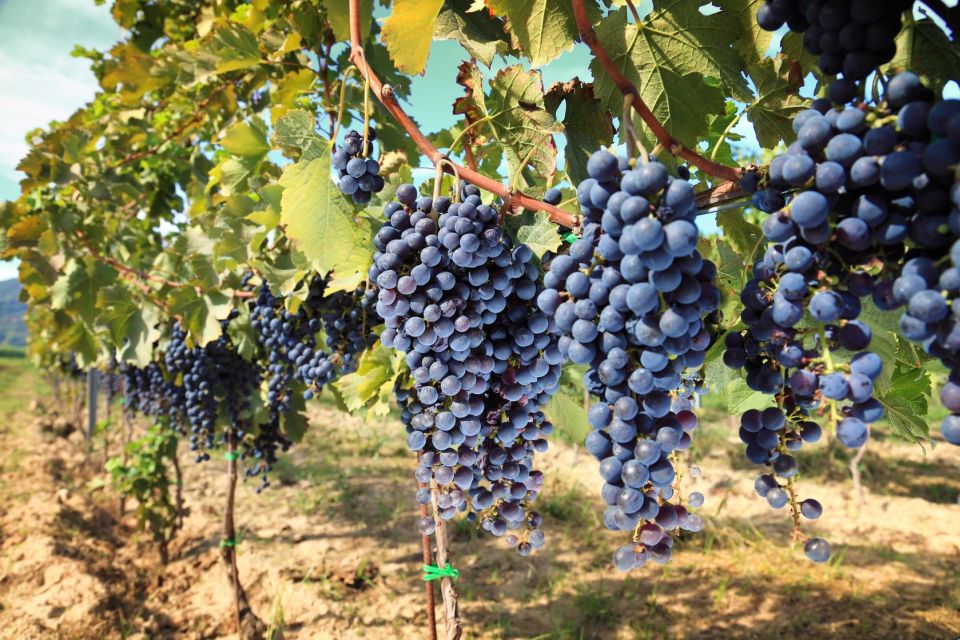
- Owner-led winery time: you tour the cantina/aging area and hear how wines (and olive oil) are produced.
- Organic wine production focus: you learn what organic practices look like in the real process.
- Red and white tastings included: you sample both styles, not just one quick pour.
- Small-group feel: private or small groups help questions actually get answered.
- Central-city pickup and return: no complicated logistics, just a half-day loop.
From Pisa or Lucca: getting into Tuscany without wasting a day
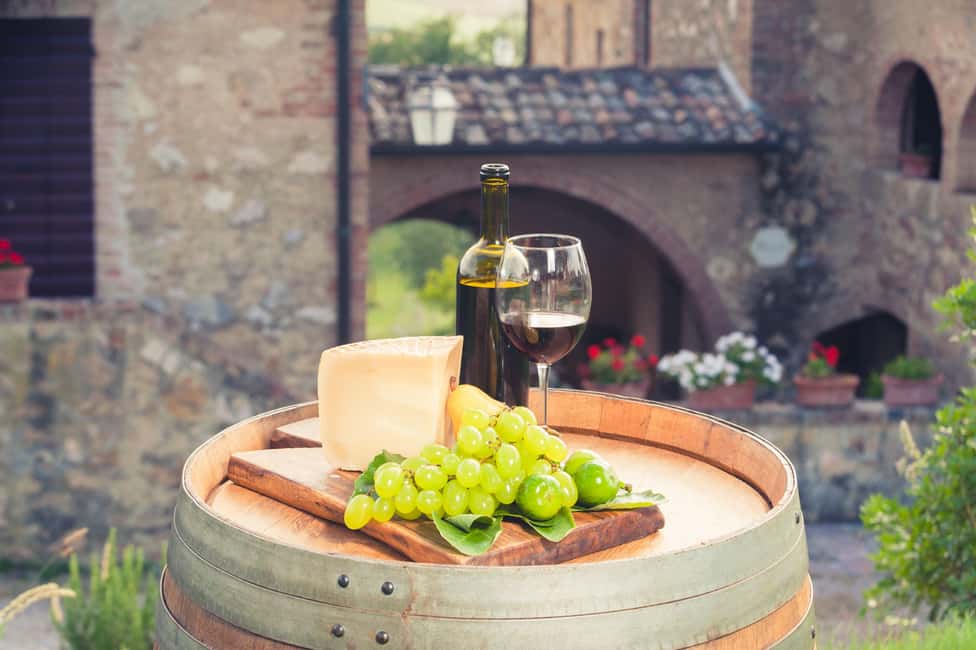
The best part of this tour is the “half-day escape” math. Instead of committing to a full day in the car, you get a timed window that starts with pickup in Pisa or Lucca and ends back in town after a tasting visit. The whole experience is listed at 4 to 4.5 hours, which is just long enough to feel you’ve changed scenery, but short enough to keep your evening plans intact.
You’ll ride in an air-conditioned minivan, which matters in Tuscany when the temperature can rise quickly. The transport also scores very well, with 93% of reviewers giving it a perfect mark—meaning most people found it comfortable and well-run. In practical terms, that’s what you want: fewer hiccups, more time for the real point of the day.
Pickup is from one of several central spots (the exact meeting point can vary by option). Drop-off also returns you to city locations such as Porta San Pietro and Piazza Sant’Antonio (and related Sant’Antonio points), so you’re not stuck miles away from your dinner.
One thing to keep in mind: you’re not getting a “walk through town” day. This is built around driving out to the countryside, so if your idea of Tuscany is wandering medieval streets for hours, you may find this tour short. If your goal is wine, though, it’s a smart use of time.
If you're still narrowing it down, here are other tours in Pisa we've reviewed.

Your winery stop: owner-led learning and a real cantina visit
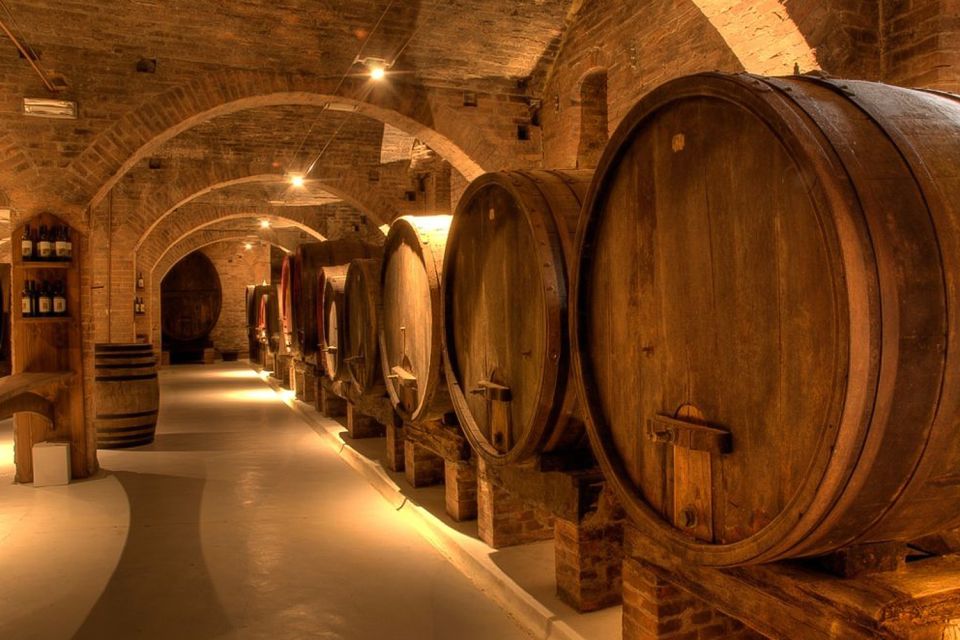
This trip is anchored at a countryside winery where you meet the owner (or a qualified winery guide). That matters. Winery staff can explain wine, sure, but owner-led tours tend to bring more personal context: how the estate works, what they prioritize, and why they make certain choices.
After a welcome introduction, you head to the cantina to see where the wine is aged. Even if you don’t know anything about fermentation vessels or storage life, you’ll leave with a more grounded picture of what’s happening between harvest and bottling. The cellar visit is one of those details that makes a tasting feel like a process, not a party trick.
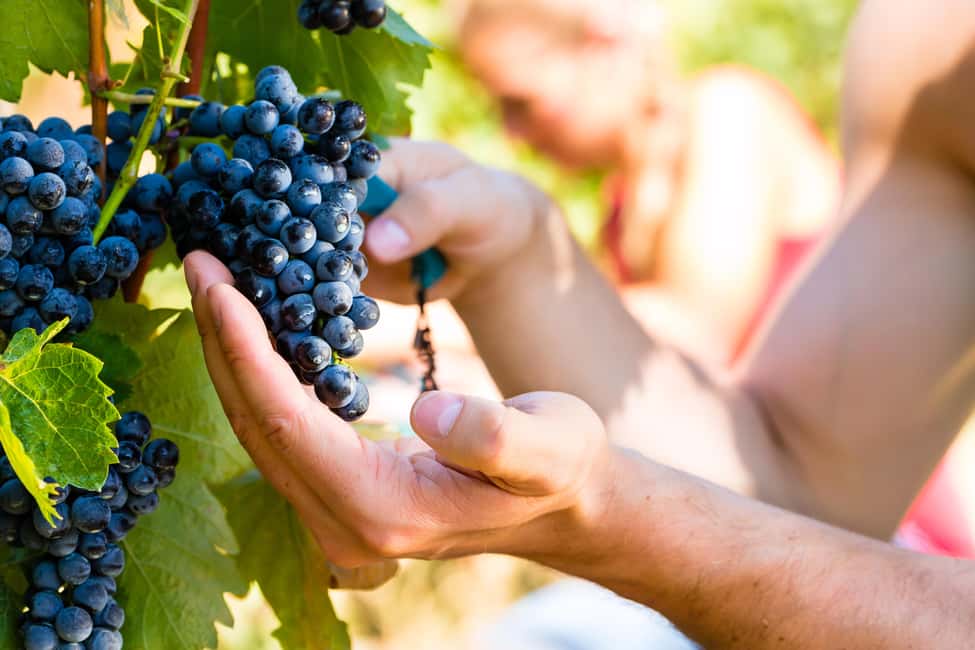
A standout theme here is organic winemaking techniques. The tour highlights teach you about production methods linked to organic practices, and you also learn about the estate’s extra-virgin olive oil. That pairing is practical and delicious—olive oil shows up in Tuscan food culture constantly, so it’s helpful to taste it in the place where it’s made.
You should expect a friendly, talk-through approach. Many people mention guides and hosts who explain history of the estate and winemaking steps clearly, with enough time to ask questions. In a small group or private setup, that Q&A feel becomes even easier.
The tasting: Chianti-area reds, whites, and olive oil with small bites

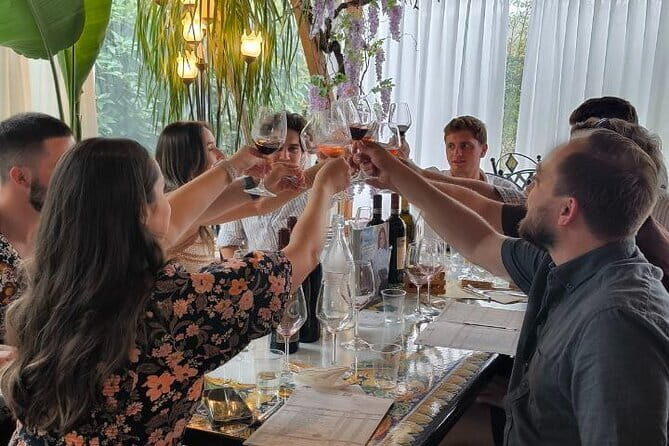
The included tastings cover red and white wines. You’ll sample wines from the Chianti area and learn how the estate describes aroma, flavor, and production choices. The tasting format is usually tied to the winery’s own lineup, so you’re not just tasting “random tourist pours.” You’re tasting what they make.
Food matters here because wine without a little something can feel flat. Several experiences pair the tasting with small bites—people mention items like cheese, bread, meats, and tasting portions that help you notice differences between the wines. Olive oil also shows up alongside the samples, which makes this feel more like a guided food-and-wine lesson than a quick sip session.
How many wines you taste can vary, but the pattern is clear from the descriptions: you’ll likely taste multiple bottles’ worth of expressions rather than only two wines. Some tastings are described as generous, with around six wines plus olive oil and bites. Plan your palate time accordingly.
If you’re doing this because you want to buy bottles, the tasting is set up for that too. You can often purchase wine and arrange shipping. If you hate fighting with airport baggage rules, shipping from the winery can be a relief.
Practical caution: you’re tasting wine in the middle of your half-day. Even if the group moves at a relaxed pace, you’ll still need to think about driving, timing, and how much you want to taste. The tour includes transport, so you’re safe from the driving side, but pace yourself so you can enjoy the ride back.
What happens on the road: views, quick stops, and the route vibe
The driving portion is part of the experience, and that’s not just marketing. The tour explicitly builds in relaxation on the transfer back to the city, with Tuscan countryside views during the return ride.
Also, some departures include a short stop or quick look at nearby places like Montecarlo. That’s not a full town visit, but it’s the kind of moment that breaks up the day and makes the route feel more like a curated day out rather than a straight shot to the winery.
Keep your camera ready, but don’t expect long photo walks. This is a half-day format, so road stops are typically brief. What you’ll get instead is steady scenic driving and a winery-focused schedule.
Organic wine talk: why this explanation style helps you choose what to drink
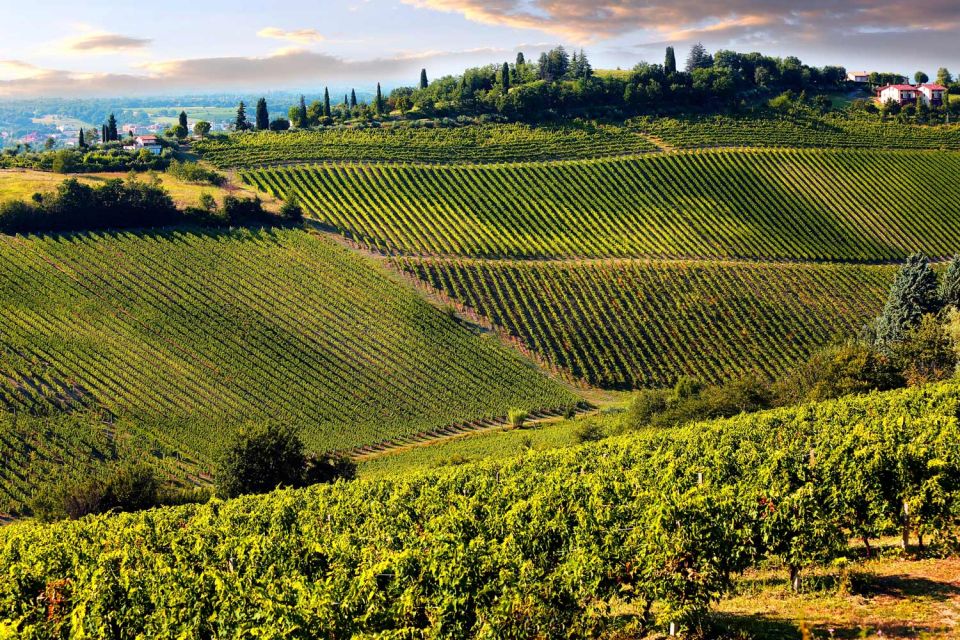
A lot of wine tours can feel like a lecture followed by a sip. This one tries to keep it grounded. Because the host walks you through the winemaking process and ties it to organic methods, you end up with useful takeaways you can apply later.
Here are the practical benefits you’ll get from this kind of explanation:
- You learn what organic practices affect in the vineyard and how the winery explains their choices.
- You connect aromas and flavors to production steps, so tasting becomes more than a guess game.
- You see the cellar aging stage, which helps you understand why a wine tastes the way it does.
That’s especially helpful if you’re the kind of person who buys wine based on a label and hopes for the best. After a tour like this, you’re more likely to recognize style cues and ask better questions when you shop later.
And because you’re tasting red and white, you can compare approaches across varieties. Even if Chianti-style reds are the headline, a white tasting gives you contrast. You’ll also start to notice what you personally like—something you can’t fully predict from tasting menus alone.




Price and value: what $99 buys you in the real world
At $99 per person for roughly four hours, you’re paying for three things bundled together:
- Transportation from Pisa or Lucca in an air-conditioned minivan
- A live guide for the regional context and tour pacing
- Winery time plus tastings (red and white) with an owner or qualified guide
If you tried to replicate this on your own, you’d likely spend money on private transport and still have to line up a winery visit plus a guided tasting slot. The value here is that the day is pre-organized, and the winery visit is the centerpiece.
This is also a “right-sized” price for what you get. You’re not paying for a multi-winery, all-day marathon. You’re paying for a focused half-day with enough learning and enough tasting to feel satisfied—without sacrificing your entire afternoon.
The biggest value question is personal: if you want one strong winery experience and a short countryside break, this price makes sense. If you want multiple wineries and a long lunch-centered Tuscany day, you might feel it’s too short and too single-stop.
Who this Chianti half-day suits best (and who might want a different plan)
This tour is a great fit if you want:
- A compact Tuscany day from Pisa or Lucca
- A winery visit with an owner/guide explanation, including a cantina/aging-area look
- Organic wine education and tasting both reds and whites
- A small-group or private feel, where you can ask questions without shouting over the crowd
It might be less ideal if:
- You’re expecting a full day with multiple wineries and a long lunch
- You’re hungry all day and don’t want to think about food timing (since lunch isn’t included)
- You have lots of luggage or are bringing items that don’t fit a no-big-bags rule (pets and luggage/large bags are not allowed)
If you’re traveling light, love wine, and want to learn without signing up for a huge itinerary, this hits the sweet spot.
Should you book this Chianti tasting tour?
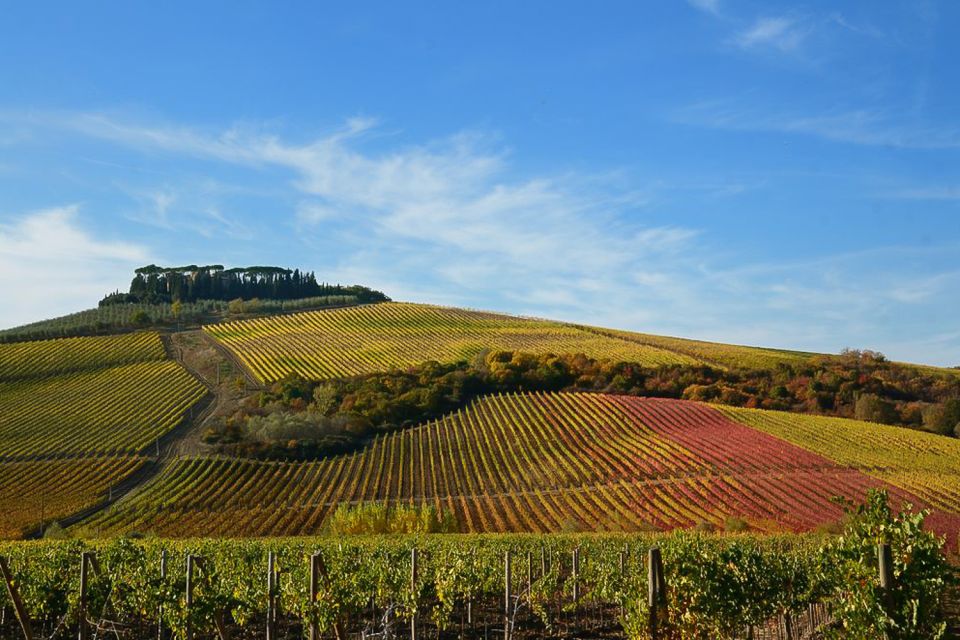
Yes, I’d book it if you want a straightforward way to experience Chianti-area wine without burning an entire day. The schedule is efficient, the winery visit includes a cantina stop, and the tasting is built around red and white sampling, with extra attention to organic methods and olive oil.
Be mindful of the one real catch: no lunch. If you’re prone to getting cranky when you’re hungry, eat before you go or plan a solid meal immediately after you return. Also, if your idea of Tuscany is wandering all day, this isn’t that. It’s a wine-centered half-day with scenic driving.
FAQ
How long is the Chianti wine tasting tour?
It runs about 4 to 4.5 hours total.
Where does the tour start?
You can choose pickup from Pisa or Lucca. Exact meeting points can vary by the option you book.
Is lunch included?
No. Lunch is not included.
What kinds of wine do you taste?
Wine tastings include both red and white wines.
Does the winery tour include anything besides wine?
Yes. You’ll learn about winemaking methods, including organic production techniques, and you’ll also get insight into the estate’s extra-virgin olive oil. Some tastings are paired with small bites.
Is this tour private or small group?
The tour offers private or small groups.