REVIEW · SIENA
From Siena: San Gimignano, Chianti, and Montalcino Day Trip
Book on GetYourGuide →Operated by My Tour in Italy · Bookable on GetYourGuide
Tuscany, compressed into one very tasty day. You get San Gimignano and Brunello country in a single, organized loop, with structured wine tastings that explain what you’re drinking as you go. I especially like the mix of guided cellar time and real free time in the towns.
My favorite parts were the hands-on tastings—four wines in Chianti plus olive oil and balsamic pairings—and the Montalcino session built around multiple DOC/DOCG styles. One thing to watch: logistics can get tight. In a small-group day like this, you may feel rushed, and pickup/vehicle details can be confusing if you don’t arrive early and double-check where the van is pulling up.
In This Review
- Key things you’ll care about
- A Full Day of Towers, Fortresses, and Three Wine Zones
- San Gimignano: The Hundred-Tower UNESCO Walk (With Vernaccia Facts)
- Chianti Winery Tasting: Olive Oil, Balsamic, and Four Wine Styles
- Val d’Orcia: UNESCO Views Between Wine Stops
- Montalcino: Brunello Vineyards and Cellar Tastings
- Price and Logistics: Great Value, But Don’t Get Casual About Pickup
- Who This Tour Fits Best (and Who Should Skip It)
- Should You Book This Siena Day Trip?
- FAQ
- How long is the Siena to San Gimignano, Chianti, and Montalcino day trip?
- Where does the tour start and end?
- What wine tastings are included?
- Is lunch included?
- What size group and vehicle should I expect?
- Is this tour suitable for wheelchair users or mobility impairments?
Key things you’ll care about
- San Gimignano free time in the historic center so you can wander at your own speed
- Chianti tasting with 4 wines plus olive oil and balsamic pairings
- Val d’Orcia UNESCO scenery as a payoff between wine regions
- Montalcino Brunello tasting that includes multiple levels (IGT, DOC, DOCG)
- Small-group size (limited to 15) but the ride can still feel packed
- Moderate walking and hills—plan for shoes that handle uneven streets
A Full Day of Towers, Fortresses, and Three Wine Zones
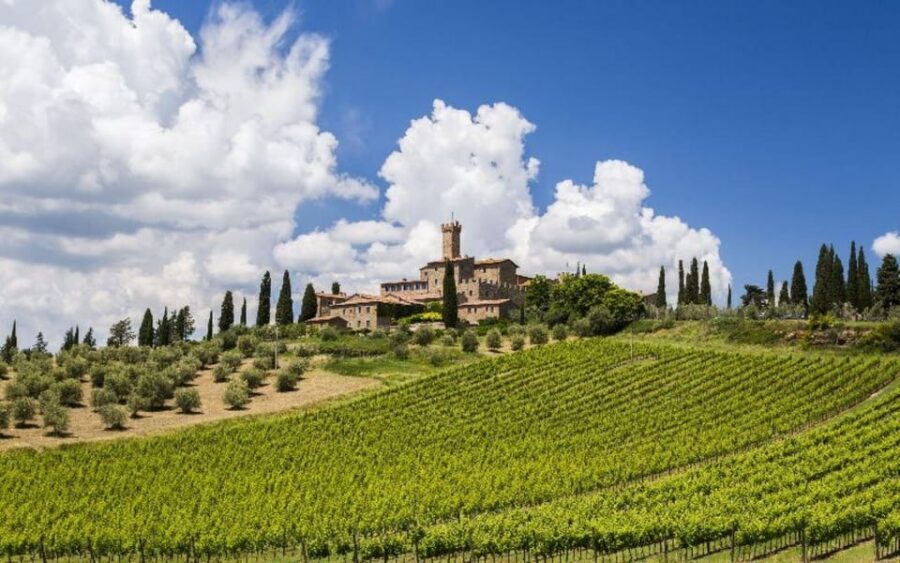
This Siena day trip is built for people who want “Tuscany highlights” without the stress of driving. You start in Siena, then move through three different wine-and-town worlds: San Gimignano, Chianti, and Montalcino, with Val d’Orcia between them.
The best value here is that the tastings are not just a quick pour. In Chianti, you’ll sample four types—Spumante Cuvée, Chianti Riserva, Toscana Rosso, and Spumante Rosé—so you can actually feel the differences between styles and texture. Then you’re paired with salami, bread, and a tasting of extra-virgin olive oils (including White Truffle and Chili Pepper) plus two balsamic vinegars.
One reality check: it’s an 11-hour day. You’ll spend plenty of time in transit, and you’ll do a moderate amount of walking in old towns. If you love slow travel, consider how much “free time” you’ll get versus how much you’ll want to linger.
Other Chianti wine tours we've reviewed in Siena
San Gimignano: The Hundred-Tower UNESCO Walk (With Vernaccia Facts)
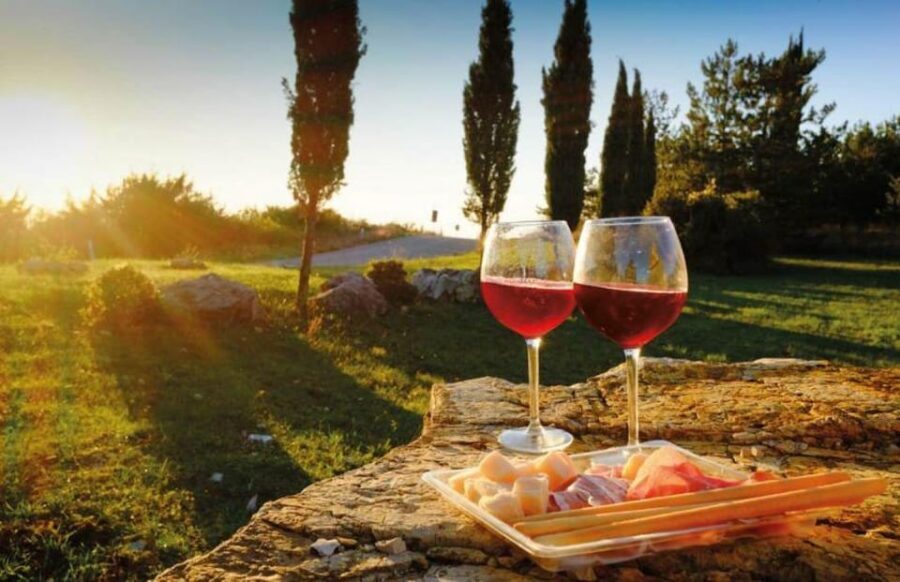
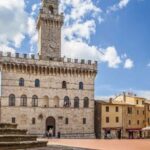
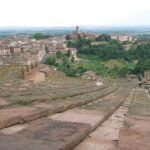
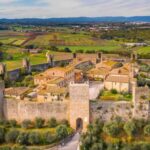
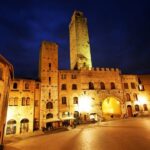
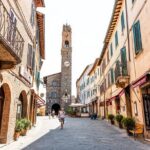
San Gimignano is the kind of place you immediately get why people come back to. This UNESCO town is often described as the city of a hundred towers, and even if you don’t count every one, the skyline effect is real. You get free time in the historical center, which is the right choice here—this town is best explored without a strict timeline.
A great detail for wine lovers: San Gimignano is the birthplace of Vernaccia, a white wine produced exclusively here. It’s also known for being the first Italian DOCG wine. Even if you don’t taste Vernaccia on this particular stop, it adds context when you see wine shops and labels in town.
What I like about this format is that you’re not stuck in a bus window until the next stop. You can pop into artisan shops, take photos from the right angles, and just absorb the medieval layout. The trade-off is time: the day is full, so your San Gimignano window may feel shorter than you’d like if you want lots of sitting-down time at cafés.
Practical tip: wear shoes with grip. The streets in historic centers can be uneven, and you’ll be moving at a casual walking pace for a while.
Chianti Winery Tasting: Olive Oil, Balsamic, and Four Wine Styles
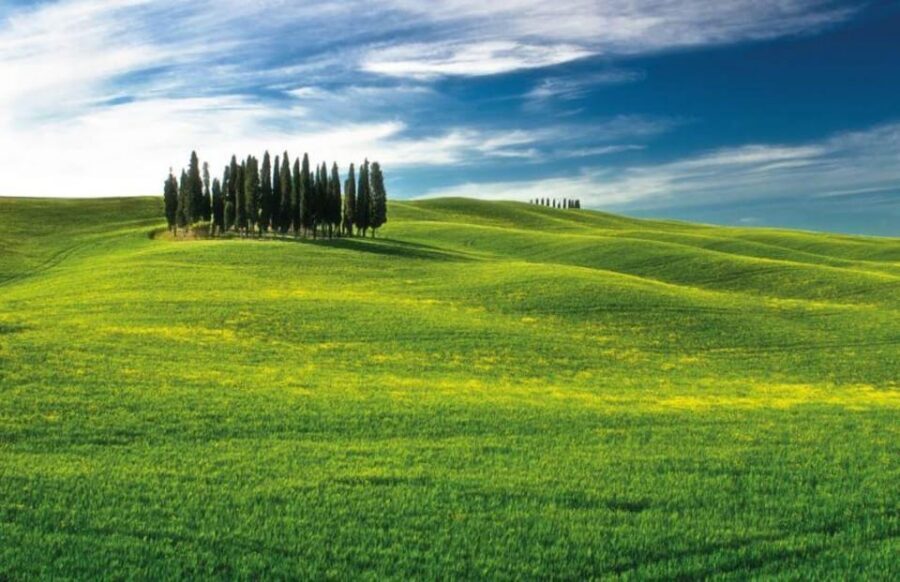
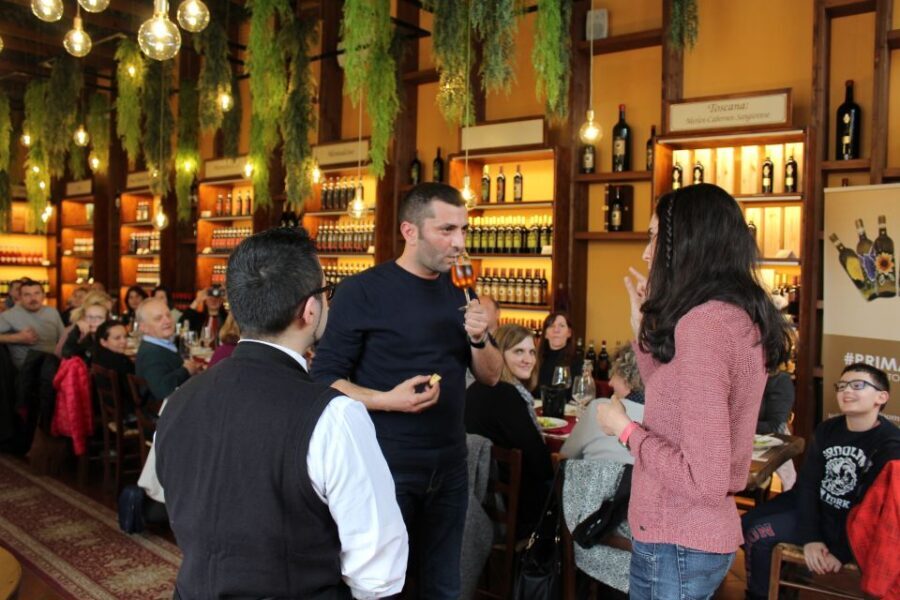
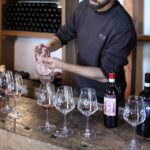
Chianti here is designed like a learning experience, not a rushed “drink and go.” You’ll relax at a Chianti wine estate, get a guided tour of the wine cellars, and hear the stages of production. Then comes the tasting that makes the stop worth the detour.
You’ll taste four different types of wine:
- Spumante Cuvée
- Chianti Riserva
- Toscana Rosso
- Spumante Rosé
That lineup is smart because it forces comparison. You’re not just tasting four labels; you’re tasting four different approaches, from sparkling to still reds, so your palate gets educated quickly.
Food pairing matters in this tour, and it’s built in. You get salami and bread, plus a tasting of three extra-virgin olive oils—Frantoiano Biologico, White Truffle, and Chili Pepper. You also taste two balsamic vinegars, from Modena and Lacrime Viola, paired with bread.
If you’re the type who thinks olive oil tasting sounds “extra,” it turns out to be one of the easiest ways to understand flavor differences in Tuscany. The oils are very much part of the local food culture, and the Chili Pepper and White Truffle options make it memorable fast.
One more thing to know: the exact winery can vary, but the amount you taste stays the same, with differences mainly in which wine types you get within the tour’s tasting structure.
Val d’Orcia: UNESCO Views Between Wine Stops
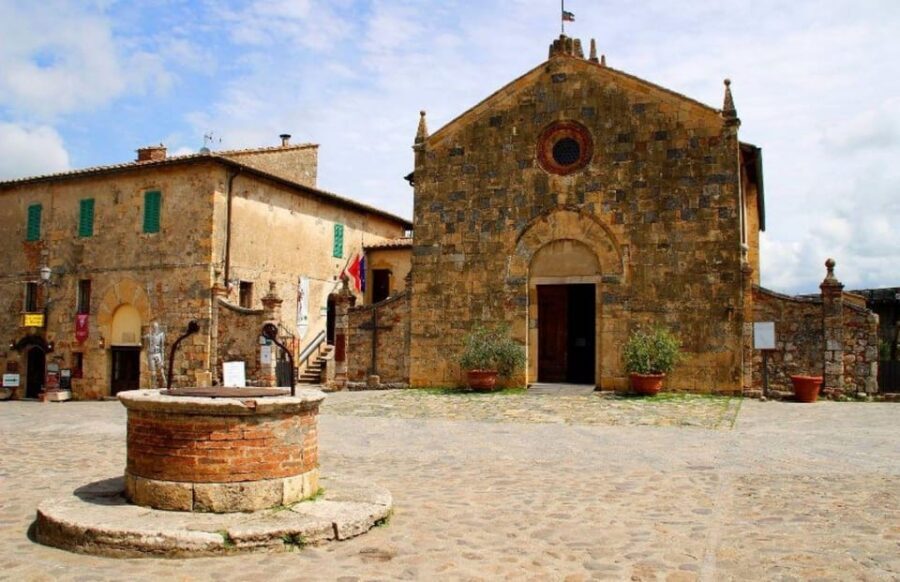
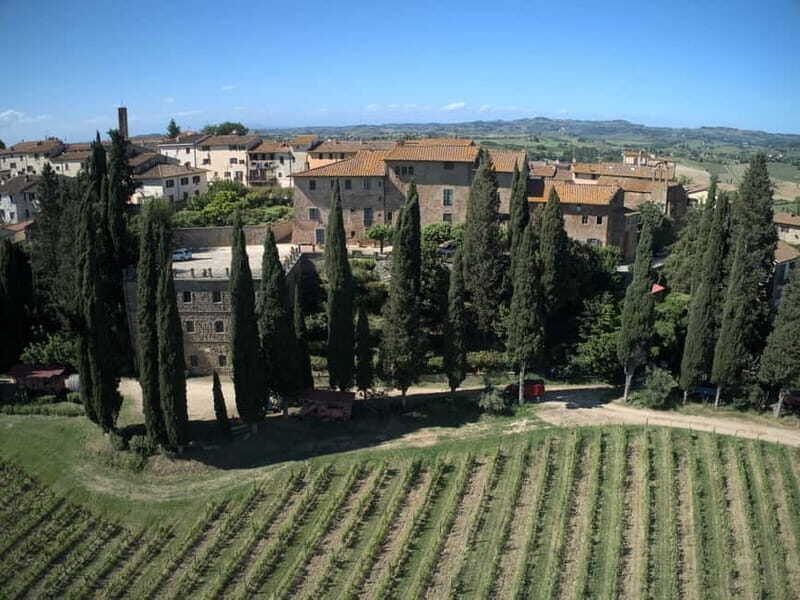
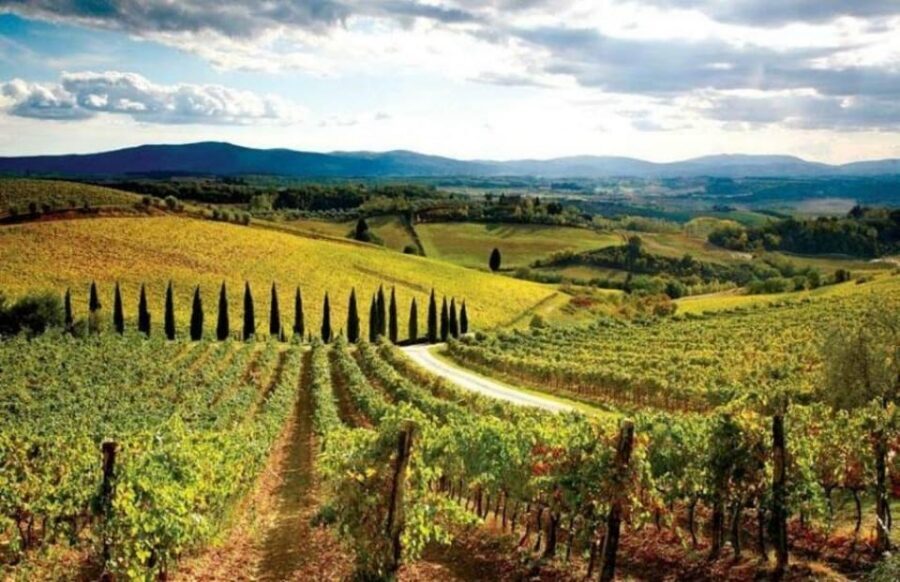
Val d’Orcia is your break from the “two wineries, two towns” rhythm. This area is another UNESCO World Heritage site (listed since 2004), and it’s famous for that classic Tuscan look—golden fields, stone farmhouses, and long views that make you stop talking for a second.
Even when you’re not getting a long, guided hike, the drive through the region is part of the point. The whole day has a pattern: town beauty, wine education, then scenery. Val d’Orcia is where the day resets visually.
What I’d plan for: expect more “looking and photographing from stops” than “deep walking.” The tour is built for a full schedule, so this is scenery time you can enjoy from the ground, not a nature retreat.
If you want the best photos, keep your camera ready during the transitions. The most photogenic moments often happen in the moments you’re least expecting—when the light hits the valley just right.
Montalcino: Brunello Vineyards and Cellar Tastings
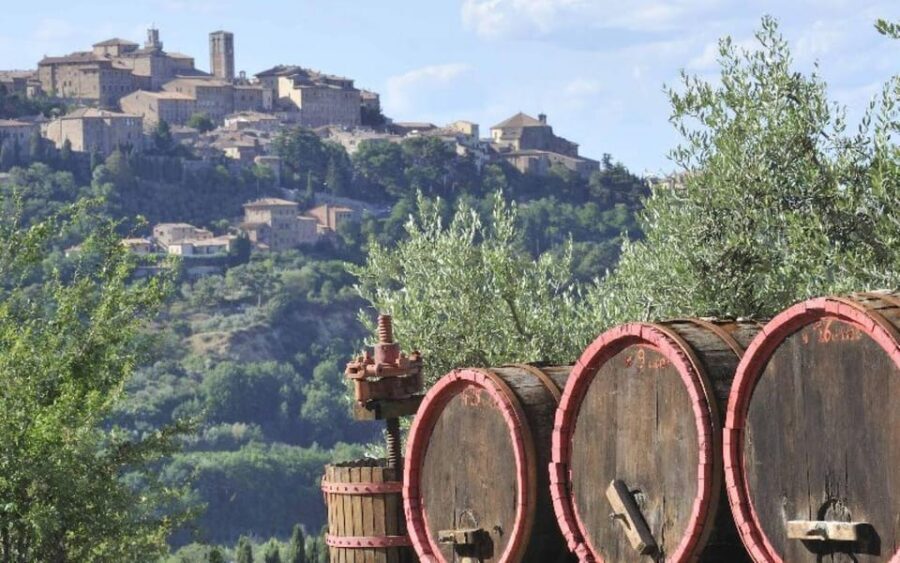
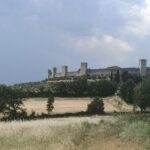
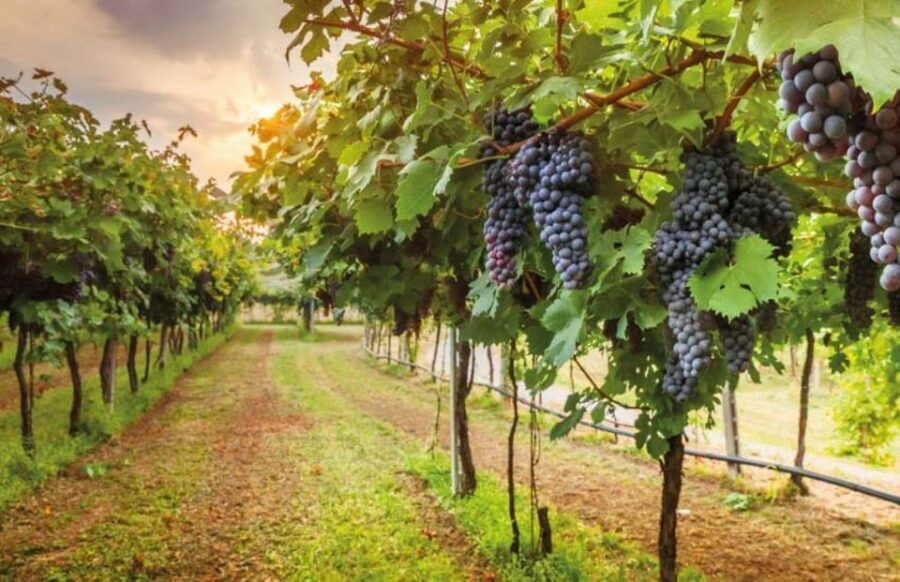
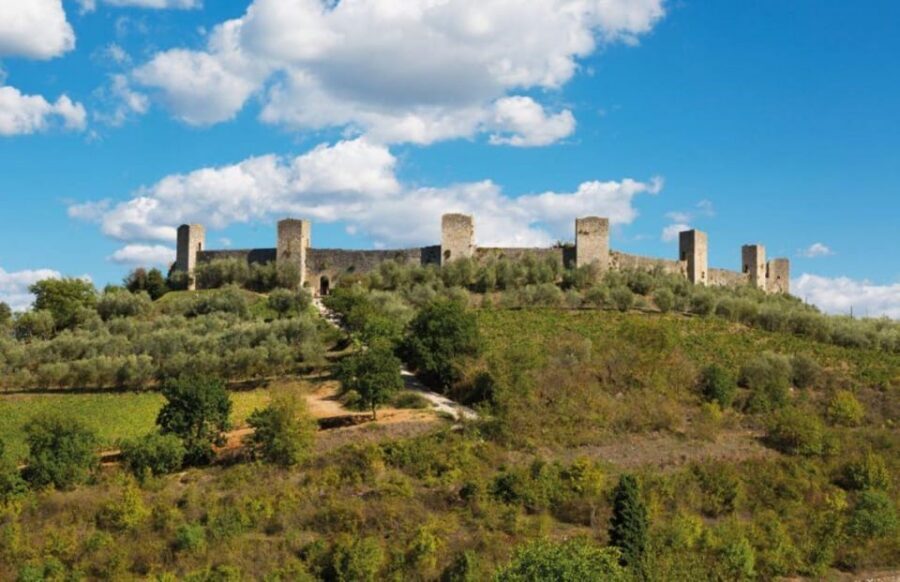
Montalcino is the hill town that dominates its wine zone. From this elevated vantage point, the Brunello vineyards cover about 1,500 hectares, which is a big reason the area became world-famous for Brunello di Montalcino.
You’ll get free time in Montalcino as well, so you can explore the fortress-town feel, then shift into the wine part of the day. The tour includes tastings in local cellars, plus a second winery experience that goes beyond just sitting in a tasting room.
Here’s what makes the wine lineup meaningful. Your Montalcino tastings include around four wines with a mix of categories:
- 2 IGT Toscana Rosso or Toscana Bianco
- 1 DOC Rosso di Montalcino
- 1 DOCG Brunello di Montalcino
That structure helps you understand where Brunello fits in the broader local spectrum, instead of treating it like the only wine that matters.
Food pairing is also stronger here, in a way that feels like it belongs in a Tuscan cellar. You’ll try bruschetta made with home-produced olive oil, plus a selection of local cured meats and cheeses. It’s a classic combo, and it works because the wines have enough character to stand up to savory flavors.
In the best moments of this stop, you’ll get that “okay, now I get it” feeling about Brunello: it’s not just a fancy bottle, it’s a whole local system—vineyards, production choices, and a tasting room built for slowing down.
Other San Gimignano tours we've reviewed in Siena

Price and Logistics: Great Value, But Don’t Get Casual About Pickup
At $158.60 per person for an 11-hour day, this trip can be solid value if you like included tastings and organized transport. The money isn’t just paying for seats on a vehicle. It’s paying for winery time, structured tastings, and the pairings (salami, olive oils, balsamic vinegars, bread; then bruschetta plus cured meats and cheeses).
The biggest “value question” is whether you enjoy tasting sessions enough to justify a long day. If your ideal Tuscany experience is scenery with minimal alcohol, this might feel like too much wine.
The logistics piece matters too. The start point is Siena: Stazione di Siena – Ferrovia, and the tour returns you there. But one caution from real-world experience: pickup instructions may not feel perfectly intuitive. If the van pulls into a different area than you expect, you can waste time—or worse, get left behind while you’re figuring it out.
So here’s my practical advice:
- Arrive early at the station.
- Have the operator’s number ready.
- If something looks off, call and confirm exactly where you should meet the vehicle.
Also, even with a limit on group size (limited to 15), you might still end up in a small minivan depending on day and headcount. That means fewer personal-space comforts, less room for backpacks or souvenir bags, and more packed seating than you’d hope for.
Who This Tour Fits Best (and Who Should Skip It)
This is a great match for you if you:
- Want San Gimignano and Montalcino without driving yourself
- Enjoy guided tastings and learning the basics of wine production
- Like town walking but don’t want to plan transit between regions
- Want a day built around pairings (olive oil, balsamic, cured meats), not just wine
It’s not the best fit if you:
- Need wheelchair access or have mobility limitations (the tour is not suitable for mobility impairments or wheelchair users)
- Get stressed by tight schedules and long driving days
- Expect lots of free time in each town
One more fit note: the tour is described as a small group, and that’s usually where the experience feels more personal. When the guide team is on point, it can really lift the day. In this tour’s orbit, names like Valaska and Francisco have shown up as guide strengths—especially when it comes to explaining what you’re tasting in plain language.
Should You Book This Siena Day Trip?
Book it if you want a well-structured Tuscany day with real tasting time in Chianti and Montalcino, plus two UNESCO towns/areas that make the photos worth the early start. The included tastings are the heart of the value, and the pairings make the wines more understandable.
I’d hesitate only if you hate the idea of an 11-hour schedule, dislike wine-focused days, or you know you’ll struggle with stairs and uneven historic streets. Also, because pickup can feel confusing, make your own life easier by arriving early and confirming your exact vehicle location.
If the idea sounds right, this is the kind of tour that gives you a lot of “I get Tuscany now” moments—tower town views, cellar talk, and Brunello tastings you’ll remember when you’re back home.
FAQ
How long is the Siena to San Gimignano, Chianti, and Montalcino day trip?
It lasts 11 hours.
Where does the tour start and end?
It starts at Siena: Stazione di Siena – Ferrovia and ends back at the same meeting point.
What wine tastings are included?
In Chianti, you’ll taste about four wines (Spumante Cuvée, Chianti Riserva, Toscana Rosso, Spumante Rosé) with salami, bread, three extra-virgin olive oils, and two balsamic vinegars. In Montalcino, you’ll taste about four wines (including IGT, DOC Rosso di Montalcino, and DOCG Brunello di Montalcino) plus bruschetta made with home-produced olive oil and cured meats and cheeses.
Is lunch included?
Lunch is not included. It’s listed as optional at the Chianti winery and is at your own expense.
What size group and vehicle should I expect?
The tour uses an air-conditioned minivan (up to 8 people) or an air-conditioned minibus (up to 20 people), and it’s limited to 15 participants. The exact vehicle can vary by the day.
Is this tour suitable for wheelchair users or mobility impairments?
No. The tour is not suitable for people with mobility impairments and not suitable for wheelchair users.