REVIEW · SIENA
Tuscany: Self-Guided Video Tour with World’s Top Experts
Book on GetYourGuide →Operated by AppyGuide · Bookable on GetYourGuide
Tuscany gets smarter with headphones. AppyGuide turns Florence and the broader region into bite-sized English video stories narrated by art and history experts, with coverage that even calls out places like Capela Brancacci and the Last Supper. You also get unlimited replays for three months, but one key catch is you must have strong 5G/LTE to stream the content in real time.
I like the flexibility of a self-guided setup. You choose the order of Siena, Pisa, Lucca, Montepulciano, San Gimignano, and the rest, and you can pause, rewind, and restart at your pace.
The overall feel is part classroom, part streets-and-stones walk. If you want your sightseeing to come with context on demand, this is an easy way to do it without booking a new guide every day.
In This Review
- Key things I’d focus on before you buy
- How the AppyGuide Tuscany video tour fits real travel days
- Price and value: $45 for a year of English expert stories
- What you actually get: 70+ bite-sized videos, expert narration, and frequent updates
- Florence first: museums plus secret alleys on your own schedule
- Siena, Pisa, Lucca, and the iconic-city day plan
- Beyond the headlines: Arezzo and the art-history context you can carry
- Hill towns and winemaking stories: Montepulciano, Pienza, Montalcino, and friends
- Chianti valleys and lesser-known stops: Monteriggioni to Pitigliano
- Your practical kit: headphones, charged phone, power bank, and the 5G/LTE rule
- How easy it feels: simple use, short segments, and repeatable learning
- Who should book this self-guided Tuscany video tour
- Quick decision: should you book AppyGuide for Tuscany?
- FAQ
- How much does the Tuscany self-guided video tour cost?
- What is the duration and how long can I access the content?
- How many English video stories are included?
- Do I need internet to use the tour?
- What device do I need to access the audio guide?
- Is Florence included, or is it only smaller towns?
- Are museum or attraction entry fees included?
Key things I’d focus on before you buy

- 70+ English narrated video stories built for short listening sessions while you’re walking
- Expert art and history narration designed to explain what you’re seeing, not just list it
- Full Florence coverage, including museums and quieter alleys you might otherwise skip
- Tuscany city-to-town routing, from big names like Siena to smaller stops in the Chianti valleys
- Real-time streaming requirements (5G/LTE needed; 2G/3G is not enough)
How the AppyGuide Tuscany video tour fits real travel days
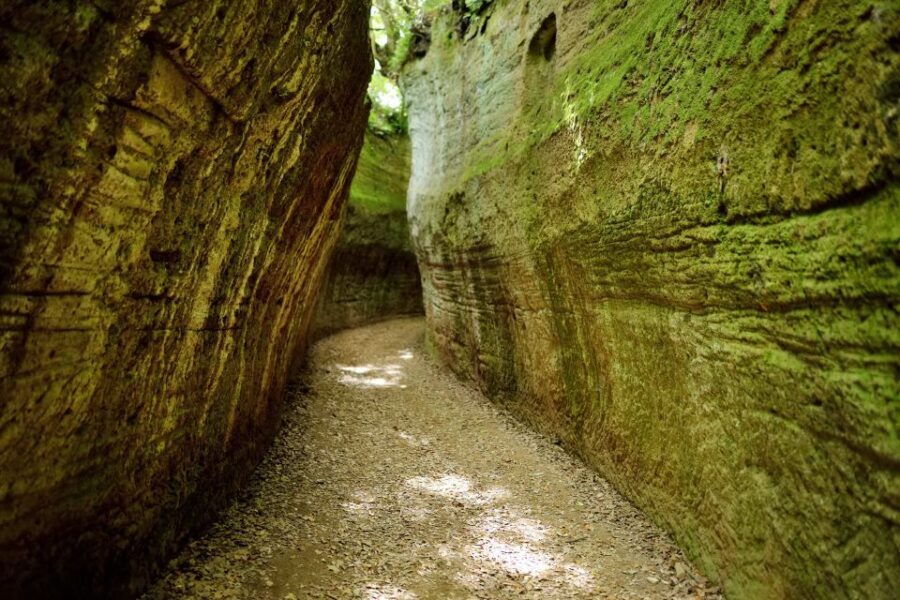
This is not a bus tour with a fixed schedule. It’s a self-guided, headphone-first experience that you run from your phone (or another device) through AppyGuide’s website.
That matters because Tuscany days often get messy in the best way. You’ll find yourself lingering at a view, ducking into a church, or changing plans because the light looks better in one neighborhood than another. With a self-guided format, you can match the video story to the exact moment you’re standing there.
The other big advantage is replay. You can revisit a story as many times as you want within three months after purchase. For places like Florence museums and major sights, that turns a one-time visit into something you can revisit at a calmer pace later the same trip.
Other guided tours in Siena

Price and value: $45 for a year of English expert stories

$45 is the kind of price that makes sense if you’ll actually use it. Here, you’re getting 70+ English narrated video stories plus coverage for both Florence and Tuscany.
What makes the value feel real is the mix of big-city highlights and smaller towns. You’re not locked into just Pisa and Siena. You can build a route that includes Montepulciano and San Gimignano, then add quieter stops like Monteriggioni or Sovana, depending on what day you want.
Also, you’re not paying again if you extend your trip or return later within the 365-day validity window. That’s a practical win for anyone who plans a second Italy trip, or who simply wants the flexibility to start when their dates finally align.
What you actually get: 70+ bite-sized videos, expert narration, and frequent updates
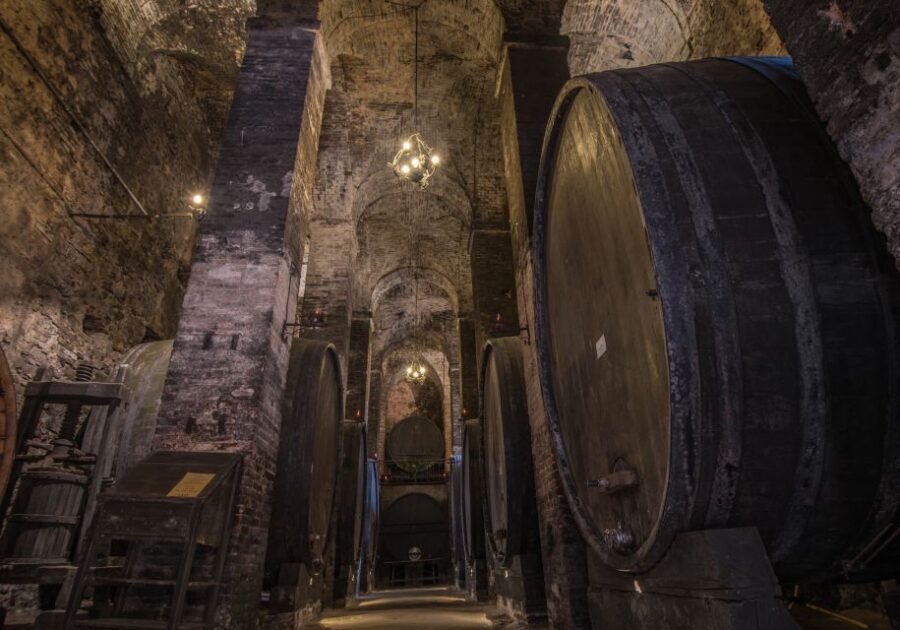
The core product is English audio video stories that you listen to while touring. The setup is meant to be easy to follow, with bite-sized segments rather than long lectures that make you stop walking.
You’re also not just getting generic travel commentary. The narration is described as coming from expert historians and presenters, and the content is focused on art, history, and local culture. That’s the difference between hearing about a place and understanding why it mattered in the first place.
A nice detail: the service includes regular content refreshes. That means your library may feel less static over time, which is helpful if you return to Tuscany in a later year or take multiple days across different towns.
Florence first: museums plus secret alleys on your own schedule

Florence coverage is part of the package and includes video content for museums as well as secret alleys. That’s a smart combination, because Florence is the kind of city where your route can either feel planned or feel random.
If you build your day around major museums, you often miss the texture of the city between them. These short stories help you connect the dots while you’re actually moving through the streets, not only during ticketed stops.
I also like that the narration can guide you toward specific works and sites you might otherwise overlook. One example from the experience notes is attention to Capela Brancachi and the Last Supper. If you’re already an art fan, this kind of pointing matters. If you’re a first-timer, it helps you feel less lost.
Practical tip: plan Florence in blocks. Watch one story before you enter a museum area, then another as you walk between stops. You’ll get more “why it matters” per hour than if you try to do everything in one long session.
Siena, Pisa, Lucca, and the iconic-city day plan

This tour includes major Tuscany names like Siena, Pisa, and Lucca, plus other cities such as Arezzo. The videos are designed to pair with sightseeing, so you’re not just consuming content in a hotel room.
For a first-time Tuscany trip, the value of these cities is that they give you the region’s big visual and cultural themes quickly. Siena adds that distinct sense of medieval city fabric. Pisa and Lucca help you see the broader historical and artistic story of Tuscany without needing to travel far off the main route.
The drawback of focusing on big cities is time pressure. If your days are crowded with museums plus long walks, it’s easy to feel overloaded. The upside here is the “bite-sized” format. You can keep sessions short and stop when you’re still curious, not when you’re tired.






Beyond the headlines: Arezzo and the art-history context you can carry
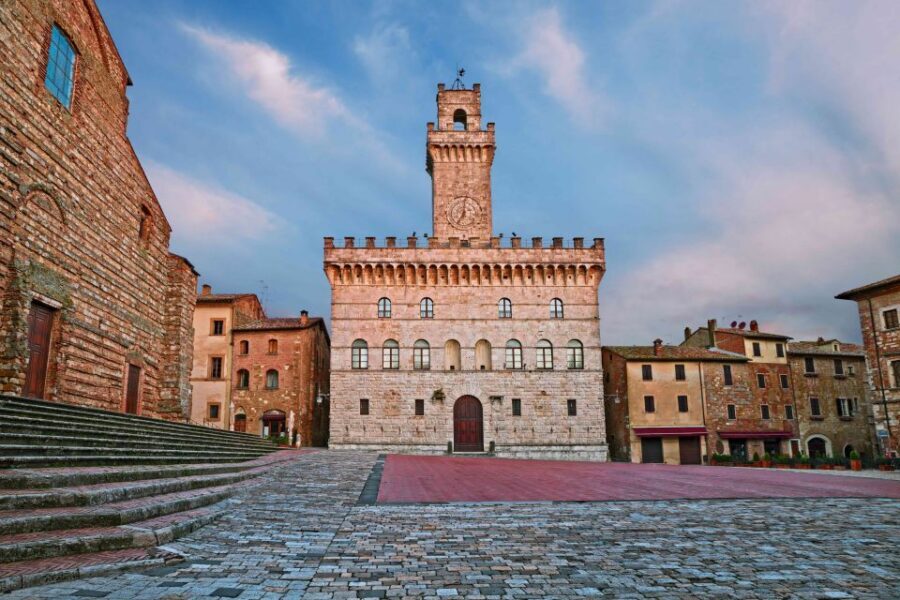
Arezzo is included, and the way this tour approaches it is useful. Instead of treating each city as a separate check-box, the videos aim to connect art and history to the place you’re standing in.
That approach is especially helpful if you’re the type who likes to understand what you’re looking at. Even if you don’t recognize every detail on sight, the narration gives you context fast enough that it still lands while you’re walking.
If you’re more of a casual browser, you can keep it lighter. Use the videos as a “tap-in” guide: press play when you want a quick explanation, then carry on exploring without feeling like you’re stuck listening the whole time.
Hill towns and winemaking stories: Montepulciano, Pienza, Montalcino, and friends

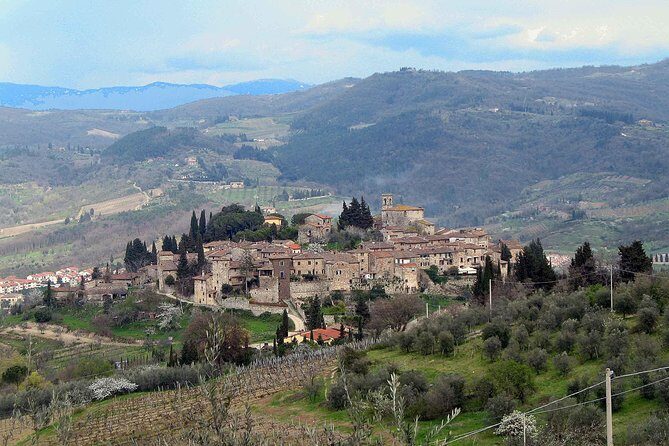
The tour covers hill-town favorites such as Montepulciano, Pienza, and Montalcino, along with San Gimignano, Volterra, and Cortona. It also specifically mentions culinary and winemaking tales.
That’s an important match for how Tuscany travel actually works. These towns are often less about one single landmark and more about the experience of moving through a landscape of stone streets, views, and local tradition. Winemaking content fits naturally here because it gives you a cultural thread that connects meals, markets, and regional pride.
A practical consideration: hill towns can be time-consuming if you cram too many into one day. Since the tour is self-guided, you can spread the stories across multiple towns rather than trying to “finish” everything in a single rush. That tends to make the experience feel more personal and less like a checklist.
Chianti valleys and lesser-known stops: Monteriggioni to Pitigliano
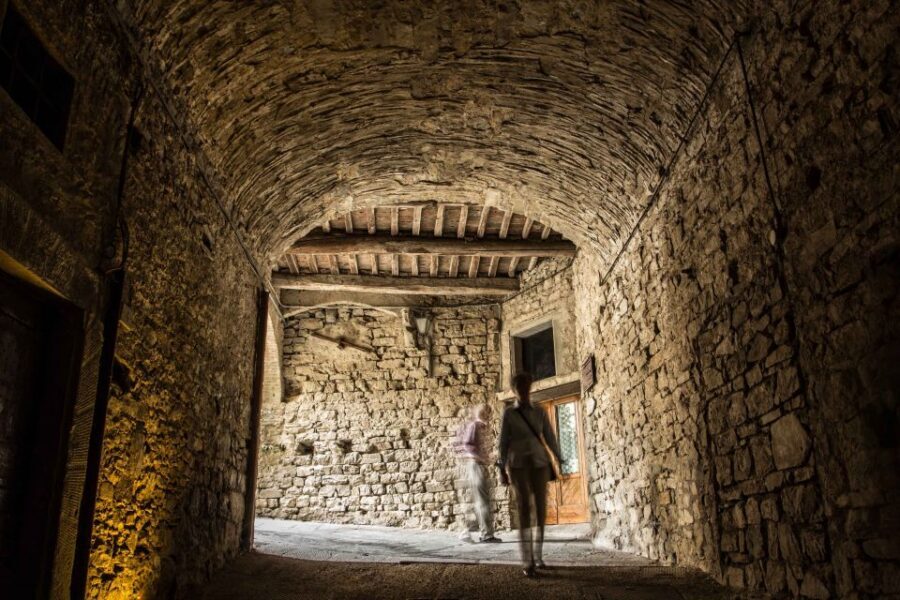
One of the most rewarding ways to use this tour is to go beyond the headline names. The package includes towns such as Monteriggioni, Sovana, Pitigliano, Pistoia, and Carmignano, plus many other places in the Chianti valleys.
These stops matter because they change the pace. Big cities can feel like you’re moving between major attractions. Lesser-known towns often feel slower and more lived-in, which is great if you want Tuscany that feels like you’re discovering it, not only touring it.
The “hidden” part is really just that these towns aren’t always on everyone’s first draft itinerary. AppyGuide helps by giving you enough background that you know what you’re looking at, even if you didn’t grow up studying Italian art and history.
Tip for using this section well: pick one main town per day, then attach one nearby stop. That keeps travel time from eating your best hours.
Your practical kit: headphones, charged phone, power bank, and the 5G/LTE rule

This is the one piece you can’t ignore. AppyGuide streams content in real time, and it requires a stable 5G or LTE connection. 2G and 3G speeds are not sufficient.
So before you head out, I’d do two things. First, confirm you can access the stories through the app interface on the website where the audio runs. Second, plan for dead zones. Tuscany has plenty of spots where signal can be patchy, especially in smaller towns or while you’re walking uphill.
To get the smoothest experience, bring:
- Headphones
- A charged smartphone
- Internet access (with an emphasis on 5G/LTE)
- A power bank
If you hate connectivity stress, you might want to download offline audio elsewhere. This product is not described that way, so rely on your phone’s data plan and real coverage where you’ll be.
How easy it feels: simple use, short segments, and repeatable learning
The experience notes describe the app as easy to use. That’s a big deal because tech friction kills curiosity. If the interface is simple, you can spend energy learning instead of tapping through menus.
The learning style also helps. The stories are narrated and designed for listening while you’re out walking, and the format is meant to feel fun as well as informative. If you’re an art lover, you’ll likely appreciate the focused explanations. If art isn’t your main interest, you still get enough context to enjoy the places more.
The replay feature is another sleeper benefit. Use it like a museum soundtrack: if you catch something interesting, rewind later the same day, or revisit the story when you’re back in your lodging.
Who should book this self-guided Tuscany video tour
This is a strong match if you want to:
- Build your own Tuscany itinerary from cities and towns listed in the guide
- Learn art and history context without committing to daily guided tours
- Enjoy English narration and want content that works with walking time
- Return within the validity window thanks to the 365-day access period
It may not be ideal if you:
- Rely on weak mobile coverage, since 5G/LTE is required
- Have hearing limitations, since it’s stated as not suitable for hearing-impaired people
- Travel with kids under 13, since it’s not suitable for children under that age
Wheelchair accessibility is listed as available. If you use a wheelchair, you’ll likely appreciate the self-guided pacing because you can move according to your comfort and the day’s terrain.
Quick decision: should you book AppyGuide for Tuscany?
If you’re the kind of traveler who likes to understand what you’re seeing, AppyGuide is a good value. For $45, you’re buying a large library of 70+ English video stories plus Florence coverage, with replay allowed for three months and access lasting 365 days.
I’d book it if you trust your mobile coverage and you’re comfortable using your phone with headphones. I wouldn’t book it if you expect to spend many hours in areas without reliable LTE/5G, since real-time streaming is central to how it works.
FAQ
How much does the Tuscany self-guided video tour cost?
It costs $45 per person.
What is the duration and how long can I access the content?
The validity is 365 days.
How many English video stories are included?
You get 70+ English narrated video stories.
Do I need internet to use the tour?
Yes. The tour is streamed in real time and requires a stable 5G or LTE internet connection. 2G and 3G speeds are not sufficient.
What device do I need to access the audio guide?
You need a smartphone or other device to access the audio guides.
Is Florence included, or is it only smaller towns?
Florence is included with video content covering museums and secret alleys, along with the rest of Tuscany.
Are museum or attraction entry fees included?
No. Entry fees to museums or attractions are not included.