REVIEW · SIENA
Siena: Small Group Cooking Class in Chianti Farmhouse
Book on GetYourGuide →Operated by My Tour in Italy · Bookable on GetYourGuide
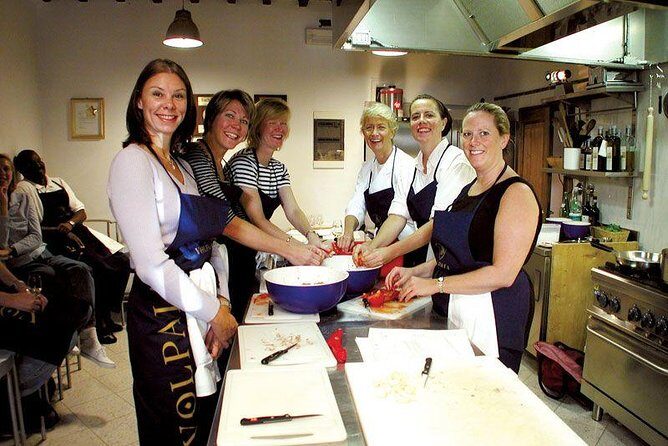
A Chianti farmhouse makes food feel personal. This small-group cooking class turns Tuscany into something you actually handle—pasta dough, sauces, and dessert—inside a real home-kitchen setup. You’ll learn the techniques behind beloved dishes and then eat them with drinks, while the chef talks through what matters in Tuscan cooking.
I especially like the hands-on pasta time and the teacher’s clear, patient approach. Chef Simone (English, Italian, Spanish) explains ingredients and steps in a way that sticks, and the group stays relaxed—often small enough that you don’t feel lost in the crowd.
One thing to plan around: the farmhouse involves stairs, and it’s not suitable for wheelchair users. If stairs are a challenge for you, this may be frustrating before you even start cooking.
In This Review
- Quick hits before you go
- A Chianti Farmhouse Kitchen near Siena
- What you cook: ravioli, pasta, bruschetta, and tiramisu
- How the 4 hours usually flow (so you can plan your energy)
- The setting: stairs, farmhouse charm, and real Tuscan views
- Chef Simone and the multilingual teaching vibe
- Included meal and drinks: what that adds to the price
- The little practicalities that matter on a farmhouse day
- Who should book this Siena to Chianti cooking class
- Should you book it?
- FAQ
- How long is the cooking class?
- What’s included in the price?
- Are hotel pickup and drop-off included?
- What languages are available during the tour?
- Is this class suitable for children?
- Are pets allowed?
- Is the experience wheelchair accessible?
- What’s the cancellation policy?
Quick hits before you go
- Chef Simone’s instruction style: clear steps, lots of patience, and good explanations for beginners.
- Make and eat full Tuscan dishes: not just watching—your meal comes from your work.
- Wine is part of the experience: drinks are included, and Chianti often shows up during the meal.
- Real farmhouse setting: a charming Chianti home base with big Tuscan views.
- Typical menu includes pasta + dessert: ravioli (often spinach and ricotta) and tiramisu show up in many classes.
- You’ll need to use stairs: plan your shoes and energy level accordingly.
A Chianti Farmhouse Kitchen near Siena
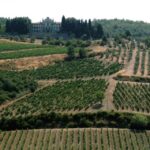
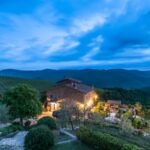
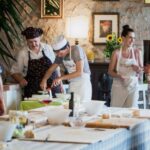
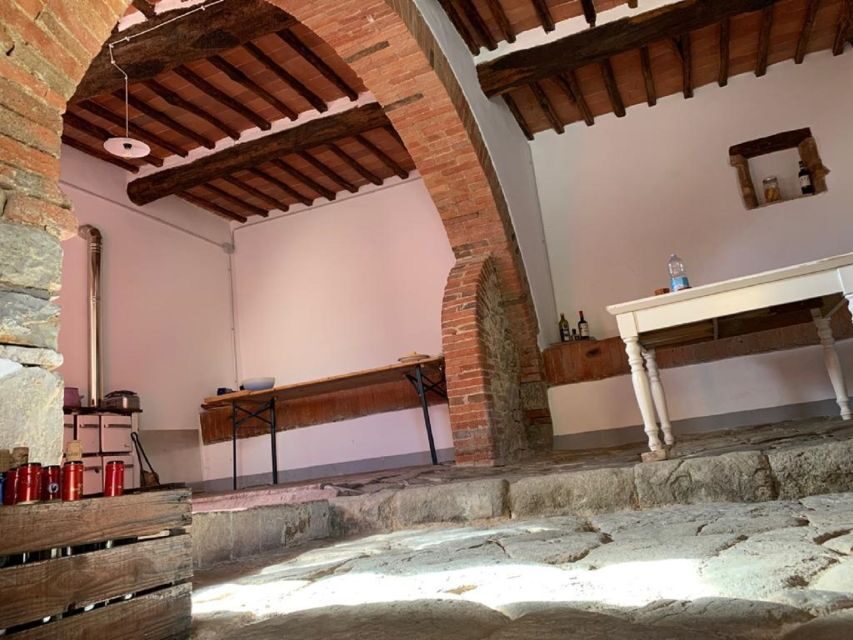
This is the kind of class that feels like you’ve been invited to the countryside for lunch, not like you’re herded through a tourist show. The location is a Chianti farmhouse setting with that “I can see why people come back here” feeling—views, rustic home energy, and a kitchen where cooking is the point.
What makes it work for your trip is the mix of structure and freedom. You’re not just eating Tuscan food on a plate—you’re learning how it’s built. And when the chef teaches the why (ingredients, texture, and timing), it becomes way easier to recreate at home.
The class is also specifically designed for a small group, which changes the whole vibe. In reviews, people describe classes with just a handful of participants, and even when the group grows, you’re still in a guided learning environment. That matters if you want to actually ask questions while your dough is in front of you.
Other Chianti wine tours we've reviewed in Siena
What you cook: ravioli, pasta, bruschetta, and tiramisu
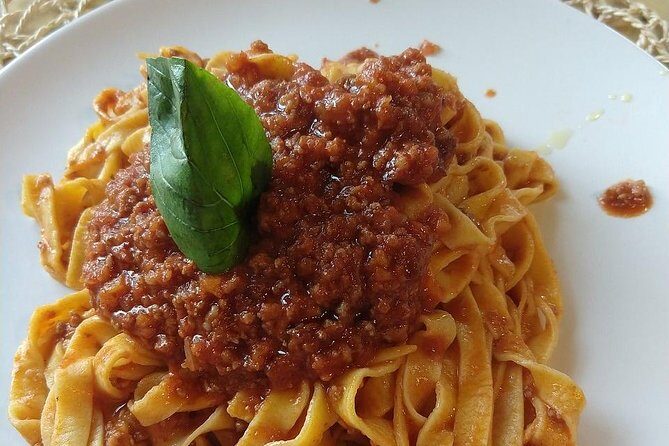
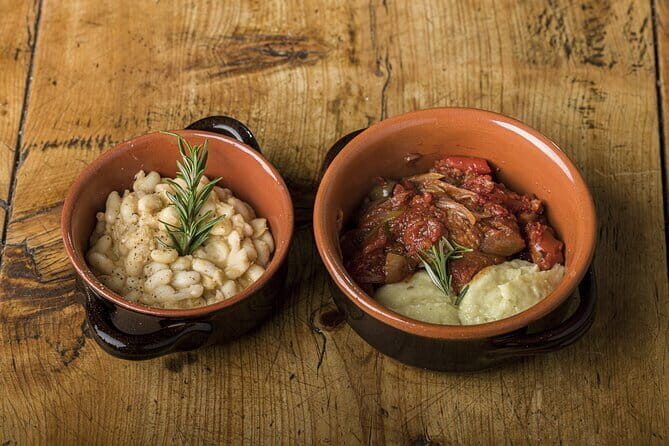
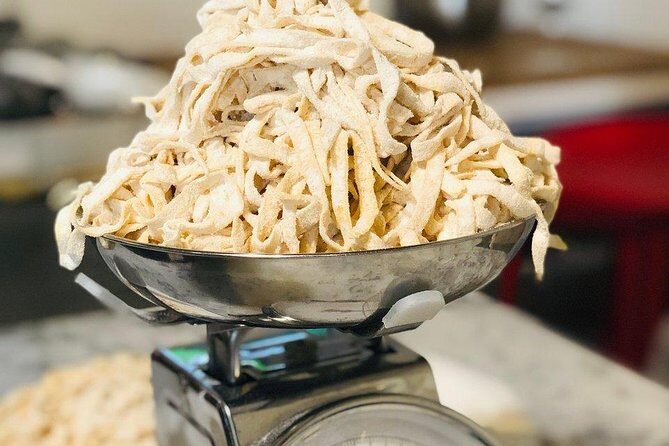
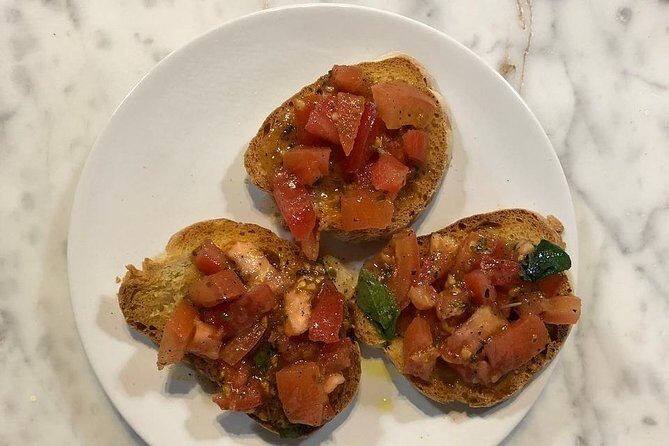
The core of the class is classic Tuscan comfort food: homemade pasta and an unmistakable dessert finish. Dishes mentioned across the experience include pici (a Tuscan hand-rolled pasta), bruschetta or crostini (toasted bites), ravioli, and tiramisu.
Here’s what’s especially useful for you to know if you’re trying to judge value:
- Ravioli, often spinach and ricotta: you learn to portion, fill, and seal pasta. This is the skill that tends to feel hard at first—and satisfying once you get it right.
- Tiramisu from scratch: the class doesn’t treat dessert like an afterthought. You get the method so it’s not just a recipe handoff.
- Bruschetta/crostini preparation: it gives you an easy Tuscany win you can repeat at home with better bread and simple toppings.
- Pasta technique focus: whether the menu includes pici or ravioli, the chef’s instruction centers on dough handling, shaping, and timing.
A small but meaningful extra: one person notes a garden moment—picking fresh artichokes and turning them into a salad. That sort of add-on is exactly how farmhouse cooking classes feel different from a standard demo. You’re seeing where ingredients come from, not just eating them.
How the 4 hours usually flow (so you can plan your energy)
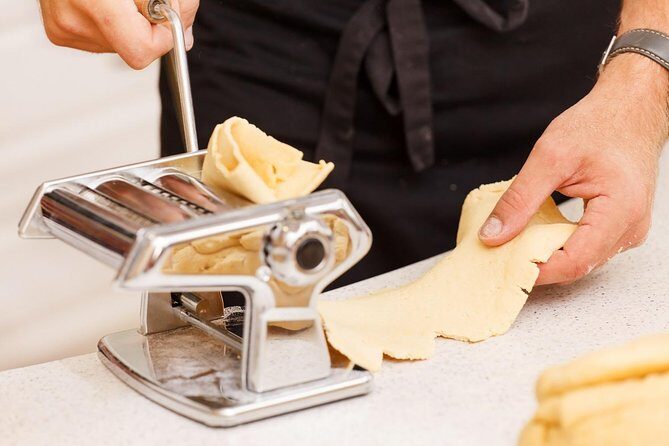
The total time is 4 hours, and the pacing is built for learning without turning the day into a marathon. While the exact order can vary by class, the pattern is consistent: learn, cook in stages, then sit down and eat together.
Typically, it goes like this:
- Welcome + kitchen briefing
You’ll start in the farmhouse cooking environment with introductions and a quick sense of what you’re making. The chef teaches the baseline ingredients and the texture targets so you know what success looks like.
- Pasta work (the real centerpiece)
This is where most of your time and attention go. You’ll get instruction for rolling/handling and then shaping—often with ravioli filling steps. Expect flour, careful timing, and the chef hovering close enough that you can ask questions without shouting.
- Toasted bites and savory sides
While pasta cooks or rests, you’ll move to something faster like bruschetta/crostini. It’s a good rhythm reset: you get to use knives and toppings while the pasta world calms down.
- Dessert: tiramisu
Tiramisù is where the class earns its reputation. Even if you’ve had it before, the scratch method matters. You’ll learn how to assemble it so it sets well and tastes like the real thing, not like something that got “fixed” later.
- Lunch with drinks
You eat what you cooked. Drinks are included, and reviews mention Chianti being part of the meal. This is one of the best parts for your trip planning: you’re not just paying for a class. You’re paying for a complete lunch built around your work.
If you tend to get hungry quickly, show up ready. Pasta classes can feel slow while you’re learning—but once you sit down, you’ll be glad you did the full meal.
The setting: stairs, farmhouse charm, and real Tuscan views
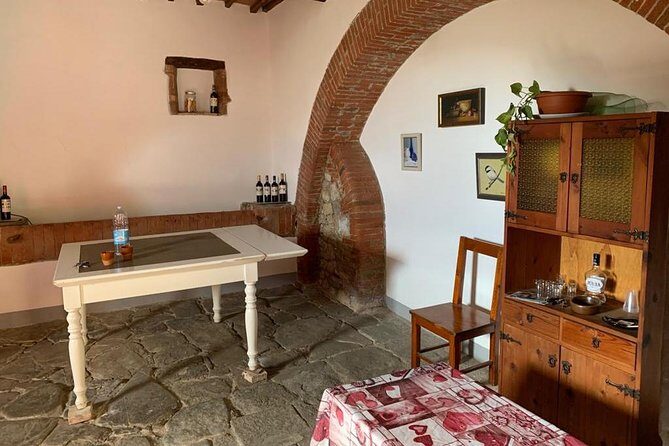
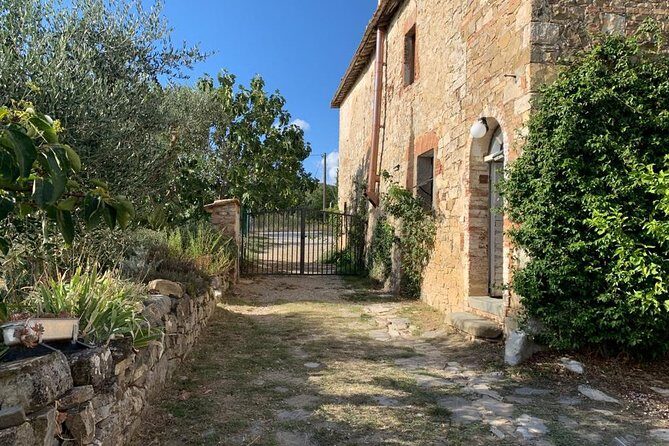
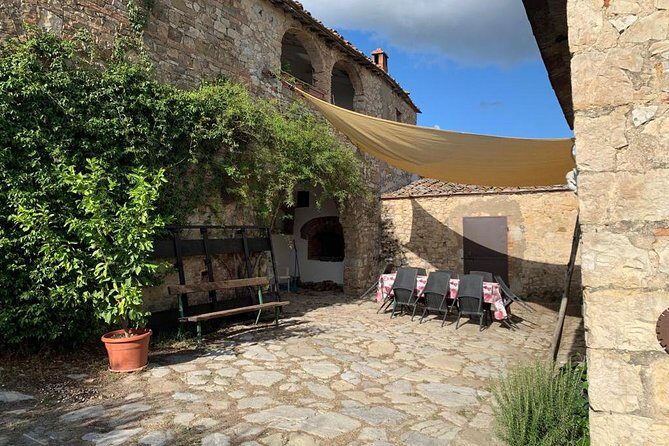
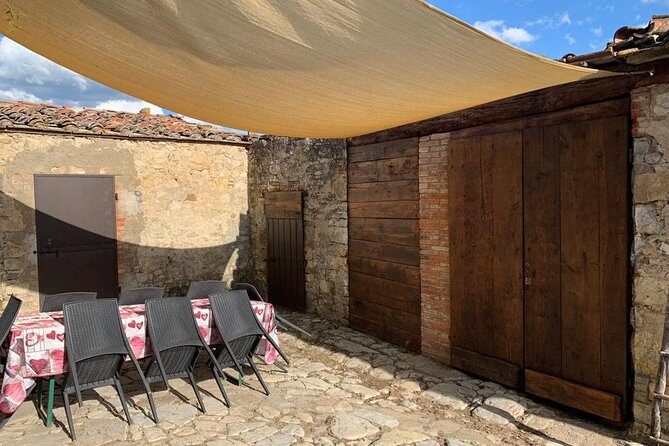
The farmhouse environment is part of the deal. Reviews repeatedly call it beautiful and homey, and you’re often surrounded by Tuscan countryside views.
But let’s be practical: you must be able to climb and descend stairs. The experience isn’t built for elevator life. If you have mobility limitations or aren’t comfortable on uneven farmhouse steps, this is the first thing to think about before booking.
On the plus side, that same rustic setup tends to make the class feel authentic. You’re cooking in a real home space, not a generic studio. It’s also why the chef can naturally mix cooking lessons with small talk about Tuscany—ingredients, regional habits, and how locals think about food.
And if you’re worried about the location being hard to find, don’t wing it. One review warns that you really need the full address they send, and that using the place name where the chef greets you can help you get oriented.
Chef Simone and the multilingual teaching vibe
Chef Simone is repeatedly mentioned by name, and the teaching style is a big reason this class scores so well. People describe him as friendly, clear with instructions, patient, and even funny—without making it feel like a stand-up act.
For you, the practical value is language and clarity. The class runs with a live guide/host in English, Italian, and Spanish, so you’re not stuck guessing what the steps mean. Even if your Italian is basic, having clear guidance in multiple languages helps you move confidently through the pasta stages.
There’s also a teaching approach that’s more “work side-by-side” than “watch from a distance.” In many classes, you’re forming, filling, and assembling your own pasta. That’s why the meal at the end feels earned.
Other cooking classes in Siena
Included meal and drinks: what that adds to the price
This costs $130.28 per person for a 4-hour experience. That price lands in the mid-to-upper range for cooking classes, so here’s the value check you should use.
You’re getting:
- All ingredients
- The cooking lesson with a local chef
- A meal based on what you prepared, with drinks
So you’re not paying only for instruction. You’re paying for a full lunch plus the learning. And because the meal comes directly from the dishes you made, you get a stronger “repeatable skill” payoff. The goal isn’t just to enjoy food today. It’s to leave with techniques you can actually use.
The drinks being included also changes the math. Reviews mention free-flowing wine (often Chianti). Even if you don’t drink much, that included element makes the experience feel complete, not token.
If you already planned to spend money on food in the countryside anyway, this starts to look like a bargain relative to paying for a tasting menu with none of the hands-on instruction.
The little practicalities that matter on a farmhouse day
This class comes with a few “know before you go” realities that can make or break the experience.
- No hotel pickup/drop-off: you’ll need your own transport plan to reach the farmhouse.
- No pets allowed: if you’re traveling with animals, you’ll need other arrangements.
- Not for children under 8: the class isn’t bookable for kids younger than 8.
- Not suitable for wheelchair users: stairs and layout are part of the setup.
- Bring normal kitchen confidence: you’ll likely be working at a countertop level and using hands for pasta shaping.
A good rule: wear shoes you can walk in comfortably. Farmhouse steps + kitchen floors aren’t a great combo for flimsy sandals.
Who should book this Siena to Chianti cooking class
This is a strong match if you want:
- A hands-on Tuscan cooking skill (pasta shaping, filling, tiramisu assembly)
- A small-group atmosphere where you can ask questions
- A lunch built around what you made, not just a snack between stops
- A Tuscany experience that’s more personal than a big-city food tour
It’s especially great for adults who like cooking but don’t want hours of study before the meal. The class length also makes it realistic for a day trip from Siena or a countryside add-on to your itinerary.
If you’re traveling with mobility limitations, or you need wheelchair access, I would treat this as a no. And if you dislike cooking, this won’t work as a passive activity. The best part is exactly the part you’re doing with your hands.
Should you book it?
Yes, if your goal is a real Tuscan meal plus real instruction in a charming Chianti farmhouse setting.
Book it if:
- You want to make pasta and dessert, not just watch
- You like learning from someone who explains clearly (Chef Simone is consistently praised for this)
- You value the included meal and drinks as part of the experience
Skip it if:
- Stairs are hard for you
- You need wheelchair-friendly access
- You’re looking for a low-effort, no-cooking experience
FAQ
How long is the cooking class?
The class is 4 hours long.
What’s included in the price?
All necessary ingredients are included, along with the cooking lesson with a local chef, and the meal based on what you prepare, with drinks included.
Are hotel pickup and drop-off included?
No. Hotel pickup and drop-off are not included.
What languages are available during the tour?
The live tour guide is available in English, Italian, and Spanish.
Is this class suitable for children?
It is not bookable for children under 8 years old.
Are pets allowed?
No, pets are not allowed.
Is the experience wheelchair accessible?
No, it is not suitable for wheelchair users.
What’s the cancellation policy?
You can cancel up to 24 hours in advance for a full refund.