REVIEW · FLORENCE
Tuscany Wine Tastings with Panoramic View – Florence to Chianti
Book on Viator →Operated by Smart Trip Europe · Bookable on Viator
Chianti is a short drive from Florence, not a big hassle. You get round-trip transport plus two wine tastings with panoramic views and food built in, so you can actually enjoy the day. I like that it feels laid-back and social, and the staff at both wineries focus on what you taste, not just selling bottles. One thing to consider: if you want lots of history or highly structured guiding, the experience can feel light on storytelling, especially if the day is busy.
This tour is set up for a relaxed afternoon: meet near Santa Maria Novella, ride out to the hills, taste, snack, take photos, then head back to Florence. The group stays capped at 70, and dietary needs like vegetarian and gluten-free can be accommodated. Still, with more people in the mix, the vibe can swing from friendly and personal to a bit more crowd-managed—so go in for the wine-and-views experience first, not for a deep lecture.
In This Review
- Key points before you go
- Florence to Chianti in 5 hours: the sweet spot for wine
- Getting started at Piazzale Montelungo (and why it matters)
- Stop one: Chianti winery tour + white and red tastings
- Stop two: estate vibes, photo time, and a crowd factor
- What you’ll taste: whites, Chianti reds, and a practical flight
- The food pairings: why the snacks feel more meaningful than you expect
- Guide style: relaxed, English-speaking, and what to do if you want more
- Value and price: what $69.14 actually covers
- Who this Chianti afternoon trip is best for
- Should you book this Florence-to-Chianti wine tasting?
Key points before you go

- Easy logistics with round-trip coach transport means you can drink without planning your own ride
- Two family-run wineries with guided tours of wineries and cellars
- 4–5 wine pours per stop (whites and reds, including levels of Chianti)
- Truffle-forward tastings plus pecorino, olive oil, meats, cheeses, and bruschetta
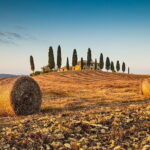
- Photo-friendly views from Chianti countryside hilltops
- Wine buying and shipping available at both locations
Florence to Chianti in 5 hours: the sweet spot for wine
If you only have a half-day in Florence, this is a smart use of time. The tour runs about 5 hours, with a relaxed pace that lets you get out of the city, taste at two wineries, then return in time for an evening meal back in town.
What makes this format work is that it bundles the things that usually slow people down in Tuscany: transportation, introductions, tastings, and snacks. You’re not trying to coordinate buses, taxis, and tastings on your own. You just show up, hop on the coach, and start enjoying.
This is also a good match for the kind of day where you want to taste more than you want to study. You’ll learn enough to appreciate what you’re drinking, and you’ll leave with a concrete sense of what Chianti producers do with their grapes—plus the practical ability to buy a bottle or two to take home, or ship wine.
Other Chianti wine tours we've reviewed in Florence
Getting started at Piazzale Montelungo (and why it matters)
Your meeting point is Piazzale Montelungo, a 5–10 minute walk behind the Santa Maria Novella Train Station. That location is convenient because it’s easy to orient yourself, and it also means you can connect smoothly from wherever you’re staying.
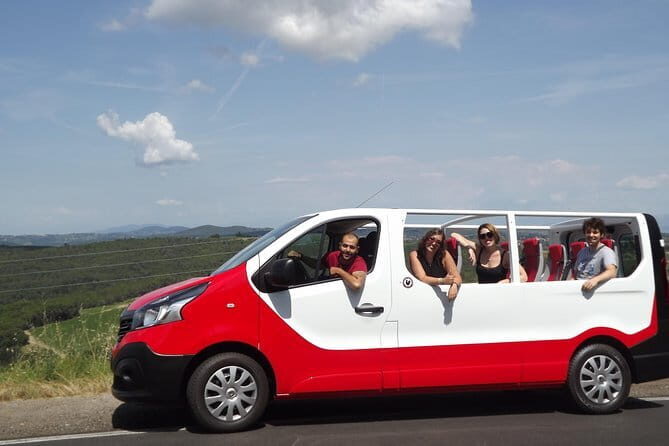
The start time is 2:30 pm, and the tour uses a modern GT coach. When the leader checks you in (they’ll be waiting in a bright orange top), you can settle fast and get moving without any long pre-departure waiting. Once you’re on the bus, the drive to the first winery is about 45 minutes, which is long enough to feel like you truly left Florence behind.
The practical upside here is simple: with a structured pick-up and return, you don’t have to worry about timing your own transport in the late afternoon. You also don’t have to play designated-driver.
Stop one: Chianti winery tour + white and red tastings
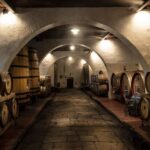
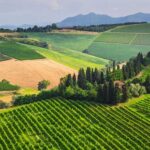
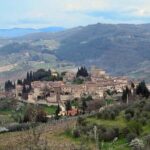
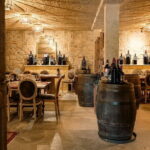
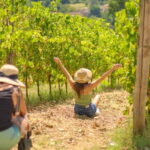
At the first winery, you land in the hilltops of the Chianti region, and the views do a lot of the heavy lifting right away. This stop starts with a producer meeting you for a talk about winemaking techniques, then you tour the winery and cellars. It’s the kind of setup where you can ask basic questions and get answers that are actually tied to what you’re tasting next.
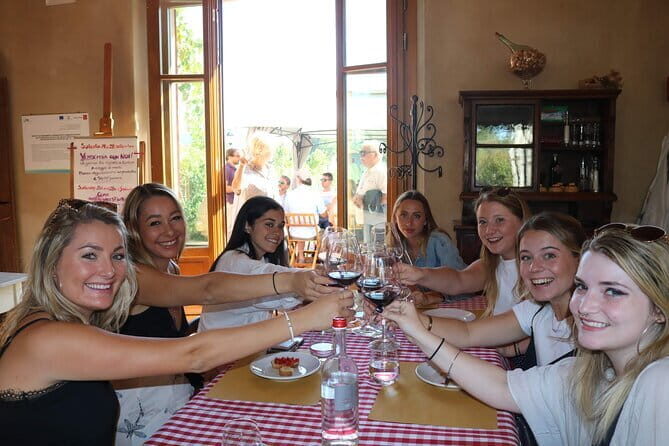
Then comes the core of the experience: a tasting room session with 4–5 glasses. You can expect a mix of white and red wines, including different levels of Chianti styles. The tasting is paired with flavors from the region, including pecorino cheese, truffle oil, and balsamic vinegar. The food matters here because it helps you notice how the wines behave with salty, savory bites rather than just sipping straight.
A small reality check: at many wineries, tastings can be busy, and the pace depends on the day. So if you’re looking for big, theatrical storytelling, you might find it more practical and production-focused than dramatic. Still, the structure is solid: tour first, then taste, then decide whether you want a bottle.
This stop also includes the option to purchase wine and ship it home. That’s a big value add if you want to bring something back but you don’t want to risk packing breakables—or you don’t want to carry extra bottles all the way back through crowds.
Stop two: estate vibes, photo time, and a crowd factor
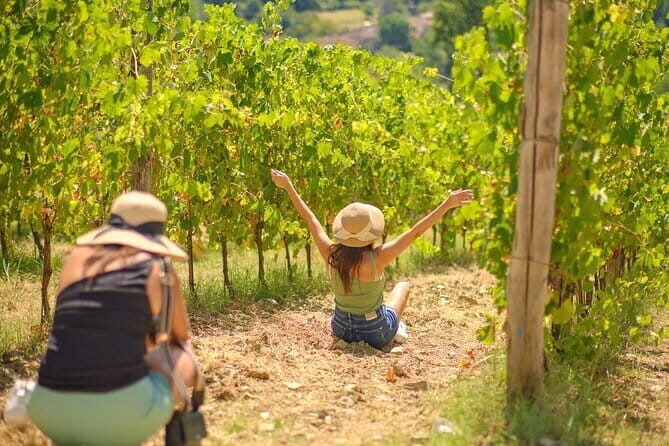
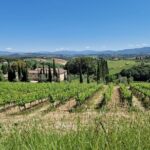
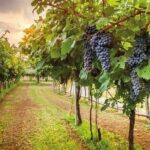
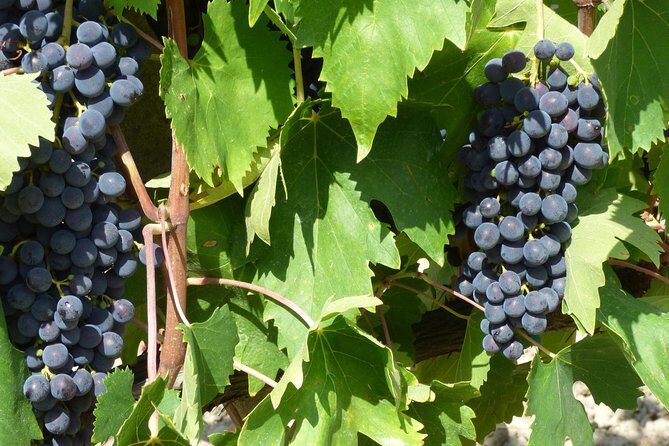
The second winery ride is about 20 minutes, and when you arrive, the setting shifts. This one is described as a gated estate with big visuals: endless vineyards, renaissance-style architecture and statues, and even animals around the property like horses and black roosters.
If you enjoy travel photography, this is where you’ll get the most obvious “postcard” moments. The property elements make it feel more theatrical than the first stop, and the architecture gives you more background depth for photos of vineyard views.
The tasting session here is another 4–5 wines, plus pairings like fresh salami, cheeses, and bruschetta. The tour also focuses on the family’s generational winemaking approach. And again, you can buy and ship wine.
Here’s the consideration: if the group is large or the day feels heavy on traffic, the second stop can lean more toward a managed flow than a super-personal experience. If you’re hoping for lots of intimate, one-on-one conversation, go into the second winery expecting excellent scenery and good pours, but accept that you might not get long, detailed explanations at every moment.
One helpful tactic: stay curious and ask your tour leader follow-up questions when you can. Even when the schedule is tight, a good question can unlock the extra context you wanted.
What you’ll taste: whites, Chianti reds, and a practical flight
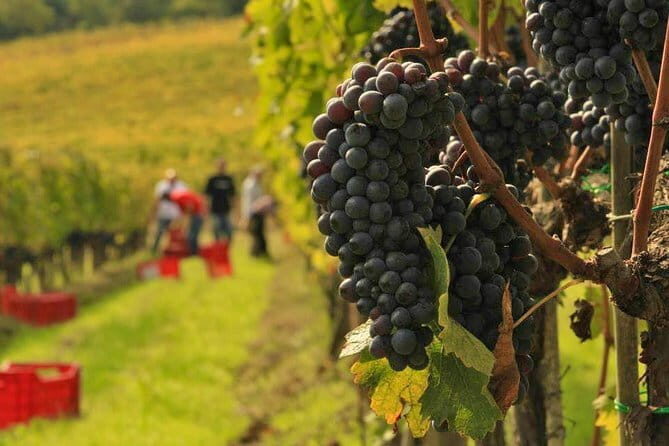
The tastings are built around sampling rather than a single wine. At each winery, you’ll typically get 4–5 pours, so you can compare how different whites and reds feel across the course of the afternoon.
At the first winery, you’ll taste both white and red wines, including various levels of Chianti. That phrase matters because it signals you’re not only drinking one “type of Chianti.” You’ll get a sense of how producers and styles can differ within the broader Chianti world.
At the second winery, you’ll also taste 4–5 award-winning wines, again set up for comparison. Pair that with the food (salami, cheese, bruschetta) and the tasting starts to make sense at a deeper level. You’re less likely to think of it as random sips, and more likely to connect the wine choices to the flavors on your plate.
Also, since this is an afternoon tour, the wine pacing is designed to keep you comfortable through the drive back. You’ll still want to drink water and pace yourself, but the experience is structured so you’re not shoved into a marathon.
Other wine tasting experiences in Florence


The food pairings: why the snacks feel more meaningful than you expect
The tastings aren’t just wine flights; they include real Tuscan snacks you’d actually want at a market.
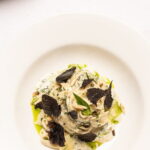
At the first stop, you’ll see pecorino cheese, truffle oil, and balsamic vinegar working alongside your tasting. That trio gives you a clear lesson: truffle-forward notes can amplify earthy flavors, while pecorino’s saltiness helps you feel the wine’s acidity and structure more clearly.
At the second stop, the pairings go harder into classic Italian comfort: salami, cheeses, and bruschetta. Salami adds fat and spice; bruschetta adds crunch and tomato notes; cheese ties everything together. The result is that the wine doesn’t taste isolated. It tastes like it belongs with real food.
Dietary needs can be accommodated, including vegetarian and gluten-free options. That’s a big deal because it means you should still feel included at the table, not stuck watching everyone else eat while you wait for an alternative.
Guide style: relaxed, English-speaking, and what to do if you want more
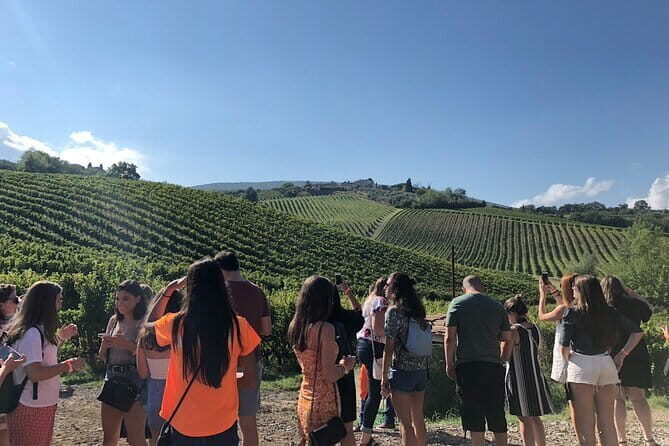
The tour runs with an English-speaking tour leader, and the vibe is intentionally relaxed. On the best days, the leader brings the wine talk to life. Danielle, in particular, has been highlighted for being informative and an excellent guide, which tells you something important: when the leader is on, you’ll get more than just logistics.
Still, not every departure will feel equally detailed. Sometimes the leader’s job is more about keeping the schedule moving—checking you in, pointing you to the right place, and managing the group flow. If you’re the kind of person who wants history lessons at every step, you might need to work a little for it.
Your best move: ask direct questions while you’re in the tasting room. Something like what you should notice in the aroma, or why a wine is paired with a certain bite. Even brief answers can sharpen your understanding fast.
Also, keep your expectations aligned with the format. This is a wine tasting with panoramic stops, not a museum tour with a script.
Value and price: what $69.14 actually covers
At $69.14 per person, the price can feel like a steal—or like a lot, depending on what you expect.
Here’s the value angle that makes the math work. You’re paying for:
- Round-trip transport from Florence (so you can drink comfortably)
- Two winery visits with guided components
- Tastings at each place, typically 4–5 wines
- Food pairings at both stops
- Options to purchase and ship wine
You’re also not paying extra admission charges at each stop (listed as free entries). When you add that up, the cost is less about paying for “just wine” and more about paying for the whole structured experience: getting there, tasting, eating, and leaving with the option to bring wine home.
Where the value can wobble is if you personally need deep, hands-on history to feel satisfied. If you love wine culture but want lots of detailed context, you may find this day trip more casual than academic. If you’re more interested in taste, scenery, and a smooth afternoon plan, the price feels right.
Who this Chianti afternoon trip is best for
This fits best if you’re:
- Young at heart and want a social day with other curious people
- Interested in two tastings without the hassle of planning
- Happy to trade some depth for a great view and good wine
- Looking for a structured way to experience Chianti from Florence
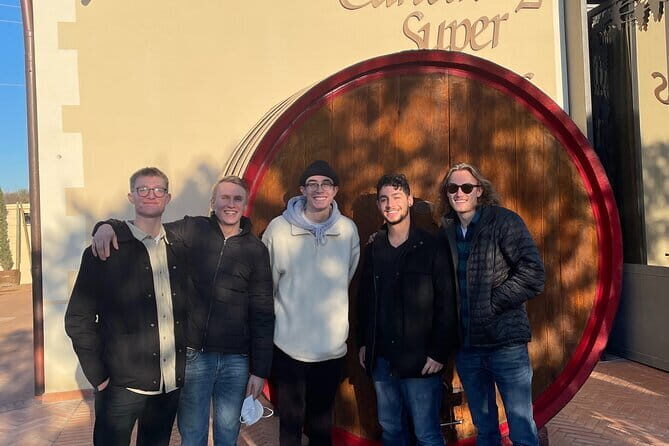
The tour mentions that most participants are college-aged students, which can hint at the vibe. You’ll probably meet fellow adventurers who are excited to taste, compare, and take photos.
It can also work well if you’re not traveling as a couple. Group structure is helpful when you want to experience Tuscany but don’t want to lock yourself into a private driver plan.
Should you book this Florence-to-Chianti wine tasting?
If your goal is a fun, scenic afternoon with two family wineries, solid tastings, and food that actually matches the wine, this is a great booking. The average rating is 4.7, and the strongest signals in the experience are the transport ease, the Chianti views, and the tastings themselves.
I’d book it if you’re ready for a relaxed pace and you’ll make the most of the time by asking questions in the tasting rooms. Bring a phone for photos, plan to drink water, and decide ahead of time what you want to taste more of so buying decisions feel easy.
I’d think twice if you want extensive history at every stop or you’re sensitive to crowd energy. In busier moments, the experience can become more about movement and less about deep conversation.
Still, for many people, this is exactly the kind of Tuscany day trip that feels worth it: you get the hills, you get the wine, and you get back to Florence without turning the day into a logistics project.
You Might Also Enjoy
More Tour Reviews in Florence
- Tuscany Day Trip from Florence: Siena, San Gimignano, Pisa and Lunch at a Winery
★ 5.0 · 21,634 reviews - Cooking Class and Lunch at a Tuscan Farmhouse with Local Market Tour from Florence
★ 5.0 · 4,831 reviews