REVIEW · TUSCANY
3-day private experience as a winemaker at a wine resort in Tuscany
Book on Viator →Operated by Podere Montale Winery · Bookable on Viator
Three days in Tuscany feel like a reset button. You get Sangiovese wine education with a private cellar visit, then unwind at Podere Montale’s swimming pool-set ancient village in Val d’Orcia hills. I love the mix of hands-on wine time and genuine countryside calm, plus dinners that stay very Tuscan. The only real catch to consider is the price: it’s set up for a small private group (up to 2), so it can feel steep if you’re hoping for a bargain day tour.
What makes this one work is the pacing. You’re not rushed through ten stops. Instead, you spend real time with the winemaking story, then you settle into the resort rhythm with breakfast and dinner included. If you want lots of extra activities like e-bikes, olive oil classes, or guided hikes, those aren’t part of the package, so you’ll plan them separately.
In This Review
- Quick hits before you go
- Podere Montale: An ancient village base in Val d’Orcia
- The 3-day private rhythm: what your stay actually feels like
- Vineyard + cellar access: Sangiovese taught the practical way
- Classic red tasting: what you should pay attention to
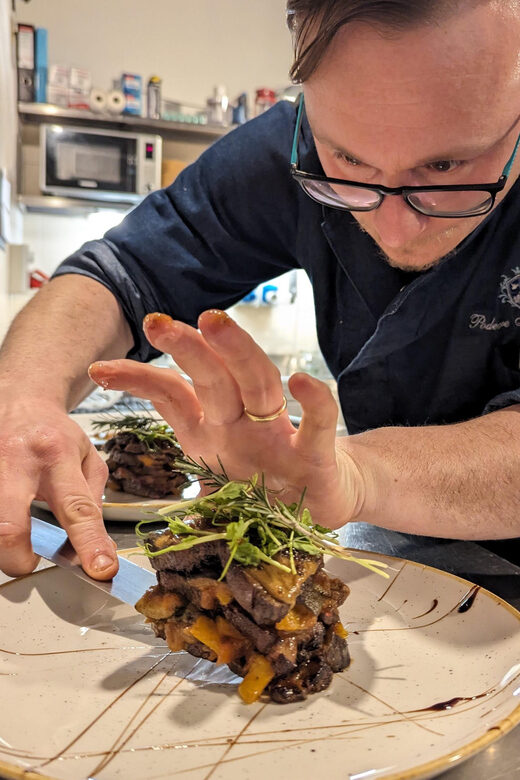
- Meals at the internal restaurant: real Tuscan comfort with less planning
- Your Executive Suite: space to slow down with Val d’Orcia views
- Price and value: paying for privacy and wine access (not just a bed)
- What’s not included: plan smart if you want extra activities
- Should you book this winemaker weekend?
- FAQ
- How long is the private experience?
- What does the wine portion include?
- Where does the experience start?
- What’s included in the stay besides wine?
- Are there activities included like hiking, yoga, or e-bikes?
- Is the experience refundable?
Quick hits before you go
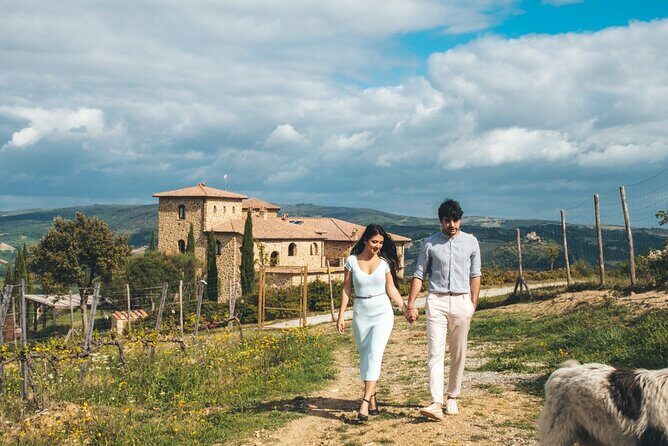
- Private winemaker-style access: Vineyard and cellar visit plus tasting, just for your group.
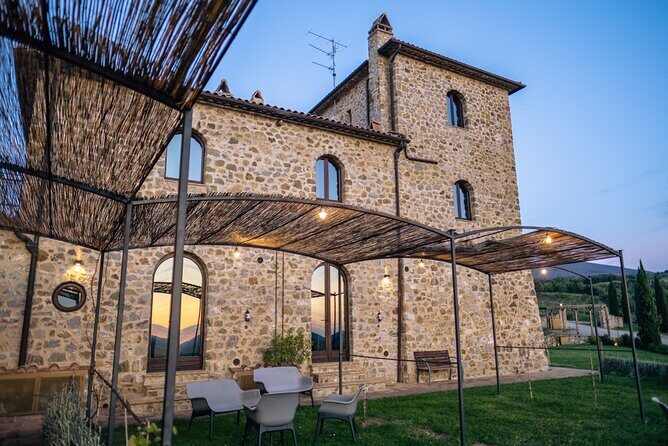
- Val d’Orcia views + restored village stay: Executive suite in an ancient setting, with a resort layout built around comfort.
- Sangiovese focus: A clear Tuscany angle through the grape that defines much of the region’s red wine culture.
- Meals are handled: Breakfast and dinner included, so you can spend more time outside and less time deciding.
- Pool time is real here: A swimming pool on-site makes downtime easy between wine moments.
Podere Montale: An ancient village base in Val d’Orcia
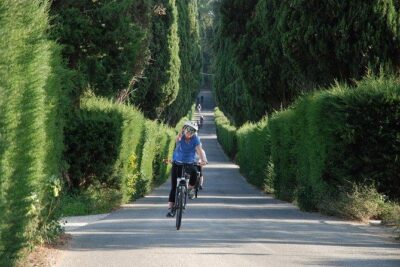
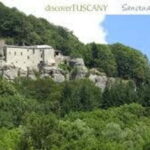
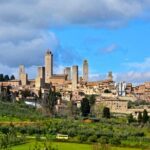
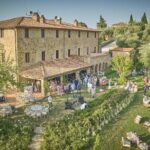
Podere Montale Wine Resort is built from a renovated ancient village, turned into a working agritourism setup. Think farm life that’s been carefully made comfortable: you have multiple farmhouses, a restaurant, a swimming pool, and a park area around a Millenarian Olive Tree Park concept. It’s the kind of place where the view does part of the job for you. Rows of cypress trees, olive groves, and vineyards do the scenic work without you needing to hop into a car every hour.
The resort is also designed around staying put. That sounds basic, but it matters. When you’re on a wine itinerary, the fatigue factor is real. Here, the experience is structured so you can concentrate during the wine portions, then relax the rest of the time.
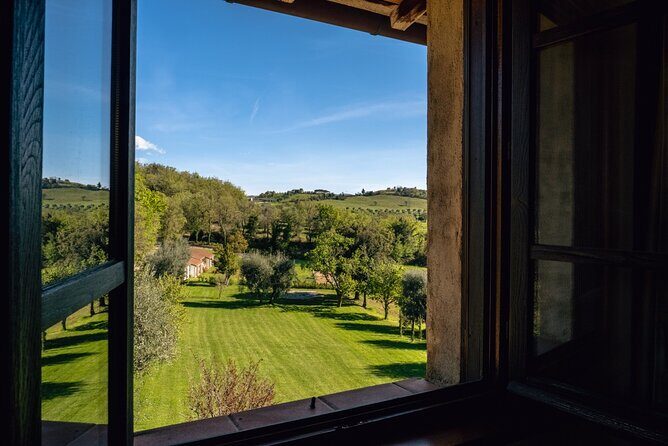
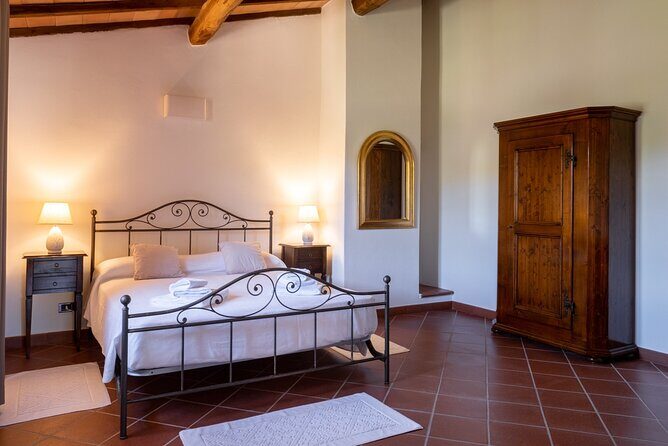
Your accommodation is in an Executive Suite, and it’s positioned for that Val d’Orcia look—broad countryside views rather than an “inside-the-village” view. If you like to start the day slowly, this is the kind of room setup that supports it: sit, look, and let the landscape do less talking and more time-holding.
One more practical note: this is a private experience for your group. That means you’re not waiting around for other people’s pace. You’ll be able to ask questions during the wine time and get answers targeted to what you actually want to learn.
If you're still narrowing it down, here are other tours in Tuscany we've reviewed.
The 3-day private rhythm: what your stay actually feels like
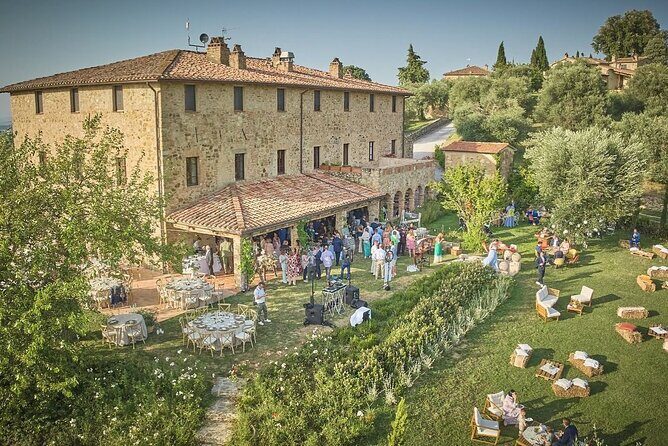
This is listed as a 3-day private experience with 3 nights included at the resort. In practice, it feels like three days that are structured around one core purpose: wine and the people who make it.
Day 1 (arrival + welcome): When you arrive at Podere Montale Le Casacce, you start with a welcome aperitif featuring a glass of the resort’s classic Tuscan wine, signed Podere Montale. This is a nice soft start, because it puts you in “Tuscany mode” immediately—before you even get into the deeper winemaking details.
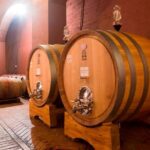
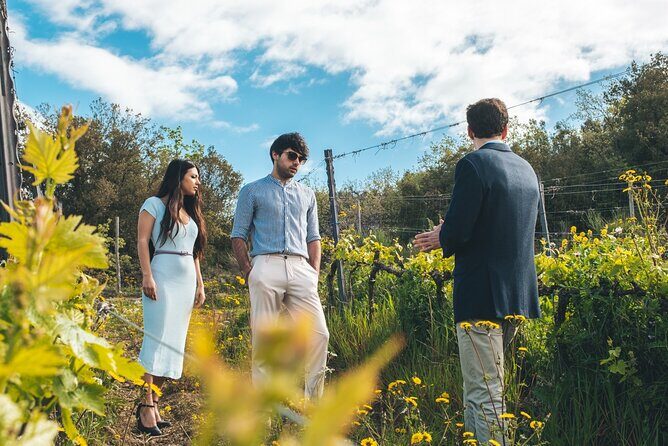
During your stay (private wine time): You’ll visit the vineyard and go into the cellar with your guide. You’ll learn the secrets of winemaking specifically tied to the Sangiovese grape. You’ll also do a classic red wine tasting. Because this is private, the conversation can slow down when questions pop up—about grape choice, aging, and what makes Tuscany’s reds distinct.
Meal rhythm across the nights: Breakfast and dinner are included for the full stay. That matters more than people think. It keeps the day simple: after the wine visit, you don’t have to hunt for a meal plan. Instead, you can focus on being in the countryside and letting the resort handle the basics.
Day 3 (wrap-up): The experience ends back at the meeting point. Since the location is fixed and you’re already staying on-site for the nights, your last day won’t feel like frantic logistics.
You’ll also notice what’s not built into the package: no mention of long guided hikes, horseback lessons, or e-bike exploring. The experience stays centered on wine and resort life. That’s either exactly what you want—or it’s a sign to add extra activities separately.
Vineyard + cellar access: Sangiovese taught the practical way
A lot of wine experiences show you a room, pour some wine, and call it education. This one is built around the vineyard and then the cellar. That sequence is what helps it make sense: you start with where the grapes grow, then you move into how they’re turned into wine.
The Sangiovese focus is also a smart constraint. Tuscany’s identity in wine culture is strongly tied to this grape, so you’re not getting a generic tasting across many styles. Instead, you’re learning one Tuscany thread in a way that can carry over when you leave—so you can order red wine later and actually know what to pay attention to.
Here’s what I like about the way this kind of cellar visit helps your palate:
- You connect taste to process. When you understand how grapes move from vineyard care to fermentation and aging, the tasting stops being random.
- You learn to read style. Sangiovese can look different depending on how it’s handled. A proper explanation helps you spot the cues faster.
- You get context without the lecture tone. The best cellar talks feel like shared curiosity, not a classroom. The experience is framed as learning the secrets, which usually means you’ll get more than “this is good wine.”
The cellar is also part of the “wow” factor. Reviews highlight a beautiful cellar and terrace with incredible views, plus a welcoming, professional environment. That’s the kind of setting where the tasting feels special without being overly staged.
If you care about wine education but hate tour chaos, this format is a strong fit.
Classic red tasting: what you should pay attention to
The wine tasting is part of your package, tied to the cellar visit and the Sangiovese theme. So you’re tasting within a story, not as a standalone event. That’s the difference between a tasting that’s fun and a tasting that actually upgrades how you drink.
During the tasting, focus on the basics your guide explains, then test them with your senses:
- Aromas first. Before you rush to the first sip, note what you smell. Then ask yourself if the grape or aging choices mentioned by your guide match what you’re detecting.
- Acidity and structure. Sangiovese is typically known for a certain backbone. If you know what to listen for, you’ll feel the structure more clearly.
- Finish. The finish tells you a lot about balance and how the wine was handled after fermentation.
A practical tip: if you have any wine preference—dry reds, lighter reds, more intense styles—say it early during the cellar conversation. Since it’s private, your guide can tailor the discussion and help you connect the wine you’re tasting to your preferences.
And since the tasting is included, you’re not hunting for extra paid add-ons at the resort. You get the “main event” and can spend your remaining time with a glass in hand or just enjoying the property.
Meals at the internal restaurant: real Tuscan comfort with less planning
Meals are included for your stay, and they’re served at the resort’s internal restaurant. Breakfast and dinner are part of the package, so you can treat the schedule like a calm routine rather than a constant decision.
Breakfast is described as a rich Tuscan breakfast. That usually means more than a quick pastry-and-coffee situation. Expect the kind of breakfast that supports slower mornings—perfect if you plan to soak in the views before your wine visit.
Dinner is also included, and reviews describe typical Tuscan dishes. That’s key for value. When dinner is included, you’re effectively converting part of your lodging price into food. In a region like Tuscany—where dining choices can range wildly in cost—this can make the whole stay feel more “fair” on the budget.
Also, the tone matters. The property has staff described as trained, professional, and friendly. That’s what you want after a day of wine talk: a meal that feels relaxed, not rushed, in a setting that matches the countryside mood.
If you’re picky about dietary needs, make sure you share that ahead of time with the operator (the listing doesn’t spell out dietary handling details). But if you like Tuscan cooking, you’ll likely find it hits the right note.
Other private tours in Tuscany

Your Executive Suite: space to slow down with Val d’Orcia views
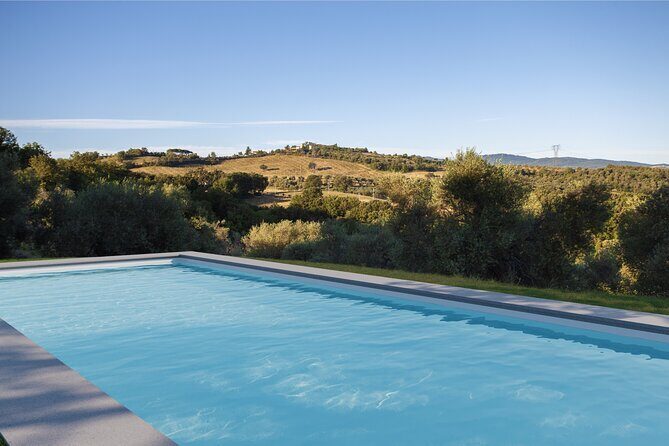
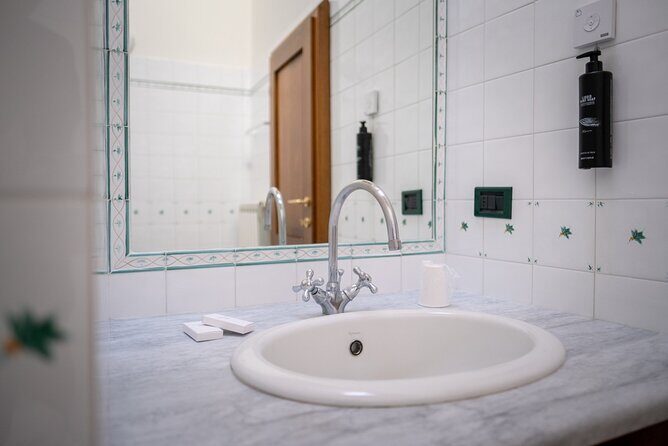
The stay is in an Executive Suite for 3 nights, and the room comes with breathtaking views of Val d’Orcia. That view piece isn’t just decoration. In a wine experience, the quality of downtime is part of the value.
When you’re staying in a suite rather than a plain room, you typically get:
- better space to unpack and settle in,
- more comfortable “pause time” between activities,
- and a more private feeling when you want quiet.
The resort is also built around relaxing. It has a swimming pool, plus the olive tree park area. Even if you don’t spend every afternoon by the water, it changes your day because you’re not stuck inside.
One small consideration: if you’re traveling with a very packed itinerary mindset—museums, big cities, constant movement—this experience might feel too restful. But if you want the opposite, it’s ideal.
Price and value: paying for privacy and wine access (not just a bed)
At $1,155.66 per group (up to 2) for about 3 days, this isn’t priced like a budget wine day trip. The value comes from three things you’re really buying:
- Private access. It’s a private experience. You’re not sharing the cellar conversation with strangers, and you’re not waiting for a larger group to move in sync.
- Real wine time. Vineyard + cellar access with a guide and wine tasting are the core included activities.
- 3 nights + meals. You get accommodation in an Executive Suite plus breakfast and dinner for your stay.
If you split the total between two people, the per-person cost becomes more reasonable, especially since dinner is covered. If you’re a solo traveler, the “up to 2” structure might make it feel more expensive relative to group deals—but you could still find it worthwhile if you want a private, quiet, education-focused experience.
One more value angle: the resort itself is a big part of why the stay works. Reviews repeatedly call out the magical setting and spectacular wines, which suggests the environment is not an afterthought.
What’s not included: plan smart if you want extra activities
The package focuses on wine and resort comfort. It does not include things like:
- yoga in the millennial olive grove,
- horseback riding or riding course,
- olive oil tasting course,
- trekking with a guide in the farm,
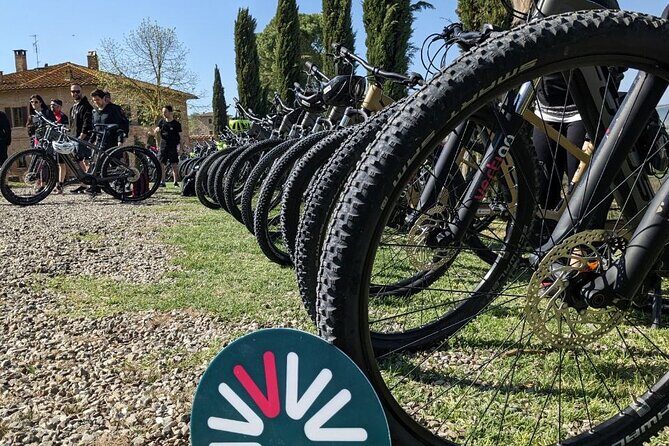
- e-bike rental to explore the farm.
That doesn’t mean those experiences aren’t possible on-site. It just means you shouldn’t assume they’re part of what you’re paying for here. If those activities matter to you, confirm options in advance and budget accordingly.
Should you book this winemaker weekend?
I think this is a strong booking if you want a quiet, romantic, countryside-style wine break with real Sangiovese education. You’ll like it most if you value privacy, want vineyard-to-cellar context, and appreciate having meals handled so you can relax.
Book if:
- you care about learning wine, not just drinking it,
- you want a calm base with pool time and big views,
- and you’re traveling with a partner or friend you can split the group price with.
You might skip it if:
- you’re expecting a packed multi-activity adventure,
- you want lots of extra classes (olive oil, hikes, e-bikes) included by default,
- or your budget needs a lower-cost, larger-group option.
If you’re on the fence, ask yourself one question: do I want wine education plus downtime, or do I want nonstop touring? This experience is built for the first one.
FAQ
How long is the private experience?
It’s listed as a 3-day experience, with 3 nights accommodation included at Podere Montale Wine Resort. The activity ends back at the meeting point.
What does the wine portion include?
Your package includes a wine tasting and visit to the cellar, plus a vineyard visit where you learn winemaking focused on Sangiovese, typical of Tuscany.
Where does the experience start?
The meeting point is Podere Montale Le Casacce, Località Casacce, 58038 Seggiano GR, Italy. The experience ends back at the meeting point.
What’s included in the stay besides wine?
You get the resort stay with a swimming pool, an internal restaurant, a welcome aperitif, and breakfast and dinner included for the duration of your stay. Accommodation is in an Executive Suite.
Are there activities included like hiking, yoga, or e-bikes?
No. The listing says yoga in the olive grove, horseback riding, olive oil tasting, trekking with a guide, and e-bike rental are not included.
Is the experience refundable?
No. It’s non-refundable and cannot be changed for any reason, so you won’t receive a refund if you cancel or request an amendment.