REVIEW · TUSCANY
Dining experience at a local’s home in Pietrasanta with cooking demo
Book on Viator →Bookable on Viator
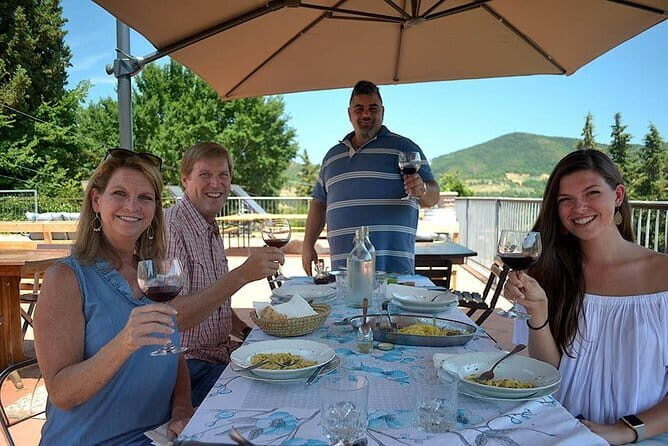
Dinner at a home table in Tuscany feels extra real. In Pietrasanta, you get a private 4-course meal made in your own space, with a local cook bringing everything and walking you through the food.
I especially like the convenience: no searching for ingredients, no restaurant hustle, and cleanup is taken care of. One thing to keep in mind is that the experience can lean more toward hosted dinner than hands-on “demo,” so it’s smart to confirm what level of cooking you’ll actually do and double-check the exact address details for your pick-up/drop-off needs.
In This Review
- Key things I’d bet on before you book
- Tuscany dinner without the restaurant shuffle in Pietrasanta
- How the at-home cooking demo works in practice (2 hours 30 minutes)
- Course-by-course: what you’ll eat and how the flow feels
- Starter: warm-up flavors before the pasta moment
- Pasta course: where the regional technique shows up
- Main course: the satisfying, grown-up part of the meal
- Side dish: the balance that makes the plate feel complete
- Dessert: your sweet finish, with time to actually enjoy it
- The local host factor: warmth, names you’ll remember, and family recipes
- Price and value: is $98.90 a good deal?
- Booking reality checks that will save your evening
- Confirm your exact meeting/address details
- Ask how show cooking works
- Plan for a small-group home setting
- Who this experience is best for (and who might want to skip it)
- Final verdict: should you book the Pietrasanta at-home meal?
- FAQ
- What is the duration of the Pietrasanta home-cooked meal?
- Where does the experience take place?
- Is this a private experience?
- What food and drinks are included?
- Does the cook bring ingredients, or do I need to shop?
- Is there free cancellation?
Key things I’d bet on before you book
- Your own accommodation is the venue: the cook sets up and works right where you’re staying.
- Everything is provided: ingredients come to you, so you don’t need to shop or plan menus.
- A true private setup: just your group, not a mixed crowd.
- Four courses plus dessert and regional wine: the meal is built to feel complete, not snacky.
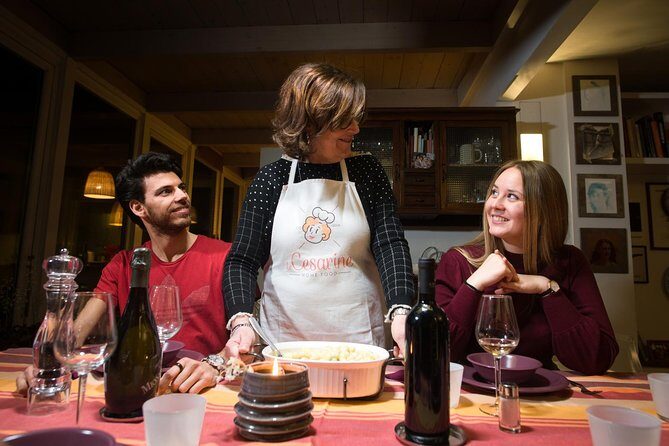
- Local-host warmth (including Isa of Casa de Isa): one cook is known for making the whole night feel personal.
- Cleanup handled: after dessert, you can actually unwind instead of resetting a kitchen.
Tuscany dinner without the restaurant shuffle in Pietrasanta
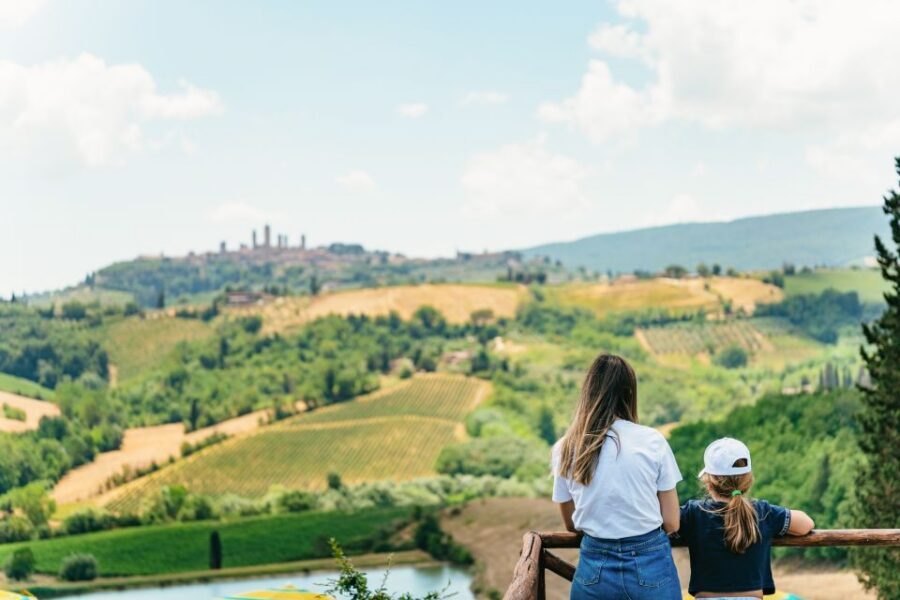
Pietrasanta sits in a sweet spot in northern Tuscany—close enough to the bigger sights, but calm enough that dinner can feel like part of real life instead of a show. This experience leans hard into that idea by bringing Tuscany to you. You’re not dressing up and commuting; you’re staying put and letting a local cook do the work.
The format is also made for people who want authenticity without turning the day into a scavenger hunt. A private 4-course meal, regional wines, and dessert are nice on paper, but the real win is the setting: your accommodation becomes the dining room, and the cook turns it into a mini Tuscan kitchen—ingredients, tools, pacing, the whole thing.
Other cooking classes in Tuscany


How the at-home cooking demo works in practice (2 hours 30 minutes)
The experience runs about 2 hours 30 minutes, with a choice of morning or afternoon start times. That matters more than it sounds. A meal with a fixed dinner-hour can trap you into staying in one place. Here, you can line it up with your day—shopping, beach time, a slow morning—then still enjoy a proper meal without racing to a reservation window.
Your cook arrives with the ingredients and prepares the menu on-site. That means the experience depends on what your accommodation can handle. Most places will be fine, but you’ll want a practical check:
- Is there a table or space where you can eat comfortably?
- Is your kitchen setup reasonable for extra cooking activity?
- Will the host need access to an oven, stove, or counter space (since they bring ingredients, they’ll likely also need surfaces to work)?
If you’re picturing a hands-on class where you stir, roll pasta, and flour your sleeves, the experience may or may not match that expectation. The listing wording focuses on show cooking and tasting a full meal, and one important review signal suggests that not every host experience feels equally “demo-like.” The fix is simple: message ahead and ask what participation looks like—watching, small steps, or more hands-on involvement.
Course-by-course: what you’ll eat and how the flow feels
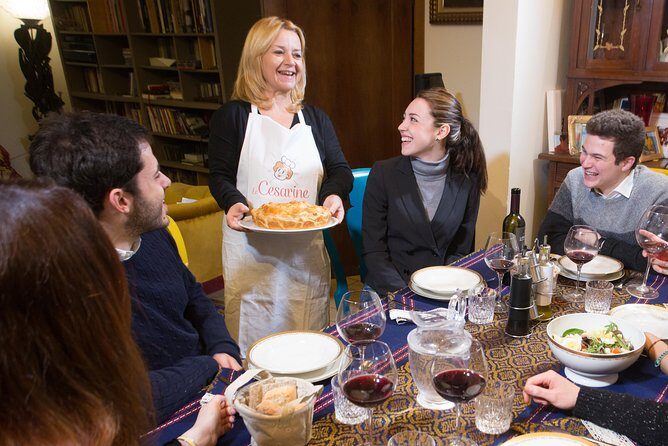
You’ll enjoy a starter, a pasta course, a main course, a side dish, and dessert, plus a selection of regional wines. Since the exact dishes aren’t specified here, I won’t pretend you can predict the menu. But you can predict the structure and why it works.
Starter: warm-up flavors before the pasta moment
The starter is your entry point. It’s usually where Tuscan cooking shows its personality—simple ingredients treated with care. Expect a course that sets the tone: comforting, seasonal where possible, and designed to make the pasta feel even better when it arrives.
What I like about this pacing is that it helps you settle in. By the time the pasta shows up, you’re not starving and you’re not stuck waiting forever. With a private host, the timing tends to feel more natural than a restaurant cadence.
Pasta course: where the regional technique shows up
The pasta course is the centerpiece in most four-course formats, and here it’s no different. Since the cook is preparing everything at your accommodation, this is where you’ll likely see the most “work” happen. Even when you’re not doing the cooking yourself, you’ll get a front-row view of how a dish comes together.
If you like learning through food—how seasoning choices change flavor, why timing matters, what makes something distinctly Tuscan—this part delivers. It also pairs well with wine because pasta tends to hold up to richer flavors without overpowering the glass.
Other cooking classes in Tuscany

Main course: the satisfying, grown-up part of the meal
The main course is where Tuscan dinner turns from comforting to genuinely filling. In a home setting, this tends to feel less like a plated performance and more like the meal you’d be served by someone who actually likes feeding people.
This is also where wine pairing becomes part of the experience, not a random add-on. You’ll have a selection of regional wines alongside the meal, so you can find what clicks with each course.
Side dish: the balance that makes the plate feel complete
Sides in Tuscan-style cooking often do two jobs: they add texture and they round out the flavor profile. In a multi-course meal, a good side keeps you from feeling like you’re repeating the same sensation over and over.
In your own dining space, the side course also helps the meal stretch out in a way that feels relaxed. You’re not just inhaling food between conversation gaps.
Dessert: your sweet finish, with time to actually enjoy it
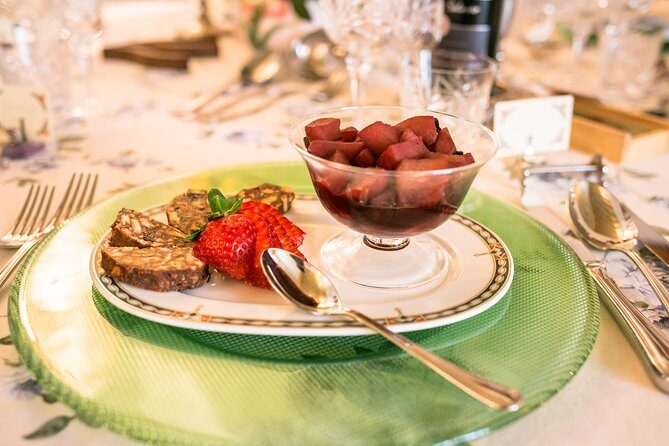
Dessert is included, and that’s worth noting because many “food experiences” stop at the main course. Here, dessert closes the evening and gives the cook time to finish cleanup while you’re still in the mood to linger.
If you’re the type who finds dessert a chance to slow down, this format fits. You’re not rushing to pay, flag a taxi, or squeeze in a late walk.
The local host factor: warmth, names you’ll remember, and family recipes
This isn’t a faceless cooking class. The whole point is that you’re eating with a real local household approach—family-style recipes and a sense of hospitality that’s hard to fake.
One cook named Isa (Casa de Isa) has been highlighted as exceptionally welcoming, and in at least one instance she helped solve a practical problem: she handled pickup and drop-off so the host and guest don’t have to do messy driving around a rental area. Not every host will offer that level of help, but it tells you something useful about the experience: the better cooks know that the meal is only half the job. The other half is making you comfortable from the moment you arrive.
You’ll also hear stories and explanations tied to how families cook and pass down recipes. The experience emphasizes traditional regional dishes treasured in family cookbooks and served with the character of Italian Mammas. Even if the kitchen is small or the technique is simple, the context makes it more meaningful.
Price and value: is $98.90 a good deal?
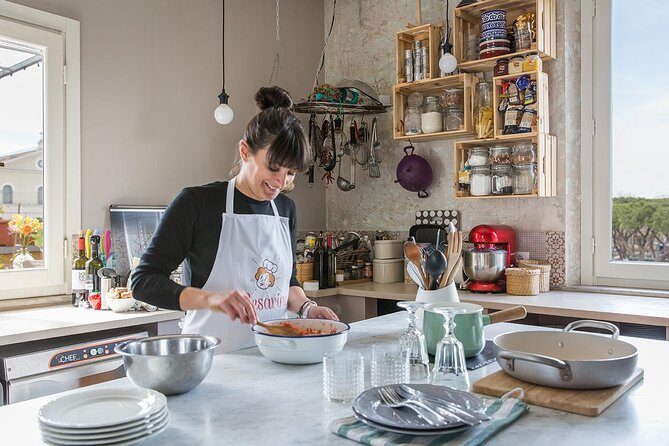
At $98.90 per person, you’re paying for a private meal experience, not just food. And that distinction matters.
Here’s what you’re getting for that price, based on what’s included:
- A private experience (only your group)
- A 4-course meal plus dessert
- Regional wines
- Ingredients provided by the cook, who also handles cleanup
- Cooking and show-style explanation at your accommodation
- A roughly 2.5-hour time commitment in a small, personal setting
If you tried to recreate this at home, you’d quickly pay for groceries, time, and labor. If you tried to recreate it in a restaurant, you’d likely miss the private format, the at-home setting, and the storytelling around recipes. The value is strongest when you want a real meal night without the planning workload—and when you’re traveling as a small group and don’t want the “eat-while-squeezed-into-a-schedule” feeling.
The main value trade-off is expectation. If you’re hunting for a highly structured, hands-on cooking school where you do the majority of the work, you may feel slightly disappointed. If you want tasting, learning through seeing, and enjoying a full meal that happens at your pace, the price makes more sense.
Booking reality checks that will save your evening
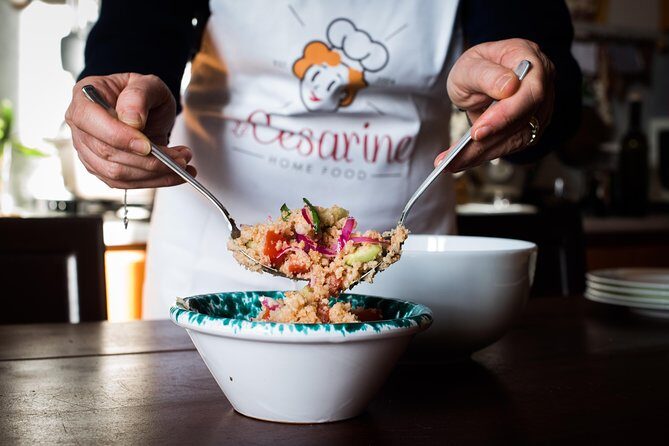
This experience is simple, but it’s not a faceless system. A few practical steps will make your night smoother:
Confirm your exact meeting/address details
Your start point is listed for 55045 Pietrasanta, Province of Lucca, Italy. In real-world travel, “nearby” can be misleading once an exact spot is shared. One past problem signal involved the distance feeling different than expected after the final address details came through. So do this: confirm the exact location with your host once you have the details, and use it rather than estimates from map previews.
Ask how show cooking works
Because one review issue pointed to a mismatch in what was expected as a cooking demo, it’s smart to ask upfront how the cook will structure the evening. You can ask:
- Will you watch key steps and taste as it goes?
- Will you do any part of the prep?
- Or is it mainly prepared for you, with explanations while it’s cooking?
This way, you can choose it for the right reason.
Plan for a small-group home setting
This is private, so the night should feel calmer. But it also means you’re hosting in a space that belongs to your rental. Think about where you’ll sit, where bags go, and whether you’ll have easy access for the cook to work.
Who this experience is best for (and who might want to skip it)
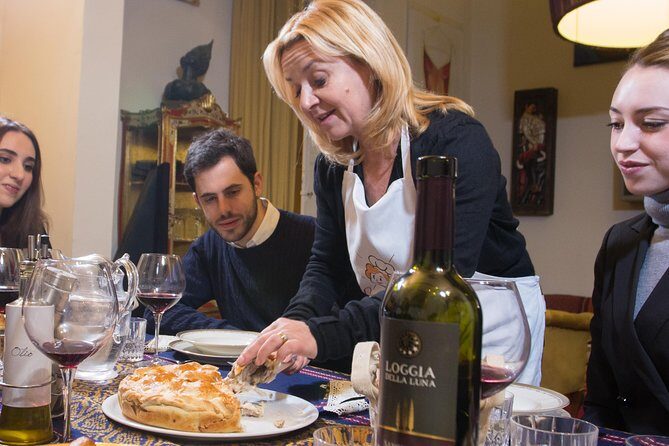
This is tailor-made for people who want a Tuscany night that feels personal. I’d especially recommend it if:
- You’d rather spend money on a chef-run dinner than on another sightseeing stop
- You’re traveling in a small group and want privacy
- You like learning about regional food through a local cook’s explanations
- You want regional wine included without doing separate tastings
It may be less ideal if:
- You’re strictly looking for hands-on instruction like a formal cooking class
- You’re worried about your rental kitchen setup and don’t want to think about space
- You get stressed if schedules or directions shift from what you assumed at booking time
Final verdict: should you book the Pietrasanta at-home meal?
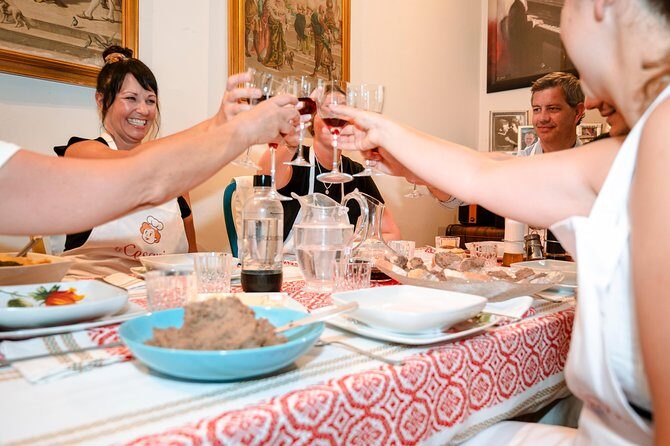
If you want a cozy, local-host evening where you eat well and learn without commuting, I think this is a strong choice. The best part is the combination: at-home convenience plus a real Tuscan-style 4-course dinner plus cleanup handled for you. That’s a lot of comfort packed into a 2.5-hour window.
Book it if you like the sound of “someone cooks for you, explains what they’re doing, and then you relax in your own place.” Skip or adjust expectations if you want a strict cooking class where you do the majority of the hands-on work.
If you do book, send a quick message to confirm what the host means by show cooking and double-check the exact address details. Those two small steps help you get the evening you actually want.
FAQ
What is the duration of the Pietrasanta home-cooked meal?
The experience lasts about 2 hours 30 minutes.
Where does the experience take place?
The cooking and meal are prepared at your accommodation in Pietrasanta, with the activity starting at 55045 Pietrasanta, Province of Lucca, Italy and ending back at the meeting point.
Is this a private experience?
Yes. Only your group participates.
What food and drinks are included?
You’ll get a 4-course meal (starter, pasta, main course, side dish), dessert, and a selection of regional wines.
Does the cook bring ingredients, or do I need to shop?
The local cook brings all the ingredients and prepares the food at your accommodation.
Is there free cancellation?
Yes. You can cancel for a full refund up to 24 hours before the experience’s start time.