REVIEW · TUSCANY
Cooking Class in a professional kitchen by a professional Chef
Book on Viator →Operated by Cooking Class with Chef Barbara · Bookable on Viator
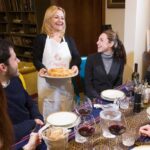
Garlic and laughter in a working kitchen. In Chef Barbara’s professional kitchen in Manciano, Tuscany, you’ll learn a traditional Tuscan menu with the bonus of a view toward the Tirreno Sea. I love how hands-on the class is, and I also love Barbara’s style: she teaches techniques while keeping things warm, funny, and welcoming.
This is the kind of cooking lesson where you actually do the work. You’ll follow along with a brief background on Tuscan and Italian cooking, then jump into kneading, cutting, and building sauces—finishing with a meal at your table from what you made.
One thing to plan for: alcohol isn’t included. If you want wine with your lunch or dinner, you’ll need to choose it separately from the wine list.
In This Review
- Key highlights to know before you book
- Chef Barbara’s pro kitchen in Manciano: views and real hospitality
- Your class timing: what 3–4 hours feels like in practice
- The menu you’ll cook: pici all’aglione, pasta dough, and a Tuscan starter
- Pici all’aglione: garlic, oil, and tomato in simple form
- Pasta dough work: making lasagna, tortelli, or tagliatelle
- Starter focus: focaccia, pizza, or schiacciatte
- Sauces and seasonal vegetables: where the class turns from hands-on to take-home
- The dessert finale: cantucci with vin santo
- Eating your results: lunch or dinner served where you cooked
- What’s included in the price (and where the extra costs can appear)
- How private groups change the experience (families and team-building friendly)
- Who should book this Tuscan cooking class with Chef Barbara
- Should you book this cooking class?
- FAQ
- What is the cooking class duration?
- Where does the class meet?
- What time does the class start?
- Is the experience private?
- What menu items will I make and eat?
- What’s included in the price?
- Is wine or other alcohol included?
- When can I cancel for a full refund?
Key highlights to know before you book
- Chef Barbara’s teaching style: stories, humor, and practical tips while you cook
- True hands-on Tuscan cooking: pasta, sauces, and a classic sweet finish
- Pro kitchen setting in a real town: Manciano, with a Tirreno Sea view
- You eat what you make: lunch or dinner served after the class
- Starter options included: focaccia, pizza, or schiacciatte (depending on the menu that day)
Chef Barbara’s pro kitchen in Manciano: views and real hospitality
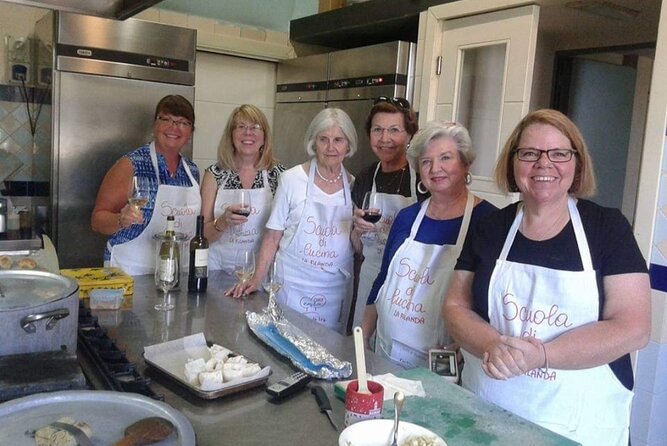
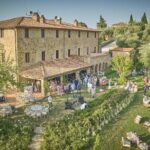
If you’ve ever wished cooking classes felt less like a demo and more like joining someone’s kitchen day, this one fits that mood. The class is run in Chef Barbara’s restaurant kitchen, in the Tuscan town of Manciano. From the work area, you get that “how is this happening at a cooking lesson?” moment with a splendid view of the Tirreno Sea.
The energy matters here. In the feedback I saw, people kept coming back to Barbara herself—she’s described as upbeat, funny, and very into helping you succeed. That combination makes a big difference when you’re handling dough and sauces for real. You’re not just watching. You’re rolling up your sleeves, trying techniques, and getting corrections in the moment.
Also, this is designed for different types of groups. The class can work for families and it’s also suitable for corporate team-building, so you’re likely to feel a little more “we’re in this together” than in a stiff workshop.
If you're still narrowing it down, here are other tours in Tuscany we've reviewed.

Your class timing: what 3–4 hours feels like in practice
The experience is listed as about 4 hours. At the same time, the total time is described as lasting about 3 hours, so I’d treat it as a flexible block: about half a morning (starting at 10:30 am) that covers cooking, tasting, and sitting down to eat.
Expect the class to run like this:
- You start at La Filanda at 10:30 am.
- You’ll cook together in the professional kitchen, including both prep and hands-on steps.
- After cooking, you sit down to enjoy the lunch or dinner you made, rather than leaving for food afterward.
If you’re planning a busy day in Tuscany, give yourself buffer time afterward. Even if you’re done “cooking” earlier, the meal part is part of the experience.
The menu you’ll cook: pici all’aglione, pasta dough, and a Tuscan starter
The heart of the class is building a traditional Tuscan menu in a few hours—so you get a big slice of the region’s flavors without needing a culinary degree.
Pici all’aglione: garlic, oil, and tomato in simple form
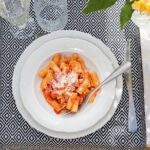
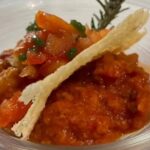
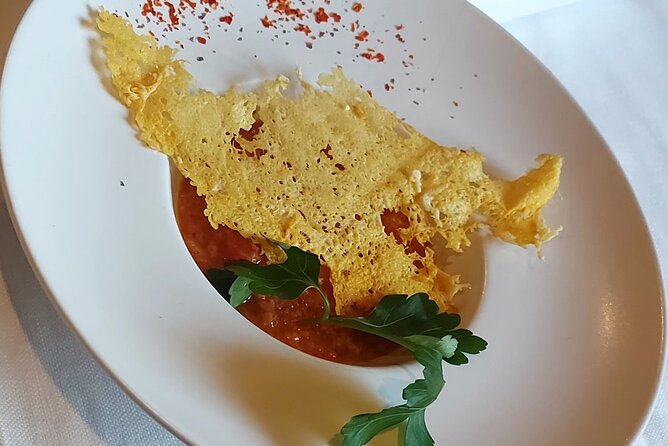
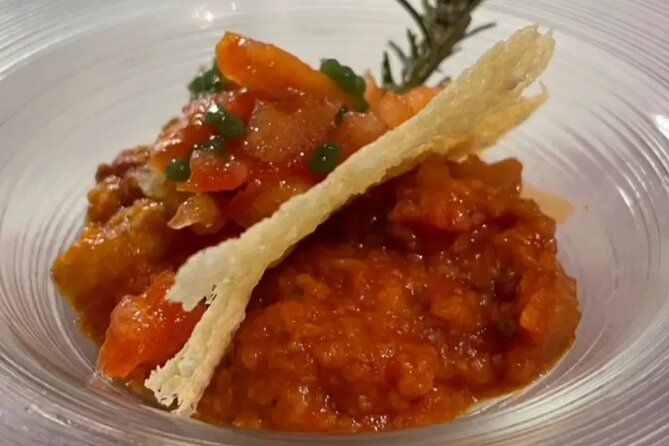
One main focuses on PICI all’aglione—handmade pasta from the area, served with garlic, oil, and tomato sauce. The point isn’t fancy ingredients. It’s technique and balance: the kind of sauce where timing and texture make the difference between good and great.
You’ll likely spend part of your effort on shaping and working with the pasta so it holds onto the sauce the way it should. Even if your first attempts aren’t perfect, this is the sort of dish where practice pays off quickly.
Pasta dough work: making lasagna, tortelli, or tagliatelle
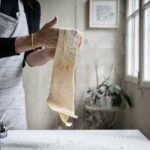
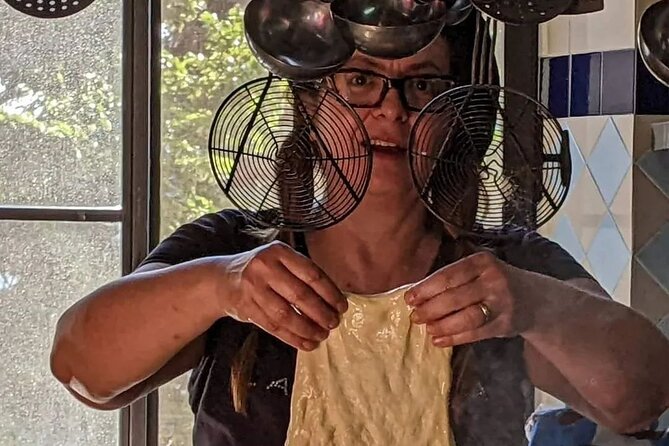
Another main in the menu is pasta dough with cutting and spreading. You’ll learn how to prepare pasta suitable for lasagna, tortelli, or tagliatelle (the exact option fits the class day’s flow).
This is a valuable skill in a cooking class like this because it teaches a reusable method. You’re not memorizing one recipe. You’re learning dough basics—then seeing how small changes lead to different pasta shapes and uses.


Starter focus: focaccia, pizza, or schiacciatte
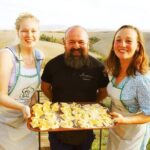
You’ll also work on a starter that can be focaccia/pizza/schiacciatte. These are closely related baked styles in Italian cooking, and doing one of them in the same session helps the class feel complete: you cover savory dough, not just pasta.
The class description emphasizes soft, fluffy dough with a golden top, and that signature olive oil richness. In practical terms, that means you’re learning how to aim for texture—not just taste.
Sauces and seasonal vegetables: where the class turns from hands-on to take-home
Tuscan food is often described as straightforward, but the best versions are precise. That’s why the class isn’t only about making pasta. You’ll also learn to prepare sauces with meat and with first-of-the-season vegetables.
Here’s why this part matters for you: when you try cooking at home, sauce is usually where people feel stuck. Pasta is forgiving—you can always boil more water or adjust timing. But sauces require a feel for simmering, seasoning, and adding the right ingredients at the right moment.
This class is structured so you’re involved in building those sauces during the session, not watching someone else do it. That makes it easier to remember what you were doing, and why it worked.
If you’re the type who likes to understand what changes the outcome—thickness, salt level, how vegetables behave when cooked in sauce—you’ll probably enjoy this section most.
The dessert finale: cantucci with vin santo
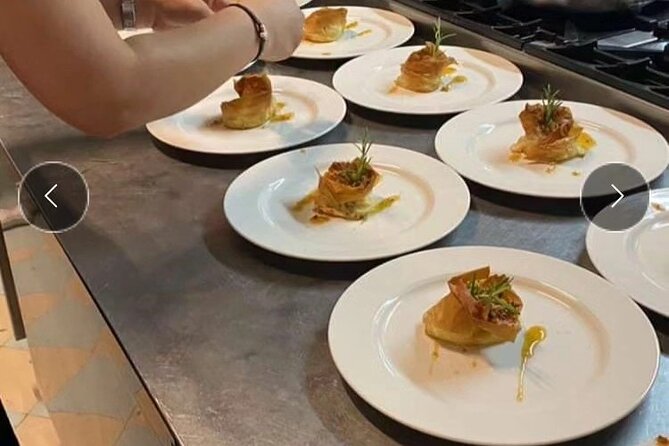
You’ll end with cantuccini (cantucci), the classic Tuscan cookie made to be dipped in sweet vin santo. The lesson explicitly calls out that vin santo is part of the traditional pairing.
Dessert in an Italian cooking class is often treated as an afterthought, but here it’s one of the named highlights. It’s also a nice contrast to the savory work you’ve done earlier. The cookie is made for texture and dunkability, so it fits the theme of Tuscany well: simple ingredients, strong method, and a clear regional identity.
Eating your results: lunch or dinner served where you cooked
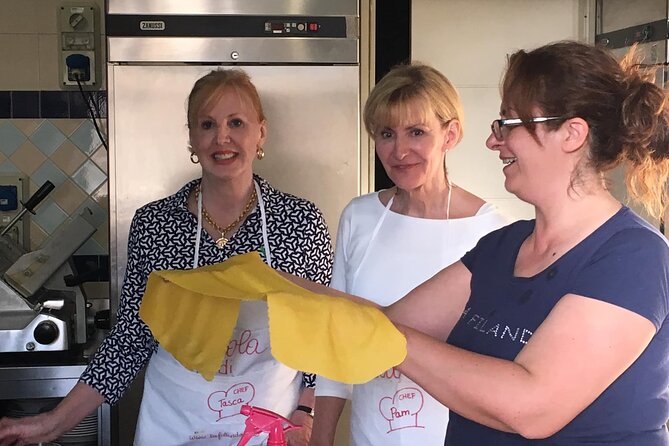
After cooking, you sit at a table and enjoy the lunch or dinner you’ve just made. This is more than just a meal stop. It’s when everything clicks.
You’ll get a tasting of the food, and the included materials mention tasting as part of the service. In plain terms: you don’t finish, pack up, and wander off hunting your own lunch. You get to eat what your group made in the same setting.
That matters for value. Cooking classes can be expensive when you’re paying for instruction only. Here, the meal is part of the package.
What’s included in the price (and where the extra costs can appear)
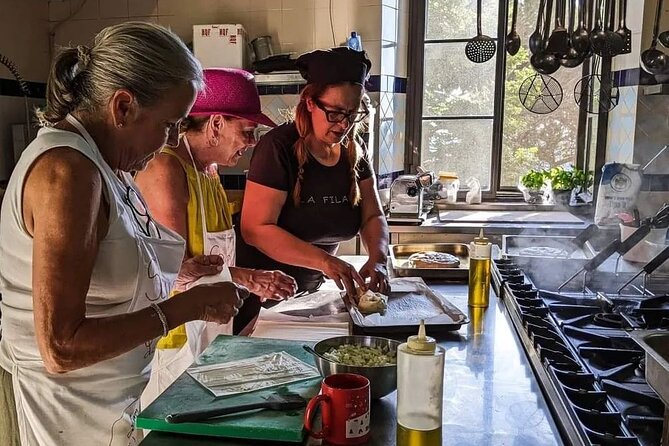
At $213.03 per person, you’re paying for:
- The hands-on cooking class with Chef Barbara in a professional kitchen
- An apron
- A recipes book
- Bottled water
- Food tasting and the lunch/dinner you made
- The class is offered in English
- It’s a private tour/activity, meaning only your group participates
Not included:
- Alcoholic beverages (wine can be selected separately from the wine list)
That wine detail is the big one for budgeting. If you love pairing food with wine, plan for an extra charge. If you don’t drink alcohol, this is still fine—your meal still includes what you cook, plus water.
Also, note the practical “carry it home” value. The recipe book and the apron aren’t just souvenirs. You’re more likely to recreate dishes when you’ve got written guidance right after the training.
How private groups change the experience (families and team-building friendly)
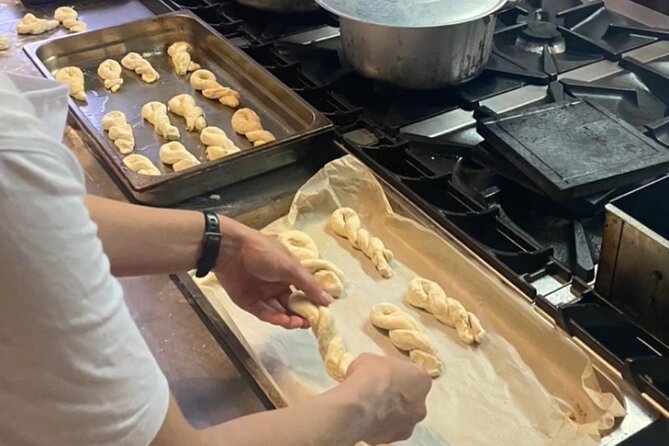
Because it’s private, you can expect the class to feel less chaotic and more attentive to your group’s pace. That’s especially helpful when you’re doing dough work. Everyone can see what’s happening, and you’re less likely to feel rushed by a mixed group.
This private setup can be a win in two directions:
- For families: kids and adults can participate at a comfortable rhythm.
- For teams: it feels like shared work, not passive observation.
If you’re traveling with friends and you want an activity that feels social but still skill-based, this is a good fit.
Who should book this Tuscan cooking class with Chef Barbara
This experience is a strong choice if you want:
- Real hands-on practice with Tuscan staples like handmade pasta and classic starters
- A cooking teacher who uses humor and stories to keep you confident while you work
- A meal experience that’s part of the class, not separate plans you still have to make
You might want to choose something else if:
- You only want a brief tasting and don’t enjoy doing actual prep work
- You’re strict about alcohol costs and don’t want to add any extras—because wine is available but not included
If you’re in Tuscany looking for an authentic, structured food day—something that’s both memorable and practical—Chef Barbara’s menu class makes a strong case.
Should you book this cooking class?
Yes, if you value hands-on instruction and you want a meal you helped create in a real restaurant kitchen. The combination of Chef Barbara’s teaching style, the hands-on menu (pici, pasta dough work, a Tuscan starter, and cantucci), and the Tirreno Sea view makes it feel like more than a checkbox activity.
Just go in with one expectation set: if you want wine, you’ll likely pay extra since alcohol isn’t included. If that’s fine, you’ll leave with both a full stomach and the confidence to recreate parts of the meal at home.
FAQ
What is the cooking class duration?
The class is listed at about 4 hours. It also states the total experience lasts about 3 hours, so plan for a roughly half-day block.
Where does the class meet?
The meeting point is La Filanda, Via Marsala 8, 58014 Manciano GR, Italy.
What time does the class start?
Start time is 10:30 am.
Is the experience private?
Yes. It’s a private tour/activity, and only your group will participate.
What menu items will I make and eat?
The sample menu includes Pici all’aglione, pasta dough work for lasagna/tortelli/tagliatelle, a starter such as focaccia/pizza/schiacciatte, and cantucci (cantuccini) as dessert.
What’s included in the price?
You receive an apron, bottled water, and a recipe book, plus tasting and the lunch or dinner you’ve prepared.
Is wine or other alcohol included?
No. Alcoholic beverages are not included. Wine can be chosen separately from the wine list.
When can I cancel for a full refund?
You can cancel for a full refund up to 24 hours before the experience’s start time.