REVIEW · CHIANTI
Greve in Chianti Wine Tasting and Winery Tour
Book on Viator →Operated by Azienda Agricola Brogioni Maurizio · Bookable on Viator
Greve in Chianti has a way of charming you fast. This small-group tour combines Chianti Classico context, a real on-site family winery experience, and tastings that are built around local flavors. You get a peek at how the estate thinks about Sangiovese and how it moves from vineyard life to the cellar table.
I especially love the behind-the-scenes feel of Azienda Agricola Brogioni Maurizio. The owner is the kind of host who makes the story personal, and it shows in the time spent on Chianti Classico history and what you’re actually tasting.
One thing to consider: the pacing is tight, and in rough weather the vineyard portion may be shortened or skipped. If you’re hoping for lots of strolling and a long, deep technical walkthrough, you may find it a bit more structured than you want.
In This Review
- Key highlights that make this tour worth your time
- The 90-minute Greve in Chianti setup (and what you really get)
- Stop 1 at Azienda Agricola Brogioni Maurizio: vineyard story + Chianti Classico basics
- Olive oil tasting in Greve: why that first sip preparation is a big deal
- Cellar tasting of four reds: cheese and Tuscan salami pairings
- The views from Maurizio’s property: the Tuscany effect, minus the postcard nonsense
- Price and value: is $60.47 worth it?
- Who this tour is best for (and who may want a different style)
- Practical tips to make the tasting go smoothly
- Should you book the Greve in Chianti wine tasting and winery tour?
- FAQ
- How long is the Greve in Chianti wine tasting and winery tour?
- Where is the meeting point for the tour?
- What language is the tour offered in?
- How many wines will I taste?
- What food is included during the tasting?
- Is there an age limit?
- Are dietary requirements handled?
- What’s included in the price?
- What isn’t included?
- What is the cancellation policy?
Key highlights that make this tour worth your time
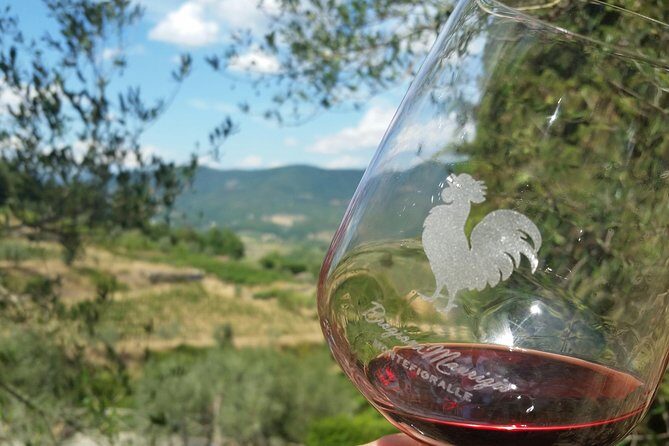
- Small group size (max 12) keeps the tasting from feeling like a factory line
- Four red wine selections tied to Chianti Classico basics and Sangiovese-focused storytelling
- Olive oil stop first, so your palate wakes up before the wine pours
- Local pairings with cheese and Tuscan salami, not just plain crackers
- Private-ownership access to the winery and vineyards, not a generic public tasting room
The 90-minute Greve in Chianti setup (and what you really get)
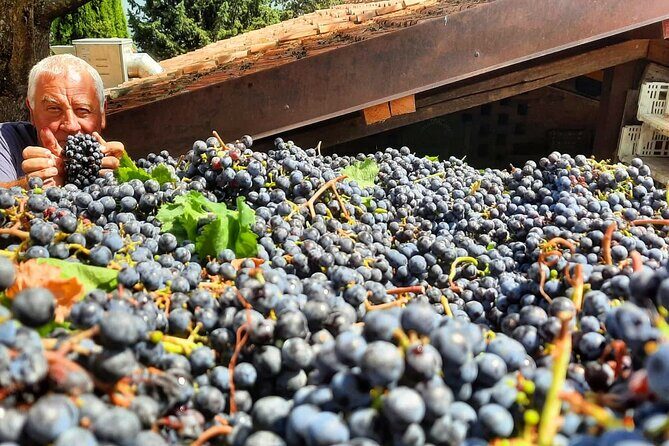
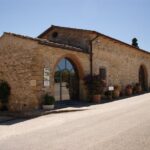
This is a compact tour, about 1 hour 30 minutes on the schedule, and it often lands close to around 2 hours depending on how questions and tasting pace shake out. You’ll meet at Via S. Cresci, 37 in Greve in Chianti, right at the winery, and the tour ends back there. That sounds small, but it’s a big deal in Tuscany: less driving, more time where the vines and olives actually are.
The format matters for value. You’re paying for three things that usually cost extra separately: a guided visit, a guided tasting, and food pairings. You get snacks included, plus a wine tour and wine tasting, and you’ll be tasting four different red selections. If you want a quick but “real” winery moment without turning your day into a half-day production, this fits.
One practical note: it’s English, you need to be 18+ for drinking, and you should flag any dietary requirements when booking. I like that the experience is small enough that those requests have a chance to actually matter.
Other Chianti wine tours we've reviewed in Chianti
Stop 1 at Azienda Agricola Brogioni Maurizio: vineyard story + Chianti Classico basics
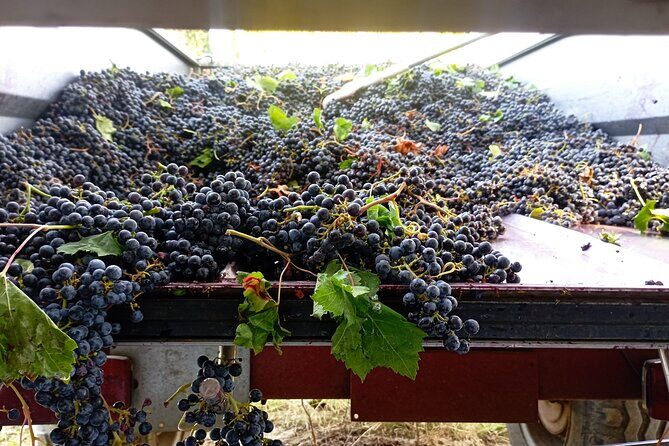
The tour starts on-site with the vineyard visit and the estate story. What you gain here is not a lecture about wine terms. You get an explanation of Chianti Classico and how it connects to Sangiovese grapes. That’s a helpful anchor if you’re new to Chianti, because it gives your tastings a simple framework.
Next, you’ll move through the estate areas that relate to other key ingredients, including olive oil. This order is smart. Your palate isn’t ready for wine until it’s warmed up by taste and aroma from something else first. One review experience even highlighted that you might smell components from containers, which helps you learn without feeling like it’s purely theoretical.
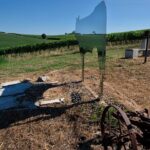
A heads-up on the vineyard walking portion: the plan is to visit the vineyard, but weather can interfere. In at least one case, heavy rain meant the vineyard portion didn’t happen as expected. If you’re visiting when thunderstorms are common, don’t assume you’ll always get maximum outdoor time. Layers and a small plan for quick weather changes can save your mood.
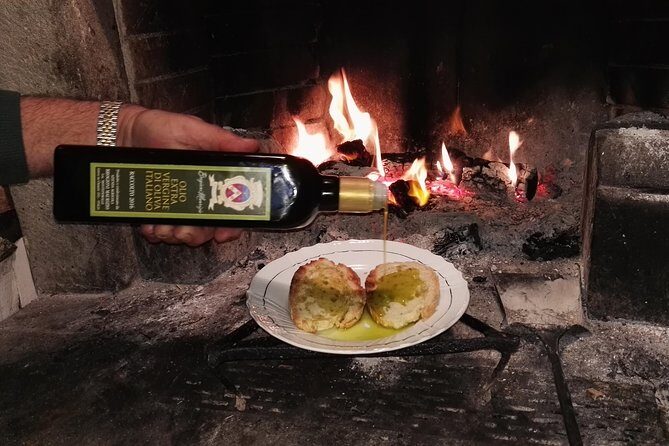
Olive oil tasting in Greve: why that first sip preparation is a big deal
This isn’t just a random side stop. The olive oil visit gives you an important Tuscany reality check: the estate isn’t only selling wine; it’s doing agriculture. When you taste olive oil before the wine, you reset your senses.
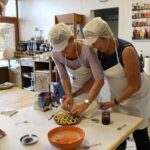
Here’s what I’d watch for when you’re tasting the oil: don’t rush. Olive oil has its own aroma and intensity, and tasting it first helps you notice how wine aromas behave once your brain has something else to compare against. The tour pairs oil with the overall message that you’re at a working property, not a staged tasting bar.
You’ll also get to see part of how the estate organizes its food-related side of the experience, which connects to what comes next in the cellar. Even if you’re not an olive oil fanatic, this stage makes the wine tasting feel more grounded.
Cellar tasting of four reds: cheese and Tuscan salami pairings
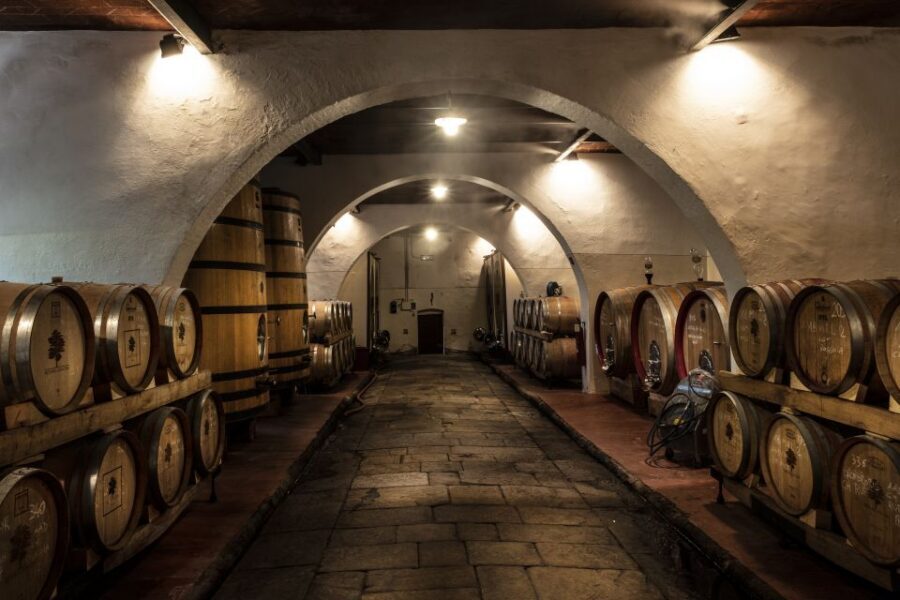
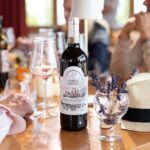
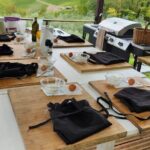
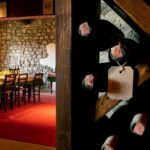
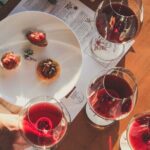
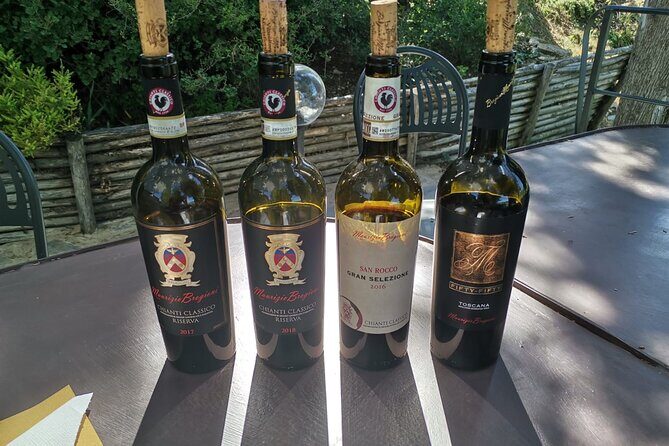
After the vineyard and olive oil portion, you head inside the cellar area for the tasting. You’ll taste four red wine selections, and the wines are served alongside local products such as cheese and Tuscan salami.
This is one of the most praised parts of the experience, and I get why. Pairing food with wine is where wine tastings stop being about sniffing and start being about real enjoyment. The salami brings salt and fat; the cheese adds richness; the wine becomes more interesting because your palate has something to bounce off.
What to expect in the way explanations are handled: the pairing approach tends to focus on how the wine works with the food, not on long, technical scent breakdowns every single time. Some people love that style because it’s practical. Others want more “how it’s made” detail or a slower, deeper explanation during each pour. If that’s you, ask questions early and keep them coming while the host is in full storytelling mode.
Also, consider the pacing of the table setup. One negative experience complained about sitting with a different group timeline, which led to waiting while others finished tastings. That doesn’t sound like a universal issue, but it’s a good reason to go in knowing this is still a group service. If you’re the type who hates delays, try to be flexible and treat it like a conversation, not a timed exam.
The views from Maurizio’s property: the Tuscany effect, minus the postcard nonsense
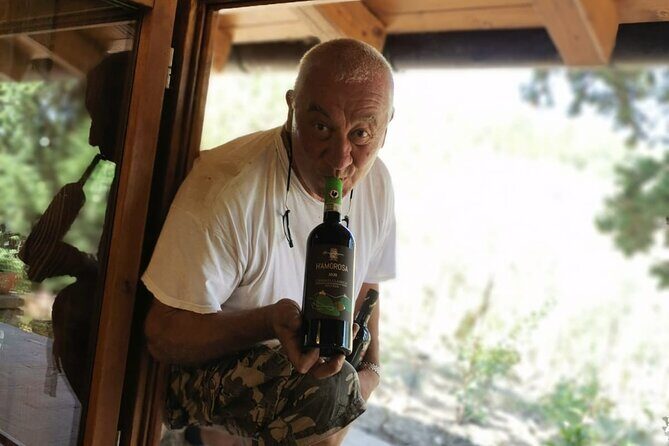
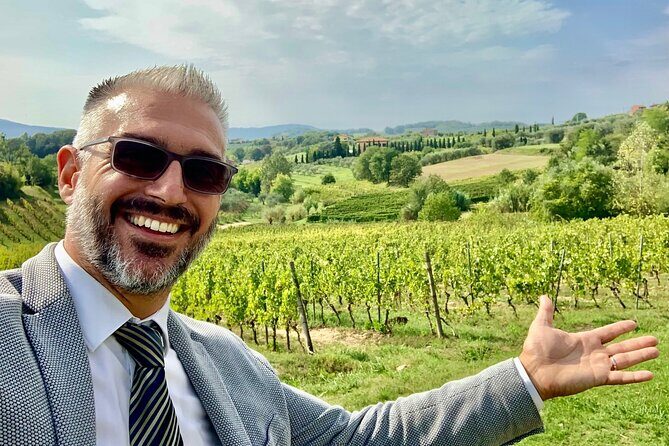
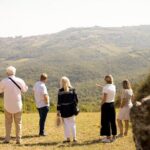
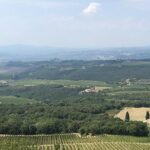
A recurring theme in the feedback is that you get to enjoy a real view from the host’s working environment—an office overlooking vineyard and olive areas. It’s not about pretty framing for photos. It’s about being in the place where the wine story is actually happening.
When you’re in that setting, the winery doesn’t feel like a stop on a route. It feels like a home base. Some guests even mentioned buying favorites to ship home after the tasting, which is what you want from a real winery visit: tasting that leads to a decision.
If you’re coming to Chianti for big scenic moments, this tour delivers that effect without requiring you to plan a separate sight-seeing detour. You get a working-property feel in the same timeframe as the tasting.
Other vineyards and winery tours in Chianti

Price and value: is $60.47 worth it?
At $60.47 per person for roughly 1.5 hours, this tour is not a budget tasting. But it does have value anchors that help justify the price.
You’re getting:
- Four red wines (not two or three)
- Snacks included
- Food pairings such as cheese and Tuscan salami
- A guided tour on-site with vineyard and cellar access
- A small group experience (max 12)
For some people, the concern is that it can feel rushed or shorter on certain details, like how deeply you get into the winemaking process or whether you get extended time walking the vines. If your priority is maximum time exploring fermentation, barrels, and hands-on mechanics, you may judge this as lighter than you want.
My take: the value is strongest if you want a compact, enjoyable introduction to Chianti Classico, paired with real estate energy from a working family winery. If you’re shopping for a long, technical tour with lots of walking, you might need a different format or a longer experience.
Who this tour is best for (and who may want a different style)
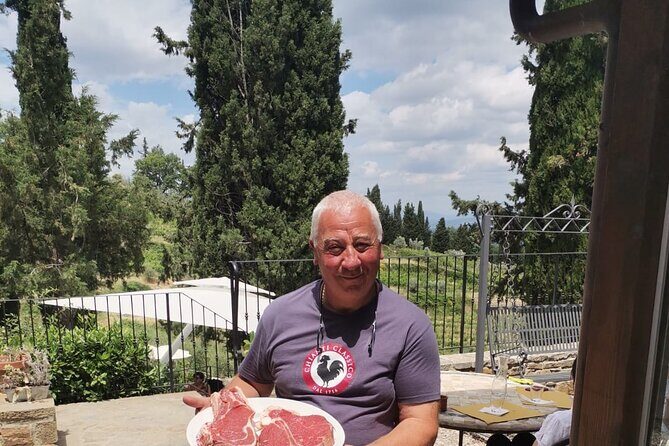
This works best if you:
- want a small-group tasting where you can ask questions
- like the idea of Chianti Classico context linked to Sangiovese
- enjoy wine more with food pairings than with pure aroma theory
- prefer a family-run vibe over a big, scripted production
You might be less happy if you:
- expect a long vineyard wander every time, regardless of weather (rain can change plans)
- want the most detailed explanation of winemaking steps in extended form
- feel strongly that tastings should be slowed down and expanded with more structured instruction
Given the range of feedback, I’d call it a good fit for people who value the experience around the table: tasting plus story plus local bites.
Practical tips to make the tasting go smoothly
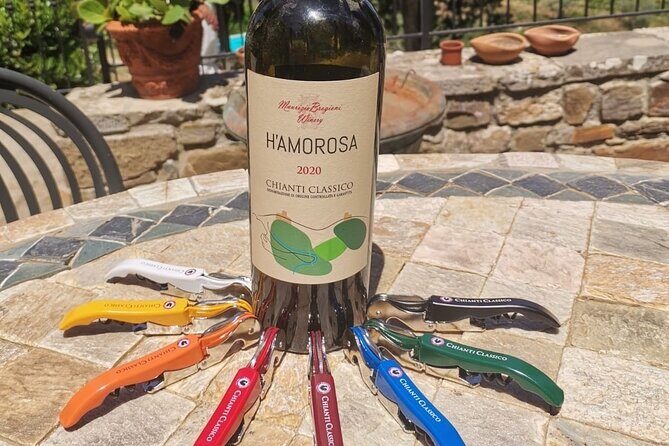
If you want your $60.47 to feel like the best use of time, do a few simple things:
- Arrive early enough to find the place confidently. One review described confusion because the address/name shown online didn’t match reality. Use the meeting address and be ready to confirm you’re in the correct courtyard.
- Bring your questions. The explanation style is built around the pairing and the estate story. If you want more detail on anything, ask while you’re still in the cellar and you’ll get more of your preferred flavor.
- Take your time with the food. Cheese and Tuscan salami aren’t side props here. They’re part of how you understand why the wines taste the way they do.
- Dress for weather. Outdoor parts can be affected by rain. Bring a light layer you can handle quickly.
Should you book the Greve in Chianti wine tasting and winery tour?
I’d book it if your goal is a compact, authentic winery visit with four red wines, olive oil, and local pairings in a small group setting. It’s especially good for your first or second Tuscany wine day, when you want context without committing to hours of technical production.
Skip it or look for an alternative if your main wish is lots of walking in the vineyards no matter what, or if you want an unusually detailed, stop-by-stop winemaking breakdown with a slower pace. Weather and format can limit the outdoor and technical depth.
If you’re flexible and you like tasting wine with good food in a working family setting, this is a very solid choice for Greve in Chianti.
FAQ
How long is the Greve in Chianti wine tasting and winery tour?
The tour lasts about 1 hour 30 minutes (approx.).
Where is the meeting point for the tour?
The tour meets at Azienda Agricola Mauricio Brogioni Winery, Via S. Cresci, 37, 50022 Greve in Chianti FI, Italy.
What language is the tour offered in?
The experience is offered in English.
How many wines will I taste?
You’ll sample four different red wine selections.
What food is included during the tasting?
The tour includes snacks, and the tasting is combined with local products such as cheese and Tuscan salami.
Is there an age limit?
Yes. The minimum drinking age is 18 years.
Are dietary requirements handled?
You should advise any specific dietary requirements at time of booking.
What’s included in the price?
Included: snacks, wine tasting, and a wine tour.
What isn’t included?
Food and drinks are not included unless specified.
What is the cancellation policy?
You can cancel for a full refund up to 24 hours in advance of the experience start time.