REVIEW · CHIANTI
Cooking Class on a Family Farm in Chianti with Lunch
Book on Viator →Operated by Cofferi1242 - Camilla Romoli · Bookable on Viator
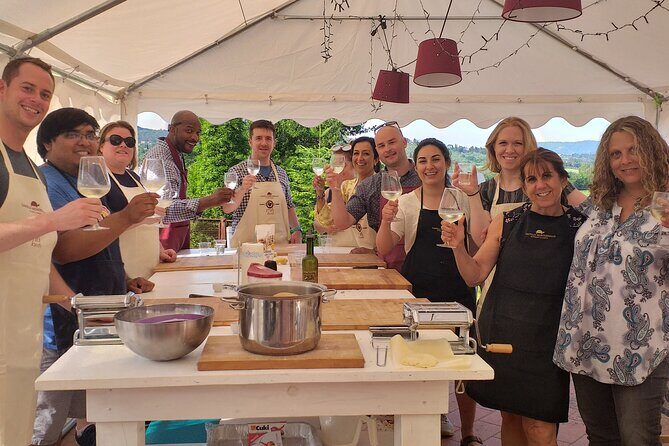
Pasta tastes better when it starts on a farm. On Camilla Romoli’s family property in Chianti (Cofferi1242), you get homemade pasta instruction plus a real farm-to-table lunch, outdoors if the weather cooperates. I especially liked how hands-on it is, from rolling dough to shaping ravioli, and how the meal lands with what you just learned. One heads-up: the approach road can be rough, and the farm setting is practical, not hotel-polished.
This is a 4-hour class that starts around 10:30 am, and it’s built for small groups (up to 20). The pace feels friendly: you arrive, meet your host, get a quick look around the olive grove and saffron field, cook together, then sit down to what you made with local wine.
If you want a Tuscany day that mixes food skill, stunning views, and a calm hilltop rhythm, this is a strong pick. If you’re expecting everything to look exactly like a glossy patio photo, temper expectations—this is a working farm, and that’s part of the charm.
In This Review
- Key Things You Should Know Before You Go
- Why This Chianti Cooking Class Feels Like Farm Life, Not a Factory
- The 10:30 Start and the Morning Flow on a Hilltop Farm
- Farm Tour Highlights: Olive Grove Views and a Saffron Field
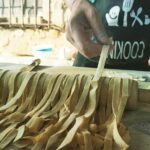
- Making Homemade Pasta: Tagliatelle and Ravioli That Don’t Feel Like Magic
- Bread Dough and Schiacciata: The Tuscan Side You’ll Want to Repeat
- A Complete Tuscan Menu, Plus Wine With Each Stage
- Al Fresco Lunch With Vineyard Views (When Weather Allows)
- What About the Road and the Farm Kitchen Setup?
- Price and Value: Is $175.43 Worth It?
- Who This Cooking Class Is Best For
- Should You Book This Chianti Farm Cooking Class?
- FAQ
- What time does the cooking class start?
- How long is the experience?
- Where does the class meet?
- What’s included in the class?
- Is lunch included?
- What’s the group size?
- Is the class taught in English?
- Is there a refund if plans change?
- What if I need to use a service animal?
Key Things You Should Know Before You Go
- You cook the whole meal: starters through dessert, not just one pasta course.
- You tour the ingredients up close: olive grove and a saffron field are part of the morning.
- Pasta shapes are actually taught: tagliatelle, ravioli, plus ravioli/tortelloni-style options.
- Bread dough gets real attention: you learn dough basics for bread and schiacciata.
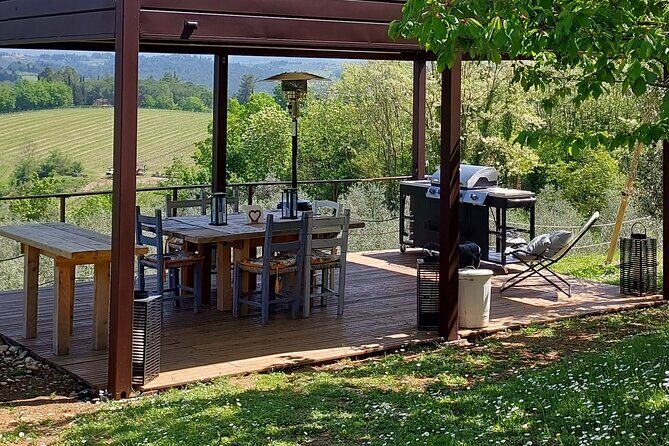
- Lunch is outdoors when possible: garden seating overlooking vineyards and olive trees.
- Small group energy: max 20 people, so you don’t feel lost in the crowd.
Why This Chianti Cooking Class Feels Like Farm Life, Not a Factory
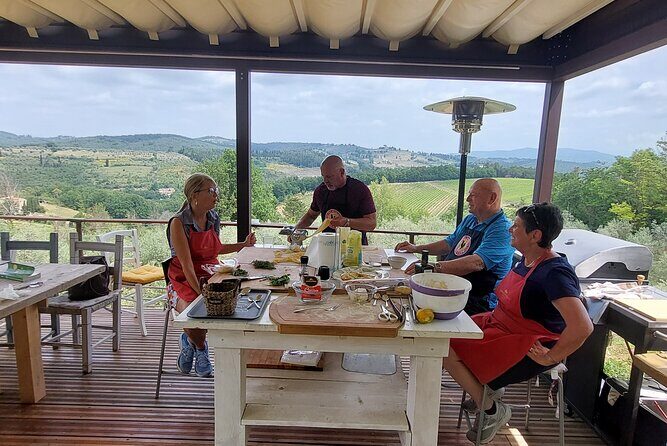
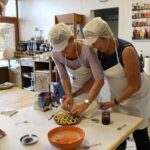
Chianti can be a lot of things: wine tastings, scenic drives, long lunches. This class goes in a different direction. Instead of watching food happen, you’re making it—dough, shaping, sauce choices, and dessert—while your host explains what matters and why.
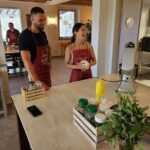
The best part, for me, was the mix of teaching and hospitality. Camilla Romoli runs the show, and family members may step in to help with the flow—one of the class experiences I saw people describe involved Camilla’s daughter Chiara, and another description mentioned teaching led by Fabrizio and his son. Either way, the vibe stays the same: patient coaching, lots of interaction, and a focus on getting you confident enough to repeat the recipes at home.
The second big win: your food is tied to the farm. You’re using herbs from the garden, extra virgin olive oil, and ingredients that come from the property context—olive trees nearby, and even a saffron field. That connection makes the day feel grounded, not staged.
There’s one consideration I’d plan for: this is a real countryside hillside. One person flagged that the drive can be bumpy and pothole-heavy on dirt roads, so you’ll want to go slow and skip anything low to the ground.
Other Chianti wine tours we've reviewed in Chianti
The 10:30 Start and the Morning Flow on a Hilltop Farm
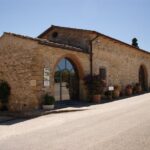
The class starts around 10:30 am at Via dei Cofferi, 12, Loc. 50026 Il Ferrone (Cofferi1242 – Cooking Class – Olive Oil – Saffron). But you don’t just arrive and start throwing flour immediately.
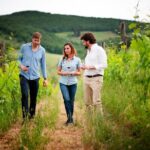
You’ll do a short meet-and-greet first—enough time to settle in, talk a little, and get comfortable with the group. After that, you may take a brief tour of the farm property. This is where the olive grove view and the saffron field come into the story, so the cooking feels like it has a beginning, not just an ending.
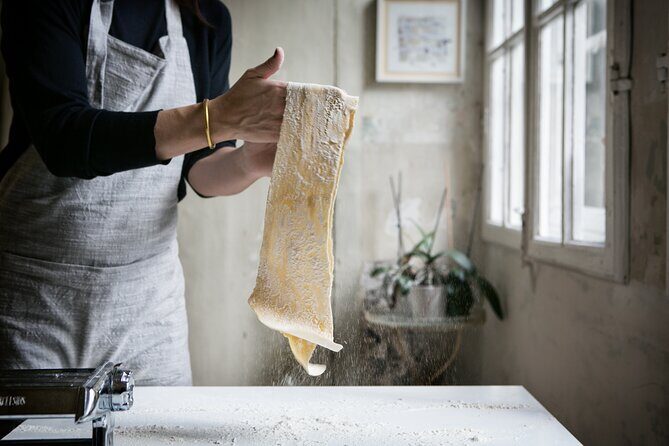
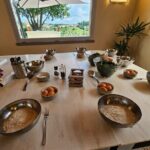
Then the work starts: you’ll learn homemade pasta techniques and how to shape pasta varieties like tagliatelle and ravioli. You’ll also work with dough for bread and schiacciata. The day stays structured, with time moving between tasks—so you’re not stuck waiting around, but you’re also not rushed through steps.
Why this structure matters: pasta and bread are technique-heavy. If your host jumps too fast, you’ll end up with a bowl of flour and disappointment. The longer you spend on dough handling—resting, rolling, shaping—the better your results.
Farm Tour Highlights: Olive Grove Views and a Saffron Field
The morning farm tour isn’t just sightseeing. It’s a practical lesson in where your ingredients come from and why Tuscan cooking tastes the way it does.
On this property, the experience includes:
- An olive grove you can admire while you talk about olive oil quality and how it shows up in cooking.
- A saffron field (yes, saffron) that adds a unique Chianti touch. Even if you’ve cooked with saffron before, seeing the source in the landscape helps you understand the ingredient’s place in the region.
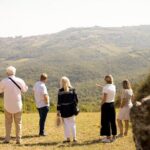
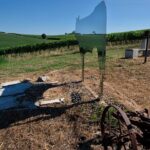
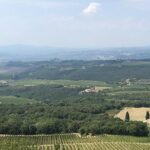
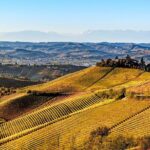
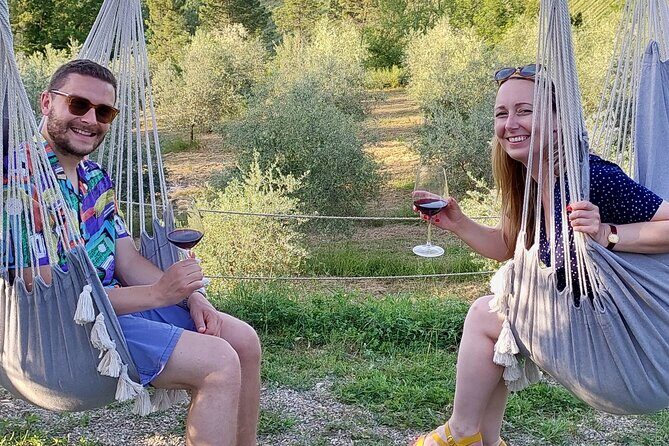
And the views matter, too. The farm sits on a hill surrounded by vineyards, olive trees, and woods. People describe the setting as an oasis of calm, and that matches the way the day is paced: you cook, you look up at the countryside, you come back to the dough.
If you’re the type who needs a quiet moment to reset during a trip, this kind of pause can be a big part of the value.
Making Homemade Pasta: Tagliatelle and Ravioli That Don’t Feel Like Magic
Homemade pasta sounds intimidating until someone slows down the process and gives you a repeatable approach. That’s what this class is aiming for.
You’ll learn:
- How to prepare the pasta dough.
- How to use herbs from the garden while working on flavor.
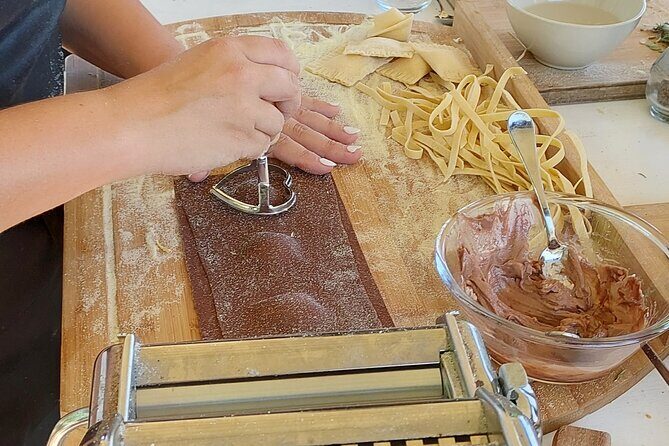
- How to shape different pasta types, including tagliatelle and ravioli.
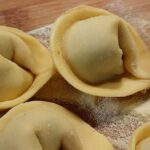
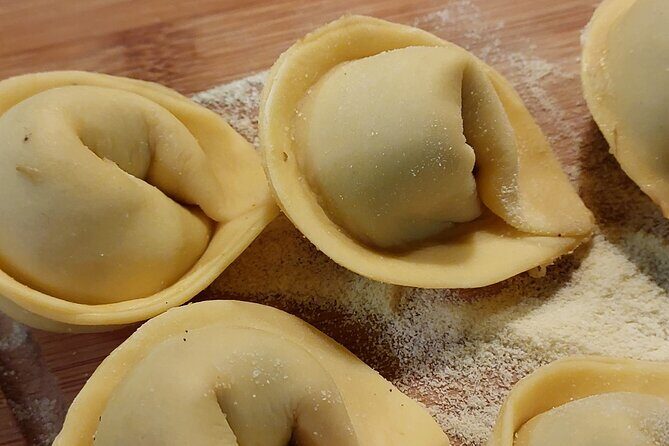
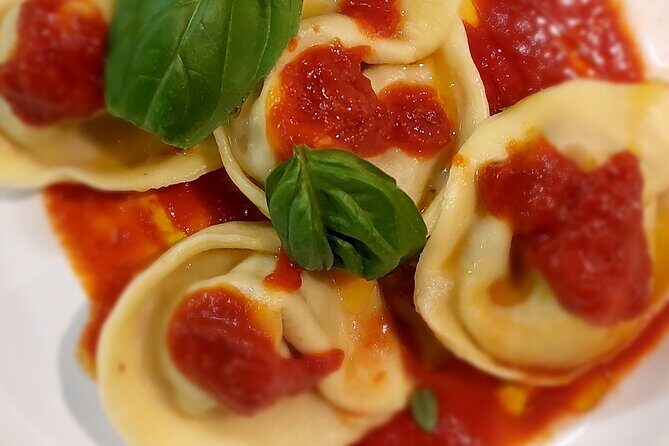
A sample menu includes homemade ravioli and tortelloni served with sage butter and parmesan—topped with fillings such as fresh ricotta, parmesan, and lemon zest with sage and pepper. You might also make tagliatelle served with a fresh tomato sauce or zucchini pesto (courgette pesto).
What I’d watch for while you cook: timing and consistency. For example, if the dough is too dry or too sticky, shaping gets harder. If you learn how your host adjusts texture and work rhythm, you’ll be able to recreate the results later—even if your kitchen setup is totally different.
Also, you’re not doing one “tourist pasta.” You’re learning enough technique to understand how different shapes work with different sauces. That’s the real home-cooking payoff.
Bread Dough and Schiacciata: The Tuscan Side You’ll Want to Repeat
Most pasta classes stop after the pasta. This one keeps going with bread dough, which is a big reason the experience feels worth the time.
You’ll learn dough basics for bread and schiacciata, a versatile Tuscan flatbread. The idea is simple: once you understand the dough, you can turn it into multiple styles—different flavors, different toppings, and different serving moments.
In real terms, you’ll come away with more than one recipe. People mention making breads and focaccia too, which suggests that the class may include additional dough-based items depending on the day’s menu flow.
Why this matters: schiacciata and focaccia style breads are great for improvising at home. Even if you can’t match Tuscan oven heat, you can still replicate the dough logic—rest time, shaping, and how toppings behave.
Other cooking classes in Chianti
A Complete Tuscan Menu, Plus Wine With Each Stage
This class isn’t only about cooking; it’s about finishing strong. You’ll prepare a full menu that can include:
- Appetizers
- First courses
- Second courses and side dishes
- Dessert
The sample menu shows two pasta courses (ravioli/tortelloni and tagliatelle) plus dessert: apple pie with crumble, served as an apple pie topped with crumble.
What makes the full-menu approach valuable is that it keeps your learning connected. You’re not just making dough. You’re learning how a Tuscan meal builds: something savory first, then a pasta centerpiece, then something sweet to close.
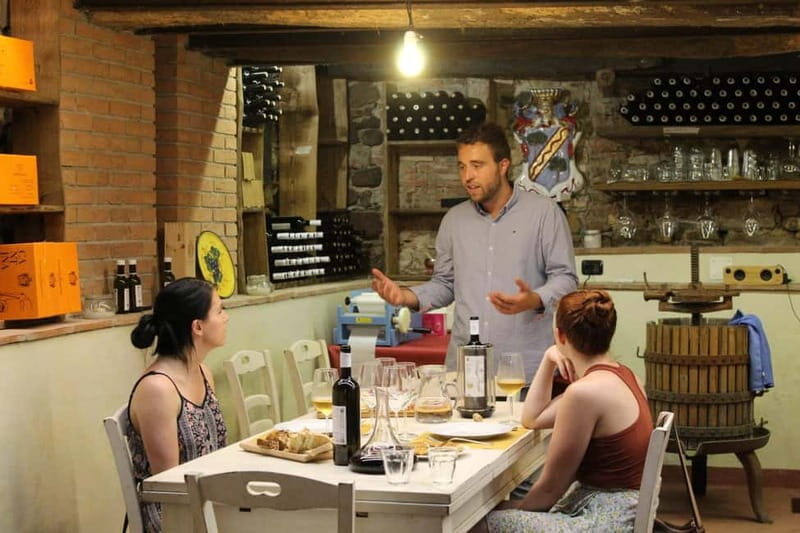
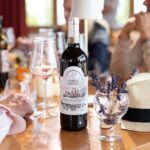
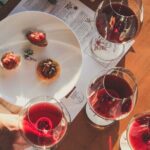
Wine is part of the meal. People describe tasting the family’s red wine and pairing wine with the courses. Olive oil is also a star ingredient, and when you’re tasting it alongside the cooking, you get a clearer sense of how good olive oil changes a dish.
Practical note: pace yourself. You’re cooking for hours. If wine is served through the meal stages, you’ll want to eat steadily so you stay sharp for the later dough and dessert work.
Al Fresco Lunch With Vineyard Views (When Weather Allows)
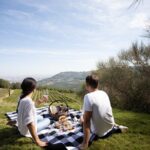
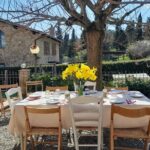
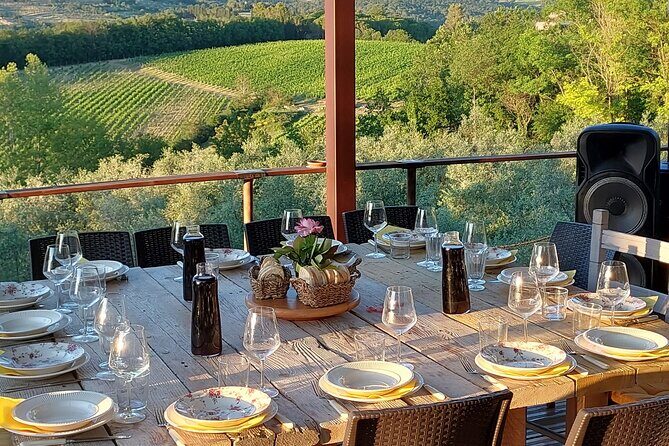
After cooking, the class shifts into eating mode. If the weather permits, you’ll have lunch outdoors in the garden, with the vineyards and olive trees in view.
This part matters for two reasons:
- You’re savoring what you made in the environment it belongs to.
- The outdoor setting helps the day feel like a slow countryside hang, not a rushed workshop.
The farm sits high above the surrounding countryside, so even when the meal is simple, the setting makes it feel special. People repeatedly mention the peace and tranquility of the Tuscan countryside, and they describe the meal as relaxing and satisfying.
If weather pushes you indoors, expect that the cooking may happen partly outside and partly in the kitchen area. One review mentioned cooking under a covered porch, and another described part of the work happening inside as well.
What About the Road and the Farm Kitchen Setup?
I’ll be honest about what can surprise you: this is not a polished, picture-perfect venue all the time.
One person warned that the drive can be treacherous with potholes on a dirt road, and they suggested not bringing a low sports car. Another person said directions were tricky and recommended verifying them and allowing extra time.
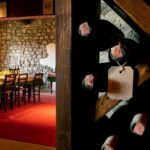
On the venue side, one review complained that areas around the outdoor patio didn’t look as neat as online photos, and they mentioned seeing clutter like old items, weeds, and the kitchen area not feeling spotless. On the other hand, many reviews emphasized a comfortable outdoor cooking setup and described the experience as warm, welcoming, and well-run.
Here’s how I’d translate that into real advice: show up with a working-farm mindset. You’re paying for hands-on cooking, farm ingredients, and a family-hosted meal—not for a showroom. If you need a spotless, luxury-clean aesthetic, you might leave a little disappointed. If you’re okay with rustic reality in exchange for real instruction and real food, you’ll likely love it.
Price and Value: Is $175.43 Worth It?
At $175.43 per person for about 4 hours, this class is not “cheap,” but it’s also not overpriced for what you’re getting.
Here’s the value breakdown that makes sense:
- Hands-on instruction: pasta dough, shaping, bread dough, and multiple menu items.
- Farm-tied ingredients: olive oil and herbs from the garden, plus the farm context around olives and saffron.
- You eat what you cook: a full meal with pasta and dessert, plus wine.
- Small group size: up to 20 people, which helps keep the instruction personal enough to matter.
When people come back saying the class was a top highlight, it’s usually because they didn’t just sample food—they learned technique and ate a complete lunch with the same ingredients and flavors.
If your goal is simply to get a nice meal with a view, there may be cheaper ways to do that in Chianti. If your goal is to bring home practical cooking skills—pasta shaping and bread dough confidence—then the price starts to feel fair.
Who This Cooking Class Is Best For
This is a great fit if you:
- Want an authentic Chianti experience that goes beyond wine tastings.
- Like interactive activities where you actually produce food.
- Want a peaceful day paired with beautiful countryside.
It’s also a good choice for families. Reviews mention Camilla being patient with kids, and the class working well across a wide age range.
If you have mobility issues, you might want to consider the nature of a hillside farm and outdoor garden seating. The experience does allow service animals, but specific accessibility details aren’t listed here, so you should plan based on your own comfort moving around a countryside property.
Should You Book This Chianti Farm Cooking Class?
I’d book it if you want a hands-on day in Chianti where you learn real pasta and bread techniques and then eat a full meal in the same setting that inspired the ingredients. The combination of homemade pasta shaping, dough learning (bread and schiacciata), and a vineyard-and-olive-tree lunch is exactly the kind of “I can’t replicate this at home” experience that also gives you take-home skills.
I’d reconsider if:
- You’re very sensitive to rustic presentation and a working-farm look.
- You don’t want to deal with a bumpy, rough rural approach road.
- You’re short on time and only want a quick taste, not several hours of cooking.
If you do book, I’d plan to arrive with a little extra time, wear shoes you trust on uneven surfaces, and bring curiosity. This kind of class rewards people who show up ready to learn by doing.
FAQ
What time does the cooking class start?
The class starts around 10:30 am.
How long is the experience?
It lasts about 4 hours.
Where does the class meet?
The meeting point is Cofferi1242 – Cooking Class-Olive Oil-Saffron, Via dei Cofferi, 12 Loc, 50026 Il Ferrone FI, Italy.
What’s included in the class?
You’ll make pasta (including shapes like tagliatelle and ravioli), learn bread and schiacciata dough preparation, and prepare a complete menu that can include appetizers, multiple course items, and dessert. Local wine and olive oil are part of the meal.
Is lunch included?
Yes. After cooking, you’ll eat an outdoor lunch in the garden if weather permits, and the meal includes what you prepared.
What’s the group size?
The experience has a maximum of 20 travelers.
Is the class taught in English?
Yes, the tour is offered in English.
Is there a refund if plans change?
There is free cancellation. You can cancel up to 24 hours in advance for a full refund.
What if I need to use a service animal?
Service animals are allowed.