REVIEW · CHIANTI
Montefioralle Winery – Tour and Wine Tasting in Chianti
Book on Viator →Operated by Montefioralle Winery · Bookable on Viator
Montefioralle Winery turns wine tasting into a countryside moment. This is a small, farm-based stop in Chianti where you taste several styles, learn how the wine is made, and look out over the hill town and vineyards.
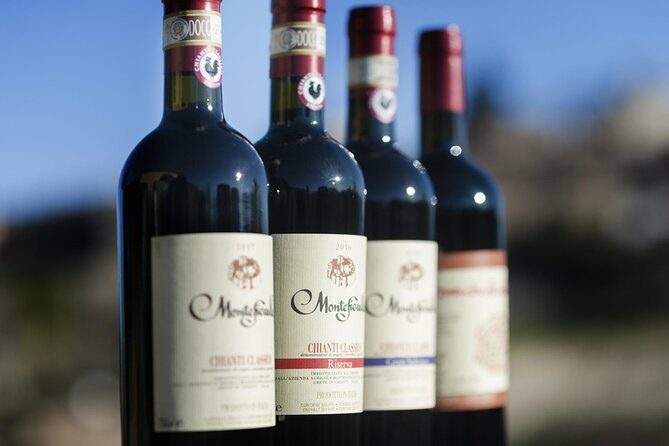
What I like most is the tasting lineup: Chianti Classico, Chianti Classico Riserva, IGT, and Vin Santo—served with lighter snacks made for pairing. I also like the pacing. You’re not rushed through a showroom. You’re guided through the farm setting and production basics at a scale that feels human.
One thing to consider: the experience includes snacks, not a full meal. If you’re hungry and hoping for cheese or charcuterie, you might want to plan for that on your own after.
In This Review
- Key things to know before you go
- Why Montefioralle Tasting Feels More Like a Farm Visit Than a Production Line
- Your Tasting Lineup: Chianti Classico, Riserva, IGT, and Vin Santo
- Chianti Classico (2019 and 2018)
- Chianti Classico Riserva (2018)
- IGT
- Vin Santo del Chianti Classico (2017)
- The pairing snacks (what they’re for)
- Stop 1: The Winery Tour Where the Grapes Become Bottles
- Where your tasting happens (and why it matters)
- The feel of the guide-led experience
- Stop 2: Montefioralle Views and the Small-Town Slow Moment
- Price and What You’re Really Getting for $42.24
- Practical Tips for a Smooth Chianti Day
- Plan around the meeting point
- Comfortable shoes help
- Think about weather and tasting location
- Eat first or plan a follow-up
- If you’re coming from Florence, plan transport early
- Who Should Book This Tour—and Who Might Want Something Else?
- Should You Book Montefioralle Winery?
- FAQ
- How long is the Montefioralle Winery tour and wine tasting?
- How much does it cost per person?
- What wines are included in the tasting?
- Are snacks included?
- Where does the tour start?
- Is the tour offered in English?
- Can I cancel for a refund?
Key things to know before you go
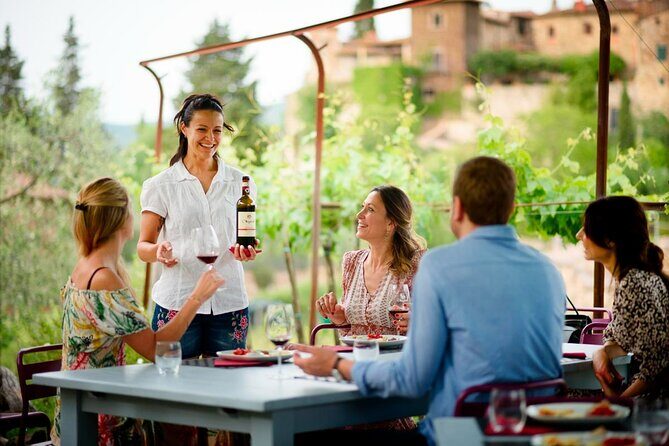
- Four wine bottles plus Vin Santo: you’re tasting across styles, not just one “house Chianti.”
- Seasonal setting: tastings may happen in a small room above the basement or outdoors in the square by the vineyards.
- Vineyard + winery tour together: you’ll walk through how the grapes become wine, from pressing/mashing through bottling.
- Small group size (max 15): easier conversation and a calmer feel than big bus tours.
- Owner-led hospitality is common: you may get explanations from the people running the farm (and guides like Manila or Alessia show up in English feedback).
- Views are part of the ticket: you’re tasting with Montefioralle village and the Chianti countryside in front of you.
Why Montefioralle Tasting Feels More Like a Farm Visit Than a Production Line
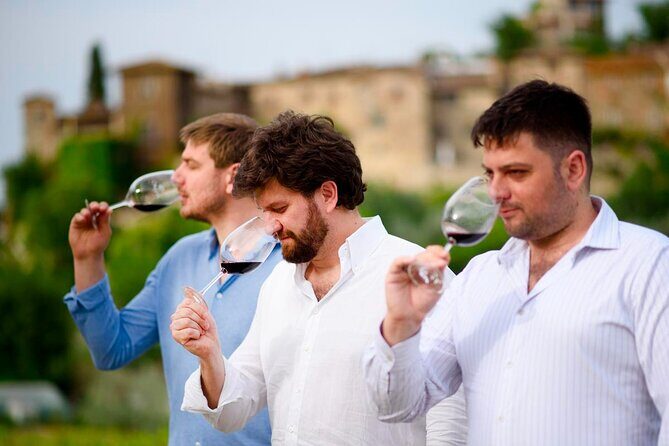
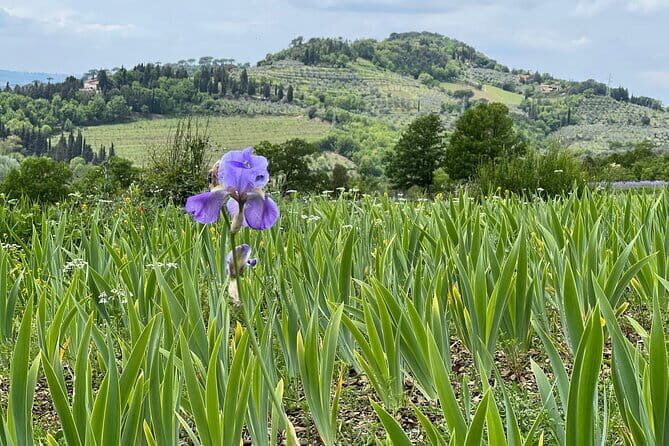
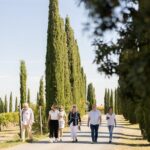
Montefioralle sits at the foot of a hill in Chianti, and the whole experience is built around that geography. You start on the farm below Montefioralle village, where the setting helps you understand why Chianti tastes like it does: vines, slopes, and sun, all in one frame.
The “less commercial” feel is not just marketing fluff. The winery is small, and the tour stays close to real winemaking steps—mashing, winemaking, aging, and bottling. That makes it more satisfying if you’re the kind of person who likes answers, not just wine names.
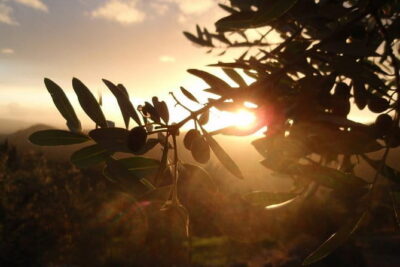
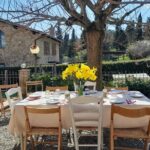
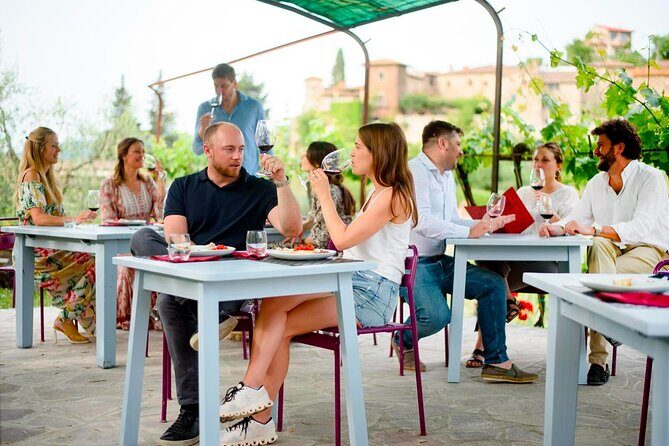
You’ll also get the kind of Chianti view that becomes a mental bookmark. Depending on the season, the tasting happens outdoors in a square surrounded by vineyards or indoors in a small room above the basement. Either way, the landscape is the backdrop, and it changes how the tasting feels. Outdoors, the air and light make the wines feel lighter and more alive. Indoors, it’s calmer and more focused on the glass.
Other Chianti wine tours we've reviewed in Chianti



Your Tasting Lineup: Chianti Classico, Riserva, IGT, and Vin Santo
This tasting is structured around four different wines, plus Vin Santo. That’s a smart way to learn Chianti without guessing. You taste, then you learn what’s behind each style.
Chianti Classico (2019 and 2018)
You’ll taste Chianti Classico using traditional rules with Tuscan red grapes: Sangiovese, Canaiolo, and Colorino. The year changes the feel of the wine, so comparing the 2018 and 2019 versions helps you notice how vintage affects fruit, balance, and overall smoothness.
Chianti Classico Riserva (2018)
The Riserva follows the same grape composition, but the difference is in how the grapes are chosen. The Riserva uses grapes selected from older vines. In practical terms, that often means you should look for a bit more depth and structure. If you like Chianti that feels more serious—less like a casual pour and more like a meal wine—this is usually the one people remember.
IGT
You’ll also taste an IGT wine. IGT (Indicazione Geografica Tipica) gives producers more flexibility than stricter category rules. Even without a long technical lecture, you’ll feel how the style can shift while still being unmistakably Tuscan and Chianti-flavored.
Other vineyards and winery tours in Chianti



Vin Santo del Chianti Classico (2017)
Vin Santo is made from raisins, and the process takes time—part of a craft shaped by centuries of Tuscan farmers. Expect a dessert-style wine with a very different personality from the red Chiantis. If you usually skip sweet wines, this one still has a good chance to convert you, because raisin-based Vin Santo often feels more like concentrated fruit and spice than syrup.
The pairing snacks (what they’re for)
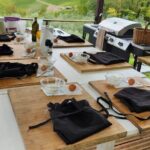
The tasting comes with lighter snacks meant to work with the wines. I like this choice because it keeps the tasting grounded. You’re not drowning the palate with heavy food. You’re getting enough bite to notice acidity, tannin, and sweetness changes from glass to glass.
Stop 1: The Winery Tour Where the Grapes Become Bottles
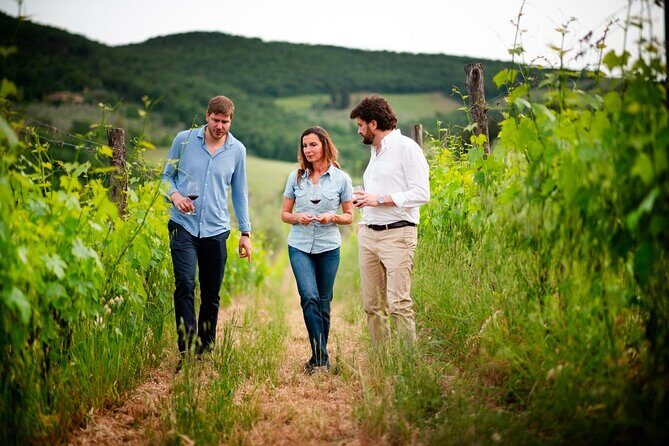
Stop 1 is at Montefioralle Winery, right on the farm. This is where you get the clearest sense of what “winemaking” means beyond the finished bottle.
The tour explains the basic production process, including:
- Mashing the grapes
- Winemaking and aging
- Bottling
That sequence matters. Many tastings focus only on flavor in the glass. Here, you’re shown the flow of decisions that shape those flavors. Even if you don’t catch every technical term, the order helps you understand why red wines might taste different from one another, and why a raisin-based wine feels so distinct.
Where your tasting happens (and why it matters)
Depending on the time of year, your tasting may be:
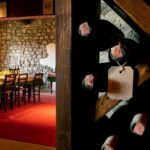
- In a small room above the basement, or
- Outdoors in the square surrounded by vineyards
If you hate cold air or want an easy chair setup, indoor tasting can be more comfortable. If you want the classic Chianti moment—wine in hand, vineyards around you—outdoor tasting is the one that feels cinematic.
Either way, the tasting stays intimate. You’ll get the chance to ask questions and compare wines directly.
The feel of the guide-led experience
A big part of the charm here is who tells the story. Reviews point to hosts and guides who keep explanations clear and concise. Names that come up include Manila and Alessia, and there’s also a common theme: the people guiding you care about the family business and are happy to explain it in plain language.
Stop 2: Montefioralle Views and the Small-Town Slow Moment
Stop 2 is Montefioralle itself. This is less about a shopping strip and more about letting the place sink in.
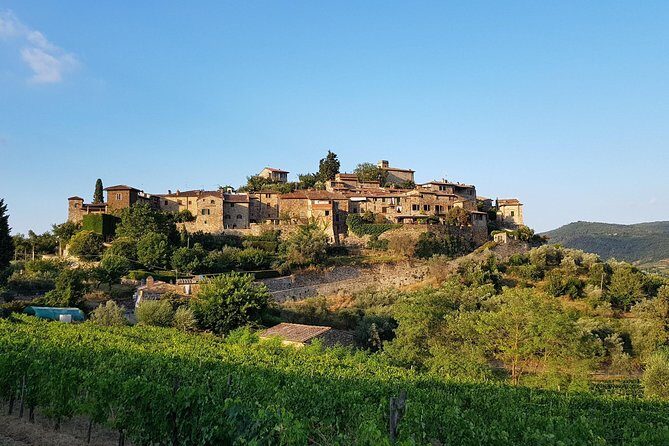
The experience is described as having one of the most beautiful views in the Chianti countryside, with sights toward the Montefioralle village. In practice, this means your wine tasting isn’t floating in a vacuum. It’s anchored to the hill town and the vineyards that surround it.
If you’re the type who likes photos with meaning, this stop delivers. You’ll likely see the town’s shape against the hills, and you’ll understand why vineyard rows and small estates cluster here. The view also helps you connect the grapes you’re tasting with the actual environment where they grow.
One small consideration: if you prefer a strictly guided, step-by-step schedule with constant movement, the pacing here is more relaxed. It’s meant to feel like a farm visit, not a military itinerary.
Price and What You’re Really Getting for $42.24
At $42.24 per person for about 1 hour 15 minutes, this tasting isn’t just paying for wine. You’re paying for:
- Four Chianti wines plus Vin Santo
- Snacks designed to pair
- A vineyard and winery visit
- A guided explanation of the production process
- A small group format (max 15)
That combination is where the value lives. Many tastings charge for the drink only, then treat food and education like an afterthought. Here, the snacks support the tasting, and the tour adds context you can actually use when you’re buying wine later.
Also, the timing matters. For a 1 hour 15 minute window, you can fit it into a busy day in Chianti without turning your whole schedule into wine-tour logistics.
Practical Tips for a Smooth Chianti Day
This experience is easy to enjoy, but a few practical notes will help it go smoothly.
Plan around the meeting point
You meet at Via Case Sparse (Montefioralle), 40, 50022 Greve in Chianti FI, Italy. It’s rural and tied to the hill town, so make sure you build in extra buffer time.
Comfortable shoes help
You’ll visit vineyards and the small winery, so bring shoes you’re comfortable walking in. The tour is not described as extreme, but vineyard settings can be uneven.
Think about weather and tasting location
Because tastings can be indoors or outdoors depending on the season, bring a light layer if the weather swings. Outdoors in a hill-town square can feel cool even when the sun is out.
Eat first or plan a follow-up
Lunch and dinner are not included. The snacks are meant for pairing with the wines, not replacing a meal. If you’ll be hungry afterward, plan a simple stop nearby.
If you’re coming from Florence, plan transport early
One review specifically flagged that getting back to Florence can be tricky, with taxis and ride options needed. If Florence is your base, don’t assume public transit will be smooth. Arrange a plan for the return so the day doesn’t end with stress.
Who Should Book This Tour—and Who Might Want Something Else?
This one is a great fit if:
- You want an authentic, small-farm tasting in Chianti
- You like learning the basics of winemaking, not just tasting notes
- You enjoy comparing Chianti Classico vs Riserva vs IGT, then finishing with Vin Santo
- You want the view to be part of the experience, not a distant backdrop
It may be less ideal if:
- You’re expecting a large, high-glamour winery experience with a long food spread
- You want lunch included in the ticket price
- You’re sensitive to alcohol and prefer very limited tasting (the tasting includes wine by design, so pacing is on you)
For families, there’s some indication this can work well—one booking praised how the guide’s presentation worked even with kids. The group is capped at 15, so it stays manageable.
Should You Book Montefioralle Winery?
Yes, if you want a compact Chianti experience that gives you real context. For $42.24, you’re getting multiple wine styles, pairing snacks, a guided production explanation, and that hillside view of Montefioralle and the surrounding countryside.
I’d skip it only if you require a full meal, or if you want a big “destination winery” production. This place shines when you’re curious about how wine is actually made and you’d rather spend your time with people and vines than with big branding.
FAQ
How long is the Montefioralle Winery tour and wine tasting?
The tour lasts about 1 hour 15 minutes.
How much does it cost per person?
The price is $42.24 per person.
What wines are included in the tasting?
You’ll taste Chianti Classico, Chianti Classico Riserva, an IGT, and Vin Santo del Chianti Classico.
Are snacks included?
Yes. Snacks are included and served as lighter pairings with the wines.
Where does the tour start?
The meeting point is Via Case Sparse (Montefioralle), 40, 50022 Greve in Chianti FI, Italy.
Is the tour offered in English?
Yes, it’s offered in English, and you receive a mobile ticket.
Can I cancel for a refund?
Yes. You can cancel for a full refund if you cancel up to 24 hours in advance of the start time. If you cancel less than 24 hours before, the amount paid is not refunded.