REVIEW · SAN GIMIGNANO
Organic Wine and Food Tasting at Historic Fattoria Majnoni
Book on GetYourGuide →Operated by Fattoria Majnoni · Bookable on GetYourGuide
Vico d’Elsa feels made for slow mornings. This organic and regenerative winery tour pairs hands-on farm learning with a real taste of Chianti, plus those big valley views toward San Gimignano. I like that the day is built around how they grow grapes and make wine, not just when to pour and where to stand. You also get a proper sit-down tasting with brunch in the old oil mill, which keeps it from feeling like a rushed wine stop.
Two things I especially enjoy: you walk the vineyards and you see the farm work behind the bottle, and you finish with a tasting of three wines plus local bites made with the farm’s own products. One thing to consider: this is a 2-hour experience, so if you want a longer wine-only session or lots of extra extras, you may feel slightly time-crunched.
In This Review
- Key Points You’ll Care About
- Vico d’Elsa Starts You Off in the Real Chianti (Not a Strip Mall)
- The Opening Brief: History, Farming Logic, and What Natural Winemaking Really Means
- Vineyard Walk and Old Threshers: Where Regenerative Farming Becomes Tangible
- Production Visit: Winery Stops That Connect Cellars to Flavor
- Panoramic Terrace Over San Gimignano: The View That Makes the Wine Make Sense
- Old Oil Mill Brunch: Organic Wine Tasting in a Real Food Setting
- What’s Included (And Why It’s Better Than a Standard Tasting)
- The Baroque Villa Option: Worth It if You Like Art and Frescoes
- Price and Value: Is $73.64 a Good Deal for Chianti?
- Who This Tour Fits Best
- Should You Book the Majnoni Organic Wine and Food Tasting?
- FAQ
- FAQ
- What wines are included in the tasting?
- Where does the tour meet in Vico d’Elsa?
- How long is the experience?
- What food is served with the wine?
- Do you visit vineyards and cellars?
- Are there different languages for the guide?
- Is the Baroque villa visit included?
- Is free cancellation available?
Key Points You’ll Care About
- Organic and regenerative farming, explained on site through vineyard and production visits
- Ancient underground cellars and natural winemaking process stops that make the science feel practical
- San Gimignano-facing panoramic terrace for photos and a clear sense of place
- Three organic wines included: Spareto (white), rosé, and Chianti Superiore
- Brunch in the garden or the old oil mill (around 1200) with olive oil, ricotta, salami, and bread
- Optional Baroque villa add-on for €15 per person, with paintings and 1600s frescoes
Vico d’Elsa Starts You Off in the Real Chianti (Not a Strip Mall)
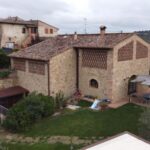
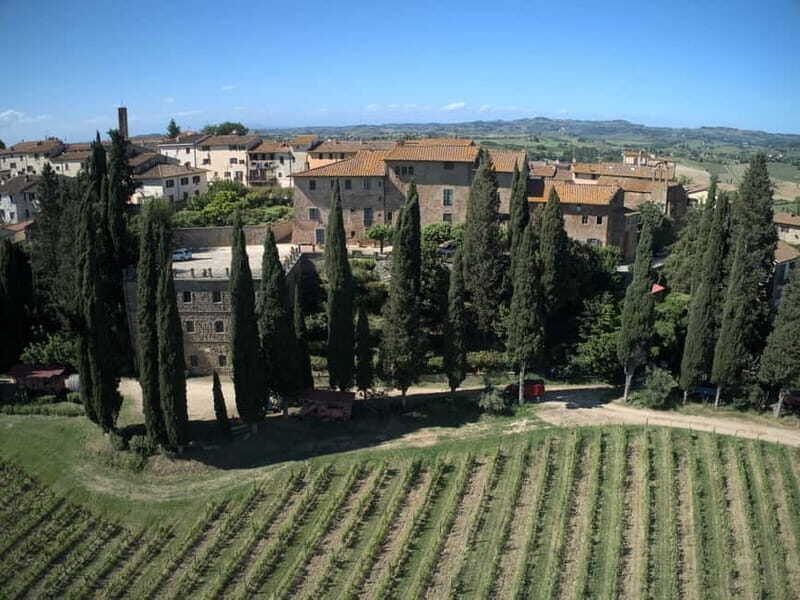
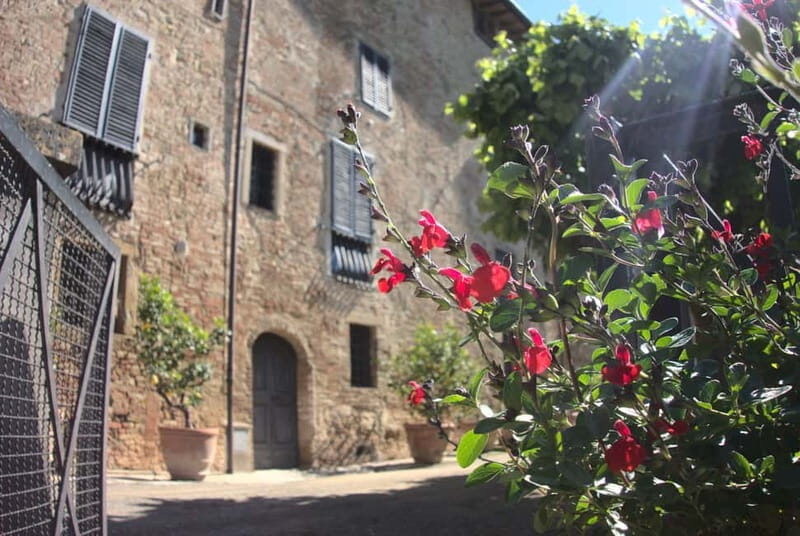
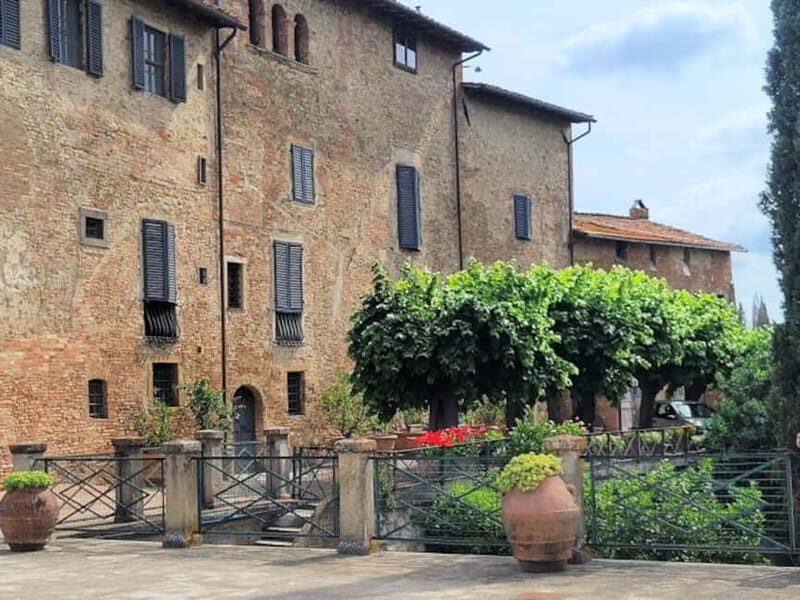
Meet the team in the small medieval setting of Vico d’Elsa, in the Chianti countryside. The start point is simple: ring the doorbell at number 4 in Piazza Fratini. From the moment you arrive, you can tell this isn’t a generic tasting room. It’s a working farm operation with a long view of how food and wine connect to the land.
I also like the sense of local rhythm. You’re not just driving from one landmark to another. You’re staying in the same story—vineyard, production, then food—so the tasting makes more sense by the time you sit down.
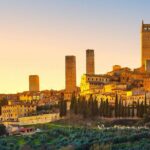
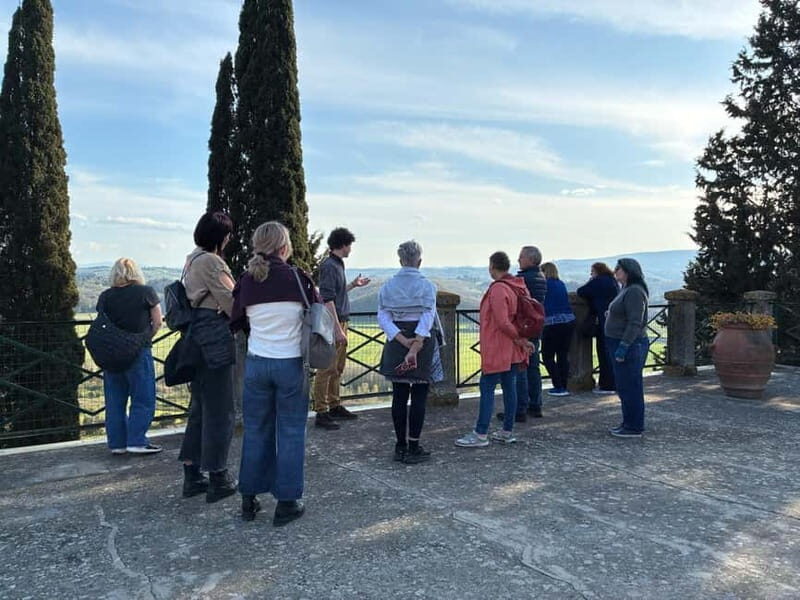
And yes, the setting includes serious viewpoints. You’ll get a photo stop and a guided moment on a terrace that faces San Gimignano, which gives you instant context for why these vineyards sit where they do.
Other food & drink experiences in San Gimignano
The Opening Brief: History, Farming Logic, and What Natural Winemaking Really Means
The tour begins with a company presentation and historical context, which matters more than it sounds. In Chianti, many places can talk about wine. Fattoria Majnoni Guicciardini also talks about how the approach to farming and winemaking evolved.
This part helps you listen better later. If you understand why they favor organic and regenerative practices, you’ll taste with more focus when you get to the three pours. You’ll also pick up the farm’s enological and cultural concept, which is basically their philosophy for how the wine should reflect the place.
Guides can shape the vibe a lot. The experience can be led in multiple languages—French, Italian, English, Spanish, and Portuguese. In the feedback I saw, guides such as Cesare and Pedro were praised for being passionate, clear, and attentive. So even if your Italian is rusty, you should still follow the main ideas.
Vineyard Walk and Old Threshers: Where Regenerative Farming Becomes Tangible
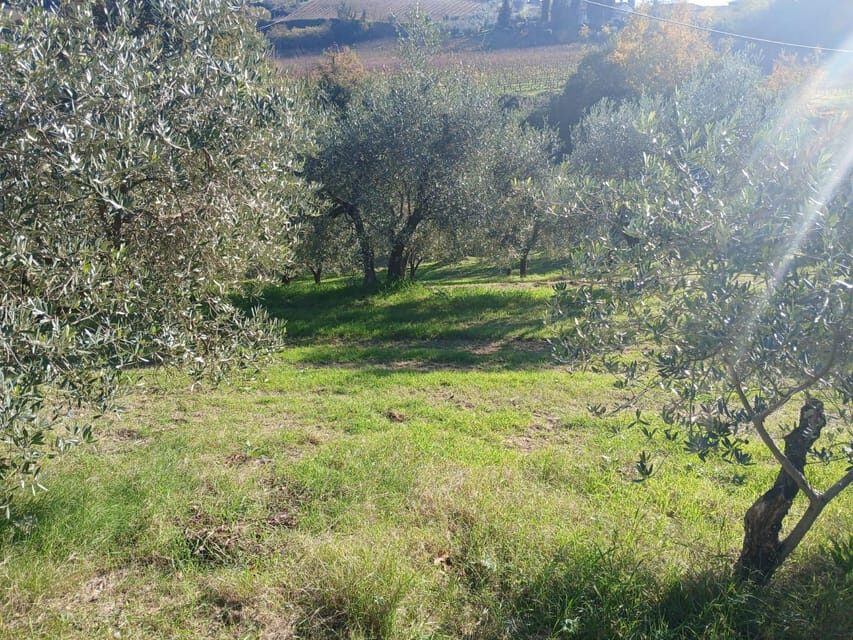
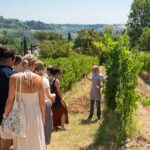
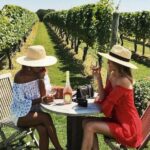
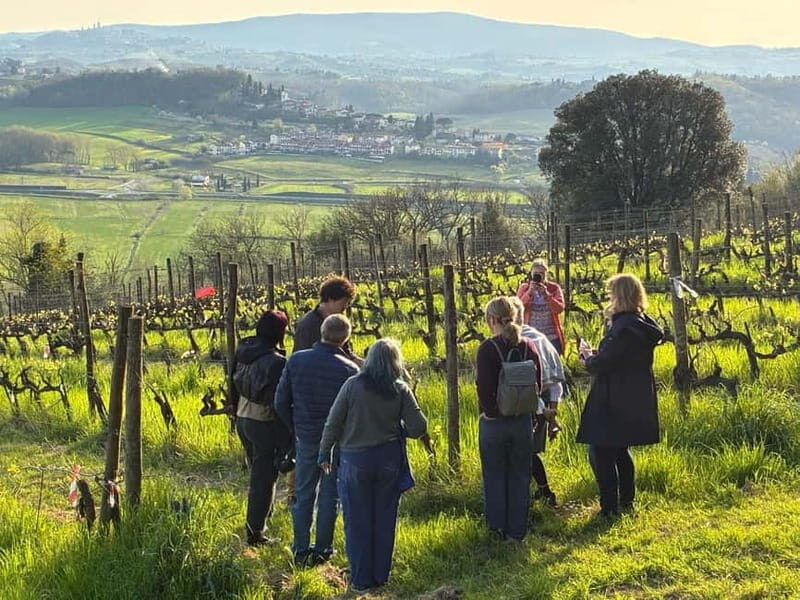
Next, you head into the vineyard area for a guided visit and a walk. This is where regenerative agriculture stops being a buzzword and becomes something you can picture. You’ll learn the fundamentals of organic and regenerative farming, tied directly to how grapes grow and how the winery works.
Right after, there’s a stop that keeps things grounded: the old threshers. It’s a meaningful pairing. You’re seeing old farm tech and then hearing how the winery applies organic, regenerative, and natural methods today. That contrast is useful because it shows you the continuity in how farmers think, even as practices change.
If you like tours where you come away with a few practical takeaways—how farming decisions affect the final bottle—this section is a highlight.
Production Visit: Winery Stops That Connect Cellars to Flavor
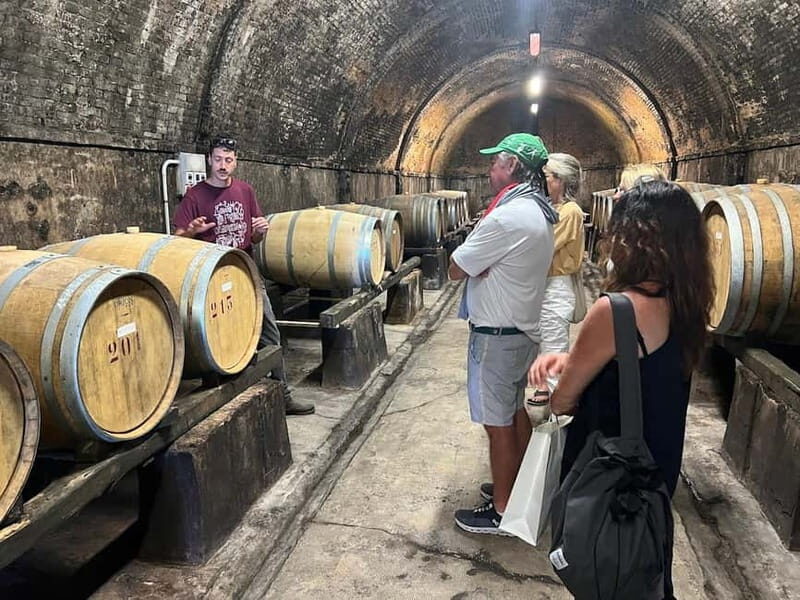
After the vineyard portion, you move into the winery area for guided explanation of the wine-making processes. You also get to visit the ancient underground cellars, which is one of those moments that looks simple but helps you understand temperature, aging, and why cellars matter for wine character.
This part is about the natural winemaking approach. The aim here isn’t to name-drop grape chemistry like a textbook. It’s to explain how their process supports the style they want and how the farm’s concept ties into that.
You’ll also get breaks for photo stops and short scenic moments as you move between areas. That matters because it keeps the pace steady across the 2-hour duration.
Panoramic Terrace Over San Gimignano: The View That Makes the Wine Make Sense
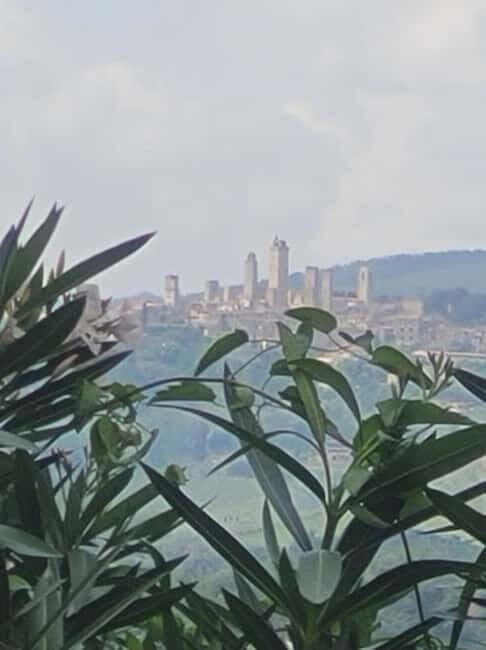
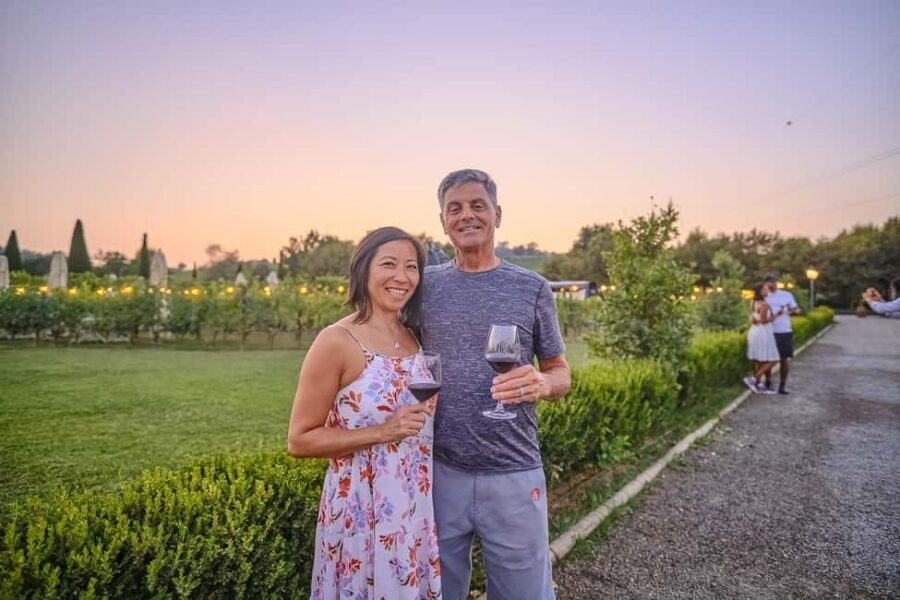
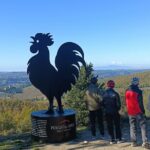
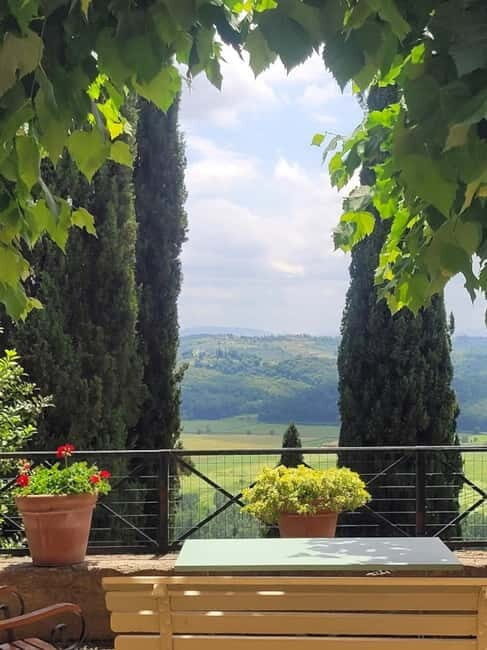
One of the more memorable parts is the panoramic terrace facing San Gimignano. You’ll pause there for photo time and a guided moment, and you’ll get a clear sense of the valley setting where these grapes grow.
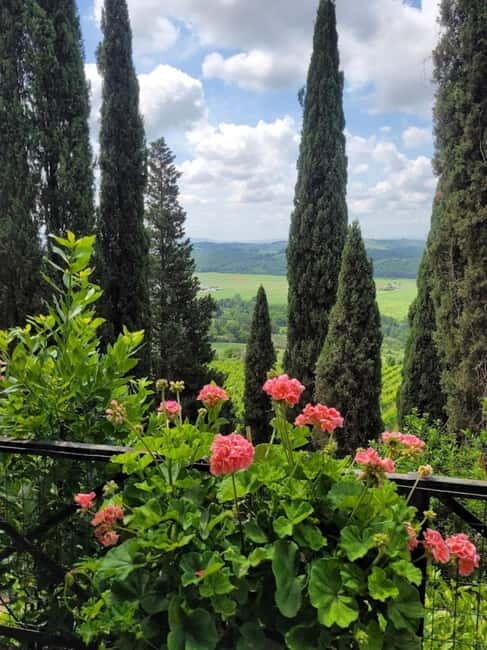
Views are not just decoration here. They help you understand the logic of the terrain and why hillside farming is so common in Chianti. When you later taste Chianti Superiore, you’ll likely find yourself thinking about the place more than the tasting notes.
I’d go even if you don’t consider yourself a scenery person. The viewpoint is short, but it does its job.
A few more San Gimignano tours and experiences worth a look
Old Oil Mill Brunch: Organic Wine Tasting in a Real Food Setting
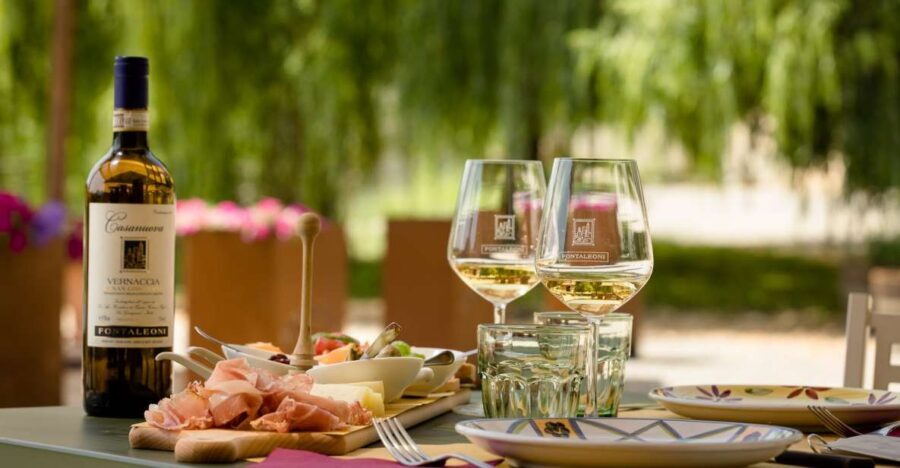
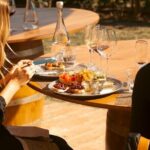
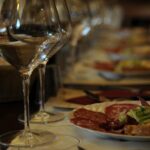
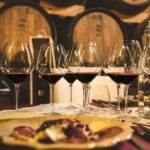
Then comes the part you’ll actually remember over dinner later: the wine tasting paired with organic aperitif bites.
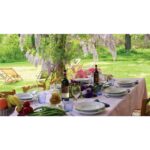
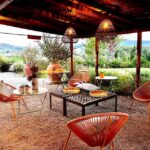
The tasting happens either in the garden or in the ancient oil mill, which dates to around 1200. That old stone setting gives the food and wine a grounded feel. It’s not a showy experience—it’s a functional, historic space where wine and food were made for real people, not just photos.
You’ll taste three organic wines:
- Spareto (white)
- Rosé
- Chianti Superiore
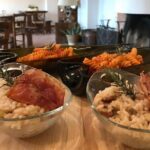
The wines are served with an organic aperitif and delicacies including shepherd’s ricotta cheese topped with the farm’s organic oil, shepherd’s salami, and Tuscan bread.
I love pairings like this because they’re not trying to impress you with fancy menus. They’re trying to show you what the farm does well: olive oil, cured meats, and simple bread-friendly flavors.
What’s Included (And Why It’s Better Than a Standard Tasting)
Included in the experience is a guided tour of the terrace, vineyards, ancient winery, and old olive mill. You then get the tasting of three organic wines, plus organic extra virgin olive oil and local cold cuts.
For value, the smart part is the balance. You’re not only buying wine. You’re seeing the farming and production behind it, then tasting wine alongside olive oil and local foods that match the region’s style. That helps you leave with something more useful than a souvenir bottle.
If you like buying wine because you understand what makes it different, this format is practical. If you just want to taste a lot of wines and compare endlessly, the three-wine limit might feel tight. But for many people, it’s exactly the right amount for a 2-hour outing.
The Baroque Villa Option: Worth It if You Like Art and Frescoes
There’s an optional add-on for €15 per person: a visit to the winery’s ancestors’ Baroque villa. It’s described as filled with ancient paintings and furniture, plus frescoes from the 1600s.
I think this add-on suits you if you enjoy art history and interior details. If you’re mainly there for wine and farm learning, you might skip it and keep the time focused on the tasting and the production story.
Price and Value: Is $73.64 a Good Deal for Chianti?
At $73.64 per person for a 2-hour experience, you’re paying for more than pours. You’re getting a guided farm visit with multiple production and historic stops, then a structured tasting with brunch-style food built around organic products.
Here’s how I think about value:
- Time + teaching: You spend real time in the vineyards, cellars, and production areas, not just tasting in one room.
- Food pairing included: Ricotta with the farm’s olive oil, salami, and bread mean you’re not leaving hungry or thirsty.
- Only three wines, but meaningful: You taste Spareto, rosé, and Chianti Superiore, which keeps the experience focused rather than scattered.
If you’re comparing to tastings that cost similar money but skip the farm and cellar parts, this one generally feels more complete. If your priority is sampling lots of labels, this may not match your style.
Who This Tour Fits Best
This is a strong match if you:
- want to connect organic and regenerative farming to what you taste
- enjoy cellars, production stories, and historical farm spaces
- like wine tastings that include food, olive oil, and local ingredients
- want a Chianti experience that goes beyond one viewpoint and one glass
It’s also a good choice for couples and small groups who want an organized flow without feeling like they’re in a theme park.
If you’re the type who prefers long, unstructured tastings with maximum bottle counts, you might find the 2-hour structure a bit firm.
Should You Book the Majnoni Organic Wine and Food Tasting?
I’d book it if you want a grounded Chianti experience with real farm context—vineyards, ancient underground cellars, and then a tasting you can actually pair with food. The combination of three organic wines and organic aperitif bites in a historical setting around the old oil mill makes it feel like more than just a transaction.
I’d reconsider only if you’re mainly chasing quantity or you dislike tours where the focus is on process and philosophy rather than a big menu of wines.
FAQ
FAQ
What wines are included in the tasting?
You’ll taste three organic wines: Spareto (white), rosé, and Chianti Superiore.
Where does the tour meet in Vico d’Elsa?
You start by ringing the doorbell at number 4 in Piazza Fratini, Vico d’Elsa.
How long is the experience?
The duration is 2 hours. Starting times can vary, so you’ll want to check availability.
What food is served with the wine?
The wine tasting is accompanied by an organic aperitif with foods such as shepherd’s ricotta topped with the farm’s organic oil, shepherd’s salami, and Tuscan bread. Extra virgin olive oil and local cold cuts are also included.
Do you visit vineyards and cellars?
Yes. The tour includes a visit to the vineyard area, plus the winery area and ancient underground cellars.
Are there different languages for the guide?
The live guide is offered in French, Italian, English, Spanish, and Portuguese.
Is the Baroque villa visit included?
It is not included. You can add a Baroque villa visit for an additional €15 per person.
Is free cancellation available?
Free cancellation is available up to 24 hours in advance for a full refund.