REVIEW · SAN GIMIGNANO
Gourmet Wine Tour San Gimignano Wine Tasting – San Quirico Winery
Book on Viator →Operated by Azienda Agricola San Quirico San Gimignano Winery · Bookable on Viator
San Gimignano wines, poured with real small-town care. This tasting at Azienda Agricola San Quirico sits about 2 miles from town, and you’ll get a tutored visit to the cellar plus a food-and-wine pairing with four Tuscan labels. I especially like the cellar tour with English explanations and the straightforward way they walk you through winemaking basics. One possible drawback: it’s short (about 45 minutes), so it’s not the best fit if you’re hunting for a long, slow vineyard day.
You also get a more personal pace than the big factory tours. This is set up as a private tour for your group, with multiple sessions during the day, so you can time it around your day exploring San Gimignano’s medieval center.
The location matters too. You’ll start at Località Pancole 35, near enough to San Gimignano to feel like a quick outing, but far enough that you’ll want to plan how you’ll get there if you’re not renting a car.
Key points to know before you go
- Cellar visit built into the tasting: you’re not just drinking, you’re learning where the wine starts.
- Four-label tasting with local bites: bruschetta, salami, and cheese designed for an easy food-and-wine match.
- English-led explanations: they introduce the winery and the main winemaking techniques in English.
- Vernaccia and Sangiovese focus: you get a real taste of what makes San Gimignano and its Tuscan reds tick.
- A less-rushed, private-group feel: only your group participates (minimum 2 people per booking).
- You can take it home: there’s a wine store where you can buy wines and olive oil at special discounted prices.
In This Review
- Why San Quirico Winery is a smart pick for a short San Gimignano day
- Getting to the meeting point at Azienda Agricola San Quirico (Località Pancole)
- The flow of the 45-minute tasting: cellar tour first, then four wines
- What you’ll learn in the cellar: their winemaking techniques in plain English
- Four Tuscan wines: how Vernaccia, Chianti, Rosso, and Vinsanto fit together
- Vernaccia di San Gimignano (Traditional DOCG)
- Vernaccia di San Gimignano Riserva Isabella (barrel-aged about 24 months)
- Chianti Colli Senesi DOC (100% Sangiovese selection)
- San Gimignano Rosso DOC Botticello
- Vinsanto San Gimignano DOC (slow barrel-and-bottle aging)
- Food pairing that keeps the tasting enjoyable: bruschetta, salami, cheese, and olive oil
- Who this private San Gimignano wine tour is best for
- Value at about $38: why the short timing can be a feature
- The wine store stop: take home bottles and olive oil at a discount
- Should you book San Quirico’s San Gimignano wine tasting?
- FAQ
- How long is the wine tour at San Quirico Winery?
- What’s included in the tasting?
- Where do we meet for the tour?
- Is this a private tour?
- Which wines will we taste?
- Are alcoholic beverages included?
- Can children participate?
Why San Quirico Winery is a smart pick for a short San Gimignano day
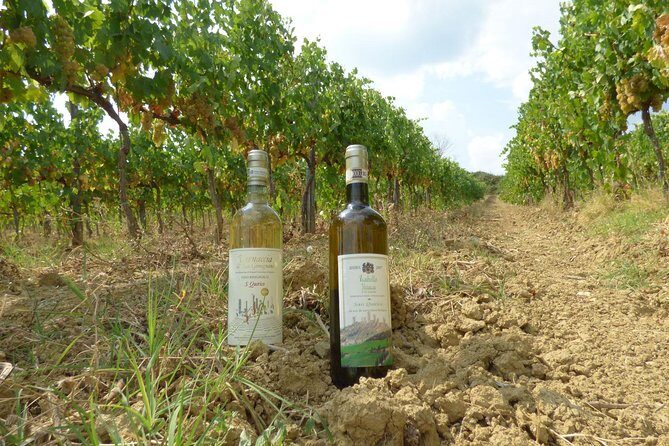
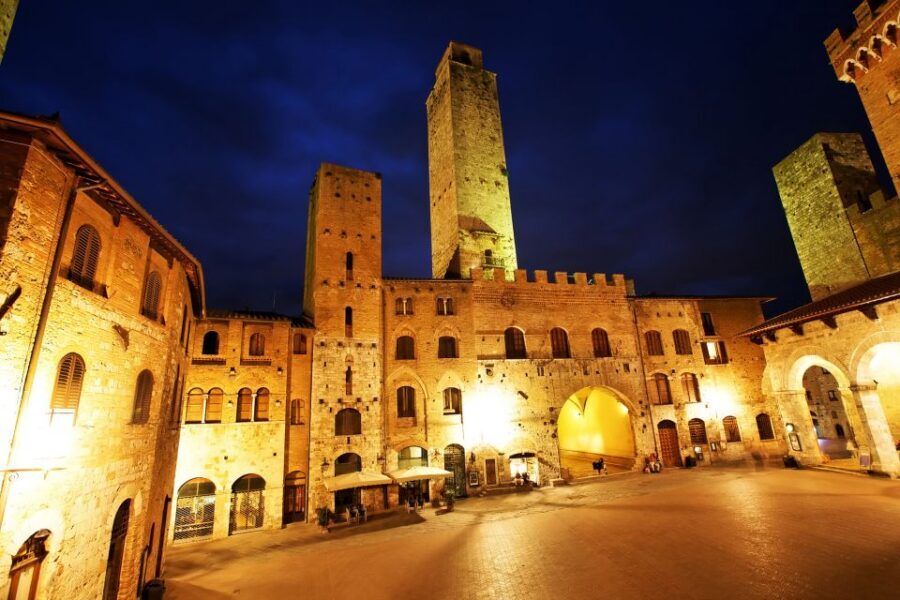
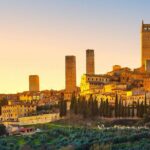
San Gimignano is the kind of place where you can easily fill a whole day with towers, lanes, and photos. This tour is helpful because it gives you something different without eating your schedule. The whole experience runs about 45 minutes, and it ends right back at the meeting point, so you don’t lose half your afternoon in transit.
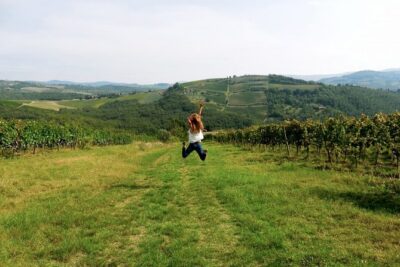
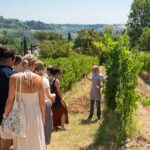
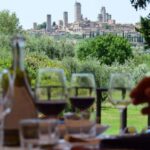
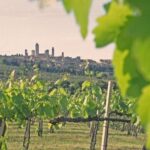
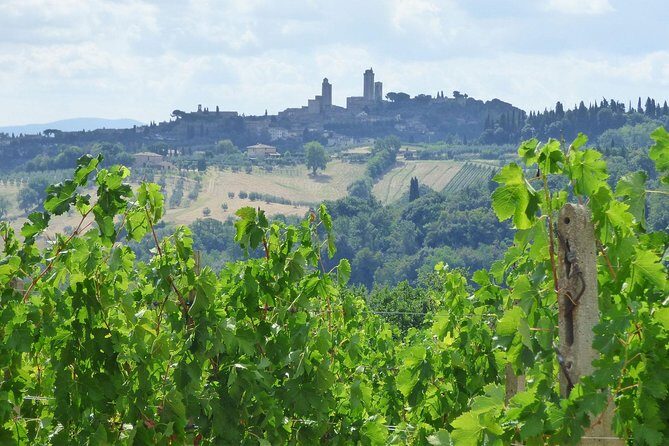
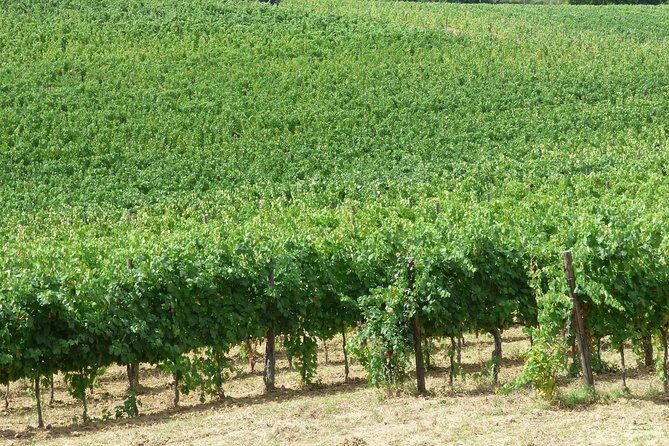
San Quirico Winery also lands in a good spot for context. It’s set on a hill outside the town center, and that matters because Vernaccia and Chianti production is still very rooted in the landscape and farming rhythms of the area. You’ll hear about how their vineyards connect directly to the wines they pour.
I like that the format stays practical. You don’t need to be a wine scholar to enjoy it. You’ll learn the main steps behind the bottle, then taste while the explanations are still fresh.
Getting to the meeting point at Azienda Agricola San Quirico (Località Pancole)
Your tour starts at Azienda Agricola San Quirico, Località Pancole 35, 53037 San Gimignano SI, Italy. It’s listed as near public transportation, which is useful if you’re not driving. Still, Località Pancole is not the central piazza, so if you’re relying on buses or a taxi, plan a little extra time.
The good news is that the experience ends back where it begins. That means once you arrive, you can keep your day moving without figuring out a new pickup point.
If you’re pairing the tour with a hike or a long walk in San Gimignano, you’ll also want to time it so you’re not arriving sweaty and out of breath. A tasting is more fun when you can actually smell and taste what’s in your glass.
Other San Gimignano tours we've reviewed in San Gimignano
The flow of the 45-minute tasting: cellar tour first, then four wines
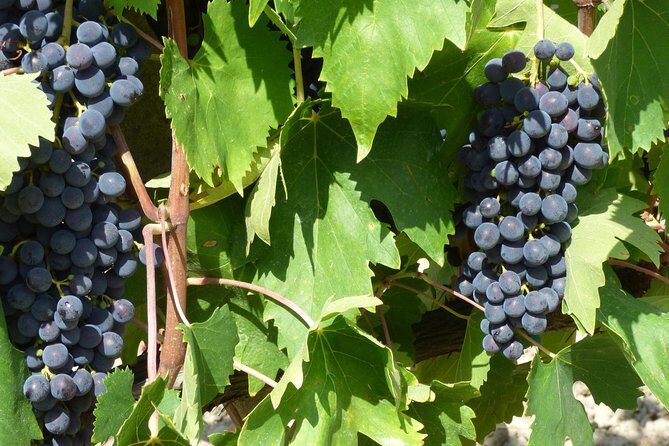
Here’s the basic structure you can expect. The tasting includes a tour of the winery cellar, guided in English, and a rundown of their winery and main vinification techniques. Then you taste a selection of four labels.
The pacing is designed for focus. You’re not doing 12 pours and guessing which grape is which. Instead, they reinforce the same themes you learn during the cellar visit—how grapes become wine—so the tasting feels connected rather than random.
A key detail: the tasting is paired with light lunch-style food. That matters because wine tastes change depending on what’s on your palate. Bruschetta with extra virgin olive oil, plus salami and cheese, gives you a chance to reset your taste between sips.
And yes, it’s private. Only your group participates, which is a big deal in a short experience. It’s easier to ask questions, and you’re less likely to feel like you’re being rushed through.
One small reality check: if weather turns bad, you might find the outdoor parts limited. There’s at least one note in the provided feedback that rain affected touring options, though the hosts still made the visit work by spending extra time.
What you’ll learn in the cellar: their winemaking techniques in plain English
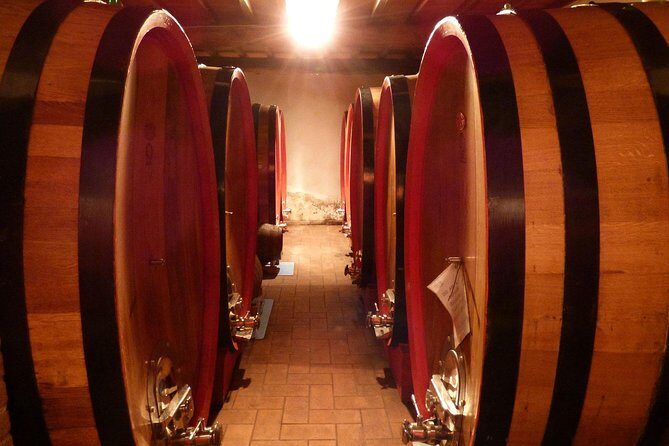
The English part is not an afterthought here. During the winetasting, they introduce the winery and main vinification techniques in English, and they discuss characteristics of the products and their main grapes.
From the details they share, you can frame what you’re tasting:
- Vernaccia di San Gimignano is central to the white side of their lineup.
- Sangiovese is the backbone of their red production.
- They also produce a traditional Tuscan dessert-style wine, Vinsanto, with a long aging process.
Even if you don’t know the jargon, you can follow because they connect the steps to what ends up in the glass. That’s what makes the cellar visit valuable: it turns your tasting into a mini lesson, without turning it into a lecture.
And the hosts’ approach matters. The feedback you shared repeatedly highlights that the people leading the tasting are polite, kind, and willing to answer questions. That’s the kind of guide you want when you’re trying to learn fast and taste smart.
Four Tuscan wines: how Vernaccia, Chianti, Rosso, and Vinsanto fit together
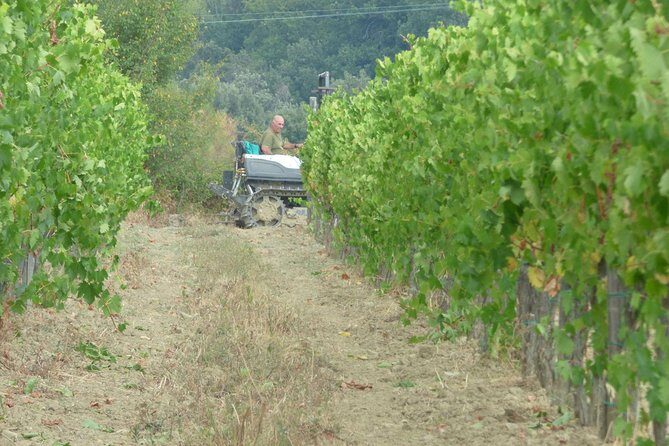
The tour features a selection of four labels, and the winery’s listed production gives you a clear sense of what types of wines they focus on. These are the main wines they produce from their own vineyards in San Gimignano:
Vernaccia di San Gimignano (Traditional DOCG)
This is their flagship white style. If you like wines that feel crisp and expressive rather than heavy, Vernaccia is where you’ll likely start to understand why this area has a reputation for white wine.
Other vineyards and winery tours in San Gimignano

Vernaccia di San Gimignano Riserva Isabella (barrel-aged about 24 months)
This version adds time in barrels, about 24 months. The practical takeaway: you should expect it to taste richer and more structured than a basic bottling, not just more “aged for the sake of age.”
Chianti Colli Senesi DOC (100% Sangiovese selection)
This is where you’ll taste the Tuscan red backbone. Since it’s 100% Sangiovese, it’s a good benchmark for how their reds express acidity and fruit.
San Gimignano Rosso DOC Botticello
This one is partly a blend story: 70% Sangiovese + 30% Merlot and Syrah, aged in oak barrels for about 2 years, then bottle aging for a minimum of 18 months. The setup is clear: you should expect a wine with oak influence and enough time in the bottle to knit it together.
Vinsanto San Gimignano DOC (slow barrel-and-bottle aging)
Vinsanto is a whole different category. Fermentation happens in barrels and caratelli of 100 liters for 4 years, then bottle aging for at least 18 months. If your tasting includes it, treat it like a dessert wine moment, not like a casual sip with lunch.
Because you taste four labels on the day, you might not get every one listed above. But the winery’s production list helps you understand the range you’re stepping into: bright white, barrel-leaning reserve white, Sangiovese reds, and a long-aged sweet wine.
Food pairing that keeps the tasting enjoyable: bruschetta, salami, cheese, and olive oil
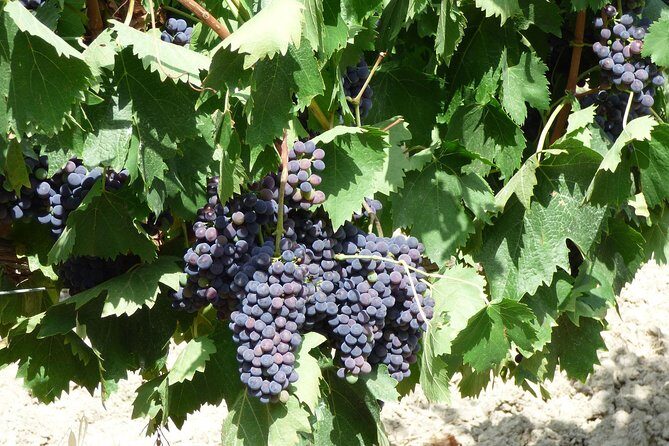
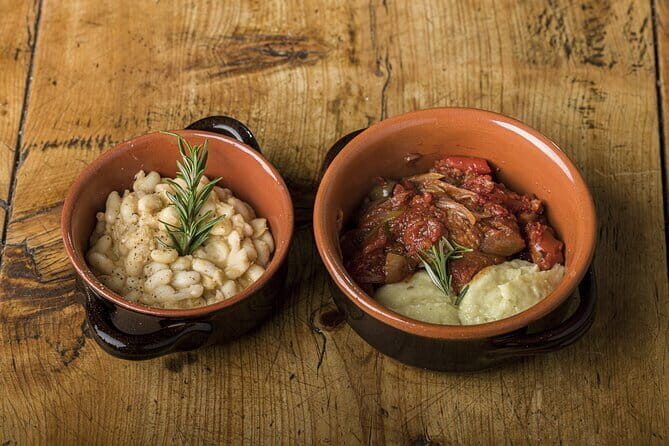
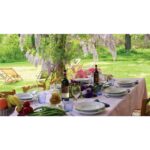
The tasting isn’t wine-only. You’ll be served bruschetta, salami, and cheese, reinforced with light lunch items like bruschetta topped with extra virgin olive oil.
This pairing is practical for a few reasons:
- Cheese and salami add salt and fat, which can help you notice fruit and acidity in the wine.
- Olive oil on the bruschetta helps you pick up herbal notes and makes the white wines easier to taste cleanly.
- It prevents the typical tasting problem where your palate gets tired after too many sips.
One extra plus: the winery also produces organic extra virgin olive oil with limited production. The provided details include first pressing, cold pressing, and acidity of 0.1%. Even if you don’t buy oil that day, it’s a reminder that the olive oil isn’t a random garnish. It’s part of how they want you to experience their local food-and-wine world.
If you’re sensitive to saltier meats, pace yourself with water between tastings. You don’t want the salami to hijack every sip.
Who this private San Gimignano wine tour is best for
This tour fits best if you want real learning, but you don’t want to sacrifice your schedule.
It’s a good match for:
- Couples who want an intimate experience without joining a large bus group
- Food-and-wine lovers who like structure: cellar → tasting → paired bites
- People who are comfortable asking questions in English (the guide introduces techniques in English)
It’s less ideal if you’re looking for:
- A long walking tour with lots of time outdoors
- A deep, half-day wine education program with vineyard hiking
The minimum 2 people per booking also helps shape the crowd. It’s set up for small groups, not solo drop-ins.
Families are possible too, but children must be accompanied by an adult, since that’s part of the tour rules.
Value at about $38: why the short timing can be a feature
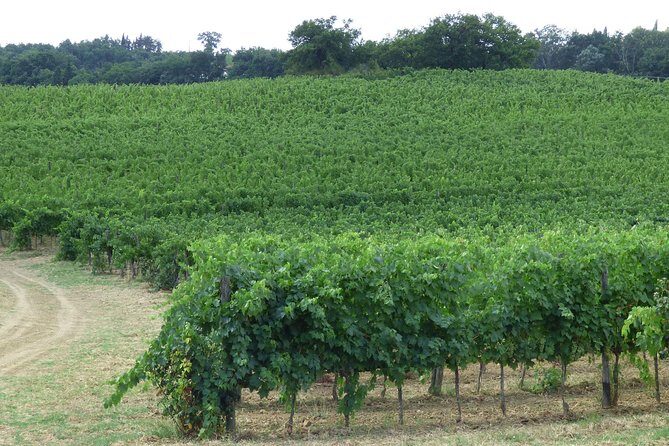
At $38.16 per person, you’re not paying for a multi-hour excursion. You’re paying for a guided cellar visit, four wine tastings, and a paired food service in a tight time window.
That’s the value story: the tour gives you a lot of wine-to-learning density. You taste enough variety to compare white to red styles, and you get technique explanations that make the tasting more meaningful than pouring random bottles.
Also, the reviews you provided repeatedly mention good value for the money and an intimate feel. When a tour is short and you still feel like you can ask questions, that’s usually a sign the host is using the time well.
So yes, this is a budget-friendly way to do a serious wine stop. It’s not trying to replace a full Tuscan itinerary; it’s designed to slot into one day in San Gimignano.
The wine store stop: take home bottles and olive oil at a discount
At the end, you’ll visit the wine store where you can choose to buy wines and olive oil at special discounted prices.
This is worth paying attention to for one simple reason: if you like one of the styles you tasted, buying at the winery can save you from the usual tourist-markup game. And since the tasting is paired with their olive oil and local foods, it’s also one of the easiest ways to extend the experience at home.
If you’re flying, remember bottles are heavy and take room. Still, one or two purchases can turn a short tour into a lasting souvenir.
Should you book San Quirico’s San Gimignano wine tasting?
Book it if you want:
- A short, focused wine experience in San Gimignano with cellar context
- A private-group feel where you can ask questions
- Four-label tastings paired with bruschetta, salami, and cheese
- English-led guidance on winemaking basics and the grapes behind the wines
Skip it if you want:
- A long vineyard hike or hours of outdoor touring
- A tasting that includes lots of extra drinks beyond the structured pours
My take: this is a smart way to spend an hour less than you think you’ll need, and end up with a clearer sense of why Vernaccia and Sangiovese matter here. If you’re pairing it with time in the historic center, it fits like a good pocket-sized plan.
FAQ
How long is the wine tour at San Quirico Winery?
The tour takes about 45 minutes.
What’s included in the tasting?
You’ll get a cellar tour and an English explanation of the winery and main vinification techniques, plus a tasting of a selection of four labels. The experience also includes light food: bruschetta, salami, and cheese, and it lists brunch, snacks, and lunch as included.
Where do we meet for the tour?
You start at Azienda Agricola San Quirico, Località Pancole, 35, 53037 San Gimignano SI, Italy. The tour ends back at the meeting point.
Is this a private tour?
Yes. It’s listed as a private activity, and only your group participates. There is also a minimum of 2 people per booking.
Which wines will we taste?
The tasting is a selection of 4 labels. The winery produces wines including Vernaccia di San Gimignano (Traditional DOCG), Vernaccia Riserva Isabella, Chianti Colli Senesi DOC (100% Sangiovese), San Gimignano Rosso DOC Botticello, and Vinsanto San Gimignano DOC.
Are alcoholic beverages included?
The tasting includes the wines as part of the wine tour experience. However, alcoholic beverages are listed as not included, so if you want anything beyond the tasting, plan to pay separately.
Can children participate?
Children are allowed, but they must be accompanied by an adult.