REVIEW · SAN GIMIGNANO
Tuscan Cooking Class
Book on Viator →Operated by Podere di Monti · Bookable on Viator
Pasta starts with your hands. This Tuscan cooking class in San Gimignano is built around a real farmhouse kitchen and a hands-on lesson, with hosts like Fulvio and Katia guiding you through seasonal recipes. I especially like the up-close teaching (you’re not just watching), and the fact you leave with practical pasta-and-sauce technique. The main drawback is that the location can be a little tricky to find if you’re driving yourself on narrow country roads.
You’ll aim for a full 5–6 course lunch or dinner, with wine paired to the courses. Expect classic Tuscan building blocks: bruschetta-style starters, cheese tasting with sweet notes, handmade pasta (often pici or tagliatelle), and a secondi course that can be meat or vegetarian.
One more consideration: this is a small class with a maximum of 8 people, so the vibe is intimate and family-style, but it also means you’ll want to communicate dietary needs early so the menu fits you well.
In This Review
- Key Things to Know Before You Go
- A Farmhouse-Style Tuscan Dinner in San Gimignano
- Your 5–6 Course Menu: From Antipasto to Secondi
- Starters you’ll likely make
- Primo piatto: handmade pasta and sauce logic
- Secondo piatto: meat or vegetarian
- Handmade Pasta: Pici or Tagliatelle, Plus Real Sauce Technique
- Bruschetta, Cheese, and the Sweet-Savory Taste Test
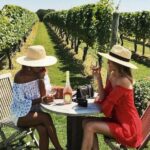
- Wine Pairings That Actually Teach You the Meal
- Truffle Hunt Add-On: When You Want the Extra Tuscany Flavor
- What the Hands-On Pace Feels Like (And Why It’s Popular)
- Dietary Needs: Vegetarian, Gluten-Free, and Allergies
- Where You Meet: Agriturismo Il Vicario near San Gimignano
- Price and Value: Why $157.21 Can Make Sense
- Who This Cooking Class Is Best For
- Should You Book the Tuscan Cooking Class?
- FAQ
- Where is the meeting point?
- How long does the Tuscan cooking class last?
- How much does it cost per person?
- What will you cook during the class?
- Is wine included?
- Can the class accommodate vegetarian, gluten-free, or allergies?
- Is there an optional truffle hunt?
- How many people are in the group?
- Is cancellation free, and are service animals allowed?
Key Things to Know Before You Go
- Small group, big attention: Maximum 8 travelers, and the teaching is hands-on.
- 5–6 courses, not snacks: You cook multiple courses, then eat them together.
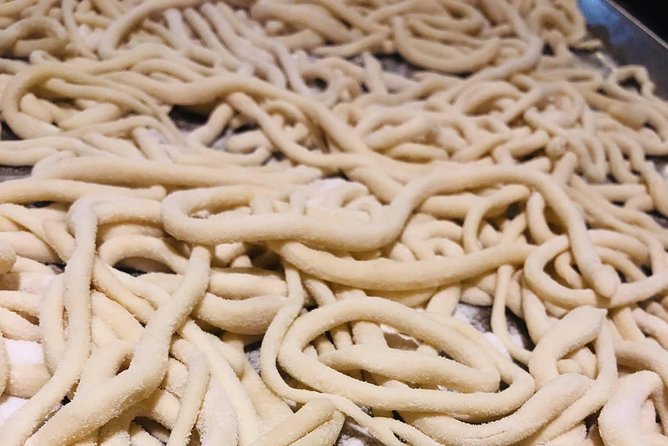
- Fresh pasta focus: You’ll learn to make pasta like pici or tagliatelle and match sauces properly.
- Wine is part of the meal: Each course is paired with local Tuscan wine.
- Seasonal Tuscan ingredients: The menu is based on what’s local and in season.
- Truffle hunt option: Add-on truffle experiences and truffle-based specialties if offered.
A Farmhouse-Style Tuscan Dinner in San Gimignano
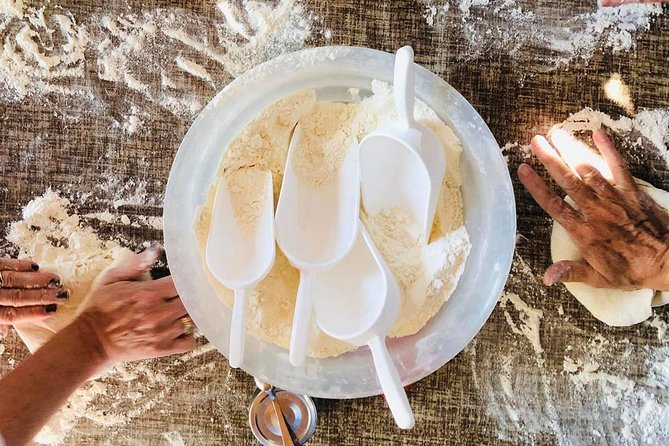
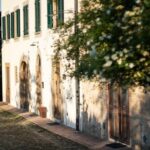
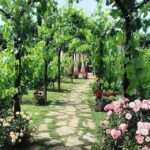
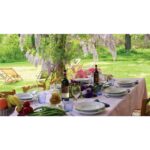
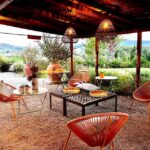
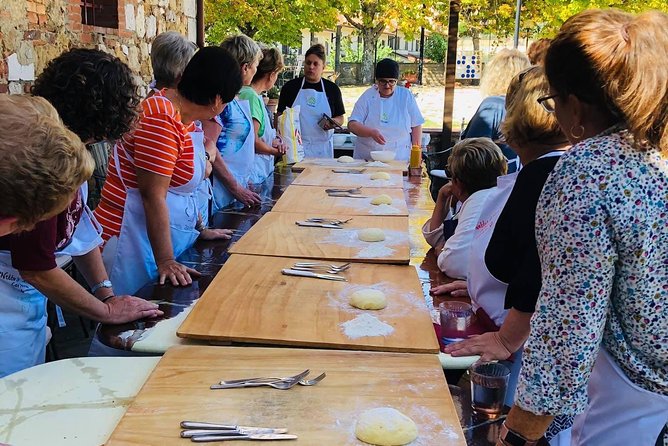
This class is set up for people who want more than a photo-op meal. The setting is an agriturismo farmhouse kitchen outside San Gimignano, where the lesson feels like joining an Italian family table for a long, good dinner that also happens to include cooking practice.
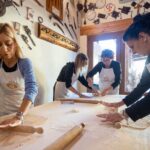
You’re not herded through stations. Instead, you work at the pace of the host and the group. Many people love that because you get real moments of instruction: how to balance flavors, how to build a sauce, and how to assemble a meal without turning it into a complicated science project.
The best part for your time in Tuscany? You’re getting something that’s difficult to recreate on your own: the “why” behind flavor pairings and the simple technique used for everyday Tuscan food. That’s especially useful if your current cooking at home is based on rules like more salt, more garlic, or thicker sauce. Here, the lesson leans toward taste and proportion.
Other cooking classes in San Gimignano
Your 5–6 Course Menu: From Antipasto to Secondi
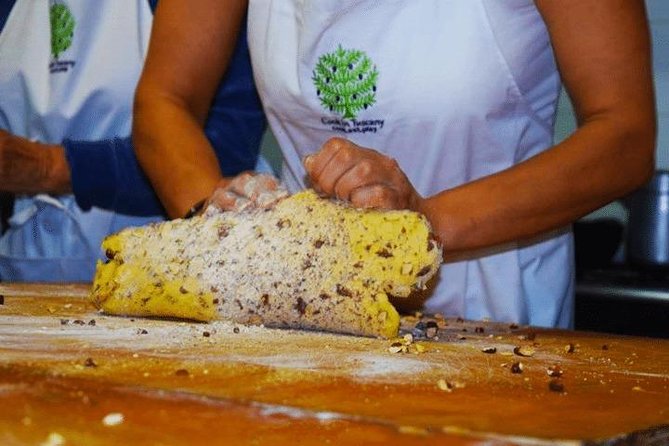
The day’s structure is built around a Tuscan meal you can actually picture back home. The menu is seasonal, so don’t expect the exact same set every time, but the core classics are consistent.
Starters you’ll likely make
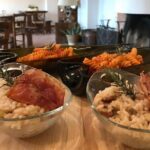
A typical starter round centers on bruschette with tomatoes and also bruschette with extra virgin olive oil. There’s often a cheese tasting component as well, with sweet toppings like jam and honey. This is a very Tuscan-style move: salt meets sweet, and suddenly the whole meal tastes more “finished.”
Primo piatto: handmade pasta and sauce logic
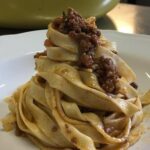
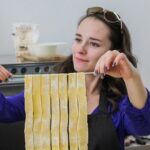
For the pasta course (primo piatto), you’ll make either pici or tagliatelle by hand. Then you’ll learn to work with sauces rather than treating pasta as separate from the rest of the plate. The class commonly includes more than one pasta and sauce pairing, so you can feel the difference between a light sauce and a richer one.
Secondo piatto: meat or vegetarian
The secondi course rounds things out. Your group may cook a meat dish such as chicken or pork, or a vegetarian option if that’s what you requested. The key is that the secondi isn’t an afterthought. It’s part of the full “Tuscan dinner order,” with flavors that fit the earlier courses.
If you’re worried about “will I cook enough to feel like I did something?” this class is designed so you do. The whole point is that you prepare and cook the dishes you’ll eat.
Other cooking classes in San Gimignano
Handmade Pasta: Pici or Tagliatelle, Plus Real Sauce Technique
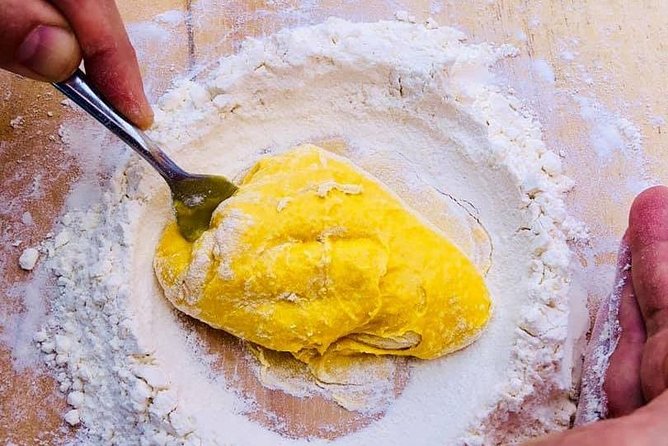
Handmade pasta sounds fancy, but the way this class is taught makes it feel doable. Many people walk in assuming pasta dough is complicated. Then the host shows you the basics and you start understanding what matters most: texture, handling, and how sauce clings to the shapes you make.
One of the most praised moments is learning pasta and sauces without relying on big lists of specialty ingredients. You’ll hear the same themes: use what’s local, season with balance, and stop when the sauce tastes right. That “taste first” approach is what makes the class useful beyond Tuscany.
You’ll also see the contrast between different pasta shapes. For example:
- pici is long and rustic, often paired with sauces that feel earthy and satisfying
- tagliatelle is a ribbon shape that works well with sauces that cling
Even if you don’t remember every step, you’ll remember the principle: match the sauce to the pasta shape and keep the flavors in sync.
Bruschetta, Cheese, and the Sweet-Savory Taste Test
This class doesn’t only focus on pasta. It trains your palate on everyday Tuscan starters, where small choices change everything.
Bruschette are a great “training ground” because they force you to think about ingredients you already know:
- tomatoes should taste fresh and balanced
- olive oil matters, not as a garnish but as a flavor base
- bread needs to hold up without tasting soggy
Then you move into cheese tasting with jam and honey. That combo teaches you something practical: don’t just think of cheese as salty. Sweet toppings can add contrast and make the cheese taste more complex. It’s a simple technique, and it’s easy to copy later for a home cheese plate.
Wine Pairings That Actually Teach You the Meal
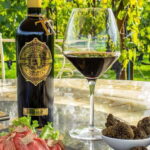
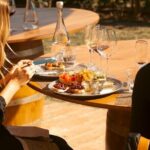
You’ll get wine paired with the courses, and it’s not random. The structure is meant to help you connect tastes: how the wine changes how you experience pasta, how it works with tomato notes, and how it handles cheese and secondi flavors.
Some classes include tasting around three local wines tied to different points in the meal. Either way, the point is the same: you’ll learn how Tuscan wine pairing supports the food rather than just accompanying it.
If you love wine, this is a strong value add. If you don’t drink much, it’s still useful because you’ll notice how the pairing affects flavor perception. That’s part of the “sensory” lesson the hosts emphasize.
Truffle Hunt Add-On: When You Want the Extra Tuscany Flavor
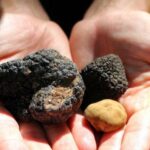
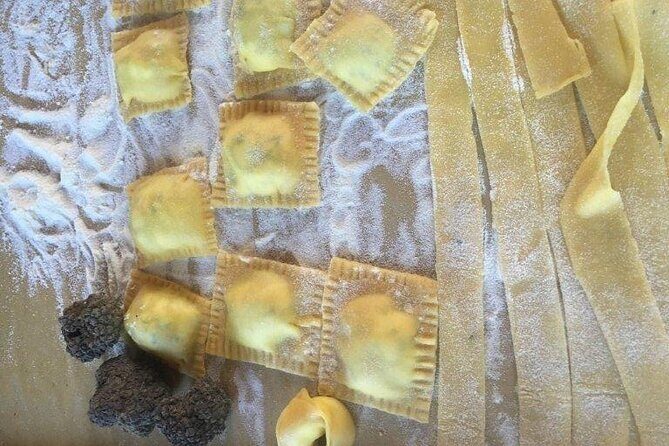
There’s an optional add-on that includes a truffle hunt, followed by truffle-based specialties. This is a great choice if you specifically care about Tuscany’s “earthy luxury” side, not just classic everyday dishes.
Two practical notes:
- If you’re picky about timing, make sure the add-on fits your schedule, since it builds on the main cooking session.
- If you’re booking during peak truffle season, you may find the experience is more compelling. (Seasonality is part of the way the menu is handled in general.)
If you’re the type who likes food adventures beyond the kitchen, the truffle option is an easy way to turn a cooking class into a broader Tuscany story.
What the Hands-On Pace Feels Like (And Why It’s Popular)
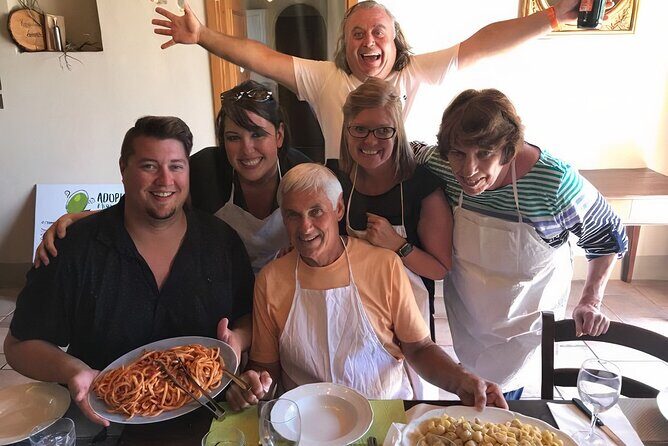
A max group size of 8 travelers is a big deal here. It keeps the teaching personal and it keeps you from getting lost in the background. You’re actively working, and that makes the class more memorable than typical cooking tours where the “hands-on” part is brief.
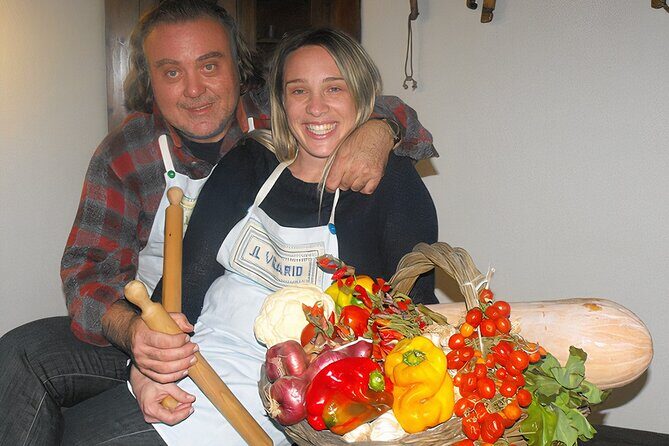
The vibe described by many people is warm and family-oriented. Hosts like Fulvio and Katia are part teacher, part host, part entertainer. You’re likely to get lots of conversational context about Italian cooking choices, not just step-by-step instructions.
Also, kids can do well with this style of class if you’re traveling as a family. The lesson approach is patient and interactive, so younger cooks get included rather than parked at the side.
Dietary Needs: Vegetarian, Gluten-Free, and Allergies
This class is set up to handle adjustments. Vegetarian and gluten-free cooking classes are available, and they can accommodate allergies—just let them know in advance.
That’s important because pasta dough, sauces, and bread ingredients can change a lot depending on what you can eat. The best value for you comes when you communicate clearly early, so the host can build a menu that fits you without shortcuts.
If you have allergies, double-check that your needs are captured when you book, not on the day of the class. Cooking classes move fast, and it’s easier for the host to manage details ahead of time.
Where You Meet: Agriturismo Il Vicario near San Gimignano
You start at Agriturismo Il Vicario–Tuscan cooking class, Loc. S. Andrea, 1, 53037 San Gimignano SI, Italy. The experience ends back at the meeting point.
Most people treat this as a short drive outside town. If you’re renting a car, keep expectations realistic: find your navigation settings carefully, and give yourself extra time. Several people note that it can be hard to locate the farmhouse if you’re unfamiliar with the local roads.
If you want the smoothest experience:
- plan to arrive 10–15 minutes early
- consider a driver if navigating country roads is stressful
- wear comfy shoes for a farmhouse setting
Price and Value: Why $157.21 Can Make Sense
At $157.21 per person, you might be thinking: is this worth it compared to eating out?
Here’s why it often feels like good value:
- You’re paying for a guided cooking lesson, not just a meal.
- The meal includes 5–6 courses, plus wine pairings.
- You leave with technique. Pasta-making and sauce logic are skills you can reuse at home.
- The group is small (maximum 8), which usually means more attention and a more personal experience.
If you were to recreate a similar multi-course meal at a restaurant—especially with wine and a hands-on lesson—it would likely cost more. The class price effectively bundles instruction, ingredients, and a full meal into one session.
Who This Cooking Class Is Best For
This is a strong fit if you:
- want a Tuscan food experience that’s practical, not just scenic
- like cooking with structure and tasting as you go
- enjoy small-group settings with lots of interaction
- want a meal that feels like a real family table, not a stage show
It may be less ideal if you:
- want a totally hands-off experience
- need strict guarantees about a specific dish every time (the menu is seasonal)
- expect the location to be easy to find without planning
Should You Book the Tuscan Cooking Class?
Yes, if your priority is learning real Tuscan basics and eating what you make. The combination of hands-on pasta, a multi-course meal, and wine pairing turns this into more than a tour snack. It’s also one of the better types of activities for families and small groups, since it’s interactive and the pace is manageable.
If you’re deciding between “cooking class” and “just dinner,” pick this class. If you’re deciding between “cooking class” and “cooking class plus something extra,” consider the truffle hunt add-on if you want that Tuscany signature flavor moment.
If you tell me your travel month and dietary needs (vegetarian, gluten-free, allergies), I can help you decide whether to add the truffle hunt and what to prioritize during the session.
FAQ
Where is the meeting point?
The class meets at Agriturismo Il Vicario–Tuscan cooking class, Loc. S. Andrea, 1, 53037 San Gimignano SI, Italy.
How long does the Tuscan cooking class last?
It runs for about 3 hours.
How much does it cost per person?
The price is $157.21 per person.
What will you cook during the class?
You’ll prepare a traditional 5–6 course Tuscan lunch or dinner. This can include antipasto like bruschetta and a cheese tasting, handmade pasta such as pici or tagliatelle with sauces, and a secondi course (meat or vegetarian).
Is wine included?
Yes. Each of the 5–6 courses is paired with local Tuscan wines.
Can the class accommodate vegetarian, gluten-free, or allergies?
Yes. Vegetarian and gluten-free cooking classes are available, and allergies can be accommodated if you notify the provider.
Is there an optional truffle hunt?
There is an optional truffle hunt add-on, and it includes preparing truffle-based specialties.
How many people are in the group?
The group size is limited to a maximum of 8 travelers.
Is cancellation free, and are service animals allowed?
You can cancel for a full refund up to 24 hours before the experience starts. Service animals are allowed.