REVIEW · PISA
Tuscan Wine Tour in Pisa by van
Book on Viator →Operated by Autoservizi DB Tuscany · Bookable on Viator
Wine in Pisa can mean Tuscany by van.
What makes this tour interesting is the change of scenery and the focus on real organic wineries instead of the same packaged stops. I like that you taste wines that have made it to Michelin-star tables, and you get a cellar-and-production look with the farmer’s stories, not just a quick sip-and-go. One consideration: the return time can shift with traffic, so keep the last part of your day flexible.
I also like how the tasting includes pairing-style food moments (salami, Tuscan bread, olive oil), which helps you understand what you’re drinking. It’s not a full meal, but it’s a smart way to learn Tuscan table culture without committing to a long lunch. If you’re the type who wants free time after a tour to wander on your own, the Lucca stop can be a nice payoff.
In This Review
- Key highlights worth waking up for
- Why a Pisa wine tour beats the usual vineyard line
- The 9:30 van pickup and the ride toward Lucca
- Stop One: An organic winery with a cellar story you can taste
- Stop Two: A second historical organic producer with a different approach
- Tastings with garden pairings and Tuscan table culture
- How long it really takes and what to plan for
- Price and value: what $189.44 buys you
- Who this tour suits best (and who might want a different option)
- What to bring so the day feels smooth
- Should you book this Tuscan Wine Tour in Pisa by van?
- FAQ
- How long is the Tuscan Wine Tour in Pisa?
- What time does the tour start?
- Where do I meet for the tour?
- Is the tour offered in English?
- What wineries will I visit?
- What will I eat and drink during the tasting?
- Is there a limit on group size?
- What if I have allergies or dietary preferences?
- Is weather a factor?
- What is the cancellation policy?
Key highlights worth waking up for
- Two organic winery stops with different historical approaches to making wine
- Cellar walkthroughs where production details come from the people who farm the land
- Tastings paired with local food like bread and local extra-virgin olive oil
- Wines connected to Michelin-star dining (not just local labels on a shelf)
- Small group size up to 15 for a more comfortable pace
- A van ride through Tuscan hills with time to enjoy Lucca
Why a Pisa wine tour beats the usual vineyard line
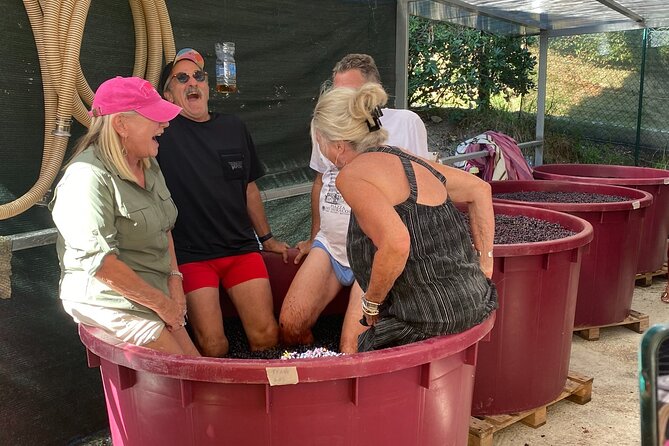
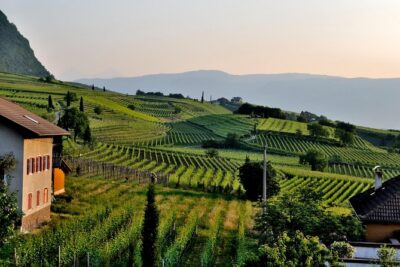
If you’re coming to Pisa, you might expect the classic formula: quick visit, quick tasting, then back to the tourist streets. This experience flips that pattern. You start in Pisa and ride into the countryside, with a day built around how wine is made and why organic practices matter.
The big promise here is authenticity. The tour positions itself as a way to find wineries that still feel like real Tuscany—historic places with organic production—rather than the version of wine travel that’s been stretched thin for mass tourism. Even if you’ve done tastings before, the difference is the emphasis on process: how grapes turn into wine, and what changes when the farming is organic.
And yes, you still get the fun part: tasting. But it’s tasting with context, plus food that helps you read flavors instead of just collecting glasses.
If you're still narrowing it down, here are other tours in Pisa we've reviewed.

The 9:30 van pickup and the ride toward Lucca
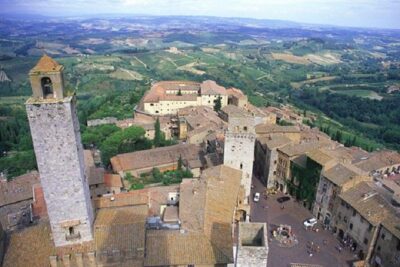
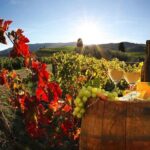
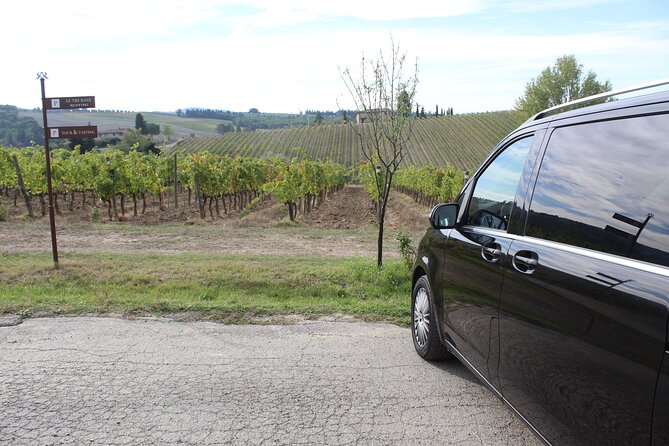
You meet at Porta a Lucca, Largo Parlascio, 56127 Pisa PI, Italy, with a 9:30 am start. From there, you’re in a professional van heading through hills of Tuscany. This matters because distance is part of the experience. Wine regions feel different when you’re actually moving through them, not hopping between places on a schedule that’s tight enough to ignore the scenery.
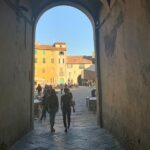
The tour is about 6 hours (approx.), and the day is designed to bring you back to the meeting point at Porta a Lucca. There’s also a highlight that you’ll return to Lucca in time for more sightseeing. Translation: the transport isn’t just to get you there and back. It’s planned so you can tack on a bit of exploring after the winery time, without needing to build your own logistics.
Practical tip: wear something comfortable for a morning drive. You’ll be sitting for stretches, and you’ll want to stay awake and fresh for the cellar visit and the tastings afterward.
Stop One: An organic winery with a cellar story you can taste
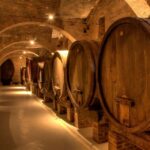
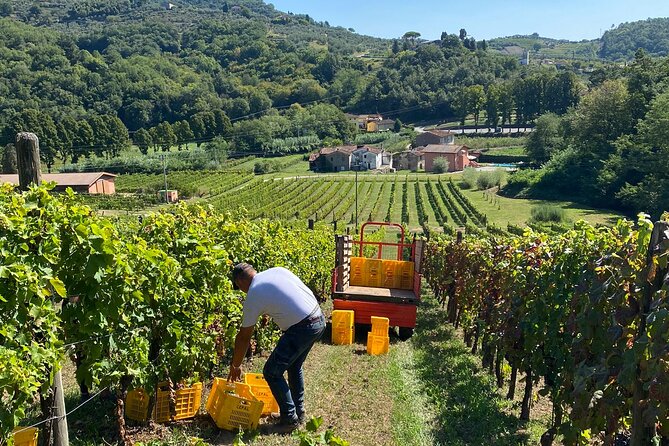
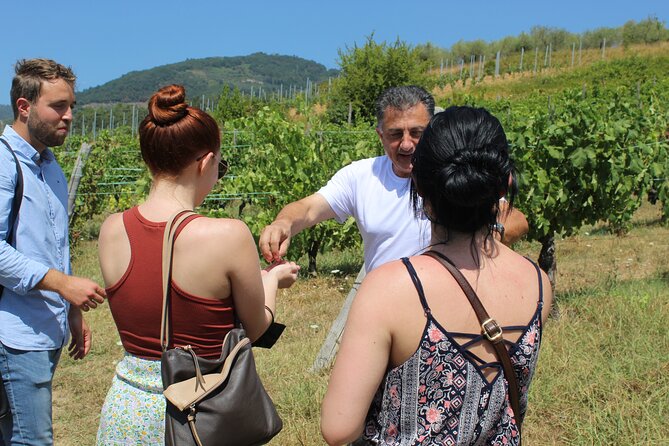
The first winery visit is built around a tour of the cellar and a guided explanation of the process. This is where the tour earns its reputation. You’re not just walking past barrels. You’re hearing how production works and the reasoning behind choices that shape the final wine.
The experience is described as visiting two historical organic wineries, and that first stop is meant to show you one path of making wine. Even without getting too technical, you’ll come away with a clearer sense of the steps involved—how fermentation, aging, and careful handling show up in the glass.
I also like that the explanation is tied to the farmer’s life stories. Wine can feel abstract until someone connects it to land, seasons, and the day-to-day reality of farming. When the guide brings in those human details, the tasting becomes easier to understand.
Potential drawback to note: cellar visits can be cool and a little earthy. If you run cold easily, bring a light layer.
Stop Two: A second historical organic producer with a different approach
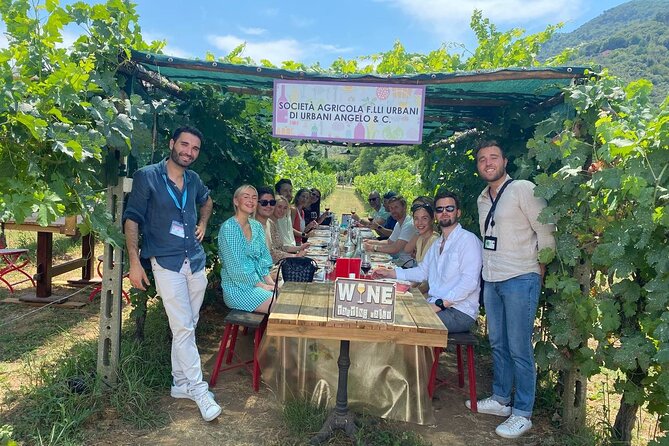
Then you go to the second winery, which is the other half of what makes this day worthwhile. The tour frames it as two historical places with two different ways of making wines, united by the same aim: producing the best biological/organic wine of the area.
That contrast is the real win. If you only visit one winery, you can leave with a pleasant set of tastes and still feel like you saw one interpretation. Two wineries let you compare style, choices, and production philosophy in a single morning-and-afternoon window.
Because the stops are both organic, you also get a more grounded conversation about what organic practices mean in practice, not just in marketing terms. You’re looking at the same general region of Tuscany, then seeing how different producers express it.
Tastings with garden pairings and Tuscan table culture
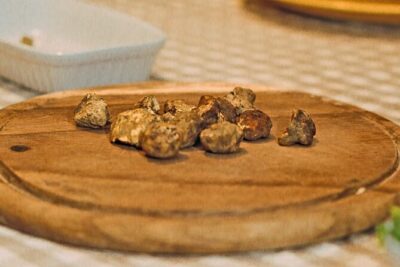
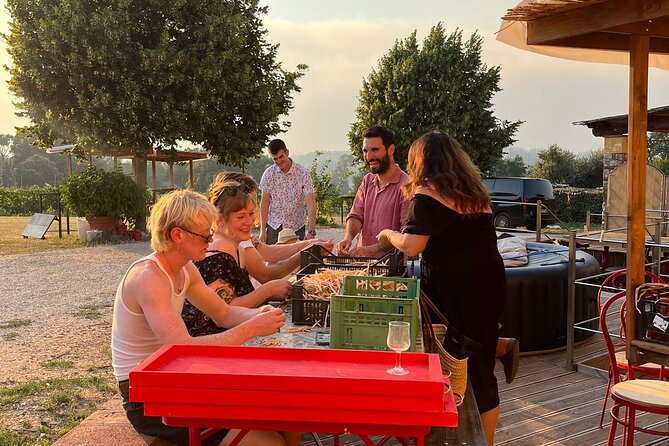
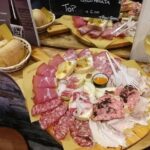
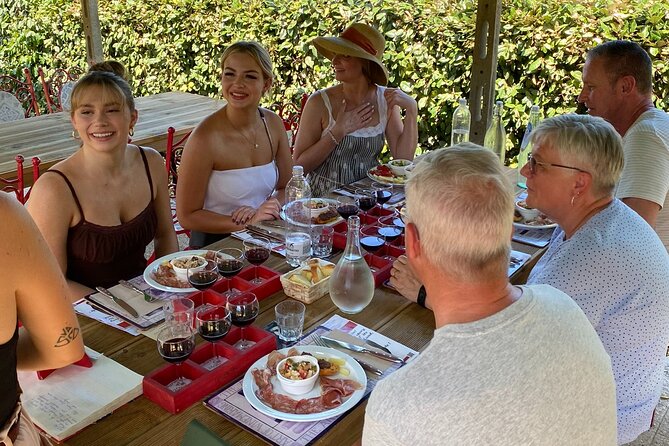
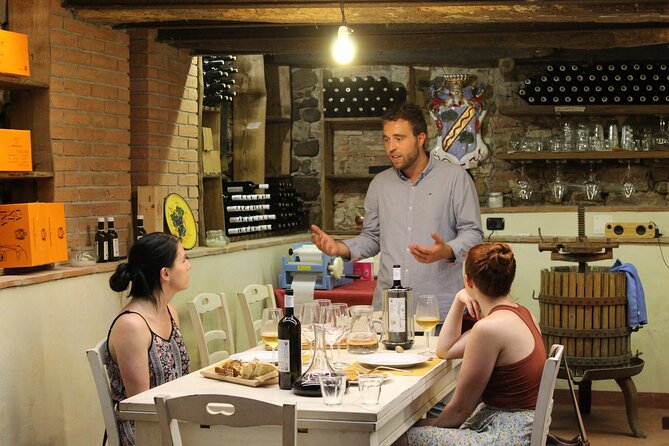
You’ll taste the wines produced at each stop, and each wine is paired with products from the garden. You’re also told to expect specialties like Tuscan bread and local extra-virgin olive oil, plus options such as salami and cheese.
This is where the tour becomes more than wine. The food pairing helps you taste better. Salami brings salt and fat, bread adds texture, and olive oil can add a grassy or peppery edge depending on what you’re served. When a guide connects those flavors to what’s in the glass, you start recognizing why certain wines feel balanced with certain bites.
It’s also worth noting that this is not presented as a full lunch. It’s more of a structured tasting with food pairings. That’s great if you want to avoid a heavy meal that slows you down, but you should still plan for hunger after the tour ends.
If you have allergies or specific preferences, the tour asks you to advise in advance. That’s a good sign that they’re thinking about pairing responsibility, not just pouring wine.


How long it really takes and what to plan for
The tour runs about 6 hours, starting at 9:30 am. However, the end time is not guaranteed because traffic or unforeseen delays can happen. That’s an important detail for planning.
If you’re visiting Pisa and Lucca the same day, you’ll have a better experience if you treat the last hour as flexible time. Avoid booking tight departures, especially things like trains or flights that have no wiggle room.
Good to know: confirmation is received at booking time, the tour uses a mobile ticket, and the group maximum is 15 travelers. A small group can make the day feel more relaxed, especially during cellar explanations where you’re trying to hear the details.
Price and value: what $189.44 buys you
At $189.44 per person, you’re paying for more than transportation and a tasting. The value here is in the structure:
- Two winery visits instead of one
- Cellar tours with process explanations
- Organic focus with historical producers
- Tasting sessions paired with local food
In wine tourism, the difference between cheap and fair often comes down to how long you’re actually at the wineries and whether the tasting is just a transaction. Here, you’re getting time for explanations and for food pairing moments, which turns the experience into learning as well as drinking.
Is it the cheapest option you’ll find? Likely not. But if you care about authenticity, organic production, and tasting with context, the price starts to make sense. You’re also leaving Pisa by van and returning with time to enjoy Lucca, which saves you from building your own transportation plan.
Who this tour suits best (and who might want a different option)
This tour is a strong match if you want:
- A more authentic Tuscany day than the usual vineyard checklist
- An organic theme with two wineries and comparison time
- Wine tastings with food pairings you can actually use later
It may be less ideal if:
- You need a strict fixed return time for later plans
- You expect a full sit-down lunch rather than tasting-style food
- You want a super short tasting only (this is closer to a guided half-day experience)
Group size is capped at 15, and the experience says most travelers can participate. Service animals are allowed, and it’s near public transportation, which helps if you’re already moving around Pisa without a car.
What to bring so the day feels smooth
This is a straightforward day, but a few small things make it better:
- A light layer for cooler cellar air
- Comfortable shoes for winery paths and uneven floors
- If you’re sensitive to sun, bring sunglasses or a hat for the countryside drive
- If you have allergies or preferences, send them clearly ahead of time
Also, pace yourself. You’ll taste wines at more than one place, and you’ll be in a van for stretches. Taking small breaks between tastings is part of enjoying it.
Should you book this Tuscan Wine Tour in Pisa by van?
I’d book it if your ideal day looks like this: Pisa in the morning, Tuscany hills by van, two organic wineries with cellar explanations, tastings paired with local food, then enough time to enjoy Lucca before the day closes.
Hold off or double-check timing if you’re the kind of traveler with a tight schedule at the end of the day. Because the return time can change with traffic, you’ll be happier if you keep your last commitments flexible.
If you want a more meaningful wine experience than a quick stop, this one has a clear angle. It’s organized to teach you what you’re tasting, not just show you where wine happens.
FAQ
How long is the Tuscan Wine Tour in Pisa?
The tour lasts about 6 hours (approx.).
What time does the tour start?
The start time is 9:30 am.
Where do I meet for the tour?
The meeting point is Porta a Lucca, Largo Parlascio, 56127 Pisa PI, Italy.
Is the tour offered in English?
Yes, the tour is offered in English.
What wineries will I visit?
You visit two real Tuscan organic wineries, described as historical places.
What will I eat and drink during the tasting?
You taste the wines of the production, and each wine is matched with products from the garden. The food is described as including Tuscan bread, local extra-virgin olive oil, salami, and cheese. It is not described as a complete lunch.
Is there a limit on group size?
Yes. The maximum group size is 15 travelers.
What if I have allergies or dietary preferences?
You should advise the provider if you have any allergies or food preferences.
Is weather a factor?
Yes. The experience requires good weather, and if it’s canceled due to poor weather you’ll be offered a different date or a full refund.
What is the cancellation policy?
There is free cancellation. You can cancel up to 24 hours in advance for a full refund.