REVIEW · MONTEPULCIANO
Montepulciano: Vino Nobile Wine Tasting Tour with Lunch
Book on GetYourGuide →Operated by Valdichiana Living · Bookable on GetYourGuide
A Montepulciano winery morning beats a checklist tour. This small-group experience centers on Vino Nobile di Montepulciano, with a vineyard-and-cellar walkthrough plus tastings that connect the hills of southeastern Tuscany to the Sangiovese grapes in your glass. I especially like how the format stays focused: you’re not just tasting, you’re learning the “why” behind Vino Nobile and the local food pairings.
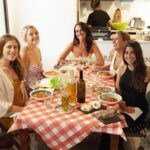
You’ll also get a light lunch designed around typical Tuscan dishes, so the wine doesn’t float off on its own. That pairing focus is the part I find most useful if you want to take home more than a few nice sips.
One consideration: pacing can feel a bit fast depending on the winery and guide, and lunch comfort may vary (especially if seating is outdoors). If you’re the type who likes lots of quiet time and slower storytelling, ask ahead about how the visit is paced.
In This Review
- Key things I’d pay attention to
- Montepulciano’s hills: why this tasting feels more “place-based”
- Inside the winery: vineyard and cellar time that actually teaches
- The tastings: Vino Rosso DOC plus Vino Nobile DOCG
- Lunch pairing: light food, classic Tuscan choices
- Timing and pace: the 2-hour window and what to do with it
- Group size and guide quality: when small matters
- Price and value: is $105 per person fair?
- Who should book this Montepulciano wine tasting?
- Should you book it?
- FAQ
- How long is the Montepulciano Vino Nobile wine tasting tour?
- What wines will I taste?
- Is lunch included?
- Is transportation included?
- What’s the group size?
- What languages are available?
- Where is the meeting point?
Key things I’d pay attention to
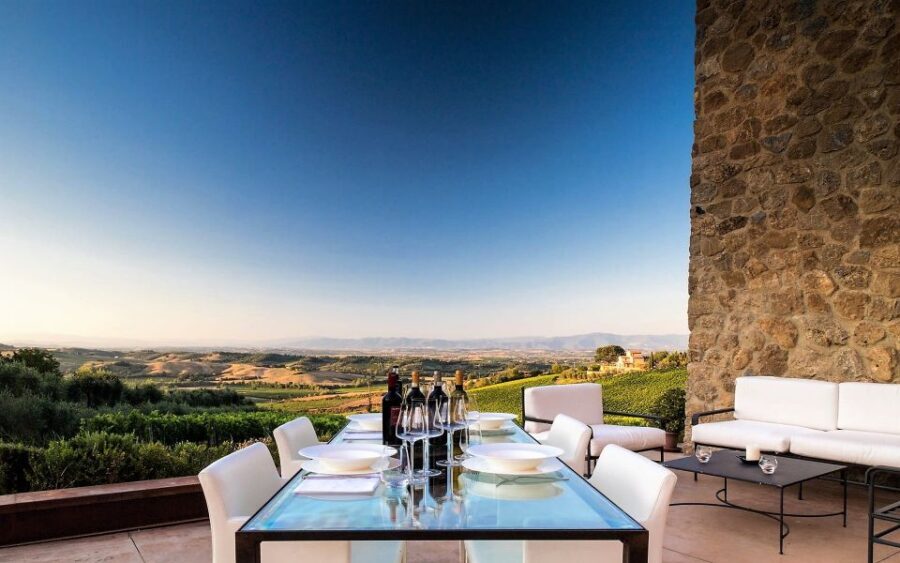
- Two different Montepulciano reds: Vino Rosso di Montepulciano DOC and Vino Nobile di Montepulciano DOCG
- Vineyard + cellar tour that explains how the wine is made from the hills up
- Wine-and-food pairing with a light lunch of classic Tuscan dishes
- Small group limit (10 people), which usually means more back-and-forth with the host
- English/Italian guidance so you can actually follow the winemaking talk
- A Valdichiana Living gadget included as part of the package
Montepulciano’s hills: why this tasting feels more “place-based”
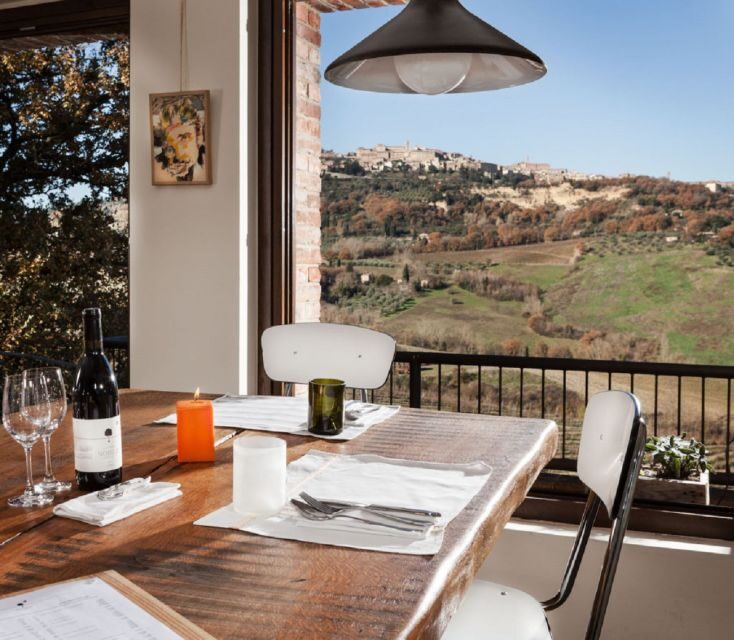
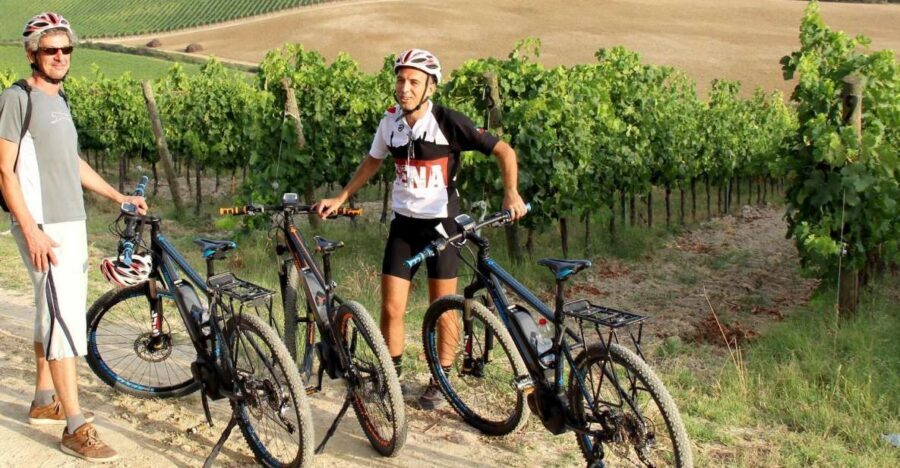
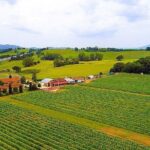
Montepulciano is one of those Tuscan towns where you can feel the geography in the wine. The Vino Nobile di Montepulciano is grown in the hills around the medieval city, in southeastern Tuscany, and the tour is built around that idea. You’re not touring a random room and calling it a day—you’re moving through the winemaking world where those slopes matter.
What I like most is that the tastings tie back to the grape: Vino Nobile di Montepulciano is a classic Tuscan red made from Sangiovese. That’s a big deal, because Sangiovese behaves differently depending on climate, elevation, and how grapes are handled. Even if you’re new to wine, you’ll likely notice that the guide steers you toward what to look for in aroma and flavor, instead of treating the tasting like a blindfold test.
This also helps you understand why Montepulciano wine earns its reputation. The experience isn’t just about drinking; it’s about learning how Vino Nobile’s character connects to the local growing conditions and how winemakers shape it after harvest.
Other Vino Nobile and Montepulciano tours in Montepulciano
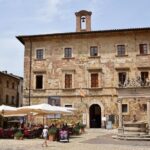
Inside the winery: vineyard and cellar time that actually teaches
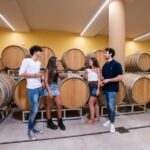
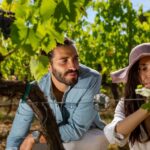
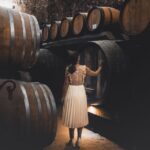
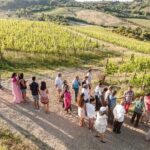
The tour starts at the winery and follows a sensible arc: you go out to see the vineyards, then you return to the cellar to talk technique. That “outside to inside” route matters because it connects cause and effect. Hillside growing shapes the grapes. Then the cellar choices shape the wine in the glass.
You can expect to tour both:
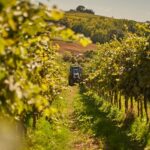
- The vineyard, where the guide explains how the hills around Montepulciano influence cultivation
- The cellar, where you learn about winemaking and the workflow behind what ends up bottled
If your goal is wine comprehension—not just wine consumption—this structure is a good fit. It gives you a mental model you can reuse later when you taste other Sangiovese-based wines.
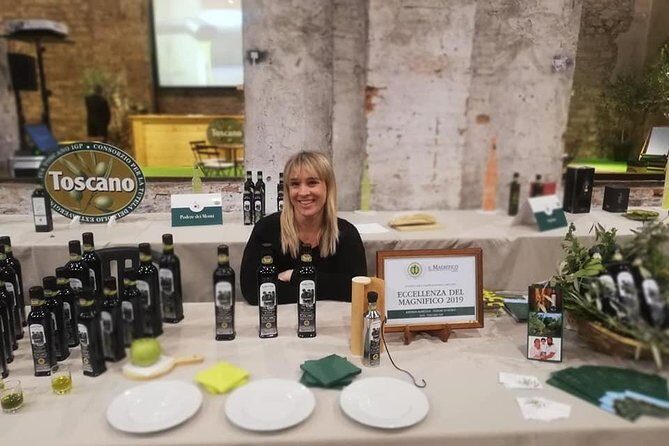
One bonus detail from experience of this type: some wineries in the area also produce olive oil, and a well-run guide may weave that into the story of local production. That’s not something you should assume every day, but it’s a useful expectation to carry. In other words, you might find the cellar tour framed within a wider picture of how the estate works.
The tastings: Vino Rosso DOC plus Vino Nobile DOCG
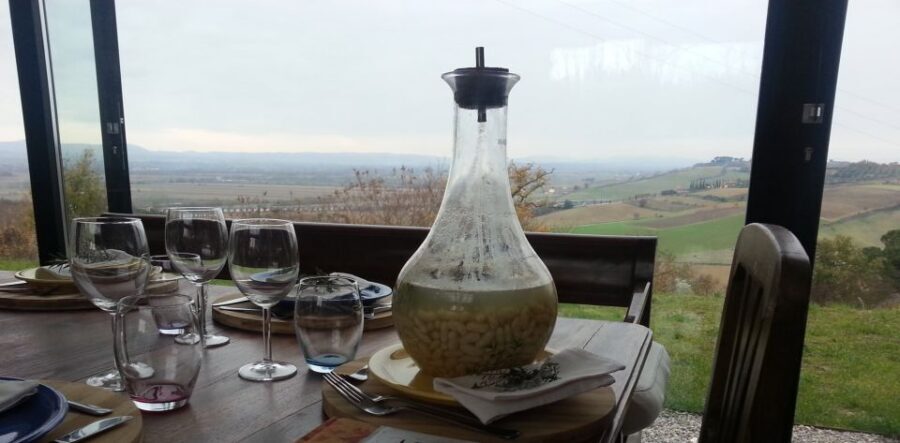
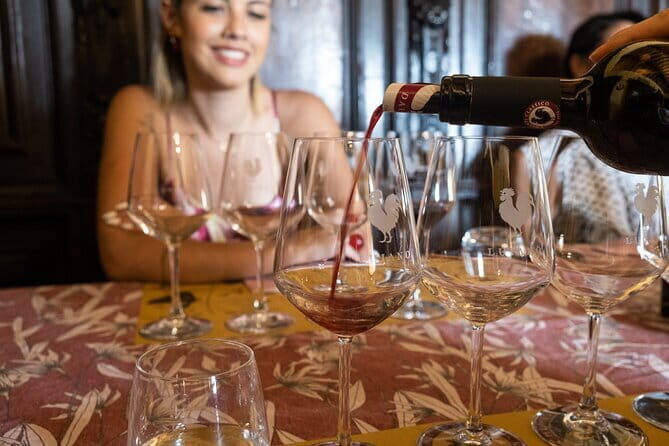
Most Montepulciano wine tastings focus on one label. This one includes two, and that’s a practical advantage. You get to compare Vino Rosso di Montepulciano DOC and Vino Nobile di Montepulciano DOCG rather than treating the day like one long pour.
Here’s what this comparison can help you do:
- Notice the stylistic differences between a DOC and the DOCG bottling standard
- Understand why Vino Nobile has its own identity in the Montepulciano world
- Learn what to expect from Sangiovese when it’s expressed through local methods and aging choices
Even if you’re not a “notes and aromas” person, pairing a second wine into your experience gives your brain something to organize. One wine becomes the reference point, and the other becomes the contrast.
Also, because the guide is there to teach, you’re not stuck guessing what you’re supposed to taste. The intent is that you’ll leave with a more grounded sense of what makes Vino Nobile what it is.
Lunch pairing: light food, classic Tuscan choices
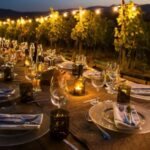
The lunch is described as light, and it’s paired with the wines. That’s important. A light meal keeps the focus on flavor balance instead of turning the experience into a full restaurant meal you have to manage while tasting.
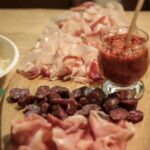
You should expect classic Tuscan dishes meant to complement red wine. In plain terms: think food that plays well with the kind of structure you get from a Sangiovese-based red—things that match acidity and can handle savory notes without drowning out the wine.
What I like about this pairing approach is that it teaches you something you can use later. Instead of memorizing a label, you learn which style of food the wine likes. That means if you’re eating in Montepulciano afterward, you’ll have a better chance of ordering intelligently.
One heads-up: not every winery restaurant area is equally comfortable. Some setups can involve less pleasant outdoor seating, even when the view is great. If you’re sensitive to weather or long outdoor sitting, plan to ask what the lunch situation is like on the day you go.
Timing and pace: the 2-hour window and what to do with it
This experience is listed as 2 hours, but it’s also described as around a 2.5-hour tasting and pairing experience. Either way, you’ll want to treat it as a compact, guided session, not an all-afternoon romantic stroll.
That can be great if you prefer efficient touring. You’ll get:
- Winery visit at the start
- Vineyards and cellar storytelling
- Two tastings
- Light lunch with pairing
The tradeoff is that the day may feel structured, with limited time for lingering Q&A. And there’s another reality: reviews for experiences in this category sometimes complain about rushed explanations. So if you really care about winemaking technique—aging, fermentation, or cellar practices—come prepared with a couple of questions.
A simple strategy: ask early what the cellar portion will focus on. If you wait until the end, you might run out of time.
Other wine tasting experiences in Montepulciano
Group size and guide quality: when small matters
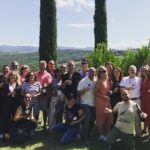
The group is limited to 10 participants, and that’s not just marketing fluff. In a small setting, the guide can adjust how much time they spend on questions, and you’re more likely to hear the explanations clearly over the noise.
You’ll also have host or greeters in English and Italian, which helps keep you from nodding along while half-understanding the details. If you’re traveling with someone who speaks a bit of Italian, you’ll likely enjoy how the guide uses language to teach.
Guide quality can make a big difference. One name you might encounter is Francesca, who has led tours with a very engaged, interesting tone and helped set a good atmosphere for a group outing. That’s not a guarantee, but it’s a good example of what you’re aiming for: a guide who turns the tasting into learning, not just pouring.
If you’re booking expecting an intimate conversation, your best bet is to arrive with curiosity, not expectations of a multi-hour class.
Price and value: is $105 per person fair?
At $105 per person, you’re paying for more than wine. You’re paying for a guided winery visit, a vineyard-and-cellar walkthrough, two wine tastings (DOC and DOCG), and a light lunch paired for the wines. You’re also paying for small-group time, which is usually more expensive than large bus-style tastings.
Here’s how to evaluate value for this specific tour:
- If you want context (how cultivation and winemaking connect to the wine), the package makes sense.
- If you mostly want a social drink with minimal education, you may feel the structure is too “tour-ish” for the price.
One negative note from similar experiences is the feeling that the tasting can be limited—like a small number of glasses plus a simple food plate—especially if you expected more time or a heavier lunch. That doesn’t mean the wine isn’t good; it means expectations matter.
My advice: before you go, check what “light lunch” realistically means. If you’re a big eater, plan to add a proper meal before or after. If you’re a light snacker type who mainly wants wine and explanation, you’ll likely feel right at home.
Who should book this Montepulciano wine tasting?
This is a good fit if you:
- Want a winery tour tied directly to Montepulciano’s Sangiovese-based identity
- Like wine and food pairing, not just tasting on autopilot
- Prefer a small group and a guided experience in English or Italian
- Enjoy learning enough to order better at restaurants later
It may not be the best fit if you:
- Want a long, slow, no-rush tasting day
- Expect transportation included as a sure thing (the activity notes that transportation service isn’t included)
- Prefer a heavier meal or lots of time to sit and talk without structure
Should you book it?
I’d book this tour if you want a smart, time-efficient way to understand Montepulciano wine—especially Vino Nobile di Montepulciano DOCG—and you’re excited about how the wine pairs with classic Tuscan dishes. The small group limit and the vineyard-and-cellar structure are the strongest reasons to choose it over a quick tasting room.
Before you commit, do one thing: ask the provider about how the pacing usually feels and what the lunch setup is like (especially if outdoor seating would bother you). If you’re on board with a guided 2-hour-ish session focused on learning and pairing, this is a solid value way to experience Tuscany beyond the town center.
FAQ
How long is the Montepulciano Vino Nobile wine tasting tour?
It’s listed as 2 hours. The tasting and food pairing portion is also described as lasting around 2.5 hours, so plan for a compact but guided session.
What wines will I taste?
You’ll taste Vino Rosso di Montepulciano DOC and Vino Nobile di Montepulciano DOCG.
Is lunch included?
Yes. You’ll have a light lunch with Tuscan dishes paired with the wines.
Is transportation included?
No. A transportation service is not included.
What’s the group size?
It’s a small group limited to 10 participants.
What languages are available?
English and Italian are available for the host or greeter.
Where is the meeting point?
The specific winery address is communicated after confirmation.