REVIEW · SAN GIMIGNANO
Authentic Tuscan Cooking Class & Winery Tour in San Gimignano
Book on Viator →Operated by Cesarine: Cooking Class · Bookable on Viator
San Gimignano smells like fresh bread and wine. This private Tuscan cooking class with a local resident blends a winery visit, a hands-on meal, and a wine tasting so you learn flavor and technique, not just trivia. My favorite parts are the three recipes made from scratch and the family-style feel in the kitchen with hosts like Lara and her family. One thing to plan for: the meeting spot at Località Casale, 26 can be tricky to find if you do not know the area.
You start at 10:30 am in San Gimignano and the experience runs about 3 hours, ending back at the meeting point. It is offered in English, with a small maximum group size (up to 14), so you get time for questions while you cook.
In This Review
- Key Highlights You Should Know Before You Go
- San Gimignano’s Slow Pace Makes Cooking Feel Personal
- Getting to Località Casale, 26 Without Losing Time
- Winery and Farm Walk: Why It’s More Than a Quick Photo Stop
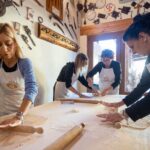
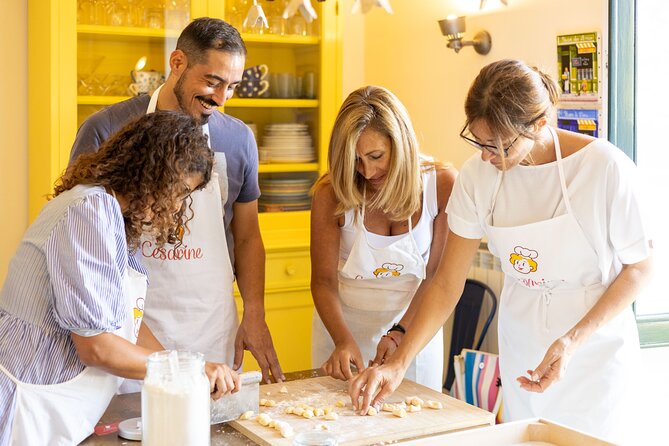
- In the Kitchen With Lara: How the Class Stays Hands-On
- Bruschetta Starter: The Quick Skill That Makes You Look Like a Pro
- Fresh Pasta Lesson: Tagliolini, Homemade Sauce, and Seasonal Logic
- Ricotta Dessert: A Sweet Finish That Feels Truly Tuscan
- Wine Tasting: How the Glass Fits Into the Cooking Day
- Lunch at the Table: Eating What You Made Matters
- The Take-Home Apron and Bag: A Small Bonus With Real Use
- Price and Value: What You’re Paying For at $192.28
- Who Should Book This San Gimignano Cooking and Winery Experience
- Should You Book This Cooking Class and Winery Tour?
- FAQ
- What dishes do you learn to make?
- Is the class private, and how many people are in a group?
- What language is the cooking class offered in?
- Do you visit a winery and taste wine?
- Where does the tour start, and what time does it begin?
- What is included with the meal?
Key Highlights You Should Know Before You Go
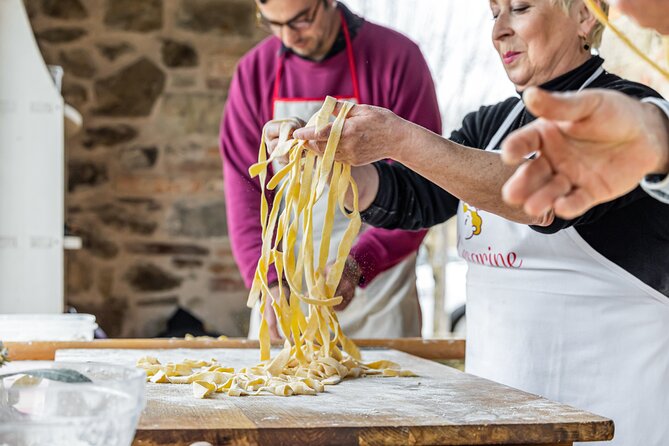
- Three regional dishes taught by a local resident: bruschetta, fresh pasta, and a ricotta-based Tuscan dessert
- Winery tour plus wine tasting of premium Tuscan wines, alongside a meal with a glass of local red or white
- Hands-on cooking tips you can repeat at home, not just watching
- Small-group setup (max 14) and a more homey, welcoming atmosphere
- Take-home souvenirs: an official shopping bag and apron
San Gimignano’s Slow Pace Makes Cooking Feel Personal
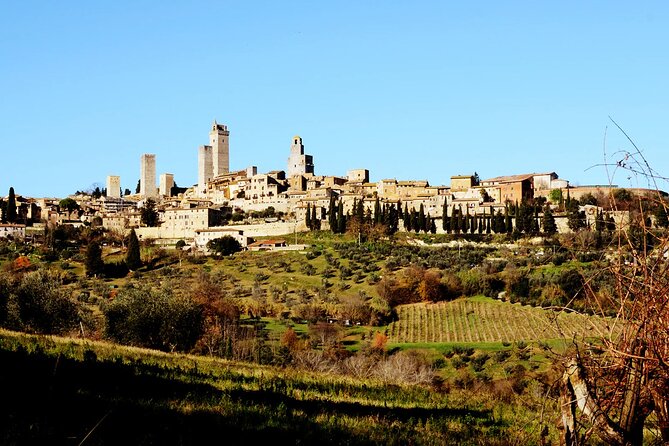
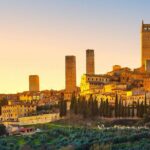
San Gimignano is famous for its towers, but in this class, the focus is on the practical side of Tuscany: how people actually make food day-to-day. You are not bouncing from stop to stop. You are in one place, learning the rhythm of prep, tasting as you go, and then eating what you cooked.
A big value here is that the host works in the same way a local family kitchen works: welcoming, relaxed, and friendly. In the strongest moments, you feel like you are being taught by someone who cooks often, not by someone performing a show.
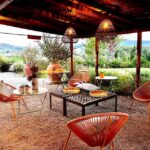
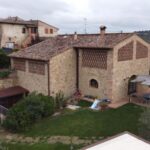
The setting also matters for your appetite. Even when you are mid-recipe, you can feel you are in a real rural Tuscan environment, not an industrial kitchen meant for tourists.
If you're still narrowing it down, here are other tours in San Gimignano we've reviewed.
Getting to Località Casale, 26 Without Losing Time
Here is the only real snag I would flag: the meeting point at Località Casale, 26 can be hard to spot if you are new to San Gimignano. One of the best pieces of advice is also the simplest: give yourself a little buffer and confirm your navigation address before you head out.
The good news is that the tour is near public transportation, so you are not forced to rely on a car. Still, if you are arriving on foot or from a bus, double-check route timing so you are not rushed.
I also recommend planning to arrive a few minutes early. With a class format, arriving late can throw off the pace for you and the group. And since this experience is capped at 14 people, that flow matters.
Winery and Farm Walk: Why It’s More Than a Quick Photo Stop
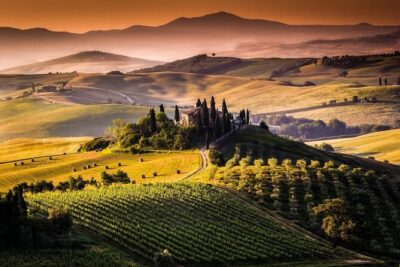
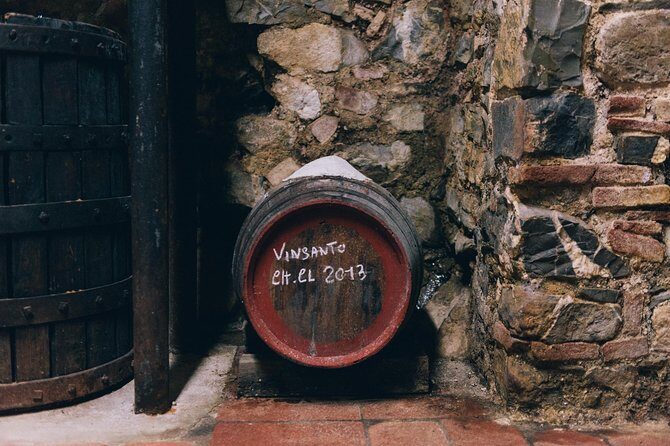
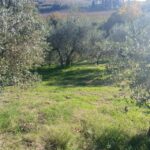
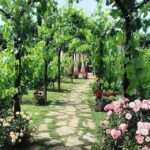
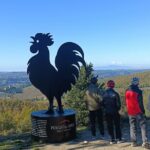
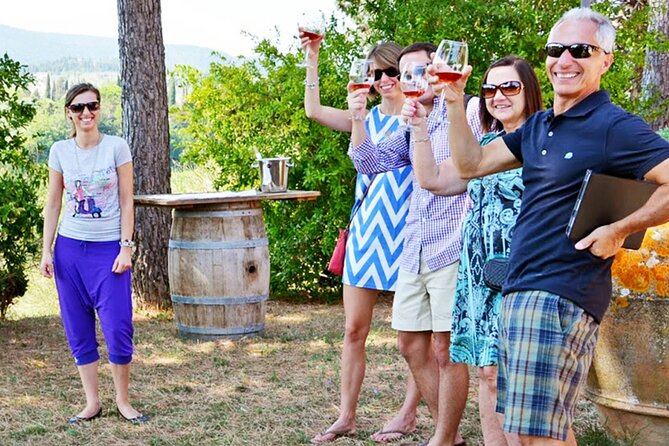
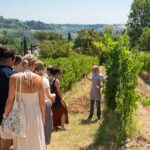
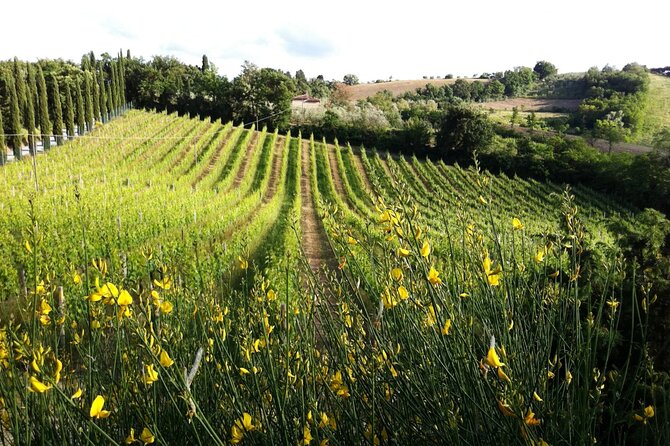
Before you touch a cutting board, you take a tour of the winery, farm, and property. This part sets expectations for the whole session: you see the agricultural side behind what ends up on your table.
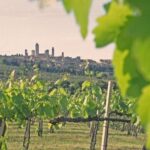
In practical terms, the winery portion helps you pay attention during the tasting. When you can connect the wine to a real farm setting, the tasting becomes more than sipping. It turns into a mini lesson in what grapes and growing conditions can mean for flavor.
You also get the kind of view that makes you pause without it feeling staged. The best part of the farm walk is how it makes the kitchen feel like the next logical step.
In the Kitchen With Lara: How the Class Stays Hands-On
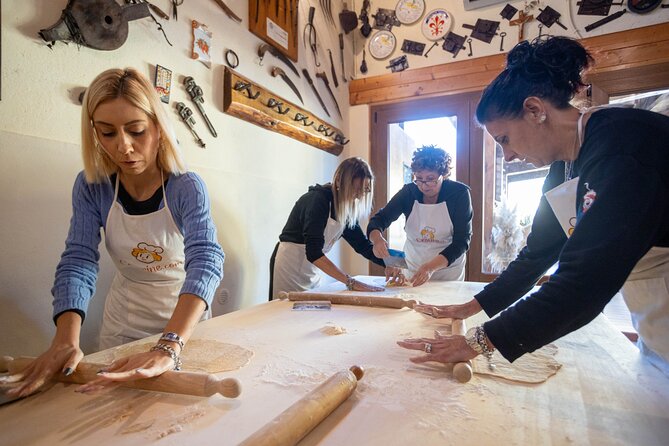
This is a private cooking class style experience run by Cesarine: Cooking Class, taught by a local resident. The menu is structured, but the teaching is interactive, which is what you want if your goal is to learn recipes you will actually cook again.
The pacing tends to work like this: a clear start, hands-on prep, and then tasting while the group moves along. Since it is taught in English and limited to a small group size, you are more likely to get answers for your questions about technique.
The vibe is home-style. Hosts like Lara are known for welcoming you right away, and that matters because it lowers the pressure. When you are not nervous, you learn faster.
Bruschetta Starter: The Quick Skill That Makes You Look Like a Pro
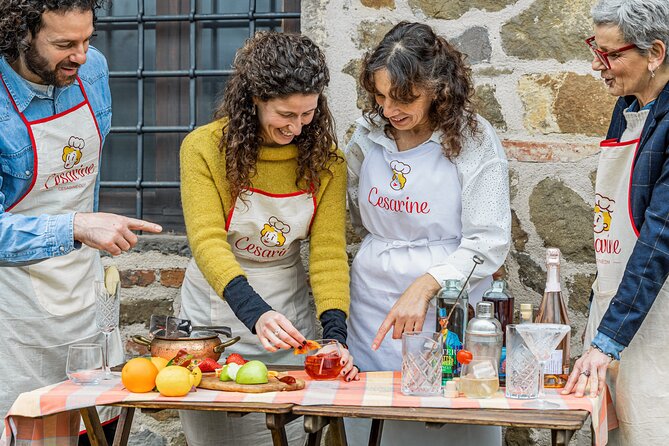
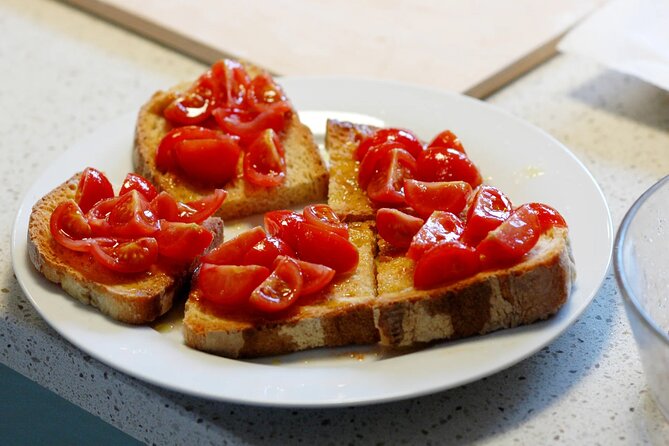
You begin with bruschetta, which is a smart first dish. It is approachable, but it also shows you how to build flavor with ingredients you can find back home.
In at least one class flow, you make multiple bruschetta variations, including three different styles. That variety is a win because you learn more than one approach to toppings, seasoning, and balancing flavors.
What I like about starting with bruschetta is that it is a taste-and-adjust dish. You can learn how salt, acidity, and texture work together. Then, once you move to pasta and dessert, you already have momentum.
Fresh Pasta Lesson: Tagliolini, Homemade Sauce, and Seasonal Logic
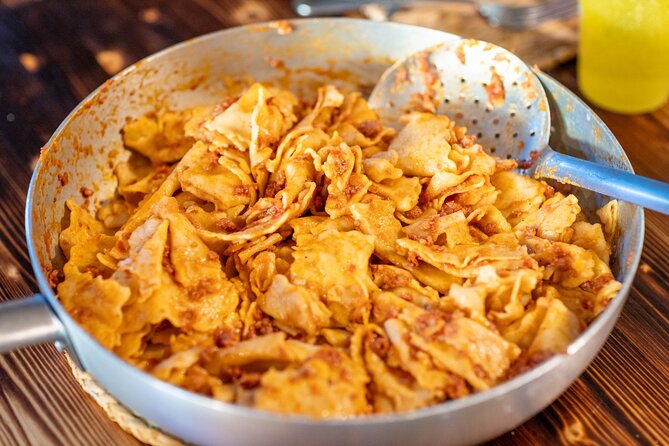
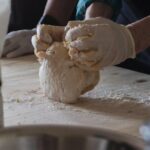
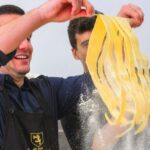
The main course centers on handmade pasta—specifically tagliolini in the standard menu. Fresh ribbon pasta in a home kitchen teaches you a lot quickly: how dough comes together, how to keep it from drying out, and how to match pasta shape to sauce.
You also make a homemade sauce. One version you might encounter includes pumpkin sauce, which fits Tuscany’s love of seasonal ingredients. Even if your exact sauce differs, the underlying lesson is the same: you learn how sauce texture and seasoning should feel, not just what it should be called.
This is where the class delivers real value. Store-bought pasta is fine. But once you’ve made and tasted a sauce you crafted from scratch, your bar for Italian cooking changes.
Ricotta Dessert: A Sweet Finish That Feels Truly Tuscan
For dessert, you make a traditional Tuscan option built around ricotta. In practice, that means you finish with something creamy and comforting, not a heavy cake you need a nap after.
The ricotta dessert is the part I think many people appreciate most because it translates well to home cooking. It is flavorful without requiring fancy equipment, and it teaches you how to handle a dairy-based component without turning it into a sugary mess.
Since you prepare the dessert yourself, it also becomes easier to remember the key steps when you try it later. That is the real goal of any cooking class: not just eating a great meal, but leaving with recipes in your hands.
Wine Tasting: How the Glass Fits Into the Cooking Day
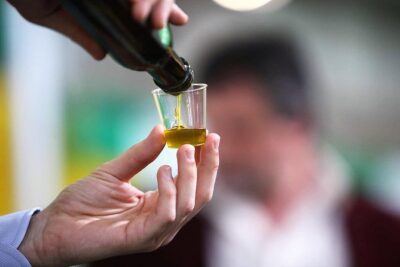
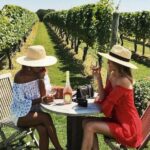
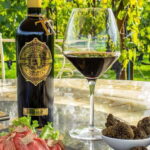
Wine is woven into the experience in two ways. First, there is a tasting session of three premium Tuscan wines. In at least one set of experiences, that tasting includes multiple reds and whites, such as two whites and two reds.
Second, once you sit down to eat, you get a glass of local red or white wine to enjoy with the meal you prepared. That pairing makes sense because you are not waiting until the end to start tasting.
If you are a wine person, this is an efficient way to understand a few Tuscan styles in a single sitting. If you are not, it still helps. The wine gives you a sense of what complements pasta richness and dessert creaminess.
Lunch at the Table: Eating What You Made Matters
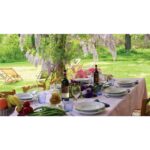
After cooking, you eat what you prepared alongside your hosts. This is one of those details that sounds small, but it changes the whole experience. You are not cramming food into the gaps between lessons. You are pausing to enjoy it.
You also learn from the way the meal is served and explained. It gives context to the recipes, including how the host expects flavors to work together.
One more practical win: you get the satisfaction of finishing a full starter–main–dessert rhythm. For many people, that is the best way to feel like the class was worth it.
The Take-Home Apron and Bag: A Small Bonus With Real Use
You leave with an official shopping bag and apron, which might sound like standard souvenir stuff. But in a cooking class, an apron is actually useful.
It also acts as a reminder the next time you cook. Instead of having a postcard in a drawer, you have something you will wear while recreating the recipes you learned.
Price and Value: What You’re Paying For at $192.28
At $192.28 per person for about 3 hours, this is not a cheap activity. But it is also not just a class and a tasting thrown together.
Here is where the value comes from:
- You get three dishes taught and then eaten, including a pasta component and a dessert
- You get a winery tour plus a wine tasting of premium Tuscan selections
- Wine is included with the meal, so you are not adding cost later just to make it feel complete
- You get physical take-home items (shopping bag and apron)
Compared to booking a cooking class and a separate winery visit on different days, bundling them makes planning simpler and helps you spend more time actually learning, not traveling between experiences.
Also, demand seems high, since this is booked about 89 days in advance on average. If you are traveling in peak season, booking earlier is a smart move.
Who Should Book This San Gimignano Cooking and Winery Experience
This class fits best if you want food-and-wine Tuscany in a way that is active and personal. You will probably enjoy it most if you like practical cooking, not just watching chefs move fast.
It also works well if you want small-group attention. With a maximum of 14 travelers, you are more likely to get quick guidance and adjust techniques on the fly.
On the other hand, if you prefer lots of wandering through multiple sightseeing stops, this may feel too concentrated. This is a kitchen-and-wine experience first, town sightseeing second.
Should You Book This Cooking Class and Winery Tour?
I think you should book it if your top goal is to leave with real cooking wins: the ability to recreate bruschetta ideas, fresh pasta basics, and a ricotta-based Tuscan dessert. The combination of hands-on cooking plus winery tour and wine tasting makes it feel like a full Tuscan afternoon, not a rushed sampler.
I would especially consider it if you want that home-style teaching vibe you hear about around Lara and her family. It is one of the few tours where the setting and the menu both point toward the same thing: comfort, technique, and eating well.
FAQ
What dishes do you learn to make?
You learn to prepare three Tuscan dishes: bruschetta, handmade tagliolini pasta with homemade sauce, and a traditional ricotta cream-style dessert.
Is the class private, and how many people are in a group?
It is a small-group experience with a maximum of 14 travelers.
What language is the cooking class offered in?
The class is offered in English.
Do you visit a winery and taste wine?
Yes. The experience includes a winery tour and a tasting of three premium Tuscan wines, along with additional wine tasting noted in some experiences.
Where does the tour start, and what time does it begin?
It starts at Località Casale, 26, 53037 San Gimignano SI, Italy at 10:30 am.
What is included with the meal?
After cooking, you eat what you made with your hosts, and you also get a glass of local red or white wine.