REVIEW · SAN GIMIGNANO
Hands-on Pasta Making Cooking Class and Wine Tasting
Book on GetYourGuide →Operated by Tenuta Torciano Winery · Bookable on GetYourGuide
San Gimignano dinner tastes better when you make it. This hands-on pasta class pairs serious technique with a relaxed Tuscan meal and a local wine tasting at Tenuta Torciano. You’ll learn how regional pasta shapes actually get made, not just how they end up on a plate, and you’ll get to taste the results right away.
I love the step-by-step coaching from the chef, including the practical dough basics like choosing the right flour and getting your kneading and rolling right for tagliatelle, pici, and ravioli. I also like that the table part of the experience feels generous, with wine in the mix, plus olive oil and balsamic tastings alongside what you cook.
One consideration: the schedule is strict. If your start time slips, the flow can get confusing, especially if you’re in a group with multiple couples.
In This Review
- Key highlights you’ll care about
- Where Tenuta Torciano fits into Tuscan food culture
- The kitchen setup and why it keeps things moving
- Learning dough basics: the part most classes skip
- Making three pastas in one sitting: tagliatelle, pici, ravioli
- Tagliatelle: rolling and cutting with confidence
- Pici: the hand-made shape that rewards patience
- Ravioli: the “teamwork” moment
- How the meal and tasting fit after the work
- The Tuscan wine tasting: what’s included and how to enjoy it
- What you actually eat: menu details you can plan around
- Timing, strict starts, and the one thing to watch
- Price and value: is $164.26 per person fair?
- Who should book this pasta and wine class in Tuscany
- Should you book Tenuta Torciano’s pasta class?
- FAQ
- What pasta types will I make in the class?
- Is the cooking class private?
- Will the meal include what I cook?
- What’s included in the wine tasting?
- Can the class accommodate dietary needs?
- How long does the full experience take?
- Is transportation included?
- What happens if I arrive late?
- What’s included in the price?
Key highlights you’ll care about
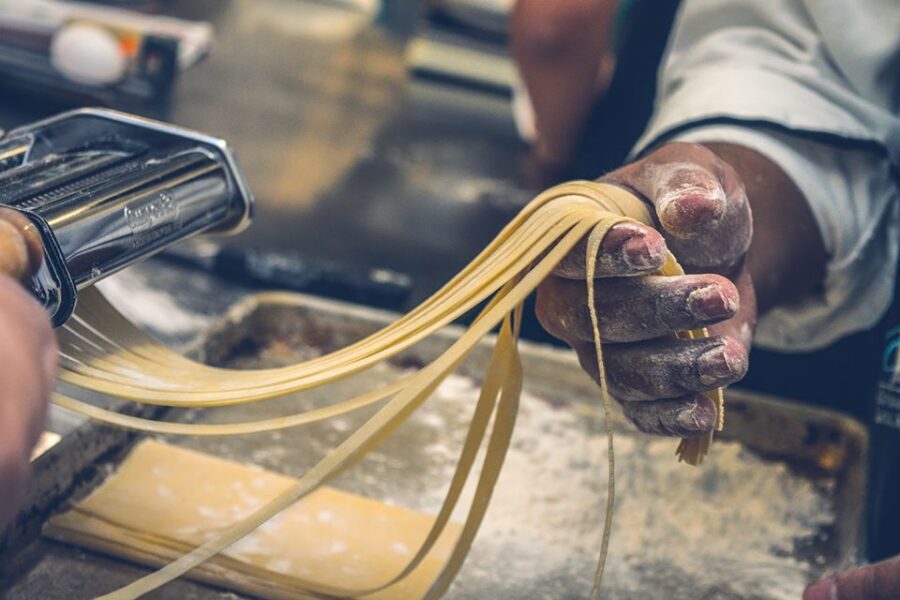
- Chef-led technique you can reuse: flour, dough feel, kneading, rolling, and cutting methods
- Three signature pastas: tagliatelle, pici, and ravioli in one session
- Wine and pantry tastings: local wines plus extra virgin olive oil and balsamic tasting
- Eat what you make: your pasta goes straight into the meal, not a demo you watch from the sidelines
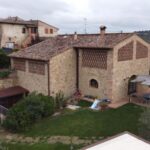
- Family-run Tenuta Torciano setting: a working kitchen experience with scenic Tuscany wine-country views
Where Tenuta Torciano fits into Tuscan food culture
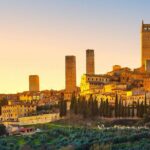
San Gimignano sits in the middle of that part of Tuscany where food is practical and seasonal. This experience lands you in the middle of the real story: flour, hands, and timing. You are not just learning recipes. You’re learning why Tuscan pasta styles differ, even when the ingredients are similar.
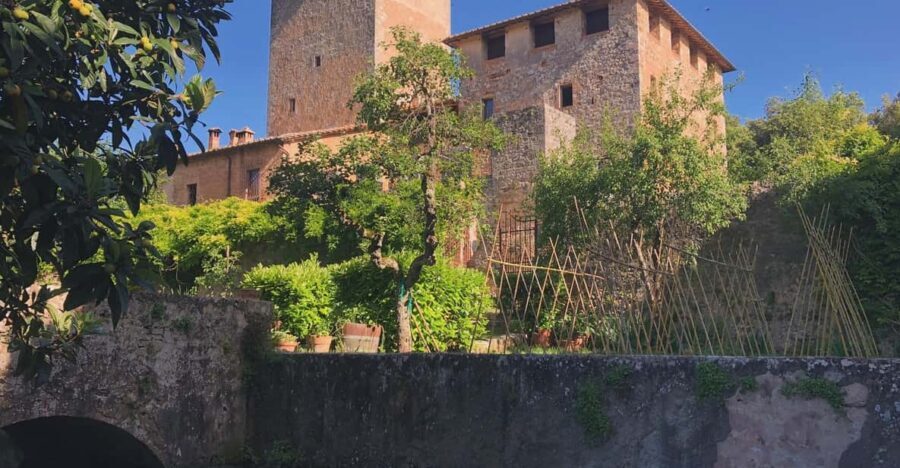
Tenuta Torciano runs the session from a kitchen in their estate. That matters because you get a full workflow. Ingredients come first. Dough comes next. Then rolling, cutting, shaping, and cooking all move as one connected routine. It’s the opposite of a museum-style class where you learn theory but never get your hands dirty.
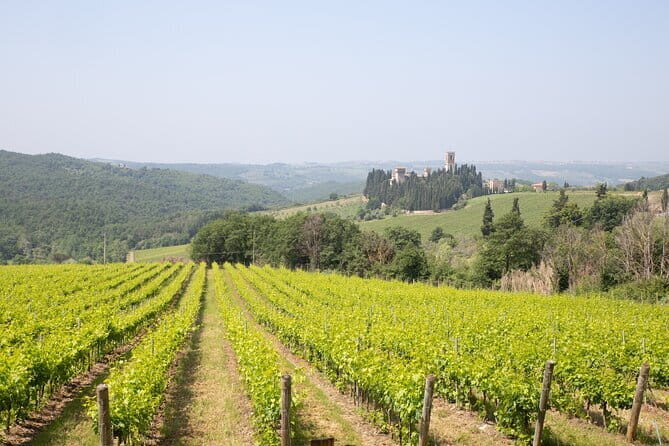
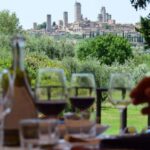
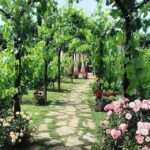
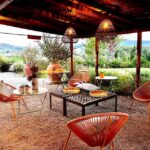
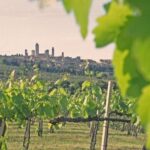
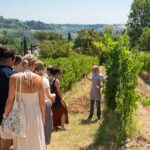
And yes, the setting includes views over Tuscany’s wine country. It’s one of those small but steady bonuses that makes an afternoon feel like an occasion, even though you’re mostly focused on getting pasta right.
Other cooking classes in San Gimignano
The kitchen setup and why it keeps things moving
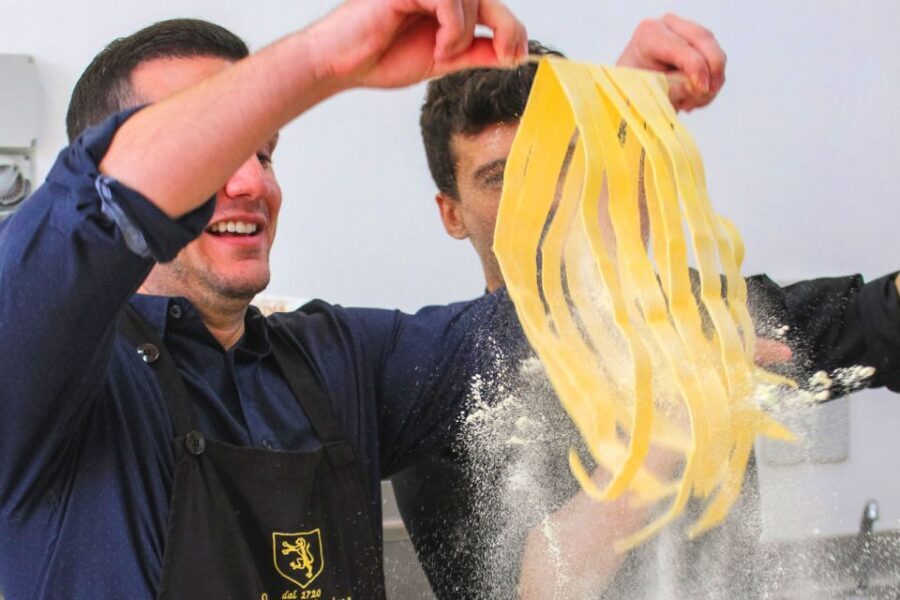
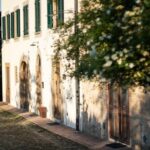
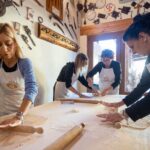
You’ll meet the class at Tenuta Torciano in San Gimignano, in their family-run kitchen. The vibe is friendly and hands-on. The chef is professional and English-speaking, and the structure is designed so you can follow even if you’re a beginner.
The class is led step-by-step, which is exactly what you want. Pasta-making is simple in ingredients, but picky in texture. If you’ve ever tried making dough at home and ended up with something too sticky, too dry, or tearing when you roll it, you’ll appreciate the guidance here.
Pace is the other big factor. The session runs about 3.5 hours total. The pasta portion takes about 120 minutes, then you sit down for about 90 minutes of eating and tasting. The format keeps you from feeling like you’re cooking all day without eating, but it also means you can’t stroll in late and expect the class to slow down.
One more practical note: there’s a separate entrance for this activity, so you should be able to avoid waiting in any general crowds. That’s a small time-saver in a busy Tuscan town.
Learning dough basics: the part most classes skip
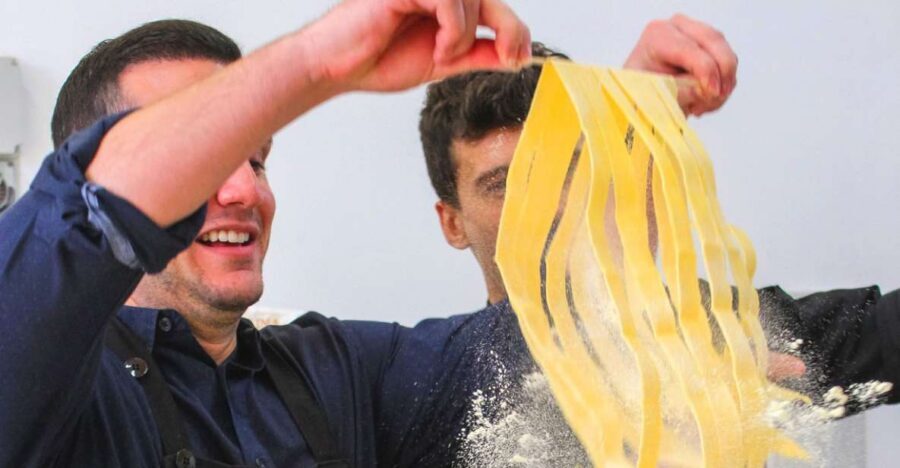
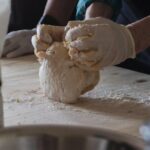
The session starts with ingredients, and that’s a big deal. You’re taught to focus on selecting the right type of flour and using practical tips for a successful dough. That’s not trivia. Flour type affects how the dough hydrates, how it stretches, and how it holds up when you roll it thin.
Then you move into the core physical steps:
- Knead until the dough feels cohesive
- Roll with the right pressure so it becomes workable, not elastic in the wrong way
- Cut and shape so you end up with recognizable results
This matters because Tuscan shapes are not all the same. The class doesn’t just say make pasta. It teaches you to shape specific regional styles, which changes how you handle the dough.
If you learn anything here, I’d hope it’s this: pasta success is mostly texture and handling. Once you understand that, you can repeat the method later at home, even if you don’t replicate every shape perfectly.
Making three pastas in one sitting: tagliatelle, pici, ravioli
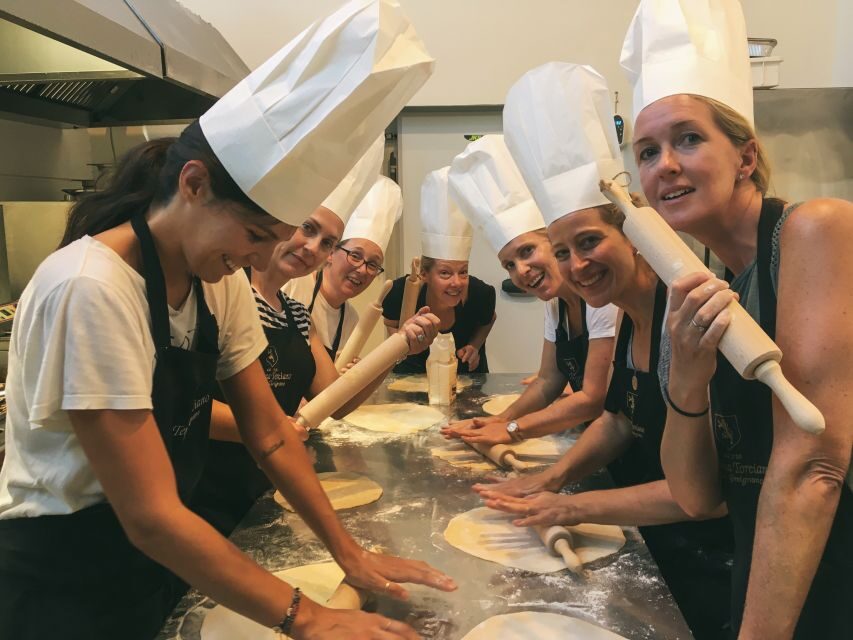
This is the heart of the experience. You prepare three pasta types during the class, and you also eat them afterward as part of your meal.
Tagliatelle: rolling and cutting with confidence
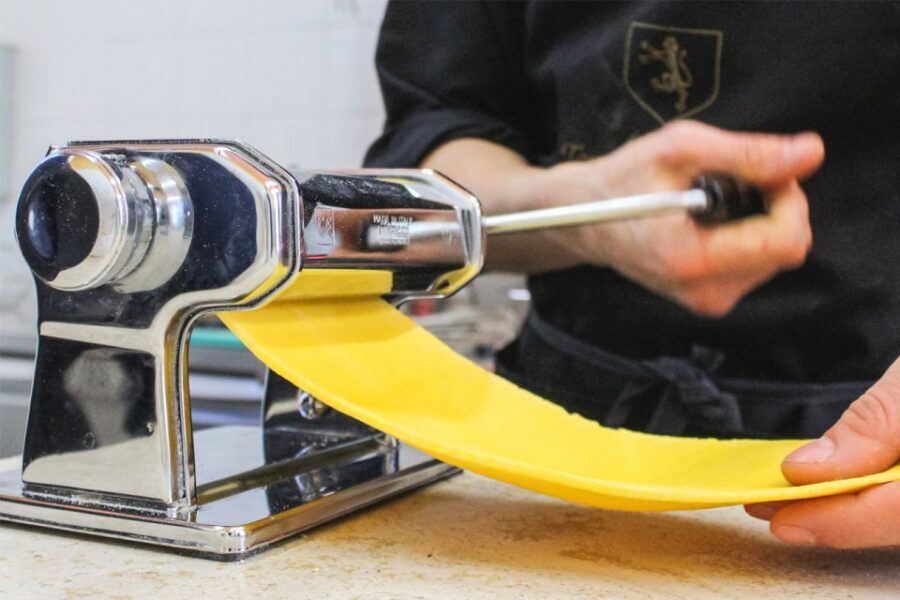
Tagliatelle is the “classic” moment in the process. You’ll practice rolling the dough and cutting strips. The goal is consistency, because uneven thickness affects cooking time and texture. With coaching, you learn how to roll and cut in a way that looks good and cooks evenly.
Other wine tasting experiences in San Gimignano
Pici: the hand-made shape that rewards patience
Pici is a Tuscan long pasta style made by shaping strands. It takes a bit of feel. You learn how to form the strands so they stay pasta-shaped rather than becoming messy dough ropes.
If you’re the type who enjoys doing something with your hands, this is often the most fun part. It’s also a good stress test for your dough texture: if the dough is too dry or too wet, the shaping gets hard fast.
Ravioli: the “teamwork” moment
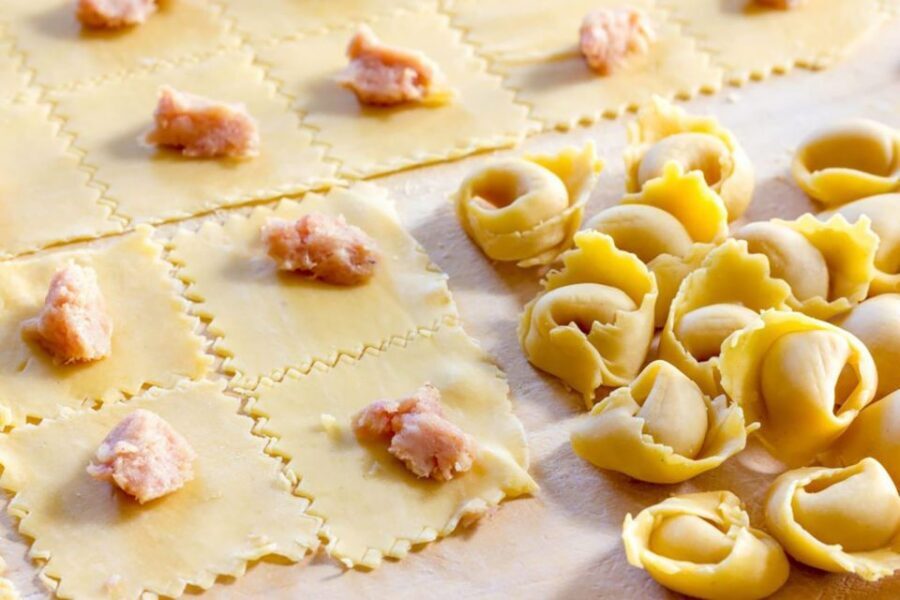
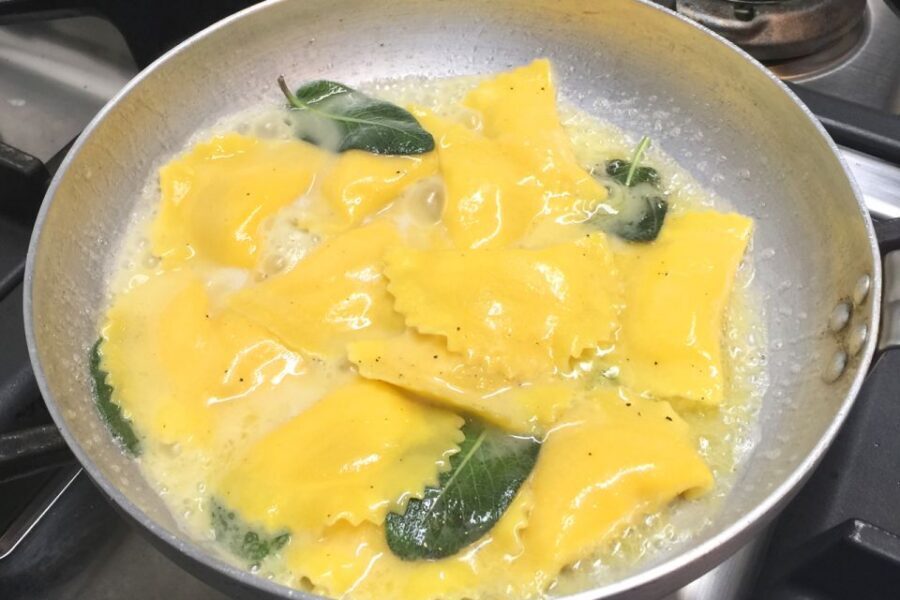
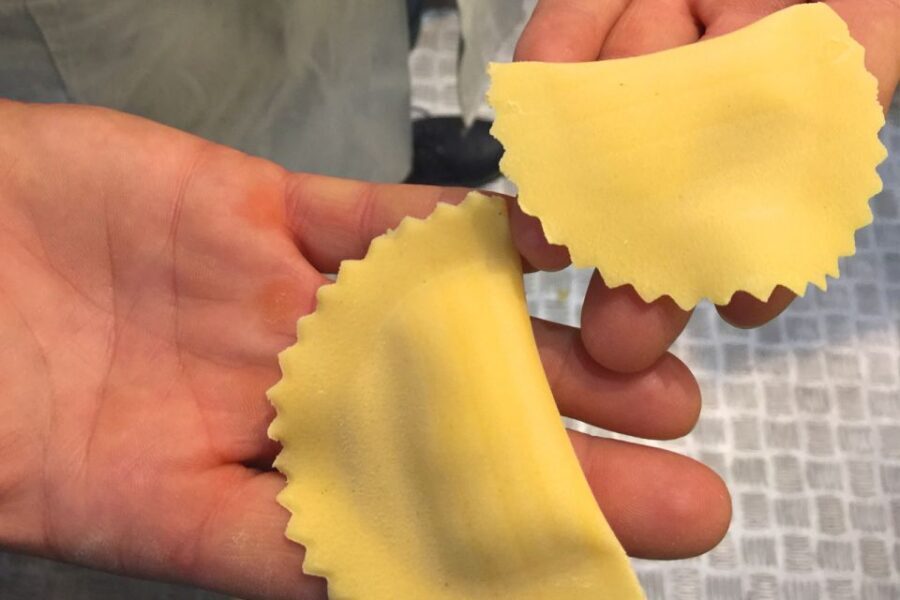
Ravioli asks for precision and care. You learn the mechanics of shaping and likely assembling enough to keep the filling contained and the edges sealed. This is where the class format helps: you can ask questions before you’ve invested too much time into a shape that won’t hold.
Overall, getting tagliatelle, pici, and ravioli in one 120-minute session is what makes this class feel complete. Many cooking classes focus on one style and call it a day. Here, you get a bigger sense of what Tuscan pasta actually means.
How the meal and tasting fit after the work
Once pasta is done, you transition to eating in the Tenuta Torciano kitchen setup. The timing is built in: about 90 minutes for the meal and wine portion.
This part is designed to reward your effort. Instead of eating something unrelated, you sit down with the food you prepared together. That changes how you taste. You’re not guessing whether you did it right. You’re seeing how your dough choices, rolling thickness, and shaping affected the final bite.
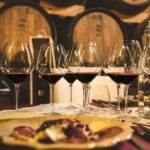
You also get wine pairing in the mix. It’s not just a sip. The tasting is structured so you can sample and compare, and there’s extra flavor context from olive oil and balsamic tastings.
And if you’re worried about keeping the experience “vacation mode,” you’ll likely find that the meal loosens the focus from technique to enjoyment. Still, it stays connected to what you made, which is the point.
The Tuscan wine tasting: what’s included and how to enjoy it
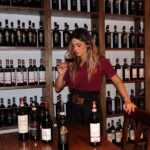
This is a local wine-and-food session tied to Tuscan flavors. You’ll taste local wines along with extra virgin olive oil and balsamic vinegar. That trio gives you a real sense of the region’s pantry logic: richness, acidity, and aromatic depth.
A useful way to taste is to slow down between sips and bites:
- Start with the wine, then notice how the pasta changes what you perceive
- Add olive oil and pay attention to how it affects mouthfeel
- Use balsamic to feel the shift in sweetness and acidity against the savory pasta
If you’re a wine fan, you’ll appreciate that wine stays part of the experience while you eat. One of the best signs from past participants is that the wine keeps showing up in glasses during the meal, not only at the start.
You also get dessert wine later, so the tasting doesn’t stop at dinner. It rounds out the session nicely.
What you actually eat: menu details you can plan around
Here’s what’s on the meal menu, split into courses:
Appetizer
- Tuscan cheeses and cold cuts
- Bruschetta
First course
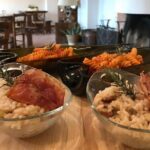
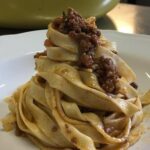
- Three types of pasta you prepared together: tagliatelle, pici, and ravioli
Dessert
- Cantuccini biscuits
- Dessert wine
This menu is very Tuscan in its structure: savory start, pasta centerpiece, sweet finish. The practical benefit for you is predictability. You know you’ll get a real meal, not just a small tasting plate after cooking.
Dietary needs: the class is family-friendly and meant to work for different skill levels. If you have specific dietary requirements like gluten-free, vegan, vegetarian, or eggless pasta, you can request accommodations. You’ll want to communicate your needs ahead of time so the kitchen can plan properly.
Timing, strict starts, and the one thing to watch
This experience has a hard rhythm. It’s a 3.5-hour block, with pasta taking about 120 minutes and the meal and tasting about 90 minutes. The rules are strict on delays, and late arrivals can trigger cancellation policy immediately.
In plain terms: show up on time and be ready to work with your hands. Pasta does not wait for your schedule.
One more heads-up from how the session can play out: if your start time slips, it can affect flow and clarity. In a group with multiple couples, it’s possible for serving to feel slightly mixed up by the end of the meal. That doesn’t ruin the overall experience, but it’s the sort of thing that only happens when timing gets messy.
If you want the smoothest experience, treat it like a reservation at a good restaurant: be punctual, follow the schedule, and don’t try to stack it with other plans right before.
Price and value: is $164.26 per person fair?
At $164.26 per person, this isn’t a bargain. But it’s not priced like a casual event either.
Here’s what you’re paying for:
- A chef-led, hands-on pasta-making class with step-by-step instruction
- Preparation of three different pasta shapes
- A full lunch or dinner made from what you cook
- Wine, plus extra virgin olive oil and balsamic tasting
- Tips and taxes included
- A chef who teaches in English (and the instructor is Italian and English)
When you add up a cooking lesson plus a hosted meal plus wine tastings, the price starts to make sense. The key value is not the meal alone. It’s the connection between technique and dinner. You’re learning skills and then tasting them immediately.
The best value is when you enjoy both cooking and eating. If you only want a wine tasting or only want to watch cooking, you might find this costs more than you need. If you like hands-on experiences where food becomes your souvenir, it’s strong value.
Also, lunch or dinner is offered, which can help you fit it into your itinerary without sacrificing the full experience.
Who should book this pasta and wine class in Tuscany
This fits best if:
- You want a hands-on Tuscan food experience, not just a tasting
- You enjoy technique-focused classes, especially dough and pasta shaping
- You like pairing food with local wine in a casual, hosted setting
- You’re traveling with a partner or small group who enjoys food as an activity
It may be less ideal if:
- You’re very time-flexible and hate strict start times
- You only want a scenic winery tour, because an estate or vineyard tour isn’t included
- You have complicated dietary needs and haven’t had a chance to coordinate accommodations in advance
If you’re on the fence, think about what you’ll remember next year. For most people, the memory is not the menu. It’s the hands-on moment of shaping pasta that shows up on your plate minutes later.
Should you book Tenuta Torciano’s pasta class?
I’d book this if you want a practical, memorable Tuscan food evening where you learn real skills and then get rewarded with a full meal and wine tasting. The combination of three pasta types, a professional chef, and a hosted Tuscan menu makes it feel complete for the time you spend.
Skip it (or at least adjust your expectations) if you’re mainly chasing a vineyard tour or you know you won’t be punctual. This experience runs on schedule, and the kitchen format is built around that rhythm.
If you do book, do one simple thing: plan your day so you arrive ready to cook and eat, not rushed. You’ll taste more, enjoy more, and probably laugh a little when your first strip of tagliatelle looks like it has its own personality.
FAQ
What pasta types will I make in the class?
You’ll prepare three pasta shapes: tagliatelle, pici, and ravioli.
Is the cooking class private?
The experience is described as a private pasta-making class, led by a professional chef.
Will the meal include what I cook?
Yes. After the pasta-making, you’ll sit down for lunch or dinner that includes the three pasta dishes you prepared together.
What’s included in the wine tasting?
The experience includes a tasting of local wines, along with tasting extra virgin olive oil and balsamic vinegar.
Can the class accommodate dietary needs?
Yes. If you have specific dietary requirements such as gluten-free, vegan, vegetarian, or eggless pasta, you can let them know so they can accommodate.
How long does the full experience take?
The total duration is about 3.5 hours, with roughly 120 minutes for the pasta class and 90 minutes for the meal and tasting.
Is transportation included?
No. Pick-up and drop off are not included.
What happens if I arrive late?
There is a strict rule: no delay is allowed, and if you are late the administration will implement the cancellation policy immediately.
What’s included in the price?
The price includes the class with a professional chef, the meal (lunch or dinner), the wine and tastings, and tips and taxes.