REVIEW · SAN GIMIGNANO
Golden Grains & Gourmet Pasta Cooking Class
Book on Viator →Operated by Podere La Marronaia- Sosta Alle Colonne · Bookable on Viator
Golden Grains & Gourmet Pasta is the kind of class that starts with flour. You’ll mill organic grains yourself, then turn that work into dinner in a countryside kitchen with serious views. I love the hands-on rhythm here, especially the way the chef walks you from grain to dough without making it feel intimidating.
Two things stand out right away. First, the class includes grinding three kinds of organic grains using the estate’s table mill, so you feel the difference from the very start. Second, the teaching style is patient and practical, and Chef Leonardo is specifically praised for helping beginners. One consideration: at about 3 hours and priced at $378.16 per person, this is for people who want to participate and eat the results, not just watch.
In This Review
- Quick hits at a glance
- Grain-first pasta at Podere La Marronaia
- Arrival: vineyards, olive groves, and a rustic kitchen
- Chef Leonardo teaches classic Tuscan pasta shapes
- Sauces, bruschetta, and eating what you cook
- Wine, olive oil, and balsamic tasting with meaning
- San Gimignano timing and getting there without stress
- Price and group size: where your money goes
- Who this class fits best (and who should skip)
- Should you book Golden Grains & Gourmet Pasta?
- FAQ
- How long is the Golden Grains & Gourmet Pasta cooking class?
- Where does the class start?
- Will I return to the starting meeting point afterward?
- What will I do during the class?
- Is it beginner-friendly?
- Is there wine and olive oil tasting included?
- How large are the groups?
- Do I receive a mobile ticket?
- When will I receive confirmation after booking?
- Is free cancellation available?
Quick hits at a glance
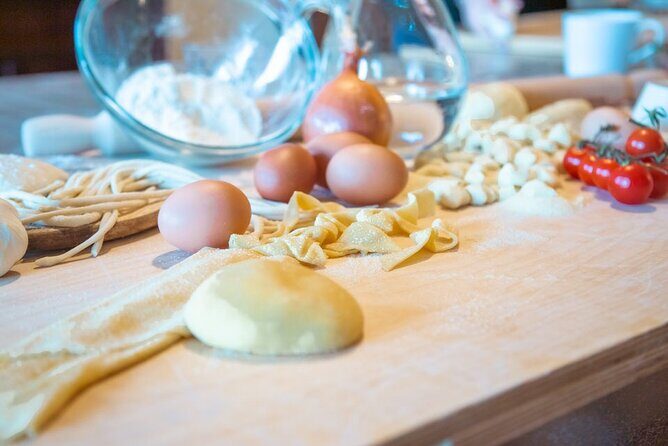
- Table-milled organic grains: you start with flour you made yourself
- Small group (max 6): more hands-on time, less waiting
- Chef Leonardo’s beginner-friendly pace: you shape pasta with confidence
- Estate tasting included: organic/biodynamic wines, extra-virgin olive oil, balsamic vinegar
- Views from the valley: you eat while looking out at San Gimignano
- Walkable from town center: meeting spot is close to where you’re likely staying
Grain-first pasta at Podere La Marronaia
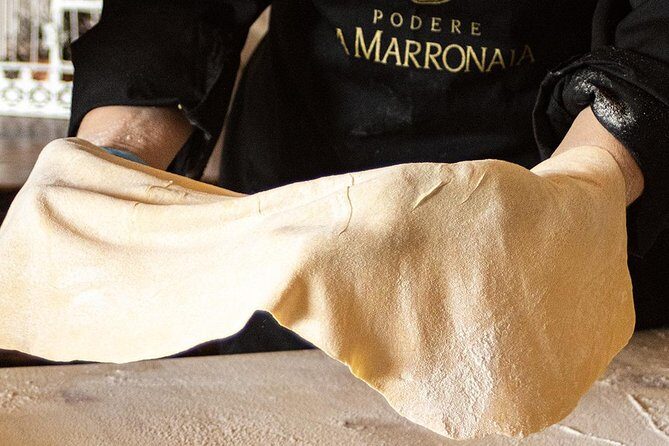
This is not a sit-and-stare pasta class. Your day begins with an actual prep step that most food tours skip: milling. You’ll use the estate’s table mill to grind three different kinds of organic grains, and that early moment matters because it changes how the dough behaves. Freshly milled flour can feel more alive under your hands, and you’ll notice the texture while kneading and rolling.
As you move from milling to dough work, you learn classic technique in a way that sticks. You’re not memorizing a recipe you’ll forget on the plane. You’re practicing skills you can repeat later: how to bring dough together, how to roll it to a consistent thickness, and how to shape it so it cooks evenly.
I also like that this approach connects the dots for you. Tuscany isn’t just about pasta on a plate. It’s about the ingredients and the labor behind them, and starting with grain makes that real. If you enjoy understanding where food comes from, you’ll feel satisfied here.
Other cooking classes in San Gimignano
Arrival: vineyards, olive groves, and a rustic kitchen
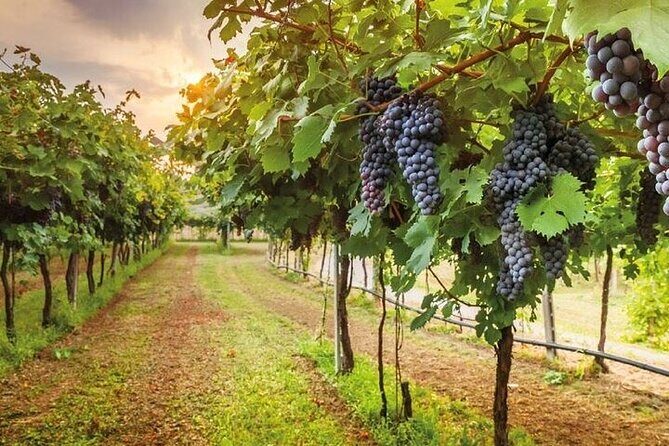
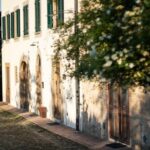
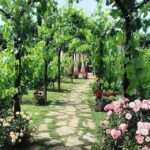
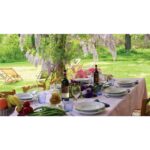
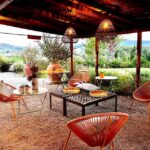
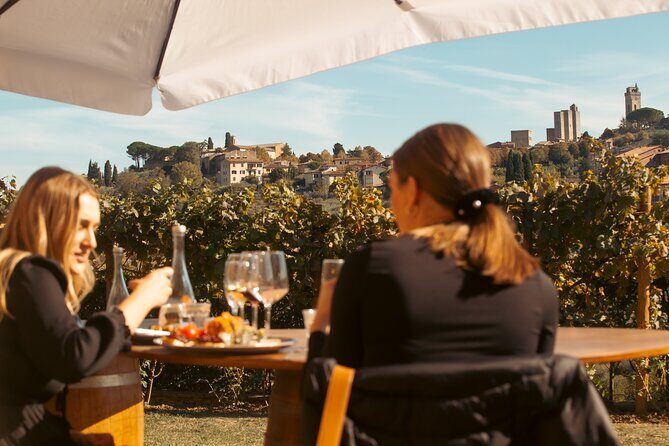
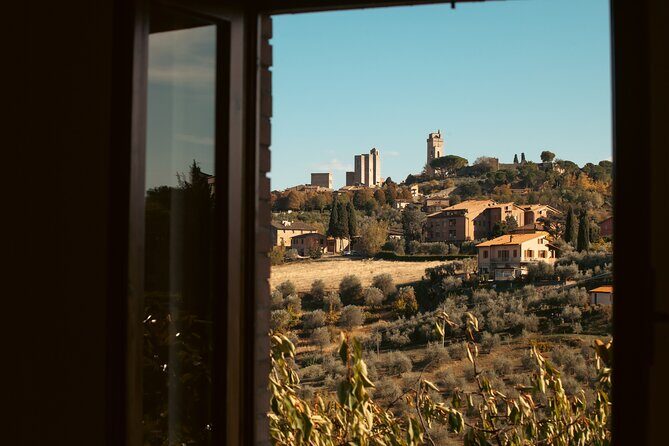
You meet at Via Martiri di Citerna, 2 in San Gimignano. From there, you walk to the family estate kitchen, and the setting does a lot of the work for you before you even touch dough. Expect a rustic kitchen surrounded by vineyards and olive groves, with the kind of valley view that makes people slow down and look up.
Because it’s a family-owned place, the welcome doesn’t feel scripted. You’ll spend time with the hosts and chefs, and they share stories about Tuscan culinary traditions along the way. That matters more than it sounds. When a lesson includes context—why certain shapes pair well with certain sauces, why local ingredients show up again and again—you end up cooking smarter, not just faster.
Practical note: the activity ends back at the meeting point, so you’re not stuck planning separate transport. That also makes it easier to keep the rest of your day simple. Plan for a calm afternoon after, since you’ll be fed and you’ll likely want to take a few photos with the view.
Chef Leonardo teaches classic Tuscan pasta shapes
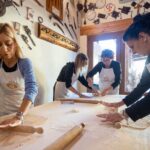
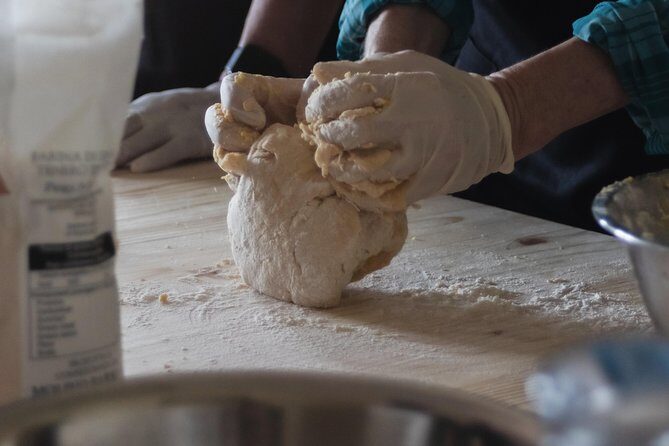
Once you’re in the kitchen, the focus stays on technique. Guided by expert chefs, you’ll make traditional Tuscan pasta from scratch. The hands-on sequence is clear: kneading, rolling, and shaping different varieties. Even if you’re a total novice, the class format supports learning-by-doing rather than performance-by-doing.
Chef Leonardo is singled out in feedback for his patience with first-timers. That’s a big deal in a cooking class, because pasta can turn frustrating fast if the teacher expects you to already know what dough should feel like. Here, the pace is built for learning, and the small group size helps. With a maximum of 6 travelers, you’re less likely to feel like you’re on a conveyor belt.
This is where I think the class delivers its best value. You’re getting more than ingredients and instructions. You’re building muscle memory for basic pasta work—how to roll without tearing, how to shape so it holds sauce, and how to work with the dough while it’s still workable. When you leave, you don’t just have a full stomach. You have new confidence.
Sauces, bruschetta, and eating what you cook
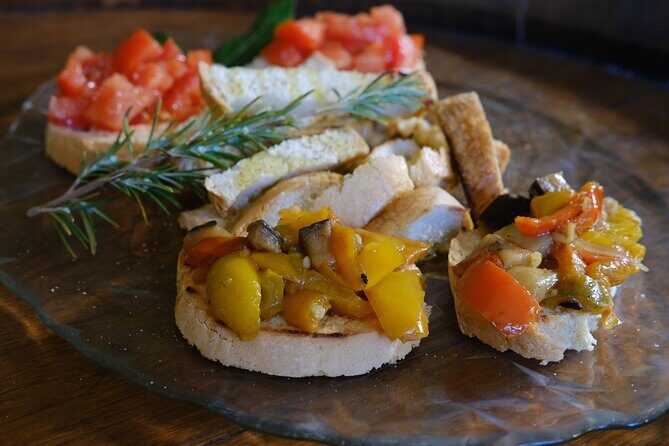
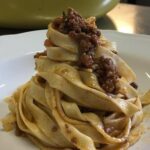
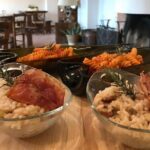
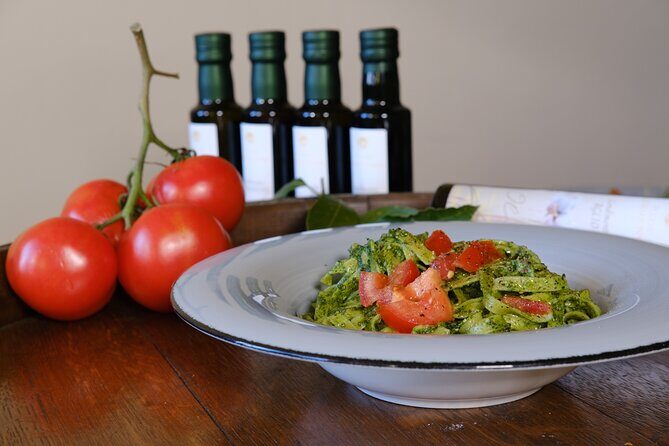
Pasta is only half the story here. You’ll also prepare authentic sauces using fresh, local ingredients, and the goal is to cook a complete meal, not just practice shapes. Part of what makes the class satisfying is that you eat what you make. You’ll sit down in the charming estate setting and enjoy your handmade dishes.
One extra detail that shows up clearly in feedback: you also get help making bruschetta alongside the pasta. That turns the class into a more well-rounded Tuscan dinner, and it gives you another way to use local ingredients beyond the pasta bowl.
For many people, the most memorable moment is the first bite after your own work. It’s not just the flavor (though you’ll get plenty of that). It’s the sense of accomplishment. You’ll know why the pasta texture feels right, and you’ll understand how the sauce clings based on how you shaped the noodles.
A small caution: since the class is hands-on, be ready to stay engaged for the full session. If you’re hoping for lots of downtime or a purely observational tour, this isn’t that style.
Wine, olive oil, and balsamic tasting with meaning
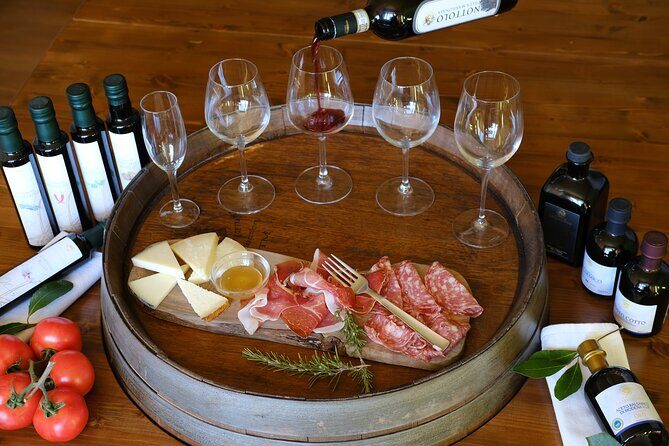
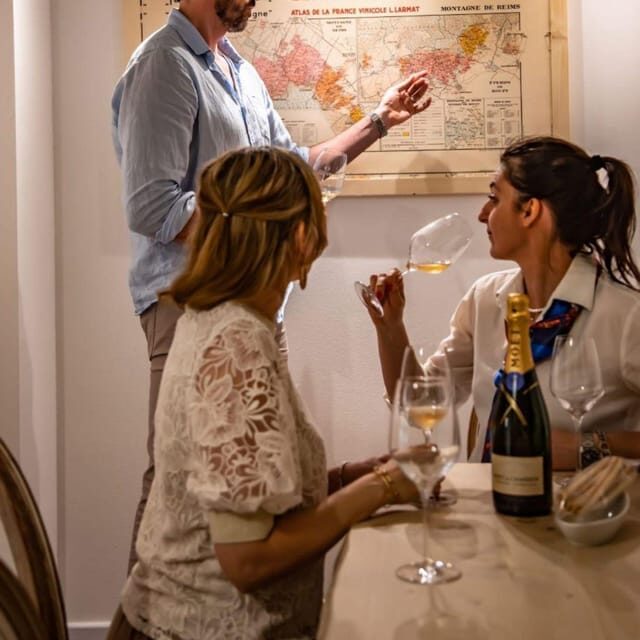
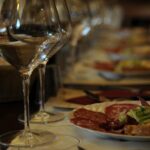
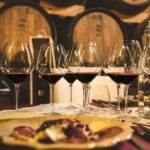
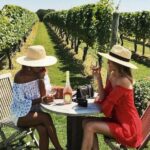
After cooking, you shift from production mode to enjoyment mode. You’ll relax and enjoy a tasting that includes the estate’s organic and biodynamic wines, along with extra-virgin olive oils and balsamic vinegar.
What makes this part feel worthwhile is that it’s tied to what you just cooked. You’re not tasting randomly. You’re trying flavors in the context of your meal, so you can connect taste to ingredients and technique. The olive oil is especially helpful for understanding the difference between something poured on top and something built into the experience.
If you like wine tastings, you’ll appreciate that this is not just about drinking. It’s about understanding pairing and balance. Take small sips. Pause between bites. Notice how the oil and vinegar brightness can change how a sauce tastes. Even if wine isn’t your main interest, the oils and balsamic can teach your palate a lot.
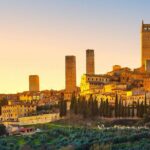
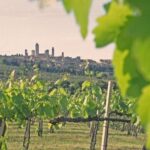
And yes, this is the part where the views from the valley tend to steal attention again. You’ll enjoy your dinner with San Gimignano in the distance, which turns a cooking class into a proper Tuscan moment.
Other cooking classes in San Gimignano
San Gimignano timing and getting there without stress
The class runs for about 3 hours, and that length is honestly ideal for a day in San Gimignano. You get enough time to learn the steps, cook, eat, and do the tasting without losing your whole afternoon. It also keeps things flexible if you’re planning other activities in town.
You’ll start at Via Martiri di Citerna, 2, and the experience ends back at the meeting point. That loop is practical. It means you’re not hunting down a taxi afterward or planning a second transfer.
Also, the location is close to the historic center—described as a short walk—so you’re not stuck on the far edge of the countryside with no way back. The meeting area is also near public transportation, which is helpful if you’re juggling other stops in the region.
Finally, you’ll receive a confirmation message within 48 hours of booking, and you’ll use a mobile ticket. I like this kind of setup because it reduces paperwork and makes it easier to focus on the fun part: showing up hungry and ready to make dough.
Price and group size: where your money goes

Let’s talk money. At $378.16 per person, this class is not cheap. But it also isn’t just a casual demo. You’re paying for a small group experience (max 6), guided instruction through multiple pasta steps, plus a meal made from your work and a tasting that includes organic/biodynamic wine and estate oils and vinegar.
This is the kind of pricing that starts to make sense when you compare what you get. Many cooking classes include one pasta shape and a couple of bites. Here, you grind grains, learn multiple stages of pasta-making, and build a full dinner experience with tastings. The estate setting and the included view aren’t just decoration either; they’re part of what you’re buying.
Also, it tends to be booked ahead—on average about 23 days in advance—so don’t wait until the last week. If your dates are flexible, you’ll get more options. If they’re fixed, book early and breathe easier.
If you’re the type who loves food technique and wants to take home real skills, you’ll feel the value. If you just want a quick souvenir photo and a light snack, this price will feel steep.
Who this class fits best (and who should skip)
This class is a strong match for people who want to learn by doing. You’ll knead, roll, and shape pasta, prepare sauces, and also make bruschetta. Since it’s described as suitable for all skill levels, you don’t need to arrive with cooking credentials.
It’s also a good fit if you care about ingredients and provenance. Starting with organic grains, using estate tastings, and learning traditional Tuscan methods gives the experience depth without getting fussy. You’ll leave with a better sense of why Tuscan food tastes the way it does.
One more group who should like it: couples or friends who want a more personal class. With a maximum of 6 people, you get attention, not crowd management. Families can also be a fit, since the tone is described as patient and welcoming.
Who might skip it? If you’re traveling on a tight budget, this is a splurge. And if you’re exhausted and want a low-effort meal out, you’ll be happier with a restaurant. This experience is active, and the payoff comes from participating.
Should you book Golden Grains & Gourmet Pasta?
I’d book this if you want a real Tuscan cooking lesson, not a quick tasting. The table-milled grains, the hands-on pasta shaping, and the way Chef Leonardo supports beginners make this feel built for learning. Add the estate wines and olive oil tasting, plus a meal you cooked yourself, and it stops being just a class. It becomes a full evening in miniature.
If you’re on the fence, check one thing: are you excited to get your hands involved? If yes, this is a smart use of money. If not, you’ll likely feel the price more than the pleasure. For the hands-on food people, though, it’s exactly the kind of experience that sticks with you after you leave Tuscany.
FAQ
How long is the Golden Grains & Gourmet Pasta cooking class?
It lasts about 3 hours.
Where does the class start?
The meeting point is Via Martiri di Citerna, 2, 53037 San Gimignano SI, Italy.
Will I return to the starting meeting point afterward?
Yes. The activity ends back at the meeting point.
What will I do during the class?
You’ll learn to craft traditional Tuscan pasta from scratch, including milling organic grains, kneading, rolling, and shaping pasta, plus making sauces and preparing dishes to eat.
Is it beginner-friendly?
Yes. The experience is suitable for all skill levels, and the instruction is designed to be hands-on.
Is there wine and olive oil tasting included?
Yes. After cooking, you’ll enjoy a tasting of the estate’s organic and biodynamic wines, extra-virgin olive oils, and balsamic vinegar.
How large are the groups?
The class has a maximum of 6 travelers.
Do I receive a mobile ticket?
Yes, it includes a mobile ticket.
When will I receive confirmation after booking?
Confirmation is received within 48 hours of booking, subject to availability.
Is free cancellation available?
Yes. You can cancel up to 24 hours in advance for a full refund.