REVIEW · SAN GIMIGNANO
Family Tuscan Cooking Class
Book on Viator →Operated by Podere La Marronaia- Sosta Alle Colonne · Bookable on Viator
Your hands smell like real Italy. In this San Gimignano family Tuscan cooking class, you cook in a rustic farm kitchen, then sit down to eat what you made with organic and biodynamic wine plus olive oil tastings. I especially liked the hands-on pace (you’re not just watching) and the fact that it spans savory cooking and dessert. One thing to consider: there’s no private transportation, so you’ll want to plan how you get to the meeting point.
This is designed for mixed ages and skill levels. You’ll start with a quick family-farm introduction, then get into the food: a Tuscan cake later, three different bruschetta with seasonal veg, and scratch pasta including Pici and ricotta gnocchi. The group is kept small (max 6), and the class runs in English, which makes it easy to follow without getting lost in Italian-only explanations.
In This Review
- What Makes This San Gimignano Tuscan Cooking Class Worth Your Time
- Arriving in San Gimignano and Finding the Right Spot
- Inside the Rustic Tuscan Kitchen: How the Class Starts
- Dessert First: Baking a Typical Tuscan Cake (Then Waiting Like a Pro)
- Bruschetta Workshop: Three Varieties, Seasonal Vegetables, Real Flavor
- Fresh Pasta, Tuscan-Style: Pici and Ricotta Gnocchi From Scratch
- Pici: The Hand-Rolled Tuscan Classic
- Ricotta Gnocchi: Soft, Light, and Technique-Driven
- Tuscan Pasta Sauce: The Part You’ll Actually Reuse
- The Meal at the Table: What You Eat and How Wine Fits In
- What the meal includes
- The big “value” angle here
- Instructor Energy and the Family-Farm Feel (Without the Show)
- Price and Value: Is $224.76 Per Person a Good Deal?
- Who This Tuscan Cooking Class Fits Best
- A Quick Practical Plan for Your Day
- Should You Book This San Gimignano Cooking Class?
- FAQ
- How long is the Family Tuscan Cooking Class?
- Where does the class take place?
- Is the class offered in English?
- What group size is this cooking class?
- What do I cook during the class?
- What’s included in the meal?
- Is wine or olive oil tasting included?
- Is there bottled water included?
- Can I bring a service animal?
- What’s the cancellation policy?
What Makes This San Gimignano Tuscan Cooking Class Worth Your Time
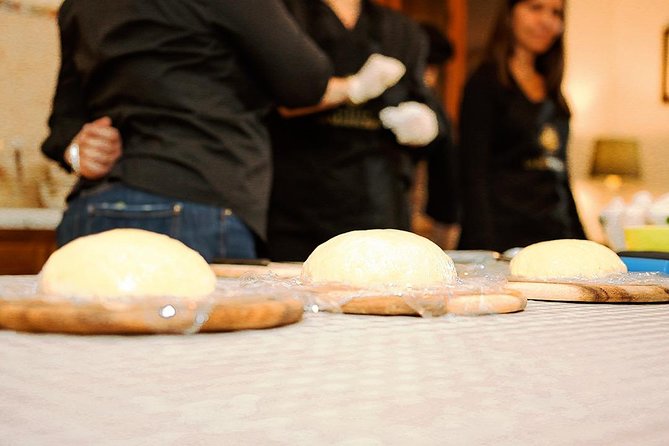
- Small group energy (max 6) means more attention while you’re making pasta and sauces.
- You cook multiple courses, from bruschetta to fresh pasta, not one “demo dish.”
- True Tuscan focus with Pici and ricotta gnocchi—recipes you can actually try again at home.
- Organic and biodynamic pairings: wine tasting and EVO oil tastings are part of the meal, not a side show.
- Dessert plus savory: the class includes baking a typical Tuscan cake for later and ends with dessert at the table.
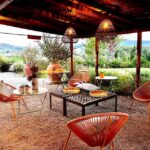
- Photo-friendly countryside kitchen vibe, so you’re not stuck indoors with just a counter and a cutting board.
Arriving in San Gimignano and Finding the Right Spot
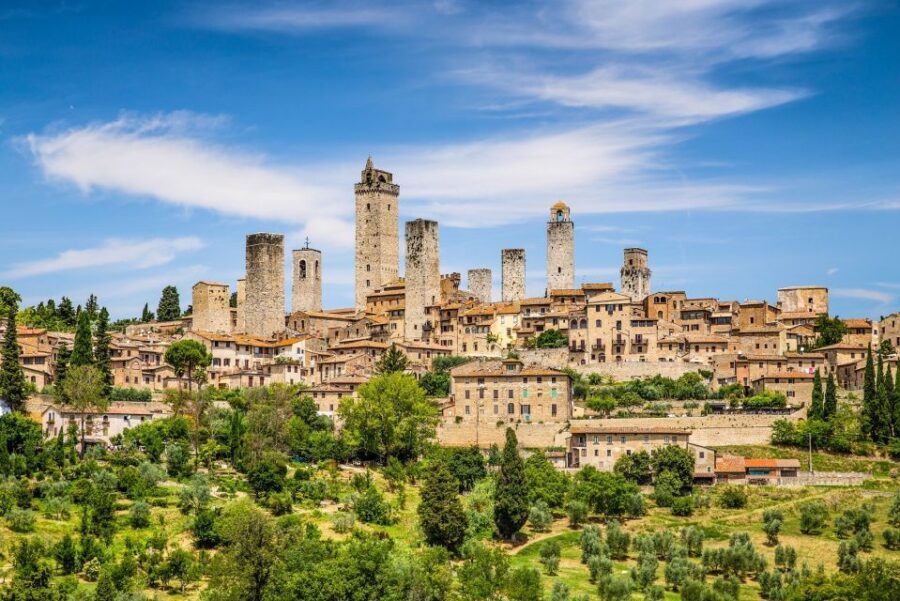
The meeting point is Via Martiri di Citerna, 2, 53037 San Gimignano SI, Italy, and the experience ends back there. That matters because you’re not trying to coordinate a long pickup/drop-off chain after a full tasting meal.
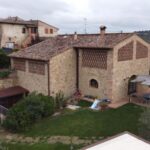
Also, this is a cooking class tied to a specific family operation (Podere La Marronaia- Sosta Alle Colonne). That’s a good sign. When the experience is rooted in one farm and one kitchen setup, you usually get a smoother flow, clearer ingredient stories, and less “tour bus day” feeling.
And because private transportation isn’t included, I’d plan to arrive a bit early, or have a simple plan for getting back to town afterward. You’re dealing with a 3-hour experience, so the easiest day is one where transport is boring and predictable.
If you're still narrowing it down, here are other tours in San Gimignano we've reviewed.
Inside the Rustic Tuscan Kitchen: How the Class Starts
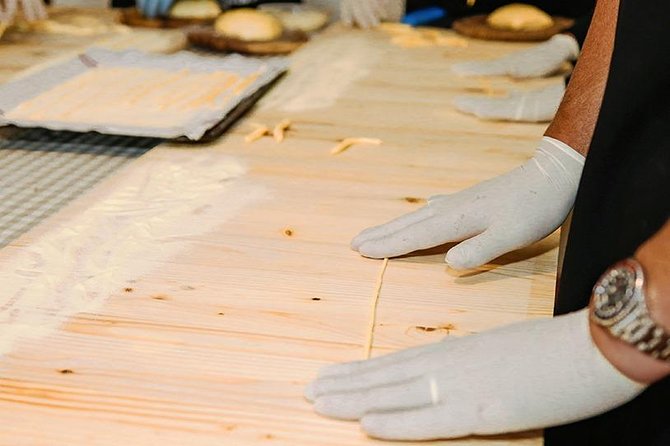
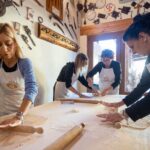
You step into a rustic Tuscan kitchen and it’s structured to get you working quickly without feeling rushed. Expect a short introduction to the family farm’s history and production methods. Even if you’re not a “farm-nerd,” this part helps you understand why the ingredients taste the way they do. You learn that the class isn’t just about recipes; it’s about how they grow, produce, and keep quality consistent.
Then you switch gears to cooking. The timing is thoughtful:
- You bake a typical Tuscan cake first, meant for you to enjoy later.
- You move into savory prep and build up your meal step by step.
I like classes that teach in sequence because it builds your confidence. You’re not thrown straight into pasta dough with no idea what texture “should” look like.
Dessert First: Baking a Typical Tuscan Cake (Then Waiting Like a Pro)
The class starts with dessert baking: a typical Tuscan cake to enjoy later. That detail sounds small, but it changes the whole rhythm. While the cake bakes, you’re not just standing around—you’re working on savory components, then you return to dessert when it’s ready.
This is also practical for your future self. Baking early means you’ll see how timing works in a real kitchen workflow. You learn that kitchen success isn’t only about skill; it’s about timing and order.
And later, you’ll have dessert as part of the meal experience. The included list mentions tiramisù, and the sample menu labels dessert as dessert, so you’ll get a sweet finish at the table.
Bruschetta Workshop: Three Varieties, Seasonal Vegetables, Real Flavor
Next comes bruschetta. You’ll prepare three different types using fresh, seasonal vegetables. And the starter meal includes four kinds of bruschetta plus Tuscan cold-cuts and cheeses.
That’s a key point for value. Some cooking classes teach one bruschetta variation, then serve it. Here you’re doing multiple styles, and the table includes an expanded bruschetta selection. You’re learning techniques and also tasting variety.
What I like about this part is how it anchors your Tuscan flavor memory:
- Seasonal vegetables keep things tasting current, not “everything tastes the same red sauce” style.
- Bruschetta is hands-on: chopping, assembling, timing, and tasting.
- It’s forgiving enough for beginners, but still rewarding if you cook at home.
If you’re the type who always wants the tomato-and-garlic basics but never nails the balance, this portion is a good place to train your palate.
Fresh Pasta, Tuscan-Style: Pici and Ricotta Gnocchi From Scratch
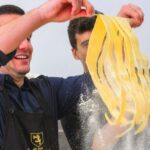
The main event is pasta-making. You’ll craft Pici and ricotta gnocchi from scratch and learn to prepare a Tuscan pasta sauce.
Two pasta types in one class is ambitious for a roughly 3-hour schedule, which tells me the pace is designed for active participation. This is where the small group matters. When you’re making dough and shaping, you need quick checks—too sticky, too dry, too thick, too thin. In a group of up to 6, you’re more likely to get the right kind of corrections without waiting forever.
Pici: The Hand-Rolled Tuscan Classic
Pici is chewy, rustic, and forgiving once you understand the shape and thickness. You’ll likely focus on consistency: how the dough handles and how the strand should feel as you work. If you’ve only cooked store-bought spaghetti, you’ll notice the difference immediately when it hits the sauce.
Ricotta Gnocchi: Soft, Light, and Technique-Driven
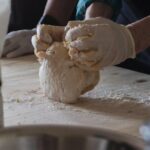
Ricotta gnocchi require a careful touch. Ricotta can make dough sticky, so you’re learning the practical side of gnocchi—how to handle texture, not just follow a recipe. Even if you don’t leave with exact measurements that you’ll use like a robot, you’ll leave with a much better feel for what the dough should look and feel like.
Tuscan Pasta Sauce: The Part You’ll Actually Reuse
Sauce can be the most repeatable thing you learn at home. You’ll prepare a Tuscan pasta sauce as part of the class, and then you’ll eat it paired with the meal courses. The real win here is that you’re not just tasting sauce—you’re building it with the same hands that shaped the pasta.
For home cooks, that’s priceless. You’ll know what you did and why it worked, which makes it easier to reproduce the dish later.
The Meal at the Table: What You Eat and How Wine Fits In
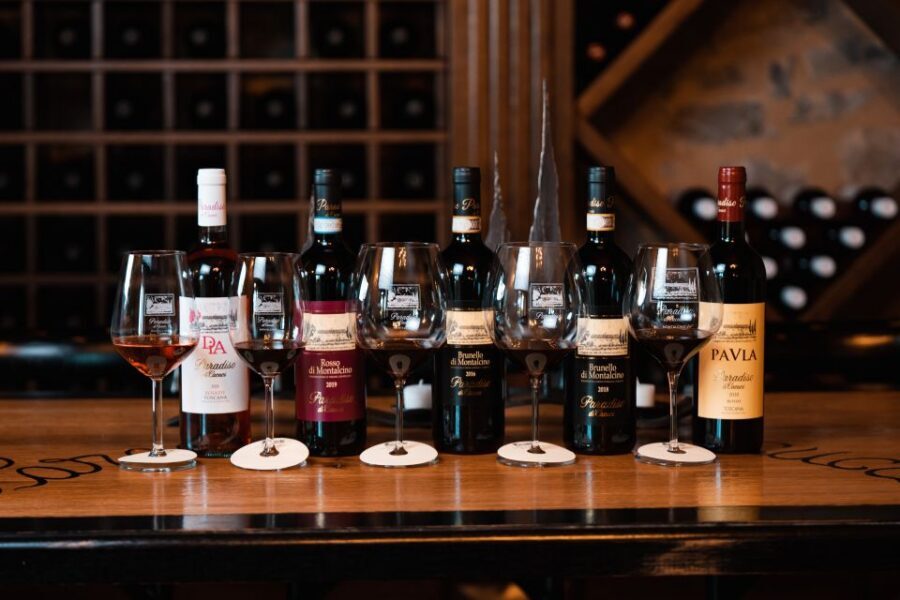
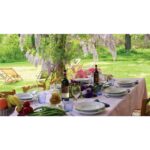
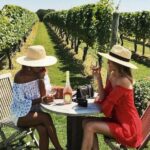
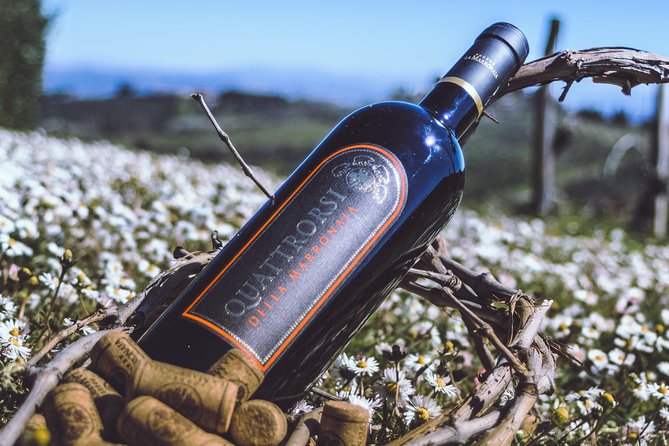
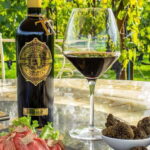
After cooking, you sit down to enjoy the meal you created. The courses are paired with different organic and biodynamic wine from the vineyards, and you also get organic wines and EVO oils tastings.
That pairing detail is more than fancy branding. It changes the tasting experience because wine and olive oil act like flavor amplifiers. The right pairing can make simple ingredients taste deeper, and the oil tasting helps you understand quality. When you taste EVO oil alongside wine, you start thinking about fruitiness, bitterness, and how each one holds up on food.
What the meal includes
Based on the menu and included list, expect:
- A starter spread with four kinds of bruschetta, plus Tuscan cold-cuts and cheeses.
- Main pasta courses featuring the pasta you made and Tuscan sauces.
- Dessert (the included list explicitly mentions tiramisù).
- Bottled water.
The big “value” angle here
You’re getting the ingredients, instruction, and a full sit-down meal with tastings. In other words, you’re paying for an entire experience day, not just a class where you stand in the corner and nibble one small bite.
And the reviews back up that the wine and olive oil tastings land well. People highlight how amazing those components are, and the class feels fun across ages—from early adulthood through senior travelers.
Instructor Energy and the Family-Farm Feel (Without the Show)
One theme that comes through is the instructor/chef approach: friendly, supportive, and focused on helping everyone cook successfully. That matters because pasta-making can intimidate people. When instruction is clear and the group stays small, you feel like you’re learning, not being graded.
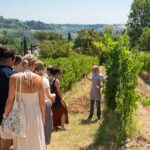
You also get that family-farm touch. You hear about the farm’s production methods and history, and you eat food that fits the same operation’s ingredient logic. This is what keeps it from feeling like a generic “touristic cooking class.”
And yes, you should expect a relaxed vibe. You’ll be in a rustic kitchen, cooking, tasting, and eating. It feels like a real day of food work, not a staged performance.
Price and Value: Is $224.76 Per Person a Good Deal?
At $224.76 per person for about 3 hours, this isn’t a budget activity. But you’re not just paying for recipes. You’re paying for:
- A hands-on class where you actively make pici and ricotta gnocchi.
- Multiple courses at the table (bruschetta starter, homemade pasta mains, dessert).
- Organic and biodynamic wine pairing across the meal.
- EVO oil tasting alongside wines.
- A small group capped at 6.
- Bottled water and the overall meal structure.
If your ideal cooking class is one you can actually repeat at home, this is the kind of day that gives you more “transferable skills” than a class that teaches one dish. I’d also call out that people love it because it works for a wide age range, which usually means the teaching style is approachable and patient.
Who This Tuscan Cooking Class Fits Best
This works great if you:
- Want a hands-on cooking class in the Tuscan area, not a quick tasting.
- Like to eat what you cook, with wine and olive oil included.
- Are curious about Tuscan specifics like Pici and ricotta gnocchi.
- Prefer a smaller group experience with clearer guidance.
It may be less ideal if:
- You need a fully private, one-on-one class.
- You don’t drink wine. Wine tasting is part of the experience, so you might want to decide ahead of time how you’ll handle that portion (and whether the staff can accommodate your preferences, since that isn’t spelled out here).
A Quick Practical Plan for Your Day
Before you go, I’d treat this like a half-day food mission:
- Wear comfortable clothes for kitchen work (you’ll be prepping and shaping dough).
- Keep your phone ready for photos, especially once you’re in that scenic countryside kitchen environment.
- Plan your transport with care since private transportation isn’t included and the experience ends back where it starts.
If you’re staying in San Gimignano, try to schedule this so you’re not rushing afterward. A full meal with tastings means you’ll want a calm next block of time.
Should You Book This San Gimignano Cooking Class?
I’d book it if you want an authentic-feeling Tuscan cooking day with real skills, not just a nice lunch. The biggest strengths are the small group, the fact that you’ll make pici and ricotta gnocchi from scratch, and the strong reputation for the wine and olive oil tastings.
Pass if you’re looking for a cheap class, or you don’t want any wine involved. Otherwise, this is one of the better ways to spend a few hours in the Tuscan orbit of San Gimignano: cook, eat, learn, and take home a clearer sense of what makes Tuscan food taste like Tuscany.
FAQ
How long is the Family Tuscan Cooking Class?
The experience lasts about 3 hours.
Where does the class take place?
It’s in San Gimignano, Italy. The meeting point is Via Martiri di Citerna, 2, 53037 San Gimignano SI, Italy.
Is the class offered in English?
Yes. The experience is offered in English.
What group size is this cooking class?
It has a maximum of 6 travelers.
What do I cook during the class?
You’ll make three different types of bruschetta, and you’ll also make pasta from scratch, including Pici and ricotta gnocchi, plus learn to prepare a Tuscan pasta sauce.
What’s included in the meal?
The included items list includes lunch with mixed bruschetta, fresh homemade pasta, cold-cuts and cheeses, and tiramisù. Bottled water is also included, and dinner is listed as included as well.
Is wine or olive oil tasting included?
Yes. You get tastings of organic wines and EVO oils, and your meal courses are paired with different organic and biodynamic wines.
Is there bottled water included?
Yes, bottled water is included.
Can I bring a service animal?
Yes, service animals are allowed.
What’s the cancellation policy?
Free cancellation is available. You can cancel up to 24 hours in advance for a full refund, based on local time.