REVIEW · MONTEPULCIANO
Pasta Fresca in Valdichiana Senese
Book on Viator →Operated by Valdichiana Living · Bookable on Viator
Rolling dough by hand in Tuscany beats cooking class. In Valdichiana Senese near Montepulciano, you learn pici and tagliatelle from scratch in a farmhouse-style setting, not a sterile demo room.
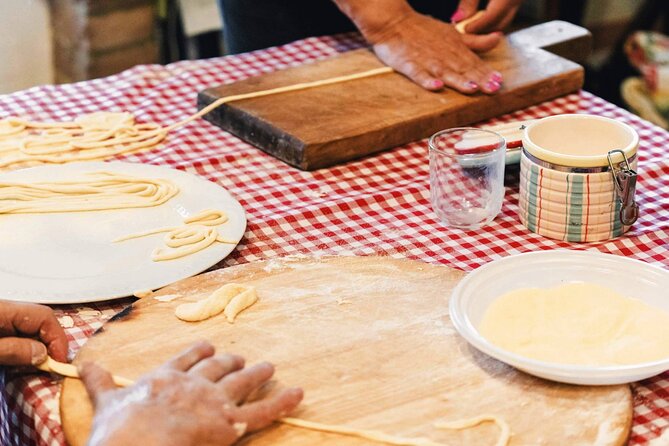
I really like that this is truly hands-on, with a chef instructor walking you through the process while you’re doing it. I also like the payoff: you finish by eating the pasta you helped make, with Tuscan sauces and a glass of local wine.
One thing to consider: transportation isn’t included, so if you don’t have a car you’ll want to confirm how you’ll get to Valdichiana Living (transfer is available on request).
In This Review
- Key highlights worth planning for
- Why Valdichiana Senese makes pasta class feel real
- Your hands-on menu: pici, tagliatelle, and Tuscan sauces
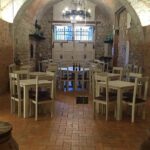
- What the Valdichiana Living setup feels like
- The cooking lesson: how you actually learn dough and timing
- Stop-in feel: meeting in Montepulciano and getting to the countryside
- Lunch or dinner plus wine: the part that makes it worth it
- Price and value: what $150.03 gets you in real terms
- Who should book this class, and who should think twice
- Should you book Pasta Fresca in Valdichiana Senese?
- FAQ
- What pasta will I make in this class?
- How long does the experience last?
- What’s included with the cooking class?
- Are vegetarian, vegan, or gluten-free options available?
- Is transportation to and from the activity included?
- What is the cancellation policy?
Key highlights worth planning for
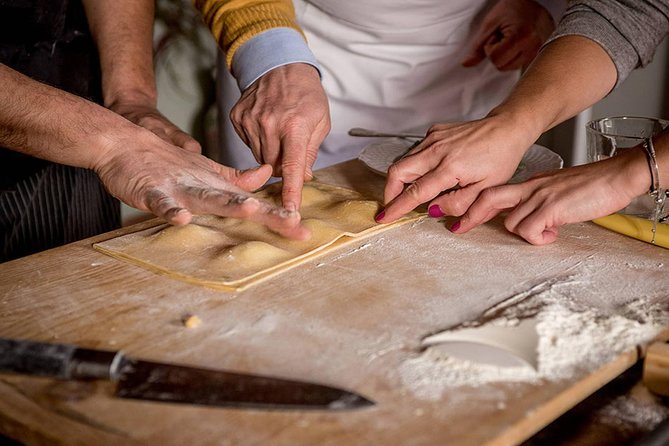
- Make pici and tagliatelle from scratch with simple ingredients like flour and water
- Small group size (up to 10) keeps the class interactive and conversational
- Sauce pairing is part of the lesson, not just a plate drop at the end
- Wine tasting comes with the meal, so you can slow down and enjoy
- Dietary options for vegetarian, vegan, and gluten free are available with advance notice
- Farm-to-table feel: you cook, then eat, in the same experience
Why Valdichiana Senese makes pasta class feel real
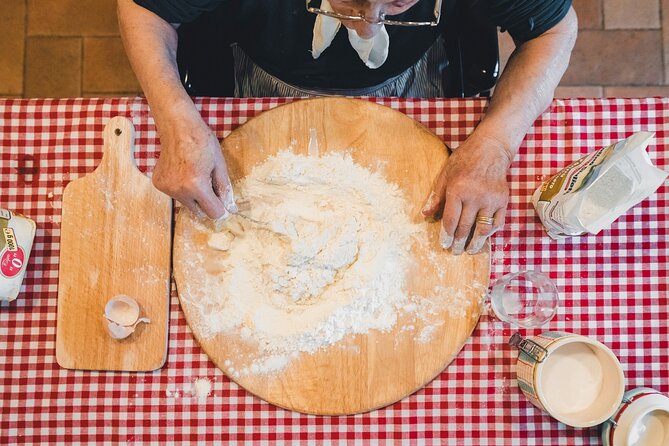
This isn’t just a class where you watch someone else cook. The whole point of being in the Tuscan countryside around Montepulciano is that the food feels tied to place—simple ingredients, patient technique, and a relaxed pace.
You’ll usually start from central Montepulciano and return there at the end. That matters because it keeps your day straightforward while still getting you out into the agricultural rhythm of Valdichiana.
The best part is the mindset shift: you stop thinking of pasta as something you buy and start thinking of it as something you can build. When that clicks, the 3-hour time window feels just right.
If you're still narrowing it down, here are other tours in Montepulciano we've reviewed.
Your hands-on menu: pici, tagliatelle, and Tuscan sauces
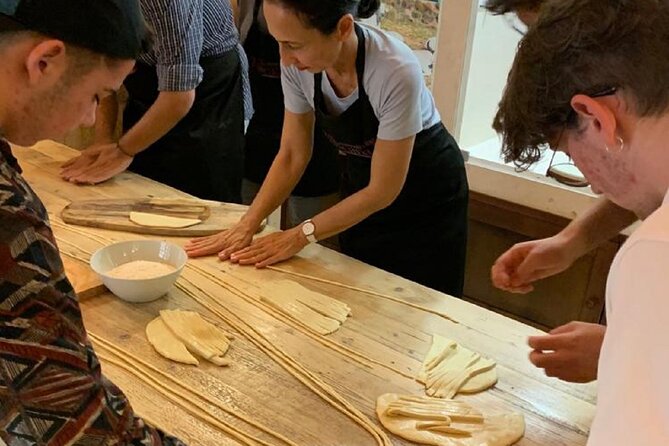
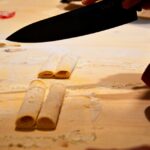
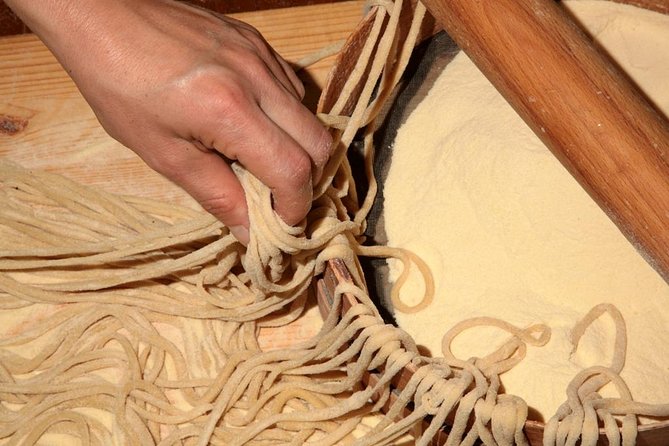
The class focuses on two pasta shapes: pici and tagliatelle. Pici is the big, hand-rolled cousin of spaghetti—thick, rustic, and perfect for learning how dough behaves under your hands. Tagliatelle takes you into a more delicate rolling and cutting routine, so you get variety instead of doing the same task for the whole session.
You also pair what you make with traditional Tuscan sauces. Even when you’re working with basic ingredients, the sauces are where you learn the logic behind flavor—how tomatoes and garlic are treated, and how sauce thickness changes the final bite.
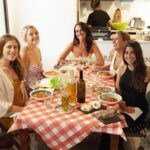
You’ll then eat what you cooked, plus a glass of local wine. That’s a big deal for value: you’re not paying for instruction only, you’re paying for dinner (or lunch, depending on your session) plus wine plus the satisfaction of eating your own work.
What the Valdichiana Living setup feels like
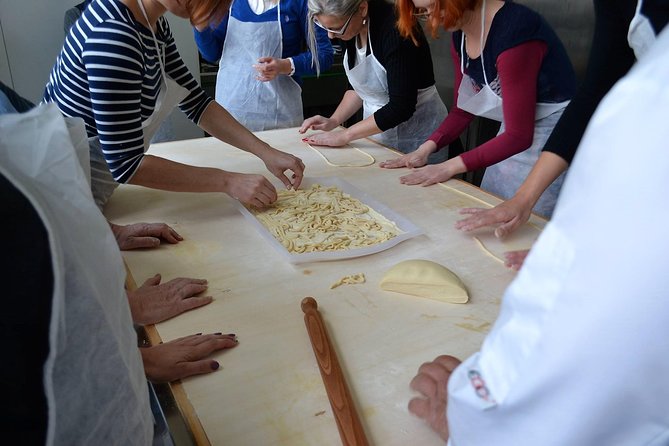
Your experience is run by Valdichiana Living, and it has that small-venue feel you want for a cooking class. The group is capped at 10 travelers, so the chef instructor can actually answer questions while you’re in the middle of making dough.
In one version of the experience, the instructor Irene led the session with lots of easy back-and-forth during active steps. In another, host and chef Daniel brought an outgoing energy that made the learning feel social, not stiff. Either way, the vibe tends to be: practical guidance, questions encouraged during the right moments, and a kitchen that isn’t trying to impress you with theater.
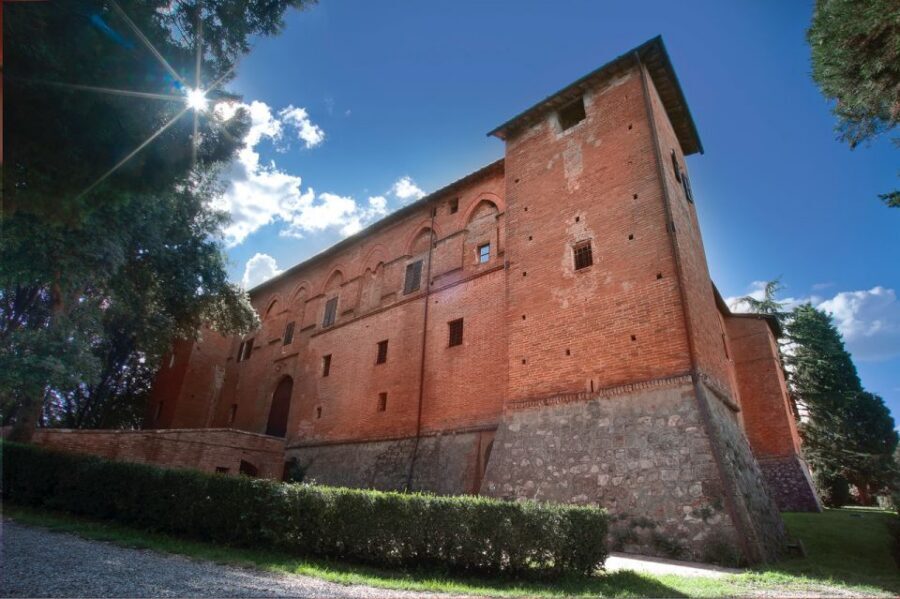
You might also notice personal touches that make it feel like a lived-in farm setting rather than a staged show. One memorable detail from past participants: the setting includes the hosts’ Boxers, which makes the arrival moment feel warm and human.
The cooking lesson: how you actually learn dough and timing
You start with simple dough—flour and water—and you build from there. That’s important because the skills transfer. If you go home and want to repeat the magic, you’re not stuck recreating a complicated recipe with hard-to-source ingredients.
When making pici, your focus is texture and consistency. You learn how to keep the dough supple while rolling it, and how to avoid rushing. With tagliatelle, the emphasis shifts toward rolling thin enough and cutting evenly enough for a satisfying result.
Timing matters, and this is where the experience can vary depending on how the lesson flows. One participant wanted more conversation while pasta was cooking and felt the host didn’t stay as engaged once the class shifted toward dining. My practical take: ask your questions early and stick close during the active cooking window. If you want technique details like how to judge doneness by feel, get them while you’re still standing next to the station.
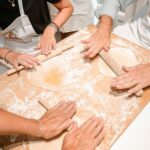
Also, plan on being hands-on for real. This isn’t the kind of class where you do one quick knead, take a photo, and move on. The learning comes from doing the motions, mess and all, until they become familiar.
Stop-in feel: meeting in Montepulciano and getting to the countryside
You meet in Montepulciano and the experience ends back there. That’s helpful if your schedule is tight because you don’t have to build a whole day around a remote pickup.
Transportation is the one practical watch-out. The experience lists transport as not included, but you can request it. If you’re car-free, don’t leave it until the last minute. Confirm what’s offered for your date and make sure your timing works.
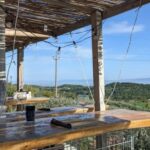
This is also where your comfort level matters. If you’re fine navigating rural roads with a driver, great. If you’re relying on public transit, you’ll want to coordinate ahead because the activity is tied to a farm-like setting near Valdichiana Senese rather than a city kitchen.
Lunch or dinner plus wine: the part that makes it worth it
This class includes a full meal, and the details show both lunch and dinner as included options. The overview also notes lunch or dinner, which suggests the session timing may determine which meal you get on the day. When you book, check your exact time slot so you know whether you’re planning around lunch or dinner.
Either way, you’ll eat the pasta you helped make. That turns the meal into part of the lesson, not a separate restaurant experience. You can taste what your dough and sauce decisions create, then adjust your future technique based on what you actually liked.
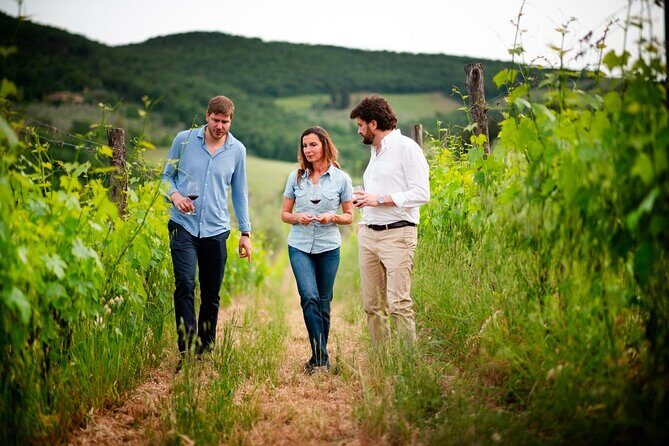
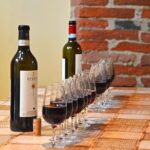
Wine tasting comes with the meal. A glass of local wine fits the Tuscan pace perfectly—it doesn’t turn the class into a tasting tour, it just gives you a gentle reason to slow down.
One extra note: dessert isn’t listed in the essential menu details provided here. If dessert like tiramisu is a must-have for you, confirm in advance so your expectations match the day’s menu.
Price and value: what $150.03 gets you in real terms
At $150.03 per person, the price sounds like a splurge until you break down what’s included. You’re paying for:
- A guided, hands-on pasta lesson (not just a cooking demo)
- Two pasta types (pici and tagliatelle)
- Tuscan sauce pairing
- A meal (lunch or dinner, with meal service included)
- Wine tasting
That’s a lot of “done for you” support in one package. Most pasta classes that cost similar amounts either focus on one pasta shape or skip the wine, or they make the meal feel like an afterthought. Here, the structure is built around learning plus eating, which is why the best reviews focus on the final dinner.
Group size also influences value. With up to 10 travelers, you’re less likely to feel like a spectator. It tends to make the questions you ask actually matter, and it helps the chef instructor manage each station.
Who should book this class, and who should think twice
This is ideal for you if you:
- Want a practical skill you can repeat at home (pasta-making techniques that start from flour and water)
- Like a social meal with other people, not a silent studio experience
- Enjoy Tuscan food and want the sauce logic, not just the final plate
- Prefer smaller groups and real interaction with the instructor
It’s worth thinking twice if you:
- Need guaranteed transport included in the price
- Expect the full cooking process to feel like an extended Q&A while pasta is cooking
- Are planning around a very specific meal expectation beyond what’s listed (like dessert)
If you’re traveling as a couple or small group, it’s also worth noting there’s a minimum of 2 people required to run a booking. That affects planning if your dates are flexible—so keep an eye on confirmation details once you book.
Should you book Pasta Fresca in Valdichiana Senese?
If your goal is to come home with both a memory and a usable skill, I’d book it. The combination of handmade pici and tagliatelle, Tuscan sauce pairing, and eating the meal you made is exactly the kind of experience that doesn’t feel like a one-and-done souvenir.
Book it with confidence if you can handle the logistics of getting to the farm setting from Montepulciano—or you’ll request transportation early. And if you’re the type who loves to ask technical questions, plan to do it during the active steps, when the instructor is most engaged.
One more smart move: since dietary options for vegetarian, vegan, and gluten free exist, tell them your needs at booking so your meal matches you, not the other way around.
Overall, this is a strong Tuscany food experience—hands-on, small-group, and grounded in real cooking, not performance. If that’s what you want, this class is a solid yes.
FAQ
What pasta will I make in this class?
You’ll make two types of pasta from scratch: pici and tagliatelle.
How long does the experience last?
The experience runs for about 3 hours.
What’s included with the cooking class?
You get the cooking class, wine tasting, and a meal (the details indicate lunch or dinner as part of the experience, and both lunch and dinner are listed as included).
Are vegetarian, vegan, or gluten-free options available?
Yes. Vegetarian, vegan, and gluten-free options are available if you advise the provider at the time of booking.
Is transportation to and from the activity included?
No. Transportation is not included, but transfer can be requested.
What is the cancellation policy?
You can cancel for a full refund up to 24 hours before the experience starts. If the minimum number of travelers isn’t met, you’ll be offered a different date/experience or a full refund.