REVIEW · MONTEPULCIANO
Tuscan Cooking Class – Traditional 5 course menù
Book on Viator →Operated by Tuscan Cooking Classes by Le Caggiole · Bookable on Viator
Tuscan cooking gets real when wine is part of the lesson. I love that this class turns a 5-course menù into a hands-on, repeatable skill set, not just a meal. I also like the wine pairings taught by Giacomo, who’s both chef and a graded sommelier. One possible drawback: the pace is serious, with clear expectations around punctuality and hygiene, so if you want a totally casual, laughing-only vibe, this may feel a bit intense.
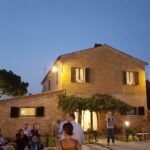
You’ll spend about 5 hours at Farmhouse Le Caggiole near Montepulciano, starting at 3:00 pm and keeping a small group size (max 8). Expect to cook while standing, taste what you make, and finish with dessert on a terrace with views. It’s structured, but it still feels friendly, especially when you rotate through the prep steps and share the table.
In This Review
- Key points I’d plan around
- Montepulciano Meets Farmhouse Le Caggiole at 3 pm
- Meet Giacomo and Learn a Full Tuscan Menù the Practical Way
- From Bruschetta to Tiramisu: What You’ll Cook and Eat
- The Sensorial Path: Wine Pairings That Teach Matching
- Dessert on the Terrace: Slow Down and Take in the Views
- Is the Class Too Serious for You? Style, Pace, and Skill Level
- Price and Value: What $320.48 Really Buys
- Who This Tuscan Cooking Class Fits Best
- Should You Book This Tuscan Cooking Class?
- FAQ
- How long is the Tuscan Cooking Class?
- Where does the class start and end?
- Is the class taught in English?
- What’s included in the price?
- Can the menu be adjusted for allergies or intolerance?
- Is there free cancellation?
Key points I’d plan around
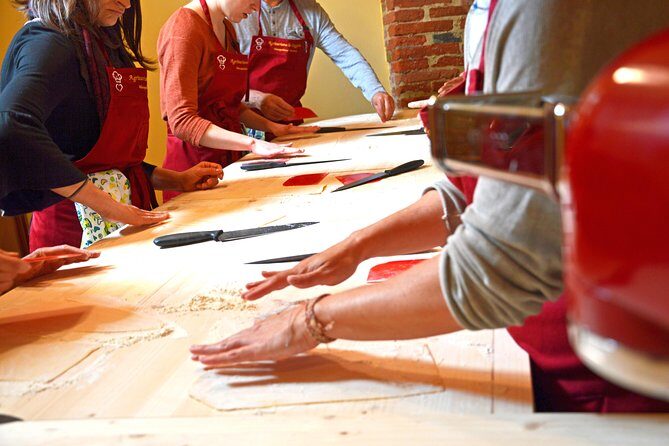
- Le Caggiole setting: a working farmhouse style experience where ingredients and methods feel local and practical
- Giacomo teaches + pairs: chef know-how plus sommelier guidance, with food-wine matching you can actually use
- Full 5-course menù: from Tuscan bruschette to tiramisu, you’ll cook and eat an entire lunch
- Wine pairing “Sensorial Path”: each savory course (except dessert) is paired with a selected local wine
- Small group, English-led: maximum 8 people, plus the class supports questions and interaction
Montepulciano Meets Farmhouse Le Caggiole at 3 pm
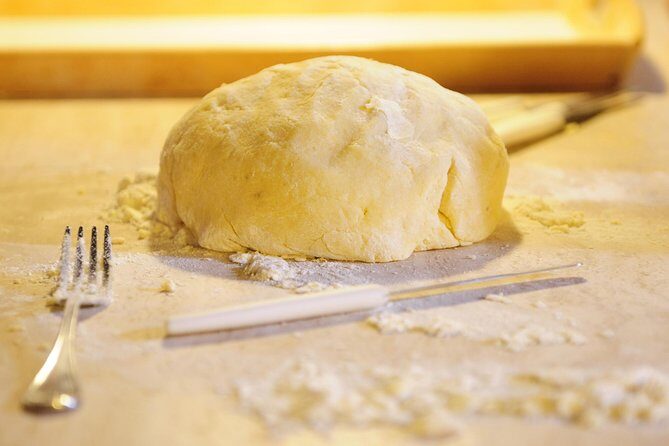
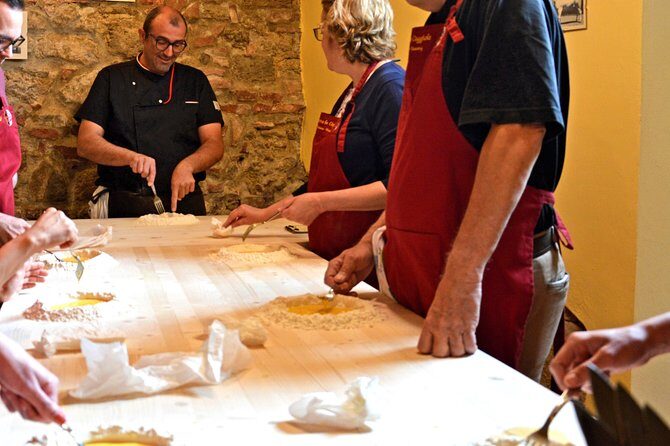
This experience is built around a classic Tuscan rhythm: show up, get your apron on, learn the steps, then sit down to eat what you made. The meeting point is on Traversa di Montepulciano, and the session starts at 3:00 pm. That timing matters because the class runs long enough to feel like a real afternoon plan—about 5 hours—without rushing the meal itself.
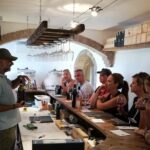
I like that the group stays small. With a maximum of 8 travelers, you’re not watching from the sidelines. You can actually ask questions while you’re working, and the chef can correct details without turning it into a factory line.
One thing to plan for: you’ll be standing during the preparations. The course even calls out comfortable shoes and clothes. If you normally avoid standing for hours, bring that awareness up front and adjust your expectations.
Also, it’s a hygiene-focused kitchen. You’ll want to skip rings and large bracelets, and avoid artificial nails during prep. This is one of those “it’s annoying, but it’s fair” rules: the kitchen is teaching proper technique and good food handling.
Other cooking classes in Montepulciano


Meet Giacomo and Learn a Full Tuscan Menù the Practical Way
The center of the class is Giacomo, described as the chef and a graded sommelier. That’s not a gimmick. It changes the way you learn because the cooking and the wine pairing are linked, not treated as two separate activities.
The course is dynamic, mixing practical cooking, a bit of cooking show style explanation, and tastings. The goal isn’t just to eat well tonight. It’s to leave with the basics to match food and wine correctly at home. The class also talks about organic, from-farm-to-table ingredients and how to choose them well before cooking.
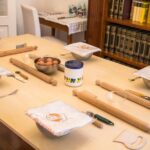
You’ll be using aprons and kitchen tools, and all ingredients are provided. That’s a real value point, because Tuscan cooking can be picky—good pasta, good olive oil, and fresh produce aren’t optional if you want the flavors to land. You don’t have to track those down in a foreign grocery store before you arrive.
You can also request pencil and block notes. If you’re the type who likes to write down timings and technique cues, you’ll actually use them here. The class aims for you to reproduce the same dishes once you get back.
The format includes different preparations—enough steps to build out a full menù. Even if you’ve cooked before, you’ll likely pick up new technique, especially with pasta shaping and saucing. If you’re new to cooking, you’ll still get a path forward, but you should be ready to follow instructions closely.
From Bruschetta to Tiramisu: What You’ll Cook and Eat
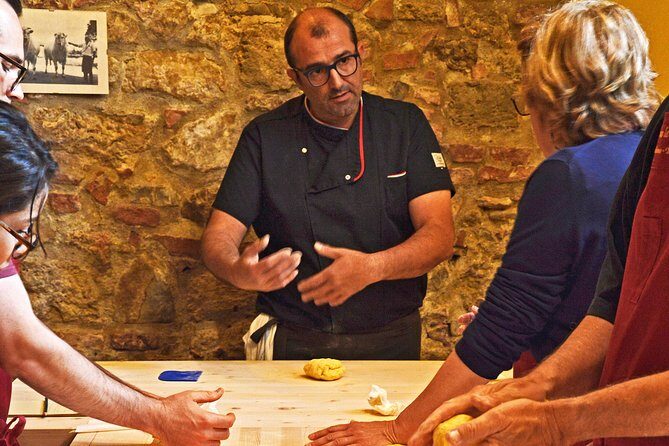
Here’s the sample menù you’ll cook and taste. The biggest win is that it’s complete: you’re not just making a single dish and calling it a day.
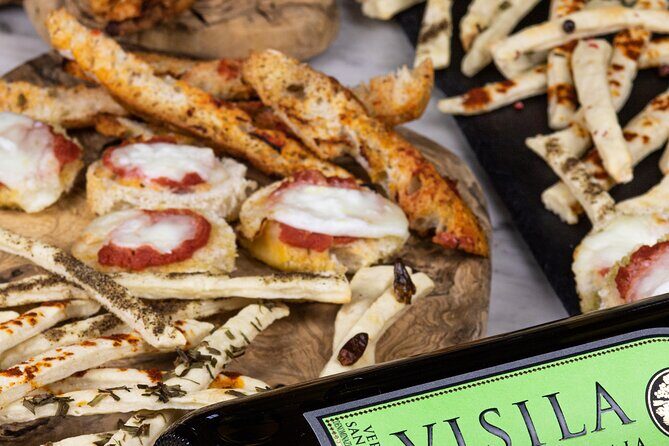
Starter: Traditional Tuscan bruschette
You start with a classic Tuscan appetizer. Bruschette may sound simple, but the lesson is usually in the details—how you handle bread, how you balance freshness and seasoning, and how you treat ingredients so they taste bright instead of heavy.
Main: Gnocchi with a traditional sauce
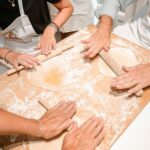
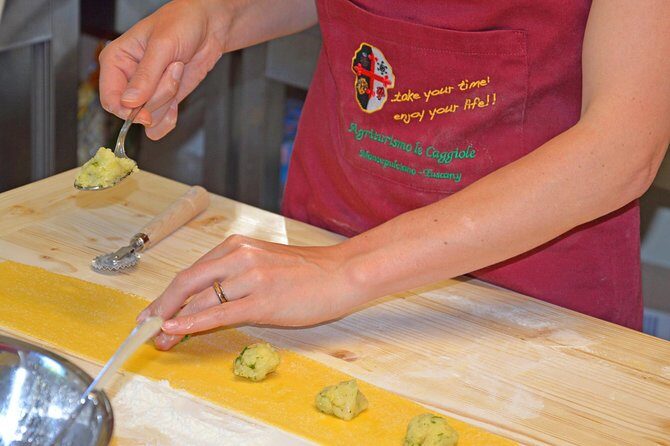
Gnocchi is one of those dishes where technique shows fast. Even small changes—texture, portion, handling—can make the result better or worse. This is where you’ll likely learn the “why” behind your steps, not just the “what.”
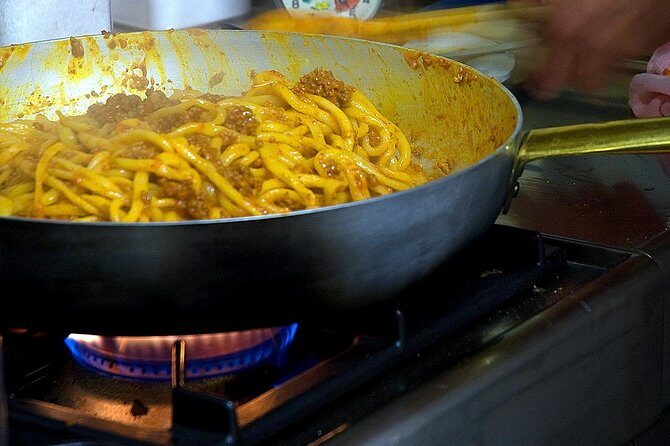
Main: Pappardelle with a family traditional sauce
Pappardelle is wider, heartier pasta, made for rich sauces. This part of the class is great if you’ve ever struggled with pasta texture or sauce thickness at home. You’ll work through the process, then taste the results as the lunch builds.
Main with meat and vegetables: Chianina beef
This is the Tuscan protein moment. Chianina beef is a big deal in central Italy, and pairing it with vegetables keeps it grounded, not just rich. Expect a real lunch centerpiece rather than a light tasting portion.
Dessert: Family-recipe tiramisu
Dessert lands last, and the class makes it a slower ending. You’ll taste the tiramisu relaxed on the terrace while taking in the views.
A practical note: every savory course is paired with a specific local wine, except for the dessert. That means the lunch doesn’t just fill you up—it also trains your palate as you go, step by step.
The Sensorial Path: Wine Pairings That Teach Matching
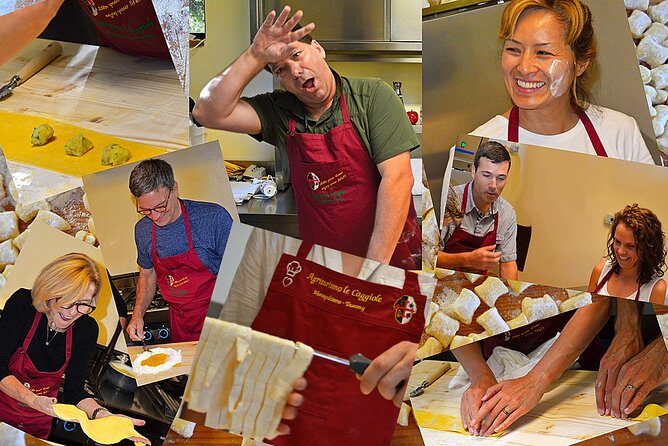
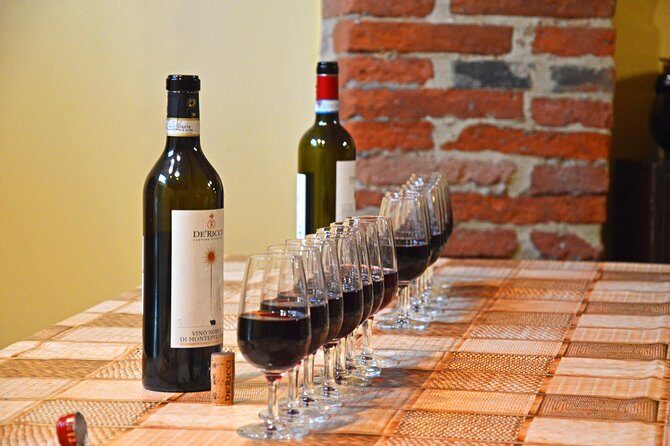
The wine part isn’t random sipping. You’ll taste 4 selected local wines with food pairings, and each dish in the savory sequence is matched with a specific wine for the class’s Sensorial Path approach. Since the class says Giacomo is a graded sommelier, you get more than a quick pour-and-go explanation.
What you should expect: the pairing is taught in an educational way so you can understand what makes the pairing work. That might mean focusing on how acidity cuts through fat, how tannins interact with meat, or how aroma changes what you perceive in the sauce and pasta. Even if you don’t become a wine expert that afternoon, you’ll likely leave with a few rules of thumb.
This pairing format is also a value win. Many classes include wine, but you don’t always learn why. Here, you’re tasting repeatedly across the meal, tied directly to what you cooked. That repetition is how it sticks.
Dessert on the Terrace: Slow Down and Take in the Views
After the cooking and tastings, the tiramisu moment is designed to feel different. You sit relaxed on the terrace and enjoy the dessert while taking in the scenery. It’s a nice reset: you’ve been standing and working, then you get a slower, social finish.
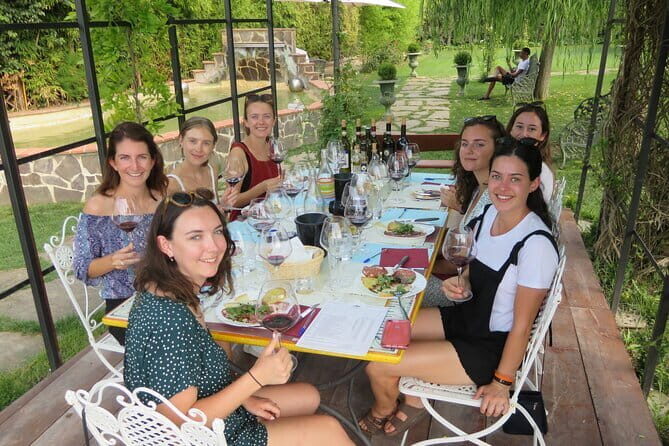
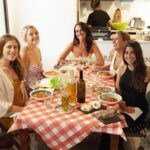
This is also when you can compare notes with your small group—what you liked most, what felt hardest to learn, and which wine pairing you remember best. Since the class includes a friendly social experience with classmates, this ending helps the group feel like more than a classroom.
If you’re the kind of traveler who likes one memorable “pause” during an activity, this terrace dessert is exactly that.
Other cooking classes in Montepulciano
Is the Class Too Serious for You? Style, Pace, and Skill Level
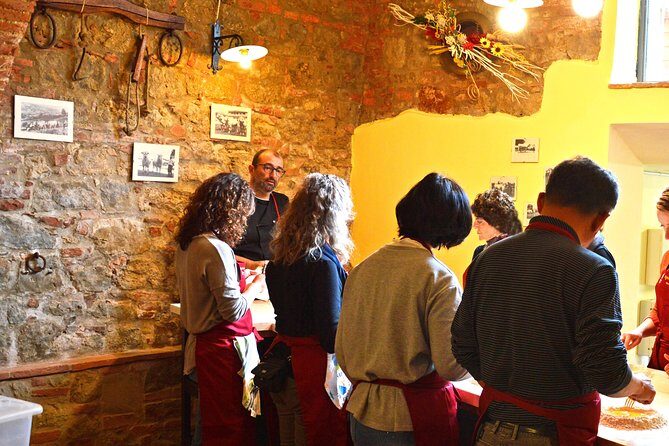
Let’s talk about the main caution. While the experience is described as fun and friendly, the instruction is also firm and technical. You should expect a professional approach, clear rules in the kitchen, and a structured program.
That matters for two types of travelers:
- If you want a teacher who takes technique seriously and expects you to keep up, you’ll probably love it.
- If you’re hoping for a carefree cooking chat where mistakes are brushed off, the intensity could make you feel a little stressed.
There’s also a timing reality: the class starts at 3:00 pm and expects punctuality. If you’re late, the program is timed tightly enough that it won’t reshape itself around your schedule. The good news is that once you’re there on time, you’re set up for a smooth flow.
Skill-wise, the class is designed to teach you how to cook traditional dishes at home. That means the techniques won’t feel like a casual demonstration. Even if you’re not an expert cook, you’ll be expected to follow the steps carefully. From the way the class is described, the goal is consistency: you should leave able to make the same dishes again.
Price and Value: What $320.48 Really Buys
At $320.48 per person, this isn’t a budget activity. But it also isn’t a “snacks and a show” class. The value comes from what’s included and how tightly the parts fit together.
You’re getting:
- A complete 5-course traditional menù cooked in the morning
- Tasting of everything you make as a full lunch
- Alcoholic beverages: 4 selected wines with pairing
- Aprons, tools, and all ingredients
- Instruction in English
- A small-group experience (max 8)
For me, the most convincing value point is the pairing and full-course structure. Wine pairing plus a multi-course lunch is a lot to pack into 5 hours, and the class connects it to how you cook, not just what you eat.
One more value angle: there’s even a note about helping you understand ingredient selection before cooking. That’s the kind of lesson that reduces guesswork when you cook later.
Just keep one logistic in mind: there’s no transfer or shuttle, so you’ll need to get yourself to the meeting point near Montepulciano.
Who This Tuscan Cooking Class Fits Best
This class is a great match if you:
- Want a serious, hands-on cooking lesson rather than a passive tour
- Like learning by doing—prep, cook, taste, and adjust
- Enjoy Italian wine but want to understand pairing logic, not just try labels
- Prefer small groups and English-led guidance
It may feel less ideal if you:
- Need a super relaxed, low-structure vibe
- Don’t want to stand during kitchen prep
- Don’t like rules around kitchen hygiene and presentation
If you’re traveling solo, the class specifically says to contact them before booking so you can be welcomed into an already scheduled small group. That’s helpful because the experience is built for interaction, and joining the right group matters.
Should You Book This Tuscan Cooking Class?
Yes, I’d book it if you want a true Tuscan lunch experience that teaches you repeatable skills, not just a one-time meal. The combination of Giacomo’s chef + graded sommelier approach, the full 5-course menù, and the way each savory course is paired with local wine makes this feel like an education you can taste.
Before you go, decide how you feel about structured instruction. If you show up on time, follow the kitchen rules, and lean into learning technique, you’ll leave with confidence and a menu you can recreate.
If you want, tell me your cooking comfort level (total beginner, some experience, or confident cook) and your food preferences. I can help you gauge whether the pace and structure will feel fun or stressful for you.
FAQ
How long is the Tuscan Cooking Class?
It lasts about 5 hours.
Where does the class start and end?
It starts at Traversa di Montepulciano, 12, 53045 Montepulciano SI, Italy, and ends back at the same meeting point.
Is the class taught in English?
Yes, it’s offered in English.
What’s included in the price?
The price includes tasting the 5-course traditional menù, alcohol tastings of 4 selected wines with food pairing, use of aprons and kitchen tools, all ingredients, and an option to request pencil and block notes.
Can the menu be adjusted for allergies or intolerance?
You need to inform the provider about any intolerance or food allergies before completing the booking, so they can evaluate whether the dishes can be changed. After booking, menu changes aren’t considered.
Is there free cancellation?
Yes. You can cancel up to 24 hours in advance for a full refund. If you cancel less than 24 hours before the start time, the amount paid isn’t refunded.