REVIEW · MONTEPULCIANO
Cooking class at the farm in Tuscany
Book on Viator →Operated by Valdichiana Living · Bookable on Viator
A farm kitchen in Tuscany is the real deal. In Montepulciano, this 3-hour class pairs hands-on cooking with big countryside views, and you leave with a meal you made yourself. You’ll learn the basics behind a classic Tuscan flow: appetizer, handmade pasta, and dessert, using fresh local ingredients that can shift with the season.
I especially like the small-group feel (max 15) and the personal teaching style. In at least one class, the instructor was Laura, and she was patient with slow hands and nervous questions. The one drawback to plan around is that transportation isn’t included, so you’ll want a simple plan for getting to and from the meeting point in 53045 Montepulciano.
In This Review
- Key highlights you’ll feel right away
- A farm kitchen near Montepulciano beats the usual class
- The 3-course menu: what you’ll actually make
- Starter: typical Tuscan products
- Main: fresh handmade pasta plus traditional sauce
- Dessert: a typical Tuscan sweet
- Inside the class flow: cooking, pause, then patio dining
- English instruction and the small-group advantage
- “Valdichiana Living” apron: a souvenir you’ll use
- Price and value: what $174.60 buys you in Tuscany
- Logistics that matter: where to meet and how to get there
- Who this class fits best (and who might not love it)
- FAQ
- FAQ
- How long is the cooking class?
- Where does the experience start?
- Is the class offered in English?
- What food is included?
- Do I need my own transportation?
- How many people are in the group?
- Should you book this Tuscan farm cooking class?
Key highlights you’ll feel right away
- A true farm setting near Montepulciano, not a crowded demo kitchen
- Three-course hands-on cooking: starter, fresh pasta, and Tuscan dessert
- Traditional pasta approach using classic Tuscan sauce basics
- Lunch or dinner with wine served in a relaxed, convivial style
- English instruction for non-Italians, with patient help
- Max 15 travelers, so you’re not just watching from the sidelines
A farm kitchen near Montepulciano beats the usual class
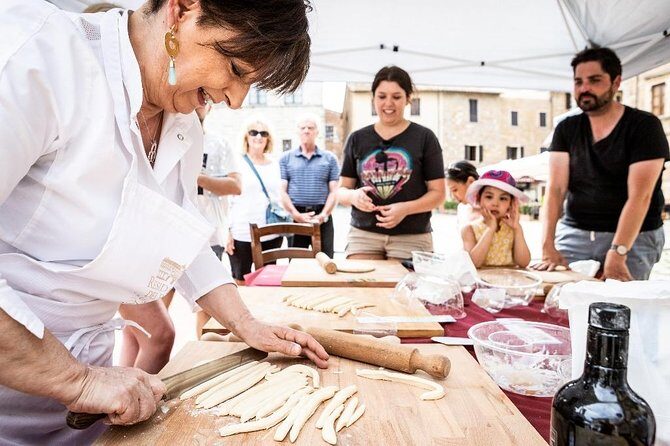
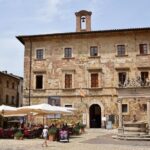
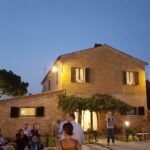
If you’ve done cooking classes before, you’ve seen two common versions: either you’re mostly watching, or you’re cooking in a place that feels like a showroom. This one is built around the agriturismo rhythm. You’re in a working agricultural setting in Montepulciano (Province of Siena), and the experience is designed around doing real cooking with fresh local ingredients.
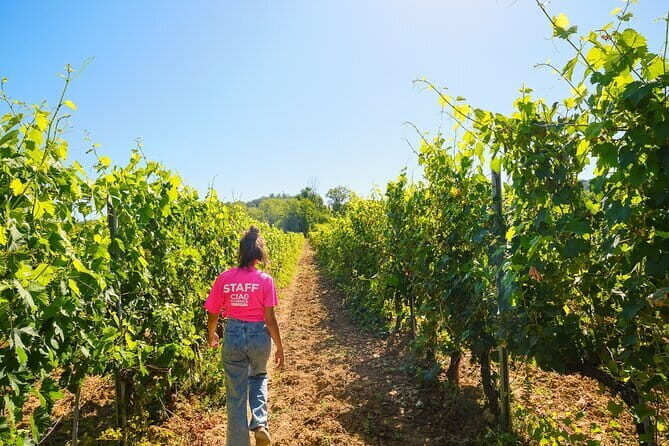
The setting matters more than you might think. When you’re working with ingredients that taste like they belong to the area, the whole class clicks. The reviews I read also point to the scenery as a major part of the mood, with amazing views from the farm. That’s not extra fluff. It’s the difference between learning recipes and learning how food life works in Tuscany.
Also, the class is in English, which keeps you focused on technique instead of translating every step in your head. And with a maximum group size of 15, you can ask questions without shouting across a room.
One practical note: the experience doesn’t include a transportation service automatically. If you’re relying on a driver, you’ll need to arrange it on request. If you’re driving yourself, make sure you’re comfortable with the timing, especially if your class runs late into evening.
Other cooking classes in Montepulciano

The 3-course menu: what you’ll actually make
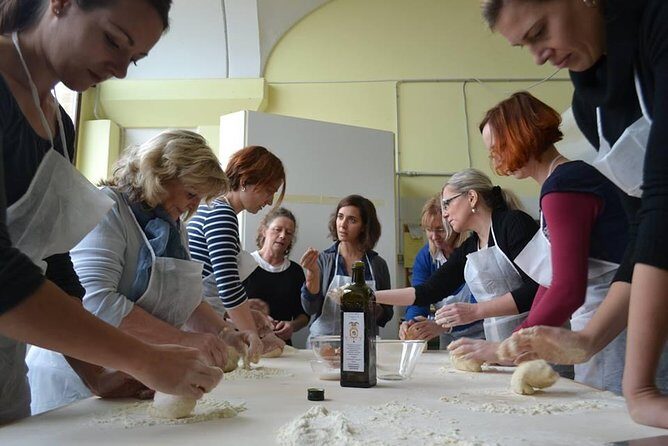
This is a hands-on menu built around a typical Tuscan structure. The exact details can vary a bit based on seasonal availability, but the arc stays the same: starter, fresh pasta, and dessert.
Starter: typical Tuscan products
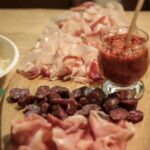
You’ll start with an appetizer built from typical local products. That can mean a range of flavors depending on what’s available, from vegetable-forward options to meat-based starters.
Here’s the one thing to think about: in one class, the starter included a chicken liver pate/spread. If liver isn’t your thing, you’ll want to mention preferences early so the team can guide you on what to expect or how to handle your portion. You don’t need to be dramatic. Just be clear about what you won’t eat.
Main: fresh handmade pasta plus traditional sauce
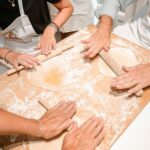
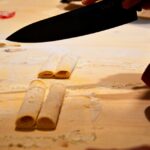
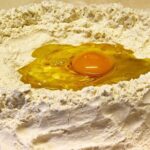
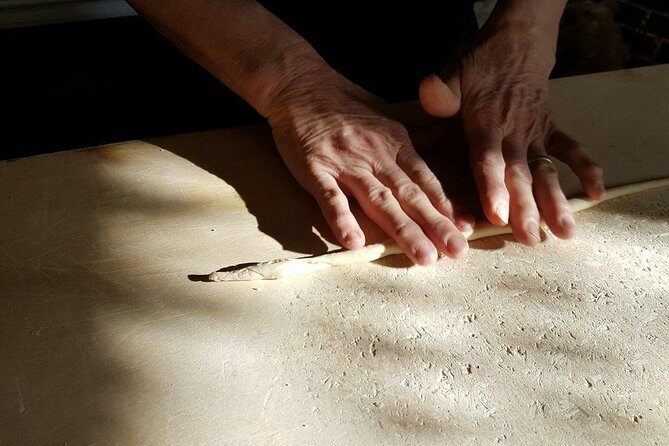
The main course is where the class earns its keep. You’ll learn how to make fresh handmade pasta, then pair it with a traditional Tuscan sauce. Even if you’ve never rolled dough before, the goal is to teach you the home-style process—practical steps, not culinary theater.
What you’re really learning here is control: dough feel, portioning, shaping, and timing so your pasta doesn’t turn into a science experiment. Tuscan pasta traditions are often simple but precise. The sauce is usually built around that same idea: a few solid ingredients handled the right way.
This is also the part that makes the class useful later. Once you understand the rhythm for making pasta and matching it with a classic sauce, you can recreate it at home without needing a full Tuscan supply chain.
Dessert: a typical Tuscan sweet
For dessert, you’ll make a typical Tuscan dessert. The word typical matters here. You’re not chasing a complicated plated trick. You’re learning a recognizable home-style option that fits the rest of the meal.
Dessert is often where people relax, because you switch from technique to flavor and serving. It’s also a great moment to ask about ingredient substitutions you can use back home.
Other cooking classes in Montepulciano
Inside the class flow: cooking, pause, then patio dining
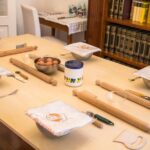
The structure is designed to keep you busy but not overwhelmed. Expect to be working through the courses during the session, with instruction throughout. You’re not just given a worksheet and told to figure it out.
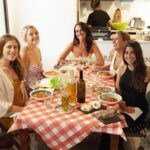
Once your cooking work is done, the experience shifts into a more social mode. One of the most praised parts is how your meal is served after a short break. The food you prepared is served by the team in a lovely setting, often described as an outside patio setup.
That matters because it changes the experience from class to meal. You get to taste what you made while the environment supports conversation. It’s easier to remember the lessons when you’re eating the result.
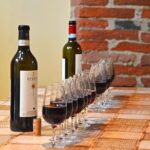
And you’ll be pairing the meal with a glass of local wine. This isn’t just a casual add-on. Wine is part of how Italians hold dinner together—something to sip while you talk, taste, and compare notes.
You’ll also get a welcome drink at the start. It sets the tone early, especially if your cooking confidence is shaky.
English instruction and the small-group advantage
This class is offered in English, and that alone makes it easier for you to enjoy the experience rather than worry about being lost.
The best teaching isn’t always about perfect vocabulary. It’s about clarity and patience. In one account, the instructor Laura was described as extremely patient while working with beginner-level culinary skills. That kind of patience is what you want from a cooking class, because it turns nervousness into progress.
One consideration: English can be harder to catch for some people at certain moments, depending on accent and how fast the instructor teaches. If you’re sensitive to that, using a translation app can help you get the key parts. You don’t need it all the time, but it can rescue you during the steps that matter most.
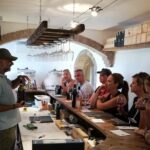
With a group size capped at 15, you’re also more likely to get direct attention. If something goes sideways—dough too sticky, timing off, sauce not thickening the way you expected—you have a better chance of fixing it before the whole table is waiting.
“Valdichiana Living” apron: a souvenir you’ll use
You get a Valdichiana Living apron included in the class. This is a small detail, but it’s a smart one. It’s practical, not just decorative. And it helps you remember you were part of a working kitchen, not a generic cooking studio.
If you’re buying kitchen souvenirs anyway, this is the kind that feels worth the space in your suitcase.
Price and value: what $174.60 buys you in Tuscany
At $174.60 per person for about 3 hours, you’re paying for more than ingredients. You’re paying for instruction, kitchen time, and a meal that comes from what you cooked.
Here’s how the value adds up:
- Hands-on cooking for multiple courses (starter, handmade pasta, dessert)
- Lunch or dinner included, not just tasting bites
- Wine included with your meal
- A small group cap so the teaching is more personal
- English instruction so you can actually learn the why, not just the what
If you’ve seen cooking classes that cost less but include only a tasting or a single dish, this tends to feel more complete. You’re not leaving with a few samples. You’re leaving with a full Tuscan meal and a process you can repeat later.
Also, booking tends to happen ahead of time. On average, this is booked about 38 days in advance, which is a hint to lock in your spot early if you’re traveling in peak season or around popular dates.
Logistics that matter: where to meet and how to get there
The class starts at 53045 Montepulciano, Province of Siena, Italy. It ends back at the meeting point, so you’re not left figuring out where to go next.
Two logistics points that affect your day:
- Transportation service isn’t included by default. If you want help, it’s described as available on request. If you don’t want to handle driving or parking, plan early and ask about your options during booking.
- Since the class includes a meal, you’ll want to treat it like a real stop in your schedule, not a quick activity. People can worry about driving after dark, but at least one reviewer said it wasn’t difficult even when it ran into sunset. Still, build in caution and plan your timing.
One more small practical win: you’ll have a mobile ticket, which cuts down on paperwork and makes it easier if you’re juggling other plans in Tuscany.
Who this class fits best (and who might not love it)
This cooking class is a great match if you:
- Want real hands-on cooking rather than watching
- Care about simple, traditional Tuscan techniques
- Appreciate a meal that’s part of the lesson
- Prefer experiences in English
- Like small groups (max 15) where you can ask questions
It may be less ideal if you:
- Don’t have a plan for getting to the farm area (since transport isn’t included)
- Have strong food restrictions that aren’t likely to be accommodated beyond the basics
- Especially if you dislike liver and worry a starter might include it
That said, being honest about preferences is part of the learning environment. You’ll do better when you speak up early.
FAQ
FAQ
How long is the cooking class?
It lasts about 3 hours.
Where does the experience start?
The meeting point is 53045 Montepulciano, Province of Siena, Italy, and it ends back at the meeting point.
Is the class offered in English?
Yes, the experience is offered in English.
What food is included?
You’ll make and enjoy a starter, fresh handmade pasta, and a Tuscan dessert, and you’ll have lunch or dinner with a glass of wine.
Do I need my own transportation?
Transportation service is not included, though it may be available on request. Plan to arrange getting to the meeting point.
How many people are in the group?
The class has a maximum of 15 travelers.
Should you book this Tuscan farm cooking class?
I’d book it if you want a Tuscany experience that’s practical, not just scenic. You’re getting a full cooking session that ends with the meal you made, plus local wine, in a small group setting in Montepulciano. The value is strongest if you enjoy cooking with guidance and want something you can repeat at home: handmade pasta techniques paired with a traditional sauce.
If you’re short on time, you might skip it. But if you have space for a real 3-hour food moment, this is one of the best ways to turn Tuscany into something you can taste, not just photograph.