REVIEW · MONTEPULCIANO
Montepulciano: Wine Tasting and Cellar Tour
Book on GetYourGuide →Operated by UMBRIA CON ME · Bookable on GetYourGuide
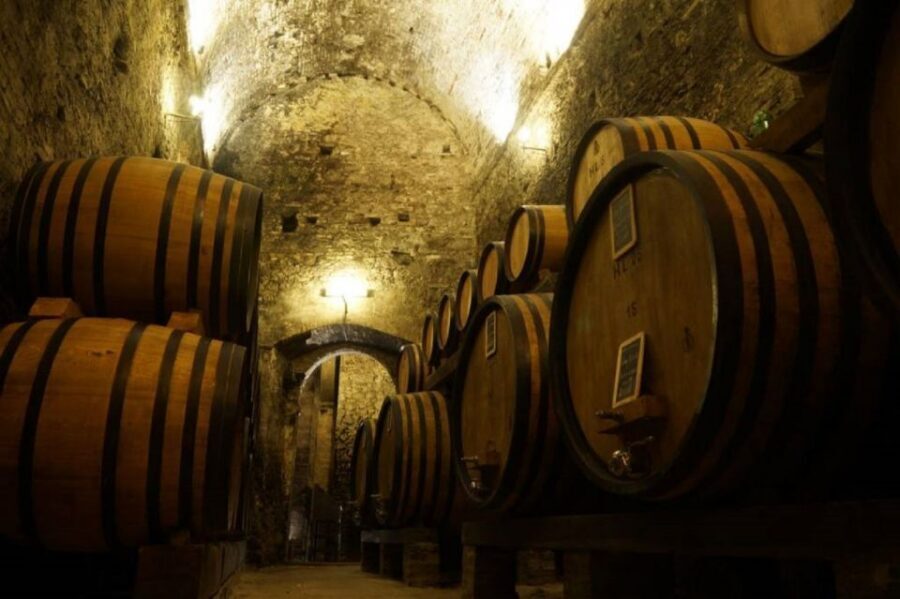
The best part of Montepulciano isn’t just the wine, it’s the cellar setting. In about 1 hour, you walk a guided route through the aging world of Nobile di Montepulciano, where big oak barrels sit in a cool underground space tied to Tuscan traditions and local soil.
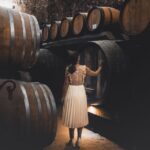
I especially like the barrel room contrast: you’ll see oak from Slavonia alongside barrels made with quality French wood. I also like the people behind the experience—guides such as Mirko, Emilio, Ron, and Debi are consistently described as enthusiastic, with stories that make the family and the wine process easy to follow.
One drawback to consider: the area is a no-car zone, so you’ll want to plan parking in advance (the recommended options are Parking S. Donato or Parking P8) and arrive a bit early so you don’t stress finding the cellar entrance.
In This Review
- Key highlights that matter
- Why a Montepulciano cellar tour feels different
- Getting there: parking in the no-car center
- Inside the cellar: barrels, wood types, and tufa soil
- The barrel rows: Slavonia plus French oak
- The geology lesson: sandy tufa and fossils
- The medieval village setting
- The wine tastings: what you’re actually sampling
- A note on guides and pacing
- Food pairing: pecorino ages and bruschetta with olive oil
- Pecorino cheese selection
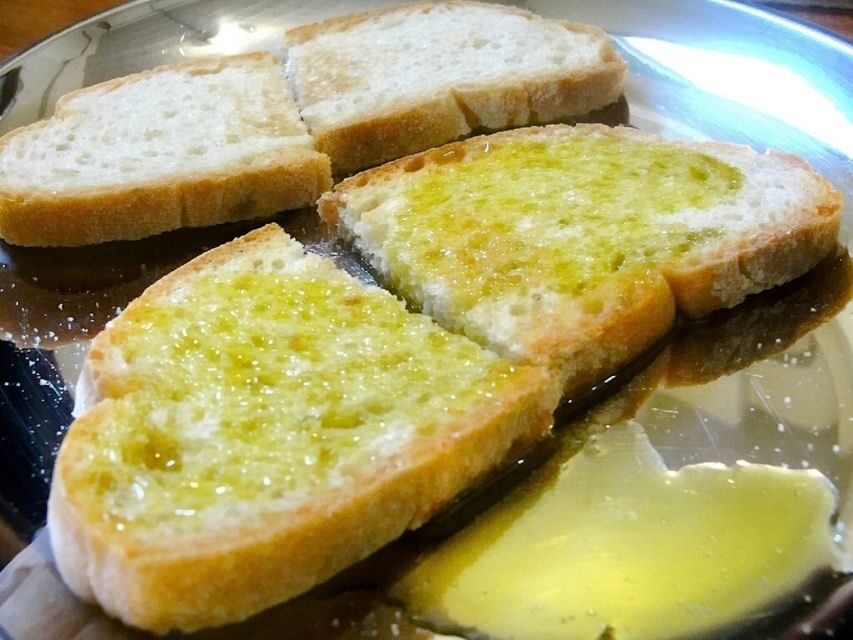
- Bruschetta with extra-virgin olive oil
- Price and value: is $38 a fair deal?
- Who this tour suits best
- Should you book this Montepulciano wine tasting and cellar tour?
- FAQ
- How long is the Montepulciano wine tasting and cellar tour?
- How many wines are included in the tasting?
- What food is served during the tour?
- Is transportation included?
- Where do I park if I’m driving?
- What languages is the tour offered in?
Key highlights that matter
- DOC and DOCG Montepulciano tastings with a guided explanation of what you’re pouring
- Oak barrel rows including wood associated with Slavonia and French suppliers
- Tufa soil and ancient fossils that add real context to why this wine grows here
- Pecorino tasting plus bruschetta pairing with extra-virgin olive oil
- English and Italian live guiding (helpful if your group is mixed)
- Central Montepulciano location with no-car access and easy walking once you park
Why a Montepulciano cellar tour feels different
If you’ve done big winery bus tours, this one hits differently. Montepulciano’s charm is that it’s medieval on the surface, but the wine life happens in cool underground spaces with heavy stone and old-school storage logic.
You’re not just there to drink. The point is to understand how the wine’s style gets shaped: the cellar conditions, the way aging happens in wood, and how local materials connect to the flavors. That matters because once you connect the taste to the process, you buy wine with more confidence (and you don’t just pick a label you recognize).
Also, the tasting pace is friendly. It’s short (about 1 hour), so it’s ideal when you want a “core memory” moment without sacrificing your afternoon in town.
Other Vino Nobile and Montepulciano tours in Montepulciano
Getting there: parking in the no-car center
The cellar is in the middle of Montepulciano, and the historic center is a no-car zone. Translation: you’ll park outside the tight streets and walk in.
The most useful tip from the provided info is where to park. The suggested options are Parking S. Donato or Parking P8. Give yourself a little buffer, since finding a small meeting point on foot can take longer than you’d expect—especially if your group splits up to use different maps.
If you’re building a day plan, this also helps: the tour is simple to slot in after a stroll through town. You won’t need to coordinate a long drive, and you can keep the rest of the day flexible.
Inside the cellar: barrels, wood types, and tufa soil
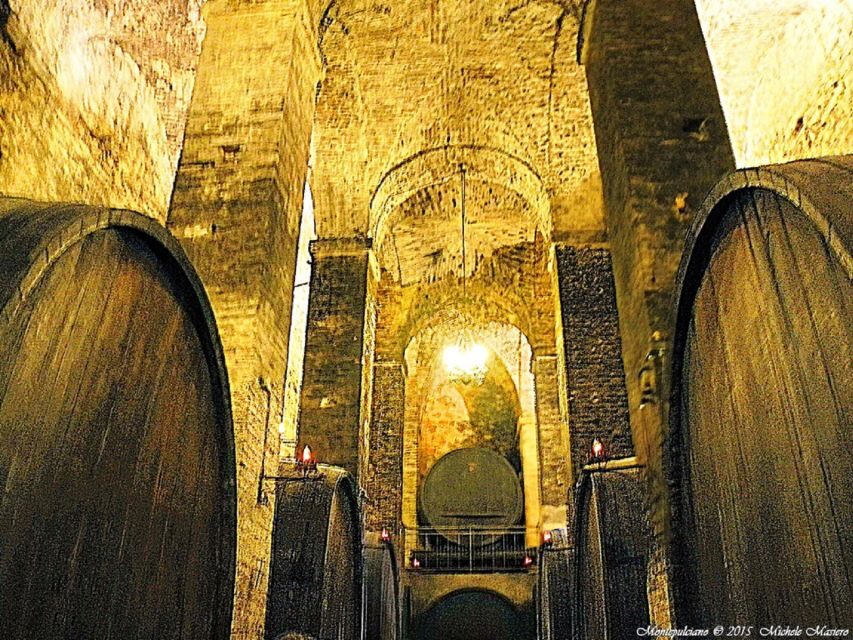
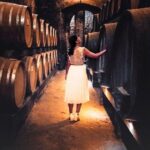
This is the part that makes the tour worth it, even if you’re not a wine nerd. You walk into a storage environment built for slow change—cool air, stone surfaces, and rows of barrels that look more like a warehouse of history than a tasting room.
The barrel rows: Slavonia plus French oak
One of the tour’s standout themes is aging wood. You’ll see enormous oak barrels associated with quality wood, including oak linked to Slavonia for refined storage, along with barrels made using French wood. That contrast isn’t trivia—it points to how different wood influence can shape the wine’s final feel: structure, texture, and the kind of aromatic notes you notice when you sip.
The geology lesson: sandy tufa and fossils
Another detail I like is the grounding in local geology. The area’s sandy tufa soil comes up, plus the mention of fossils that indicate ancient origins. Even if you don’t picture fossils on your plate, it gives you a mental model: this region isn’t just “sun and slopes,” it’s a specific set of ground conditions that have been forming for a very long time.
Other vineyards and winery tours in Montepulciano

The medieval village setting
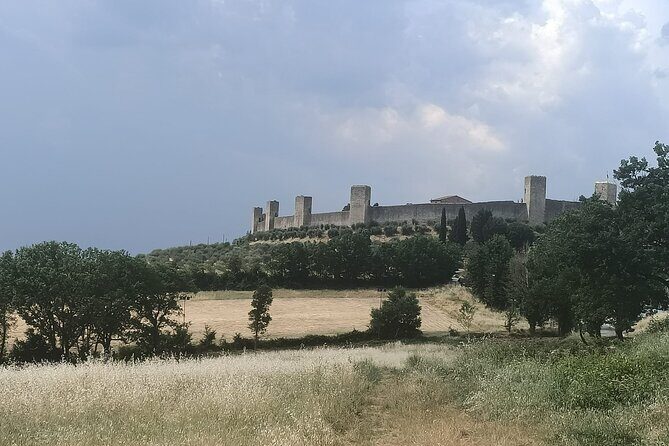
You’re also inside Montepulciano’s medieval framework. The cellar experience isn’t separated from the town—it’s part of it. That’s why this tour pairs well with wandering around afterward: you already understand the wine side of the story, and then you can look at the architecture and think, how did people live with this cellar economy?
The wine tastings: what you’re actually sampling
The tasting portion is built around the local stars: 5 wines DOC and DOCG di Montepulciano. That’s a big deal because it’s not random wine; it’s centered on what Montepulciano is known for and what the local system recognizes formally.
You’ll also hear the winemaking tradition connected to the Nobile di Montepulciano style. The tour frames these wines as noble reds shaped by both terroir and aging practice. Even if you’re new to Italian reds, the guide’s job is to help you pick up practical differences—what to look for in aroma, how the wine feels on the palate, and what the cellar explains about those sensations.
A note on guides and pacing
The vibe tends to be upbeat and story-driven. Guides mentioned by name in the provided info include Mirko, Emilio, Ron, and Debi, and many people comment on humor and enthusiasm. That matters because wine can feel intimidating; a lighter delivery helps you stay present and actually taste instead of watching everyone else.
Food pairing: pecorino ages and bruschetta with olive oil
The tasting isn’t just wine in silence. You get a food pairing designed to make the flavors easier to separate.
Pecorino cheese selection
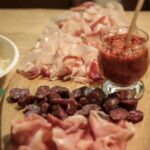
You’re served a selection of pecorino cheeses of various ages. This is a smart choice because aged pecorino changes texture and intensity over time. With a guided tasting, that lets you experience how the same cheese base can shift what you notice in the wine: salt, fat, sharpness, and lingering flavors.
Bruschetta with extra-virgin olive oil
Then comes the bruschetta with extra-virgin olive oil and typical crostini. This is classic Tuscan logic: acidity and oil on bread create a bridge between the wine and the richness of cheese. It also keeps the tasting from feeling like a dry lecture.
One extra benefit: it’s a meal-style finish within a short tour. So even though the duration is about 1 hour, you still leave with the sense that you ate, not just sampled sips.
Price and value: is $38 a fair deal?
At $38 per person, the value works out mainly because the tour includes more than a walk-through. You’re getting:
- a live guide
- 5 DOC/DOCG Montepulciano wines
- a food component: pecorino plus bruschetta/crostini with extra-virgin olive oil
In other words, you’re not paying for a view and a glass. You’re paying for a focused tasting session in a cellar setting with enough structure that you can learn while you drink.
There’s also a practical reason the price can feel reasonable: Montepulciano is compact. A cellar tour in the center saves you the cost and time of transportation to outlying estates. The downside is you’ll need to handle your own get-there logistics since transportation is not included.
A final value detail from the info you provided: one person noted the tour could feel a hair pricy, but they felt the tasting experience justified it. I’d treat that as a balanced warning—if you’re the type who only wants one glass, this is more than you need. If you enjoy comparing wines, it’s priced like a real tasting session.
Who this tour suits best
I think this experience is best for three types of visitors:
- You want real context, not just a bar-room “try this, it’s good” setup. The barrel and tufa geology explanations help you connect the tasting to place.
- You like a guided tasting pace that doesn’t eat your whole day. At about 1 hour, it fits naturally between sightseeing stops.
- You enjoy pairing wine with local foods like pecorino and olive oil bruschetta.
It may be less ideal if:
- you’re visiting with someone who isn’t interested in wine styles or cellar stories at all, since the whole experience is centered on the cellar and tastings
- you hate short tours and prefer half-day winery schedules (this one keeps it tight)
Should you book this Montepulciano wine tasting and cellar tour?
If you’re choosing between a quick pour somewhere and a structured cellar visit, I’d book this one. The combination of DOC/DOCG tastings, food pairing, and a guided explanation inside the cellar/barrel environment gives you a full “wine story” in only 1 hour.
Go for it especially if you want an experience that feels local and specific to Montepulciano—not just a generic wine stop. And plan your parking ahead in the no-car center so you can arrive relaxed and start tasting on time.
FAQ
How long is the Montepulciano wine tasting and cellar tour?
The tour lasts 1 hour.
How many wines are included in the tasting?
The included tasting features 5 wines DOC and DOCG di Montepulciano.
What food is served during the tour?
You’ll get a selection of pecorino cheeses and bruschetta with extra virgin olive oil (with typical crostini).
Is transportation included?
No. Transportation is not included.
Where do I park if I’m driving?
Since the cellar is in the no-car center, it’s recommended that you park at Parking S. Donato or Parking P8.
What languages is the tour offered in?
The guide provides a live tour in English and Italian.