REVIEW · SAN GIMIGNANO
Tuscan Lunch & Winery Tour with Tasting in San Gimignano
Book on GetYourGuide →Operated by Cesarine · Bookable on GetYourGuide
Some lunches feel like a show; this one feels like dinner. You get a farm-to-table Tuscan meal in San Gimignano plus a guided winery tour and tasting of five local wines. I especially like the food variety in a short window, from simple fettunta with extra-virgin olive oil to hearty soups and a cheese-and-charcuterie board. One possible drawback: you’re in and out fast (about 2.5 hours), so if you want lots of free time to wander San Gimignano, this might feel a bit scheduled.
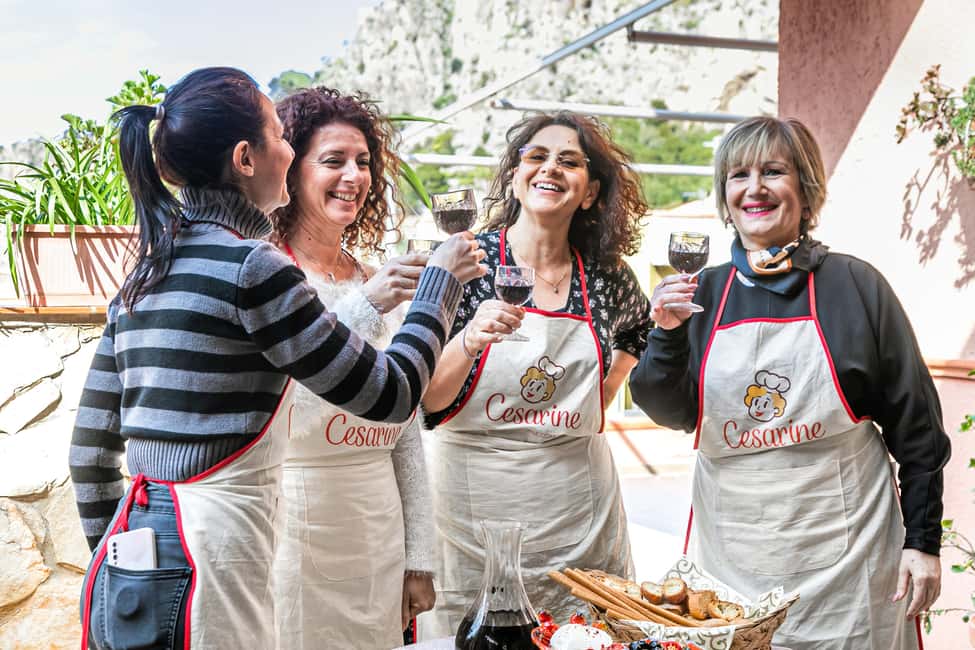
The small-group pace (limited to 10) is the other big plus. Hosting feels personal too—Lara and Daniel lean into warm, family-style hospitality—so you’re not just eating, you’re learning how the meal and the wine connect.
In This Review
- Key highlights worth putting on your radar
- Why a San Gimignano Winery Lunch Makes Sense (2.5 Hours, Not a Half-Day)
- The Farm-to-Table Lunch: From Fettunta to Dessert
- Appetizer platter: where Tuscany stays humble
- First course: rotating classics like pappa al pomodoro and ribollita
- Main course: cheese, cured meats, and fruit preserves
- Dessert: homemade and traditional
- Five Wines, One Guided Tasting: How to Taste Instead of Just Sip
- What you’ll taste
- The real value: learning the how
- The Winery Tour: Seeing What You Just Drank
- What to look for during the tour
- Hosting in a Small Group: Lara and Daniel’s Family-Style Touch
- Menu Rhythm: How the Courses Pair with the Wine
- Price and Value: Is $93 Worth It?
- Who This Tour Fits Best (and Who Might Prefer Something Else)
- Practical Tips to Make the Most of Your 2.5 Hours
- Should You Book This Tuscan Lunch & Winery Tour?
- FAQ
- How long is the Tuscan lunch and winery tour in San Gimignano?
- What’s included in the lunch?
- How many wines do you taste during the tour?
- Which wines are included in the tasting?
- What group size and languages are available?
- Is it okay to change plans?
Key highlights worth putting on your radar
- Fettunta + pinzimonio: classic Tuscan flavors in the appetizer spread, with olive oil front and center
- Rotating first courses: options like pappa al pomodoro, ribollita, panzanella, and bean-based dishes
- Cheese and cured meats board: aged pecorino, goat cheese, cow’s-milk cheese, plus prosciutto, salami, and finocchiona
- Five-wine tasting: Vernaccia di San Gimignano, Chianti, and Super Tuscan wines with guided explanations
- Winery tour included: a closer look at how local wine gets made, led by a sommelier
- Small group of up to 10: more conversation, less crowd energy
Why a San Gimignano Winery Lunch Makes Sense (2.5 Hours, Not a Half-Day)
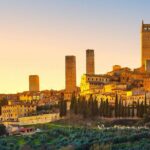
San Gimignano is a place you can easily over-schedule. This experience is smart because it gives you a full Tuscan food and wine hit in about 2.5 hours, without turning your day into a chess match of transfers and waiting. You’re not stuck in a long dinner fog—you get a complete, structured meal and tasting, then you can move on.
The other reason it works: lunch is built around seasonality. That means your menu isn’t just a repeat of the same “tourist trio.” You’ll see vegetables, grains, beans, and soups that fit what Tuscany is putting at the center of the table right now. If you enjoy the idea of eating what’s actually in season, this format keeps you honest.
If you're still narrowing it down, here are other tours in San Gimignano we've reviewed.
The Farm-to-Table Lunch: From Fettunta to Dessert
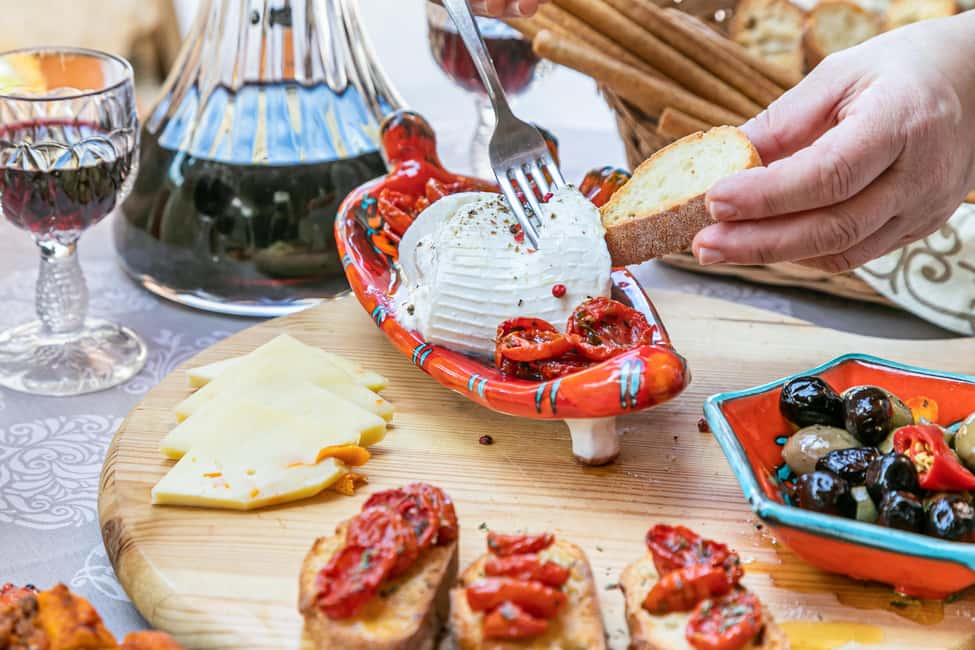
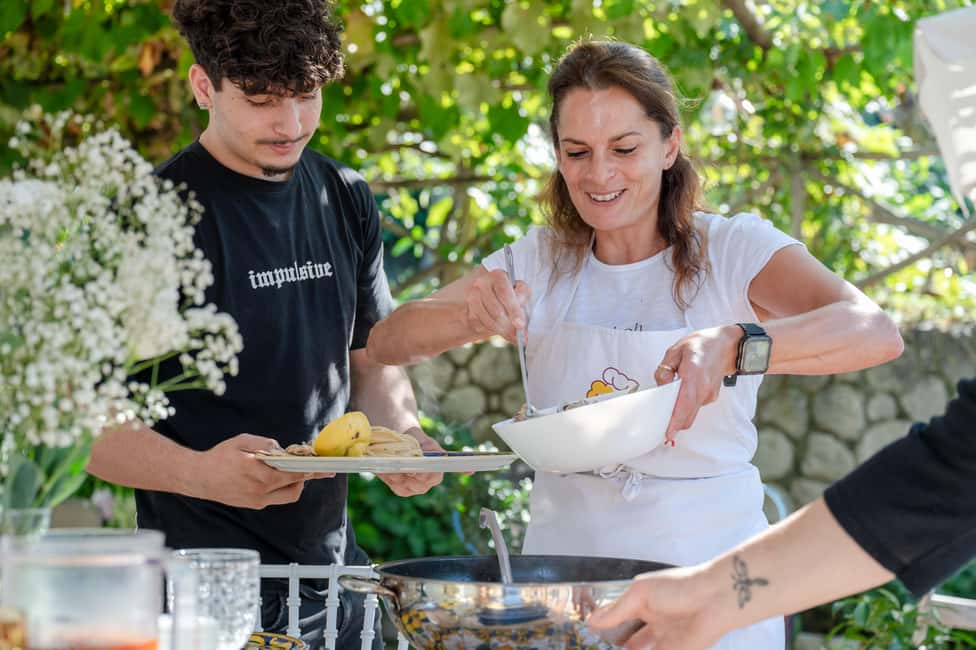
This is a multi-course meal, and it’s designed to teach you what Tuscan eating feels like when it’s simple and well done. The flow matters: you start light and olive-oil-driven, then you move into warmer, heavier comfort food, then finish with cheese and cured meats, and end with dessert.
Appetizer platter: where Tuscany stays humble
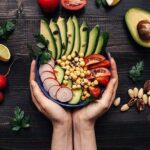
You start with a grand Tuscan appetizer platter that leans into basics done properly:
- Fettunta, served with extra-virgin olive oil—the pure expression of Tuscan simplicity
- Homemade vegetable spreads with crispy crostini
- Seasonal pinzimonio: raw vegetables to dip in olive oil
This opening is a great reset if you’ve been snacking your way through town. It’s also a quick primer on how Tuscan flavor usually starts: olive oil, bread, vegetables, and salt.
First course: rotating classics like pappa al pomodoro and ribollita
Your first course rotates, but you can expect classic Tuscan comfort options such as:
- Pappa al pomodoro (a rich tomato and bread soup)
- Ribollita (hearty vegetable and bread soup)
- Panzanella (bread salad with a chef’s twist)
- Fagioli alla vernaccia or fagioli all’uccelletto (bean-forward dishes)
- Farro and chickpeas with sun-dried tomatoes and fresh oregano
I like this rotating-course design because it keeps the meal from feeling rigid. If you’ve already had one soup elsewhere in Tuscany, you may still be able to get a different style here—tomato-based, vegetable-thick, bean-based, or grain-forward. And if you love soups, you’re set up for at least one of the heavy hitters.
Main course: cheese, cured meats, and fruit preserves
The main event is a charcuterie and cheese board that’s more than just a pile of items. You get:
- Aged pecorino, goat cheese, and cow’s-milk cheese
- Seasonal fresh and dried fruit
- Premium cured meats: prosciutto, salami, and finocchiona
- House-made fruit preserves to bridge flavors
This is the part where Tuscany stops being theoretical. Fruit with cheese isn’t a fad here—it’s a way to balance salt and fat, then wipe the palate for the next bite. The fruit preserves are especially helpful if you want a little sweetness without the dessert jumping in too early.
Dessert: homemade and traditional
You finish with a homemade Tuscan dessert made in-house using traditional recipes. You don’t need to guess what you’ll get—the point is that it’s part of the same careful, kitchen-made rhythm as the rest of the meal.
And based on what guests say about the cooking vibe, you may leave with inspiration to recreate flavors at home. One guest even mentioned learning about pichi, which hints that the experience can turn into more than eating—it can turn into practical recipe talk.
Five Wines, One Guided Tasting: How to Taste Instead of Just Sip
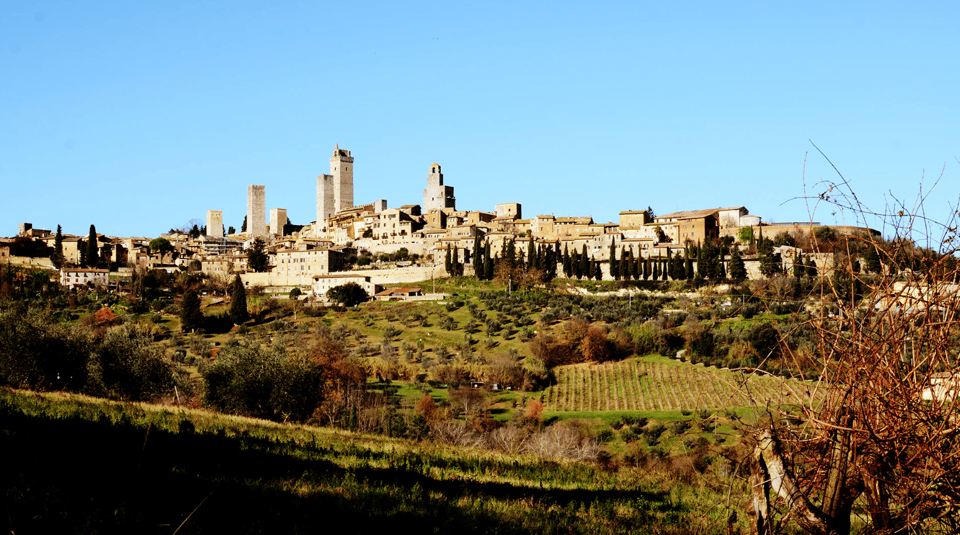
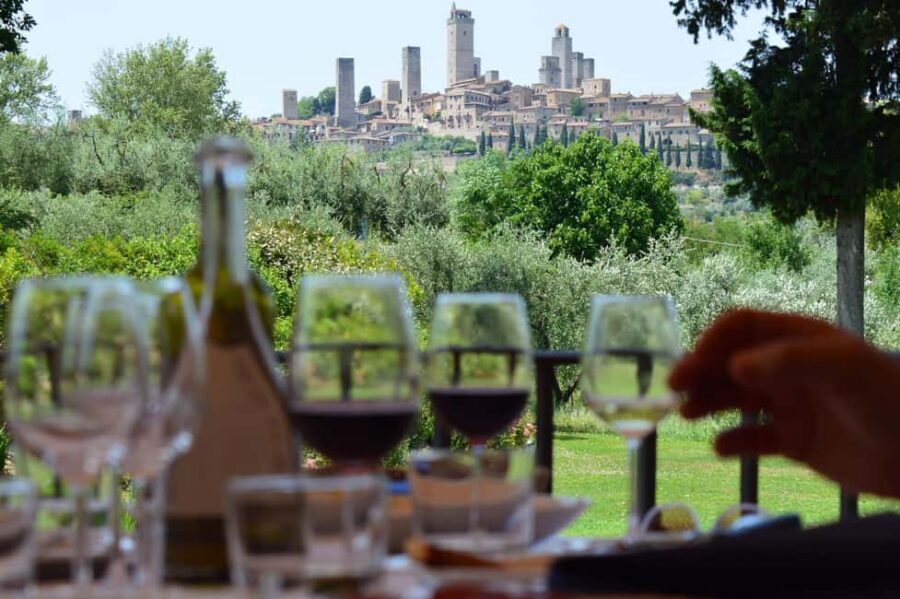
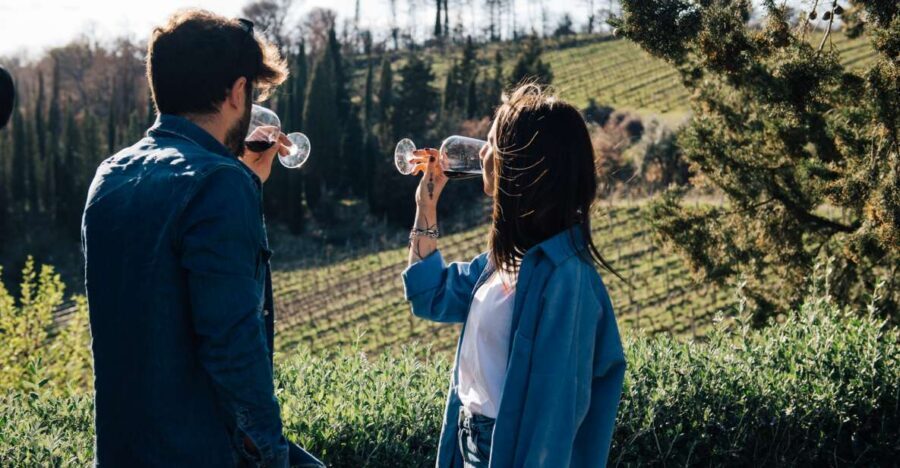
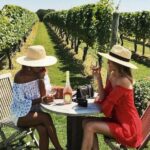
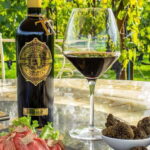
The wine portion is built to be guided, not chaotic. You’ll do a tasting of five local wines, with an expert sommelier walking you through what you’re tasting and how local wine production shapes the glass.
What you’ll taste
The tasting includes:
- Vernaccia di San Gimignano
- Chianti
- Super Tuscan wines
That mix gives you a nice range. You’re not just repeating one grape and hoping it feels different. You get a chance to notice how acidity, fruit, and structure can shift across styles—while you’re still at the winery, with context in front of you.
The real value: learning the how
A wine tour can easily become “here’s a pour, have a nice day.” This one is structured around learning. The sommelier explains the wine-making process and helps you appreciate the unique characteristics of each wine.
I like that this tasting happens alongside the meal rather than after it. With food in your system, you can actually taste how the wines behave with salty cured meats, creamy cheeses, and tomato-y soups. That’s when wine education sticks.
The Winery Tour: Seeing What You Just Drank
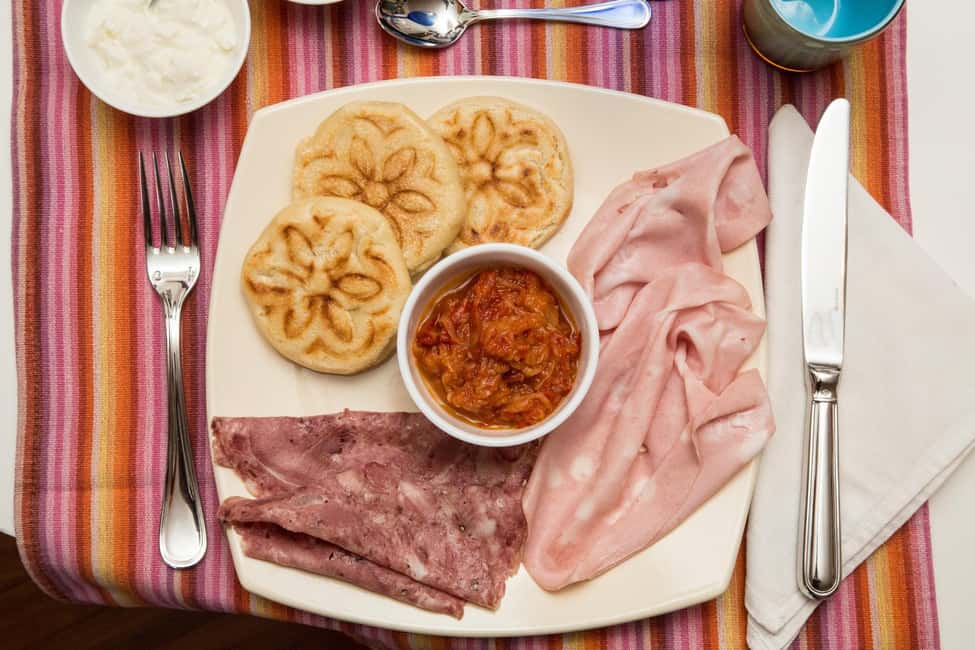
The tour part isn’t a distant history lesson. It’s tied to what you’re experiencing right now: you taste wines, then you learn how local production works, then you eat more Tuscan food built for that flavor world.
What to look for during the tour
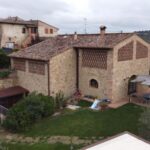
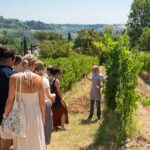
You’re exploring a traditional Tuscan winery and learning about local wine production. Even without getting lost in technical jargon, the key is to pay attention to the cause-and-effect: grapes and processes lead to style, and style leads to how the wine pairs with food.
If you’re a beginner, you’ll still get value. The tour’s designed to help you appreciate what makes each wine distinct, not to test you on terms. If you’re more experienced, you’ll likely enjoy the chance to connect production steps to the flavors you’re tasting in your glass.
Hosting in a Small Group: Lara and Daniel’s Family-Style Touch
A “small group” can mean anything. Here, the hospitality seems to be the difference between a standard tasting and something that actually feels human.
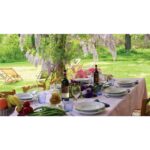
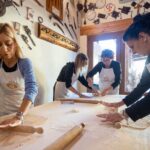
Lara (spelled Laura in at least one message) and Daniel come up in the reviews as warm hosts who treat the lunch like a shared table. One guest noted that arriving early didn’t create stress; Lara adjusted and started the lunch preparation sooner. Another guest said they met the family and enjoyed a relaxed lunch together.
Why that matters to you: with fewer people, you’re more likely to get real interaction—questions answered, explanations made clearer, and the whole experience feeling unhurried. You’re not fighting to hear over background noise while a pour gets handed down like a task.
Menu Rhythm: How the Courses Pair with the Wine
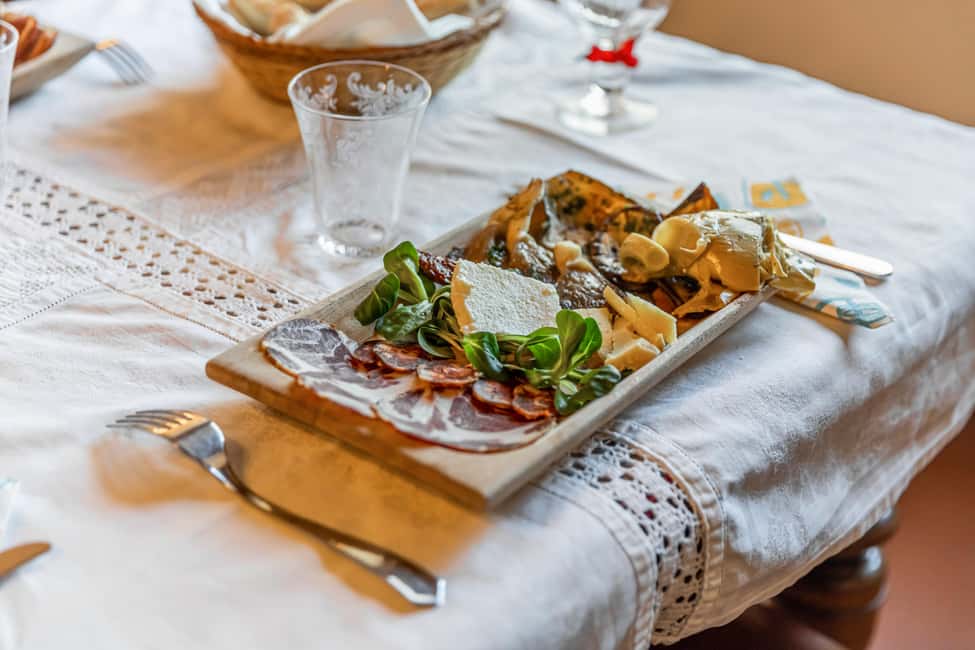
This tour does pairing in a casual, intelligent way. The meal’s course design lines up with flavors that can either flatter or fight with wine.
- Start with olive-oil-driven bites (fettunta, vegetable spreads, pinzimonio). These are clean and fresh, so lighter early wines tend to feel easy.
- Move into soups and beans (pappa al pomodoro, ribollita, fagioli). Tomato and hearty breadiness are the kind of flavors that need structure, so the tasting conversations can land.
- Finish with cheese and cured meats (pecorino and cured meats are intense). That’s where you get to notice what the sommelier is pointing out about each wine’s character.
If you’re someone who wants to understand what you’re drinking and eating, this sequencing makes it easier. You’re not just stuffing your face—you’re tasting with a reason.
Price and Value: Is $93 Worth It?
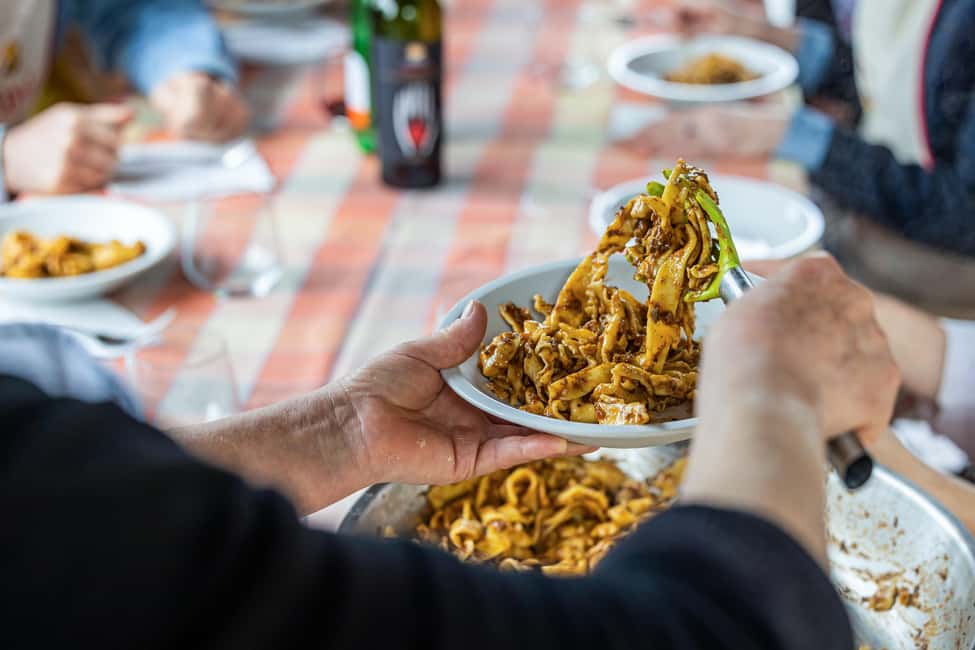
At $93 per person, this is not a bargain menu deal. It’s closer to a “you’re paying for the whole package” kind of experience: a multi-course Tuscan lunch plus a winery tour and five-wine guided tasting in a small group.
Here’s the value logic I’d use as a buyer:
- You’re getting several distinct food stages (appetizer platter, rotating first course, charcuterie and cheese board, dessert).
- You’re also getting a guided wine experience, not just an open bar situation. Five pours plus sommelier explanation takes real time and effort.
- The group limit (10 people) helps justify the price because it keeps interaction higher and pacing smoother.
If you were to price these elements separately—lunch at a Tuscan-focused place plus winery tour plus tastings—you’d usually end up paying more. In that sense, $93 can feel like paying for convenience and quality control, not just food and wine.
Who This Tour Fits Best (and Who Might Prefer Something Else)
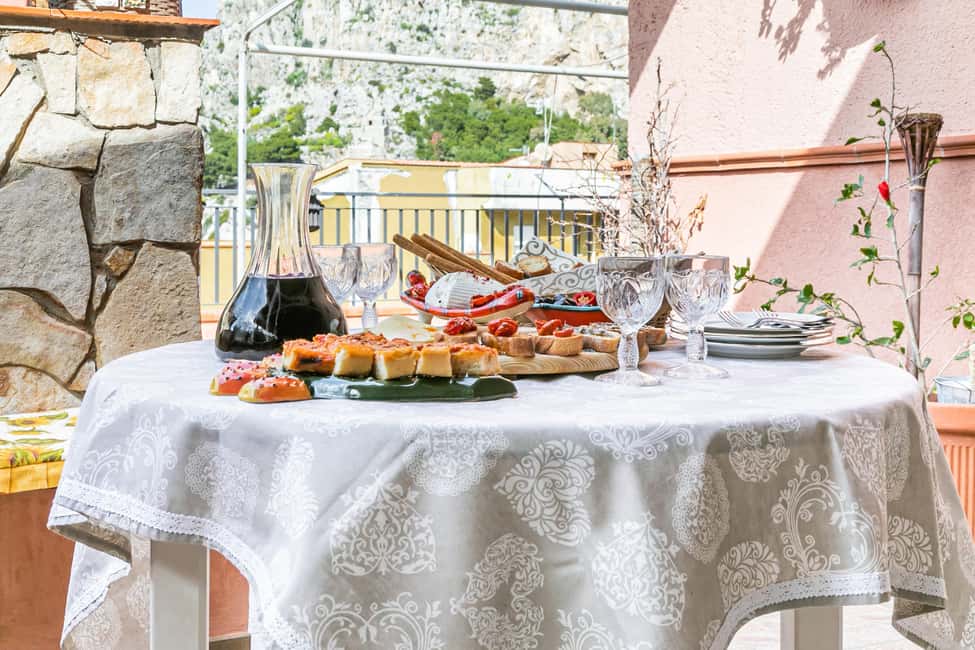
This tour is ideal if:
- You want Tuscan food and wine in one smooth, time-efficient experience
- You like tasting with guidance and want to learn the why behind flavors
- You’d rather do a small-group lunch than sit through a crowded, rushed meal
You might consider skipping or pairing differently if:
- You want a long, free-roaming day in San Gimignano (this is fixed-time at 2.5 hours)
- You don’t care much for wine tasting or structured explanations; the experience is clearly centered on both food and wine
Practical Tips to Make the Most of Your 2.5 Hours
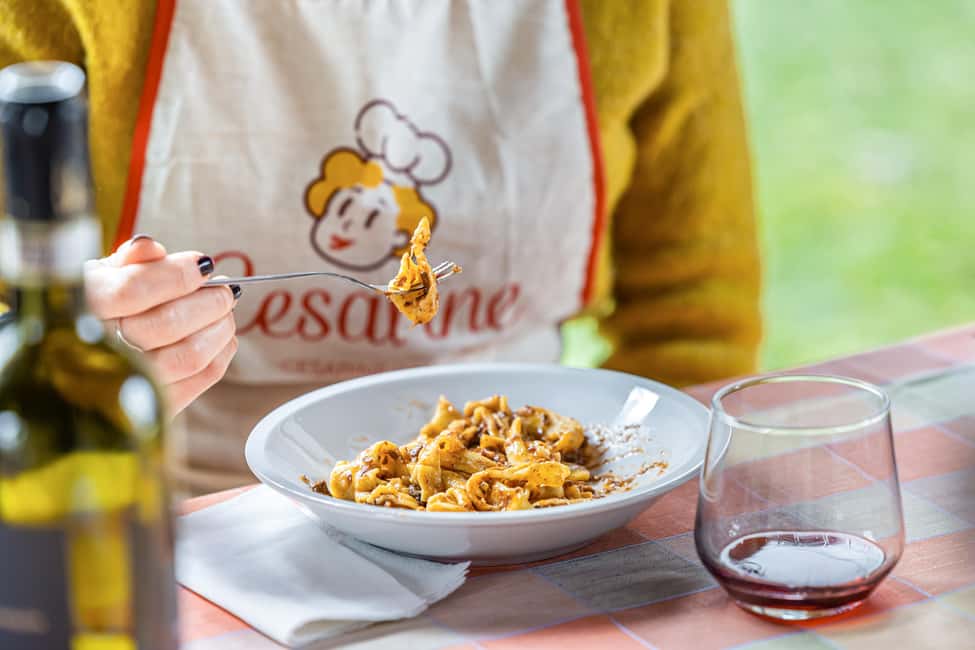
A couple of straightforward things will help you get the full benefit:
- Come hungry. The menu ramps from appetizer to soup or salad to charcuterie and cheese, then dessert.
- Ask questions during the tasting. The sommelier’s explanations are part of the value—don’t be shy about saying you want a simpler explanation.
- Plan your next stop with the end in mind. You’ll finish the experience at a set time, so keep your schedule flexible.
Also, because this includes wine, it’s a good idea to think about how you’ll handle your travel plans afterward. Don’t stack a demanding hike right after a tasting-driven lunch.
Should You Book This Tuscan Lunch & Winery Tour?
I’d book it if you’re craving a high-quality Tuscan lunch that comes with context: what you’re eating, what you’re drinking, and how the winery ties it together. The strongest reasons are the clear menu structure (from fettunta to cheeses and cured meats) and the guided five-wine tasting with an expert sommelier. Add the small-group vibe and the warm hospitality from Lara and Daniel, and it’s the kind of experience that leaves you feeling fed and informed—not just full.
If you’re traveling with someone who loves food but isn’t sure about wine, this still works because the meal is the anchor. The wine is educational and paced with food, so you’re not trapped in a wine-only event.
FAQ
How long is the Tuscan lunch and winery tour in San Gimignano?
The experience lasts about 2.5 hours.
What’s included in the lunch?
You get a traditional farm-to-table Tuscan meal with multiple courses, including a Tuscan appetizer platter (with fettunta, vegetable spreads with crostini, and pinzimonio), a rotating classic first course (such as pappa al pomodoro, ribollita, panzanella, or bean-based dishes), a charcuterie and cheese board, and a homemade Tuscan dessert.
How many wines do you taste during the tour?
You taste five local wines as part of a guided wine tasting.
Which wines are included in the tasting?
The tasting includes Vernaccia di San Gimignano, Chianti, and Super Tuscan wines.
What group size and languages are available?
The tour is a small group limited to 10 participants. Instruction is offered in English and Italian.
Is it okay to change plans?
Yes. You can cancel up to 24 hours in advance for a full refund, and you can reserve now and pay later.