REVIEW · CHIANTI
Chianti – Pizza and Tiramisu Course for Only Small Groups
Book on Viator →Operated by SiChef - Cooking Experience · Bookable on Viator
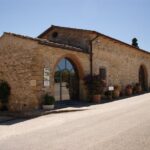
A good day in Chianti starts with dough. This pizza and tiramisu class swaps restaurant watching for hands-on cooking in a Tuscan villa setting, with step-by-step help from a pro. You’ll also get a quick connection to Chianti life via a stop in Greve in Chianti, before settling into the kitchen routines that make these two Italian classics so consistent.
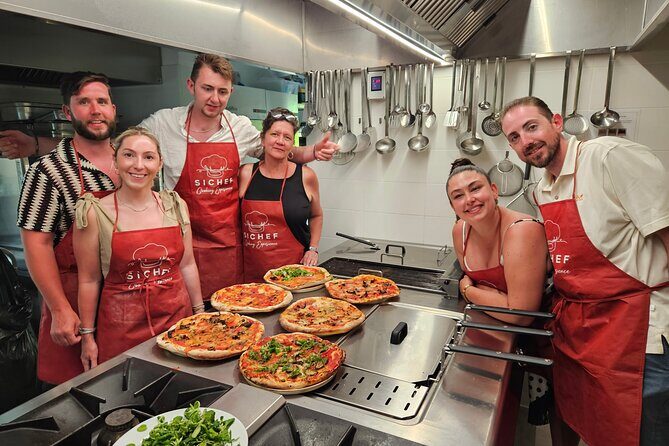
Two things I really like: the class structure focuses on fundamentals you can reuse, from kneading pizza dough to building tiramisu using core ingredients like mascarpone and bitter cocoa. And the experience is built around small-group attention, capped at 12 travelers, so you’re not stuck standing at the back waiting for tips.
One consideration: with groups working through shared prep at the same time, you may take turns rather than working continuously with your own dedicated dough and ingredients. That can be slightly annoying if you’re hoping for a more individually partitioned cooking setup.
In This Review
- Key things to know before you go
- Chianti pizza and tiramisu: why this class feels like more than a meal
- Small-group cooking in a Tuscan villa: the pace and the people
- A possible downside to plan for
- Greve in Chianti stop: using a real town moment to anchor your day
- Pizza workshop: kneading technique and choosing toppings like a local
- Kneading: the skill you’ll actually use again
- Toppings: learning the why behind the choices
- Making tiramisù: assembling eggs, mascarpone, coffee, and Pavesini
- Why this ingredient list is valuable
- The hands-on assembly part
- Eating time: tasting your pizza and tiramisù with beer or wine
- Recipes after class: turning a 3-hour activity into a home cooking win
- Dietary requests: vegetarian, vegan, gluten-free, and lactose-free on request
- Price and value: is $141.95 for 3 hours a smart use of time?
- Who should book this Chianti cooking class?
- Should you book this pizza and tiramisù class?
- FAQ
- How long is the Chianti pizza and tiramisu class?
- What language is the class taught in?
- What is the group size limit?
- Do they provide recipes you can use at home?
- Can dietary needs be accommodated?
- Where do I meet, and where does it end?
Key things to know before you go
- Small-group cap of 12 travelers keeps the pace relaxed and the instructor able to check on you.
- Chef Julio-led instruction brings clear explanations and a friendly vibe, including humor.
- Two skills in one class: pizza fundamentals plus tiramisù assembly.
- Tiramisu ingredients are concrete (eggs, sugar, mascarpone, bitter cocoa, coffee, Pavesini), not vague.
- You eat what you make, paired with beer or wine.
- Dietary swaps are supported on request, including vegetarian, vegan, gluten-free, and lactose-free options.
Chianti pizza and tiramisu: why this class feels like more than a meal
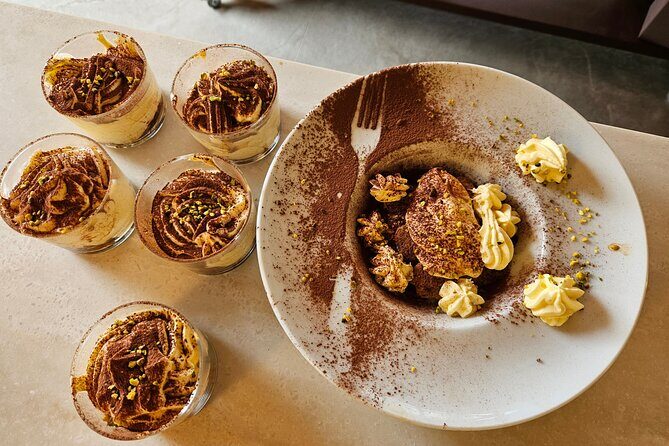
If you’ve ever taken a cooking class and left thinking, okay, I watched someone else do the hard part, this one is designed to fix that. You’re not just tasting Italian food. You’re making it in a format that targets two of the most recognizable dishes in the country: pizza and tiramisù.
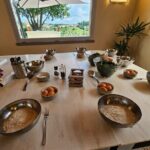
The setting matters too. You start your day in the Chianti area, then head into the hills vibe where cooking feels slower and more social. You’re learning in a villa-style environment rather than a rushed city kitchen, and that changes how your brain keeps track of steps. There’s time to ask questions, wipe down a station, and actually understand why the dough feels the way it does.
And then there’s the practical payoff. Recipes are provided after the class, so you’re not stuck guessing when you recreate everything at home.
Other Chianti wine tours we've reviewed in Chianti
Small-group cooking in a Tuscan villa: the pace and the people
This experience runs for about 3 hours, with English instruction and a maximum of 12 travelers. That matters because pizza and tiramisù aren’t quick recipes. Dough needs attention, and tiramisù is all about assembly and timing. In a big group, someone is always waiting. In a small one, you usually get the rhythm right.
In the classroom atmosphere, the best sign is how the instructor explains the process. Chef Julio is called out for being friendly and using humor while guiding people through the technique. That’s important. Pizza dough kneading is one of those tasks where you either get quick feedback or you spend the whole time worrying you’re doing it wrong.
You’ll also notice a family-and-friends tone. The class is framed as an easy shared activity, not a high-pressure culinary exam.
A possible downside to plan for
Because the class is small but not tiny, you might see a setup where people take turns using shared dough containers or moving through steps in sequence. One past group found it odd that everyone cycled through dough and tiramisù steps rather than keeping each couple fully independent. If you’re the type who likes to track your exact portion start to finish, consider asking the instructor how batches are handled so you can confidently connect what you made with what ends up on your plate.
Greve in Chianti stop: using a real town moment to anchor your day
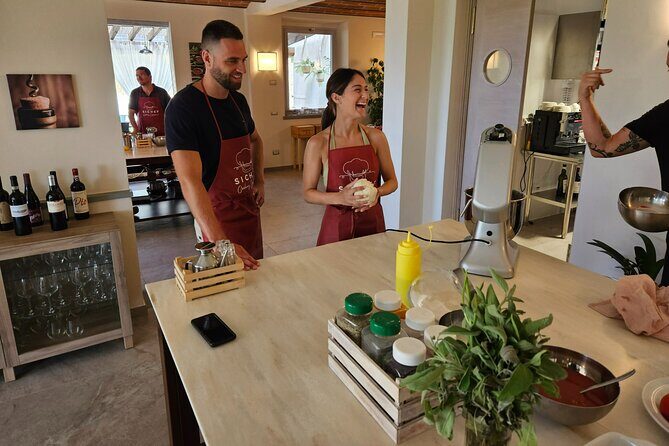
Your day includes a stop in Greve in Chianti. Even if that moment is brief, it helps the experience feel less like a standalone ticket and more like a Chianti day you can remember by place, not only by food.
Greve is one of those towns where the name Chianti doesn’t stay abstract. It becomes something you can point to: hills, stone, and the whole slow rhythm that makes local products and cooking traditions feel logical. I like these quick town anchors because they make your later meal feel tied to where it comes from.
If you’re coming from a city base, this kind of stop is also a good way to get your bearings before you settle into villa mode.
Pizza workshop: kneading technique and choosing toppings like a local
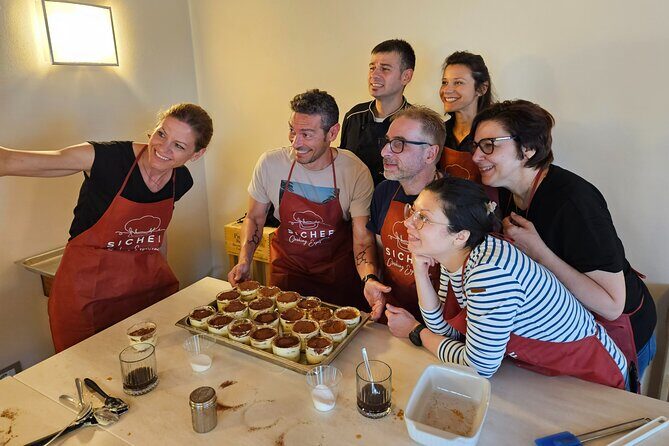
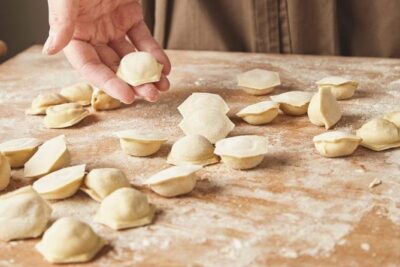
Pizza in Italy is not just about the toppings. The foundation is the dough, and this course makes that clear from the start. You learn pizza basics in a way that emphasizes repeatable technique, not guesswork.
Here’s what the class is built around:
- How to knead pizza dough so it develops the right texture.
- The decision process for toppings so you end up with a balanced pizza, not just a pile of ingredients.
Other cooking classes in Chianti

Kneading: the skill you’ll actually use again
Kneading is where many home cooks get stuck because it’s tactile and hard to measure. A good class helps you understand what you’re looking for. You’ll be guided through the motions, with tips meant to keep things fool-proof, and you’ll get a relaxed pace to practice instead of rushing.
If you’ve made bread before, you’ll recognize the pattern. If you haven’t, that’s not a deal breaker. The point is to start with a guided baseline so you can reproduce it later with less anxiety.
Toppings: learning the why behind the choices
Most pizza classes either focus on dough only or toppings only. This one links them. You’ll make a topping decision after learning the dough basics, which is useful because it forces you to think about pizza as a complete system: dough quality affects how toppings behave and how the final result tastes.
I especially like that this course treats toppings as an important step, not an afterthought. When you understand the logic, you’re more likely to make good decisions when you cook at home.
Making tiramisù: assembling eggs, mascarpone, coffee, and Pavesini
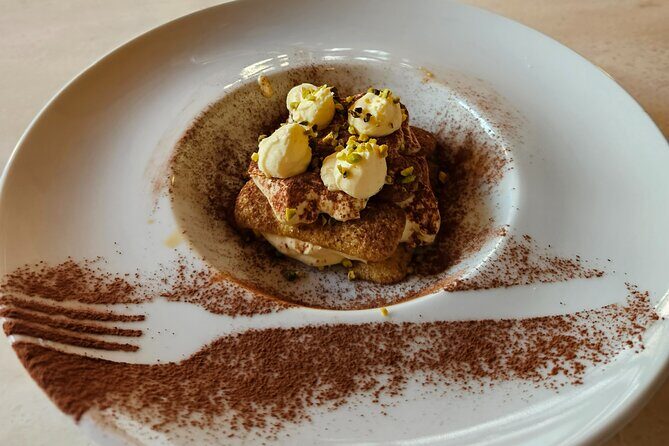
Tiramisù is the second centerpiece of the class, and it’s handled in a straightforward way: you learn how to compose the ingredients into a finished dessert with an authentic recipe style.
The ingredient list is clearly defined, and that’s a big plus for anyone who cooks at home and hates vague instructions. You’ll work with:
- eggs
- sugar
- mascarpone
- bitter cocoa
- coffee
- Pavesini
Why this ingredient list is valuable
If you’ve ever tried to make tiramisù and ended up with something too runny or too stiff, it’s usually because the structure wasn’t understood. When you’re taught to use specific building blocks, you gain a template you can repeat.
Also, Pavesini matters. This isn’t just a generic sponge cookie situation. Having the right biscuit makes a difference in how the dessert holds its texture once coffee is involved and when layers set.
The hands-on assembly part
You’re not just mixing a bowl and hoping for the best. You compose the dessert using the ingredients and recipe approach you learn during class. That matters because tiramisù is a layering and timing recipe. You want something that looks right and tastes balanced, not just sweet.
Eating time: tasting your pizza and tiramisù with beer or wine
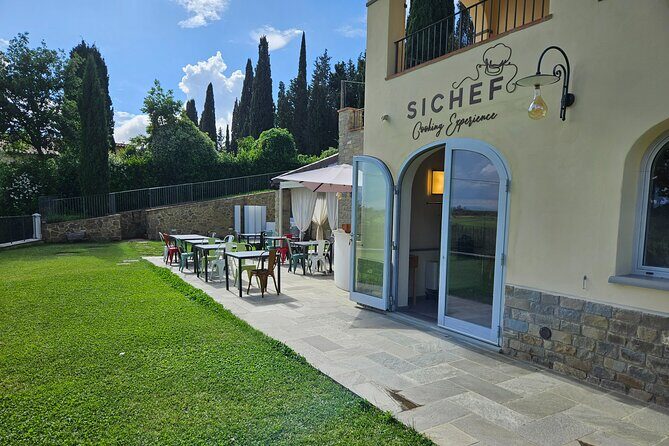
The best moment is when you stop learning and start eating what you made. You’ll sample the dishes you prepare, with your pizza served alongside beer or wine, and your tiramisù as the dessert finish.
That tasting step is more than fun. It’s feedback. Dough you practiced becomes flavor and texture you can compare to what you expected. And the dessert you assembled becomes the final test of your layer-building and balancing.
If you’re doing this with friends, it’s also a natural way to talk through what worked. When everyone tastes the same batch style, you can compare notes and understand differences without turning it into a science project.
Recipes after class: turning a 3-hour activity into a home cooking win
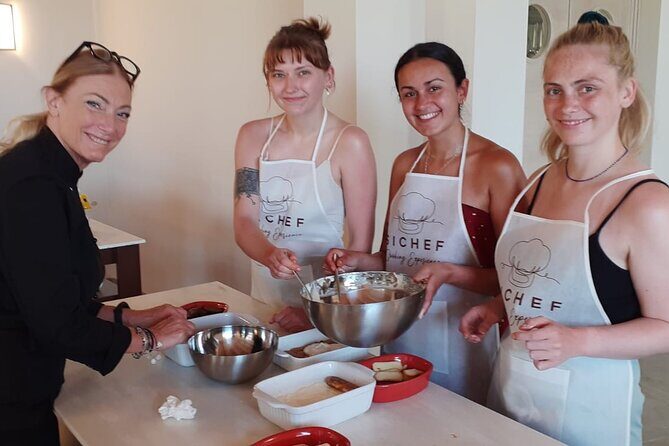
One of the simplest but smartest parts of the experience is that recipes are provided after class. That’s what lets you translate the skills into your kitchen later.
I like when cooking classes include recipes because they remove the need to memorize every step on the spot. You’ll remember the big moments, and the recipe fills in the details so you can repeat the pizza dough approach and the tiramisù assembly at home.
This is especially useful if you’re traveling. You can enjoy the class without trying to pack your entire cooking brain into a suitcase.
Dietary requests: vegetarian, vegan, gluten-free, and lactose-free on request
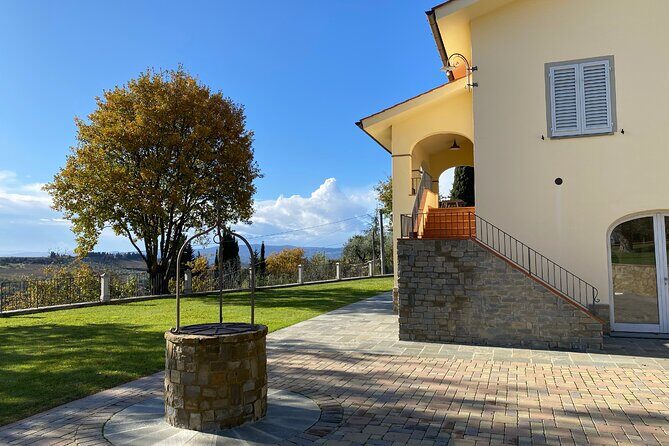
If food restrictions are part of your reality, this class is built to help. Courses are also vegetarian, vegan, gluten and/or lactose-free on request, using local, fresh, seasonal ingredients.
That’s not just customer service language. It means the class intends to adapt the recipe approach to your needs rather than telling you to skip the dessert portion. For families, it also helps that everyone can participate instead of sitting out while others cook.
If you have a dietary requirement, send it clearly before you arrive so the kitchen can plan. The earlier the better.
Price and value: is $141.95 for 3 hours a smart use of time?
At $141.95 per person for about 3 hours, this isn’t a bargain-basement experience. But it’s also not priced like a fancy private chef setup.
Here’s where the value comes from:
- You get instruction in two full dishes: pizza and tiramisù, not one.
- You cook with an instructor who provides step-by-step technique.
- The class includes an eat-and-drink element (beer or wine with pizza).
- You receive recipes after class, extending the value beyond the time slot.
- The group size cap (12 travelers) supports more personal attention.
For me, this lands in the good-value category if you want a practical skill session you can repeat. If your goal is purely sightseeing, you might find other Chianti experiences that cost less. But if you love food and want a real technique upgrade, the price makes more sense.
Who should book this Chianti cooking class?
This is a strong fit if you want:
- A small-group activity where you can actually learn technique.
- A fun shared experience for families and friends.
- Two dishes that are iconic and useful to recreate at home.
- A class with clear ingredients and recipe handoff after.
It’s also a great choice for couples who want a day that’s social but not too complicated. Pizza dough practice plus tiramisù assembly gives you a natural rhythm together, and the tasting part makes it feel like a full outing, not a snack and a lesson.
Should you book this pizza and tiramisù class?
I’d book it if you like hands-on cooking, you want a small-group setting, and you’d actually use the recipes afterward. The strengths are the technique focus, the villa setting, and the fact you end with what you made—pizza plus tiramisù—with beer or wine.
I might hesitate if you’re extremely picky about individual portions during a shared class flow. If that matters to you, ask questions ahead of time about how dough and ingredients are handled so you feel confident about what ends up on your plate.
If you want a relaxing Chianti day that mixes learning and eating in a way you can take home, this is a solid pick.
FAQ
How long is the Chianti pizza and tiramisu class?
It runs for about 3 hours.
What language is the class taught in?
The class is offered in English.
What is the group size limit?
The maximum group size is 12 travelers.
Do they provide recipes you can use at home?
Yes. Recipes are provided after the class so you can recreate both dishes later.
Can dietary needs be accommodated?
Yes. On request, the class can be vegetarian, vegan, gluten-free, and/or lactose-free.
Where do I meet, and where does it end?
You meet at Str. Spoiano, 1, 50028 Barberino Tavarnelle FI, Italy. The activity ends back at the meeting point.