REVIEW · MONTEPULCIANO
Montepulciano: Pasta-Making Class with Tasting and Wine
Book on GetYourGuide →Operated by Valdichiana Living · Bookable on GetYourGuide
Pasta by hand beats any cookbook. You’ll learn the Tuscan method for pici with real guidance, including that signature hand-rub technique locals call appiciare, and then sit down to eat the results. I also love how this feels like a small, home-run meal rather than a rushed demo, with the class capped at 10 people so you can actually get help when your dough acts up. One thing to consider: there’s no transportation included, and the farmhouse address is shared after booking, so you’ll want a solid plan for getting there.
The food teaching is practical and varied. You won’t just make pici; you’ll also learn other typical fresh pasta like tagliatelle, plus sauces that show up across Tuscany: meat ragù, aglione, and cacio e pepe. In past sessions, hosts and instructors like Maria, Alister, Daniela, Daniel, and Irene/Irena have welcomed people, and you may even be taught by someone like Simonetta with help from Susanna, depending on the day.
This is a 3-hour block, usually timed for lunch or dinner, and you’ll finish at the same meeting point where you start. That means it’s ideal if you’re staying nearby in Montepulciano, but it can be a little trickier if you’re relying on public transport or wish you could show up without thinking.
In This Review
- Key takeaways before you book
- Montepulciano farmhouse pasta class: what makes it different
- The pici lesson: rolling, rubbing, and the appiciare motion
- Beyond pici: tagliatelle and sauce practice that actually sticks
- The meal and wine pairing: turning work into dinner
- Who’s teaching: small touches from real hosts
- Price and value: is $141.61 worth it
- Logistics in plain English: timing, location, and how to plan your day
- What to wear and bring so you enjoy it more
- Should you book this pici pasta-making class
- FAQ
- How long is the Montepulciano pici pasta-making class?
- What pasta will I learn to make?
- Is lunch or dinner included?
- Does the price include wine?
- What’s included in the experience?
- Is transportation provided from Montepulciano?
- What’s the group size and language of the host?
Key takeaways before you book
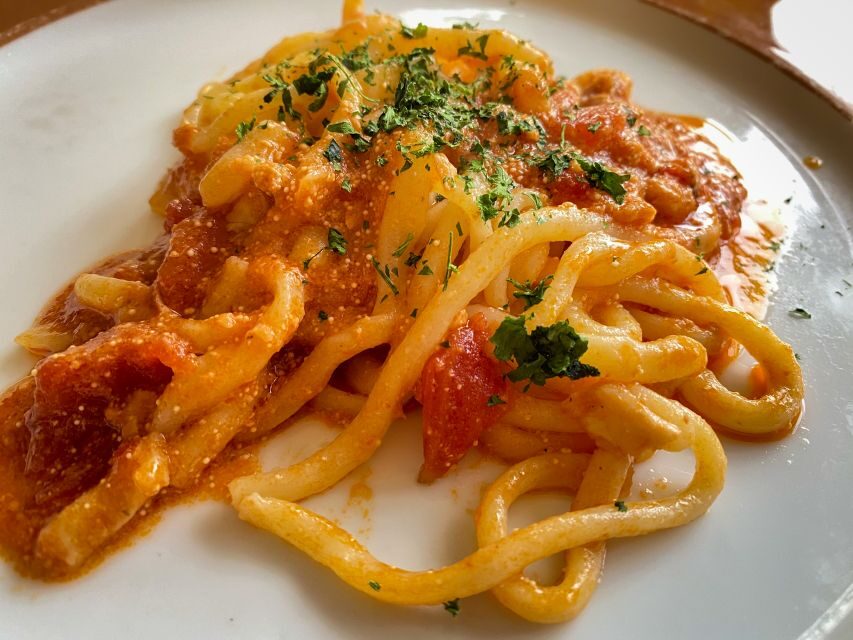
- Hand-made pici, taught step-by-step with the local appiciare method so you understand the motion, not just the recipe.
- Small-group pacing (up to 10) that makes it easier to get corrections while you’re rolling dough.
- Sauce skills you can reuse at home (ragù, aglione, cacio e pepe) instead of only learning the pasta shape.
- Lunch or dinner with what you make, plus a paired glass of wine.
- Farmhouse setting and a real chef apron as a small souvenir that feels like part of the day.
- No transportation service, and the farmhouse location comes after confirmation, so plan your ride early.
Montepulciano farmhouse pasta class: what makes it different
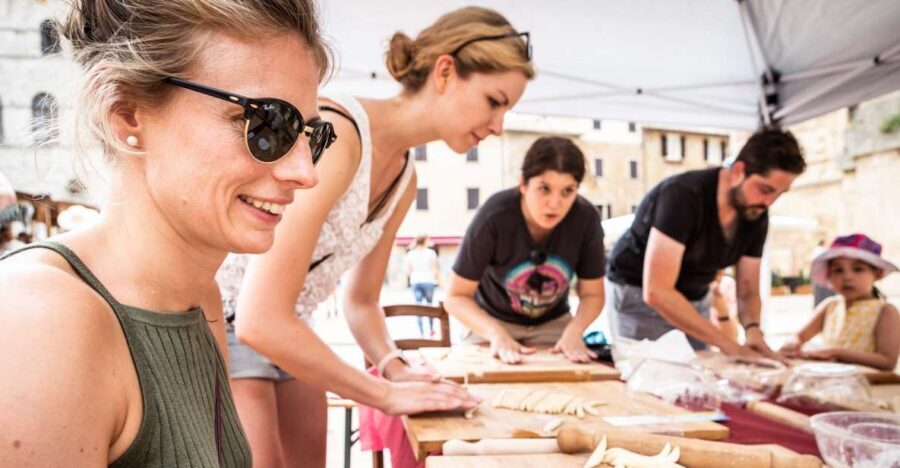
This isn’t the kind of cooking class where you watch someone else do the work and you smile politely. The point here is hands-on Tuscan pasta—especially pici, a thick cousin of spaghetti that’s rolled and shaped by hand. It’s also a very forgiving choice for beginners because the dough has a texture you can learn through touch.
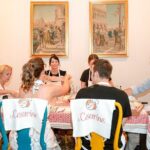
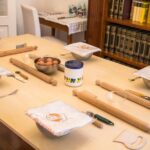
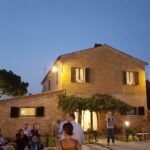
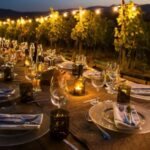
You’ll notice right away that the atmosphere matters. The experience happens on a farmhouse, not a commercial studio, and that changes the vibe. You’re working in a place built for food, not a room designed for photos. And because the group is limited to 10, you’re more likely to get your own bench time and real feedback instead of sharing one set of instructions with ten other people.
The “why” behind pici also helps. Pici is described as a peasant recipe, easy in concept even if it takes practice in the details. That’s exactly what you want when you’re traveling: you leave with skills you can repeat, not just a meal you ate once.
Other cooking classes in Montepulciano

The pici lesson: rolling, rubbing, and the appiciare motion
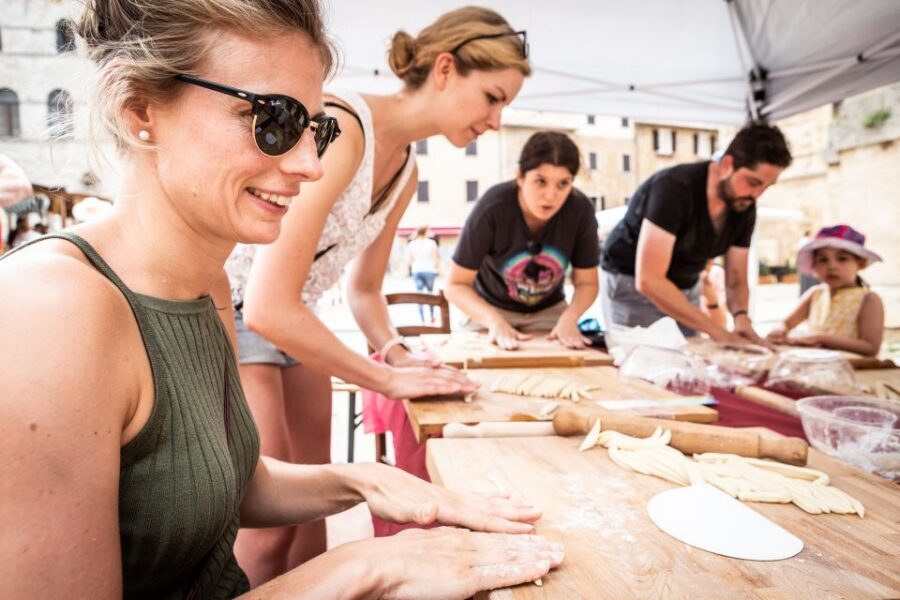
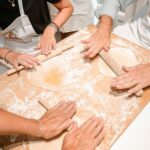
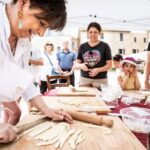
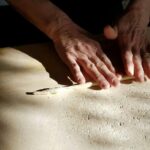
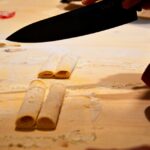
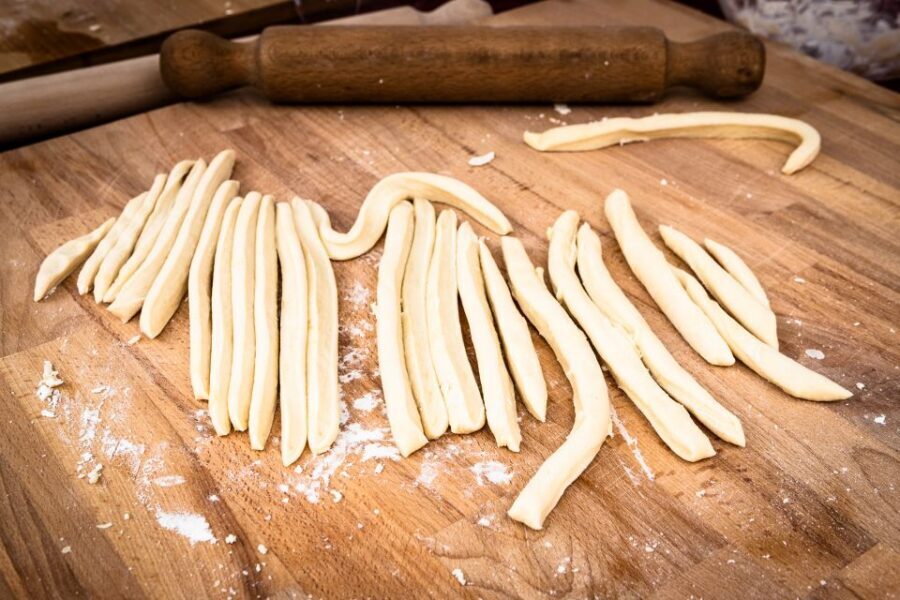
Let’s talk technique, because pici is all about technique. It’s thicker than normal spaghetti, and it’s made by rolling the dough and then rubbing it with both hands. That gesture is called appiciare in the local dialect, and it’s one of those details that sounds small until you try it.
Here’s the practical thing to watch for: consistency. Pici comes out better when the dough feels elastic and when your pressure is steady. During the class, you’ll learn what to aim for so your strands are even enough to cook well, without being so uniform that they lose their rustic charm.
Also, this is a pasta shape that teaches you something transferable. Once you understand how dough responds to touch—how it tightens, stretches, and relaxes—you can better handle other fresh pastas later. That’s why I like that the class doesn’t stop at pici.
If you’ve never made pasta before, give yourself permission to be slow at first. The goal isn’t speed. The goal is learning the feel. A few minutes of careful rolling can save you from a whole mess later when things cook unevenly.
Beyond pici: tagliatelle and sauce practice that actually sticks
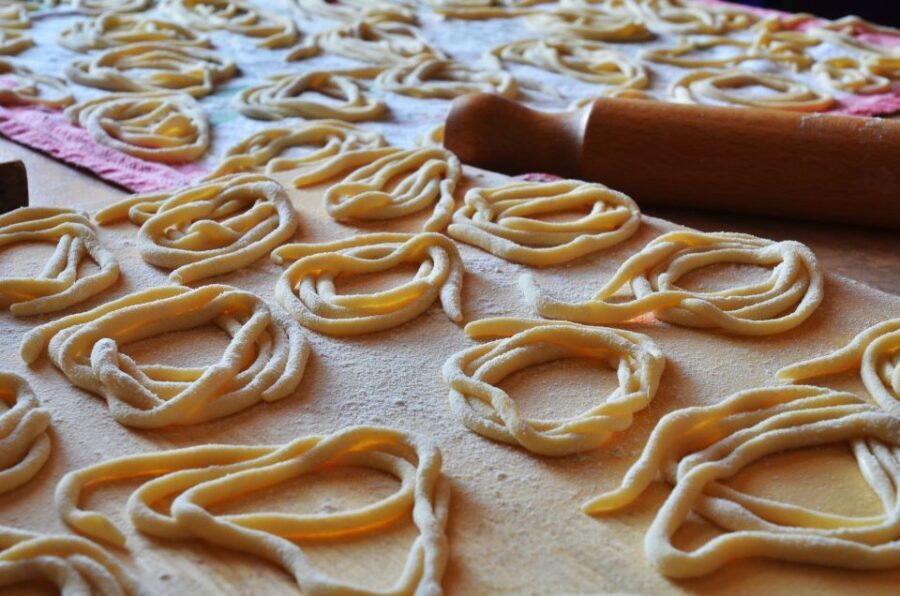
Pasta classes often overload you with one pasta and call it a day. This one spreads the learning. Along with pici, you’ll make typical fresh pasta like tagliatelle, and you’ll practice sauces that match Tuscany’s comfort-food logic.
What I’d call the standout is the sauce list:
- Meat ragout (ragù): hearty, slow-simmer style flavor.
- Aglione: garlic-forward sauce that’s deeply Tuscan in character.
- Cacio e pepe: cheese and pepper, simple ingredients but serious balance.
When sauces are explained well, they become your shortcut at home. If you know how garlic is treated in aglione, or how cheese and pepper combine without breaking, you can build quick dinners without hunting for the one exact product you learned in class.
Another thing you’ll likely appreciate: the sauces are designed to pair naturally with fresh pasta you made by hand. That’s a big difference from classes where you learn a technique that doesn’t match the meal. Here, what you cook is what you eat, in the same flavor language.
The meal and wine pairing: turning work into dinner
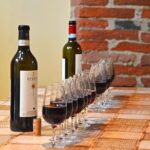
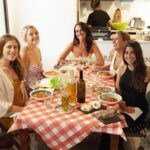
By the end, you sit down to eat the fresh pasta you made, with a glass of wine. This is where the day stops being a class and turns into a meal you can actually enjoy.
I like the structure: you learn, you cook, you plate, and then you taste. There’s no awkward moment where you wonder if you should wait for the instructor to tell you when to eat. The lesson naturally leads you into lunch or dinner, so the pacing feels right for a 3-hour experience.
One practical upside: because you’re eating what you cook, you can tell immediately what worked and what didn’t. If you had sauce trouble earlier, you’ll understand why your final bite tastes the way it does. That feedback loop is how you remember things.
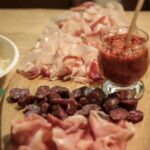
In some past sessions, the day also included extra food elements like bruschetta and farm-fresh ingredients. It’s not guaranteed for every date, but if it happens on your day, it’s a nice bonus that makes the meal feel even more connected to the place.
Who’s teaching: small touches from real hosts
The class is hosted by Italians who speak English as well, and the warmth really comes through in the way people are welcomed. In different sessions, I’ve seen names like Maria, Alister, Daniela, Daniel, and Irene/Irena tied to hospitality and instruction. There are also examples of teaching teams like Simonetta with assistant Susanna.
So what does that mean for you? It means you’re likely to get more than instructions. You’ll get explanations that aim to make the technique click. That matters with hand-rolled pasta, where the difference between good and great is often something you can’t measure.
If you’re the type of traveler who loves asking questions, this is a good fit. The small group size helps you speak up and get clarity without feeling like you’re interrupting a lecture.
Other Vino Nobile and Montepulciano tours in Montepulciano
Price and value: is $141.61 worth it
At $141.61 per person for a 3-hour class, it’s not a budget activity. But it also isn’t just a quick stop.
The value comes from four things you don’t always get together:
- You learn fresh pasta skills (pici and other typical pasta like tagliatelle).
- You learn sauces, not just shapes.
- You eat the meal you make (lunch or dinner).
- Wine is included with your course.
If you price it out the way you would at home—ingredients, gas, time, and the cost of someone teaching you proper technique—this starts to make sense as a Tuscany experience rather than a cooking gimmick.
Also, the small group limit (up to 10) is a real value factor. You’re paying for coaching time, not just access to a kitchen.
Logistics in plain English: timing, location, and how to plan your day
The experience lasts about 3 hours. Starting times vary by availability, so check your date and pick what matches your stomach schedule. Since it’s set up for lunch or dinner, you’ll want to build the rest of your day around that block.
The biggest practical detail: the farmhouse address is sent after booking confirmation. That’s normal for smaller operators, but it means you should:
- Map your route immediately once you have the address.
- Plan for parking or pickup if you’re driving.
- Assume you’ll need your own transportation since transportation service isn’t included.
Because it ends back at the meeting point, you’ll want a plan for what happens right after the meal too. This is a great option if you’re staying in Montepulciano, walking around afterward, and keeping your evening low-stress.
What to wear and bring so you enjoy it more
No dress code is listed, but think like you’re cooking: wear something you can move in, and you won’t mind if you get a little flour on your sleeves. Pastas smell incredible, but flour dust is part of the deal.
Also, if you’re someone who likes recreating recipes later, bring a phone and be ready to jot down the sauce approach you liked most. The techniques that matter are often the little things: how long something cooks, how the sauce texture forms, and what to adjust if the dough feels too tight or too loose.
Should you book this pici pasta-making class
Book it if you want a real Tuscan cooking skill you can repeat—especially if pici and classic sauces like aglione, ragù, or cacio e pepe sound like your kind of comfort food. It’s also a strong choice if you prefer small groups, farmhouse settings, and a meal that comes directly from your own work.
Skip it only if you strongly depend on transportation provided for activities, or if you hate the idea of planning your arrival to a farmhouse location you get after confirmation. Otherwise, this is a smart, satisfying Tuscany experience that trades big bus crowds for hands-on cooking and a table well worth the effort.
FAQ
How long is the Montepulciano pici pasta-making class?
The class lasts 3 hours.
What pasta will I learn to make?
You’ll learn to prepare pici and typical Tuscan fresh pasta, including tagliatelle, and you’ll also make sauces such as meat ragù, aglione, and cacio e pepe.
Is lunch or dinner included?
Yes. The experience includes lunch or dinner with fresh pasta.
Does the price include wine?
Yes. The meal is paired with a glass of wine.
What’s included in the experience?
Included: fresh pasta class and lunch or dinner with fresh pasta.
Is transportation provided from Montepulciano?
No. Transportation service isn’t included.
What’s the group size and language of the host?
The group is small, limited to 10 participants. The host or greeter speaks Italian and English.