REVIEW · MONTEPULCIANO
Tuscan Cooking Class -Traditional Pasta Menu
Book on Viator →Operated by Tuscan Cooking Classes by Le Caggiole · Bookable on Viator
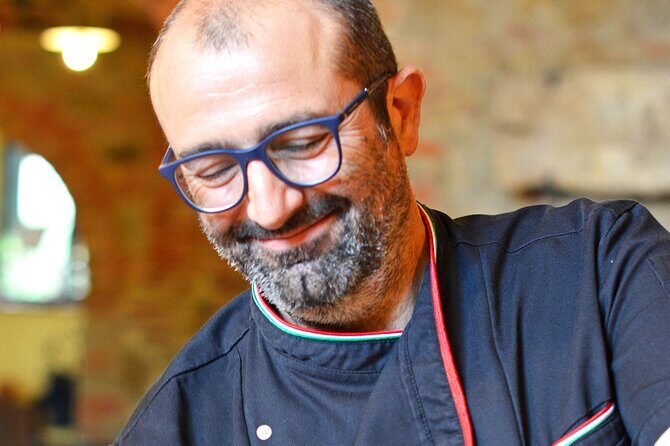
This class is a fun, low-pressure way to learn Tuscan cooking for real, not just watch it, with Giacomo (chef and graded sommelier) guiding you through classic family-style techniques. I like that you make the food by hand, including pici and pappardelle, then eat a full four-course meal with wine pairings. One thing to consider: you stand during the cooking, so plan on comfortable shoes and clothes you do not mind getting flour on.
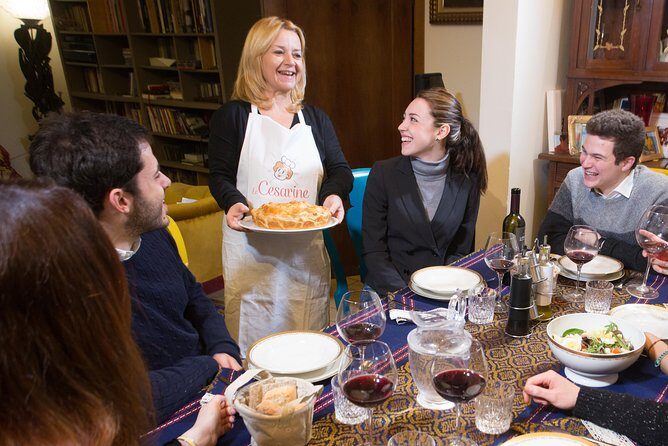
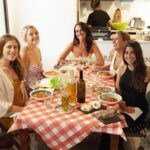
If you want the Tuscan food story behind the plate, you get it here. You also get a small-group feel (max 8), plus a social vibe around the big table at the end. It is not a hands-off cooking show, and it is not a party bus either.
In This Review
- Key Highlights at a Glance
- Tuscan Pasta By Hand in Montepulciano: What This Class Really Covers
- Le Caggiole Farmhouse Morning: Location, Meeting Point, and Timing
- Bruschette and the Tuscan Starter: Building Flavor Before the Pasta
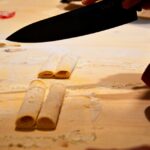
- Pici and Pappardelle: The Two Traditional Pastas You’ll Actually Make
- Pici with Traditional Sauce
- Pappardelle with Tuscan Meat Ragù (Cinta Senese)
- Tiramisù Ends the Meal: Dessert on the Terrace with Views
- Wine Pairing That Teaches You How to Think, Not Just What to Sip
- What Makes the Teaching Work: Small Group Attention and Real Coaching
- Menu Breakdown You Can Plan Around
- Price and Value for a 4-Hour Tuscan Cooking Class
- Who Should Book This Montepulciano Pasta Workshop
- Practical Tips So You Enjoy the Day (Not Just Survive It)
- Should You Book This Tuscan Cooking Class?
- FAQ
- What time does the class start in Montepulciano?
- Where do I meet, and does it include a shuttle?
- What’s included in the price?
- How many people are in the group?
- Is the class in English?
- Can I record video during the cooking?
- Can you accommodate allergies or intolerances?
Key Highlights at a Glance
- Small group (max 8 travelers) means more personal coaching as you shape dough
- Chef Giacomo + wine pairing: pasta and each savory course come with guided local wine tastings
- Hands-on menu: bruschette starter, pici, pappardelle ragù, and family-recipe tiramisù
- Dessert on the terrace while you enjoy the views
- No recordings during prep and you must stand while cooking, so come prepared
Tuscan Pasta By Hand in Montepulciano: What This Class Really Covers
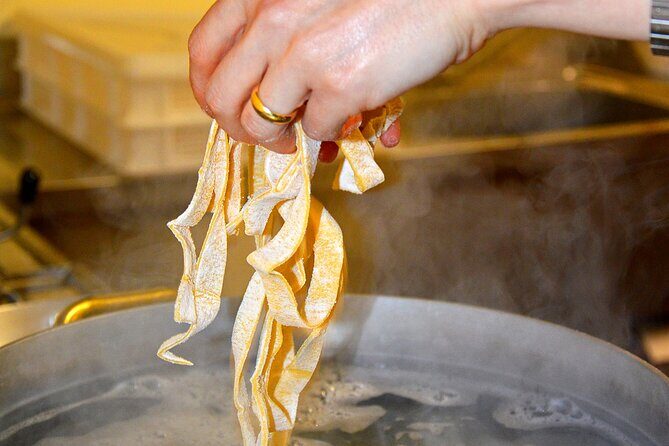
This is the kind of Tuscan cooking class that teaches technique first, not just steps. The goal is simple: you learn how to choose good ingredients and how to execute traditional fresh pasta and classic flavors, the way families do it. You are also introduced to wine pairing basics so you understand what makes a pairing work, not just what to pour.
The structure matters. You are not just cooking one pasta shape. You make two traditional types: pici and pappardelle, each with its own approach and its own sauce. Then you round it out with tiramisù, served in a relaxed way so the class ends like a proper meal, not like a classroom exam.
And because the hosts lean into a warm, friendly atmosphere, it feels familiar even if you are not a serious home cook. From the reviews, the teaching style sticks with people: technique, local variations, and a bit of history get woven in, so the food makes sense as part of Tuscany, not just as a recipe card.
Other cooking classes in Montepulciano

Le Caggiole Farmhouse Morning: Location, Meeting Point, and Timing
You start at Traversa di Montepulciano, 12, 53045 Montepulciano (SI), Italy at 9:30 am. The activity ends back at the same meeting point, and the total time is about 4 hours.
A key practical point: there is no transfer or shuttle service. So if you are relying on taxis or rental cars, you’ll want to plan ahead and arrive on time. Because the class is only a half-day window, being late can make the day feel rushed, and you really want to settle in.
Also, do not treat this like a casual stroll. The format includes hands-on cooking, and the instructions clearly say you have to stay standing during preparations. Bring comfortable shoes and clothes you can move in.
Finally, the class includes tasting and wine, so do yourself a favor and have a solid breakfast beforehand. You will be working, then eating, and then learning more—on an empty stomach this gets harder than it needs to be.
Bruschette and the Tuscan Starter: Building Flavor Before the Pasta
The meal starts with a classic Tuscan appetizer: traditional bruschette. This is not just a warm-up. It sets the tone for how the day’s flavors should work—simple ingredients treated carefully, with attention to balance.
In a hands-on class like this, the starter also helps you get oriented fast:
- where you stand and work in the kitchen setup
- how the kitchen tools are handled
- what the instructors expect from you when you have dough later
It is a good pacing move, too. You get fed early enough to feel good about what comes next, but you are still focused on learning.
Pici and Pappardelle: The Two Traditional Pastas You’ll Actually Make
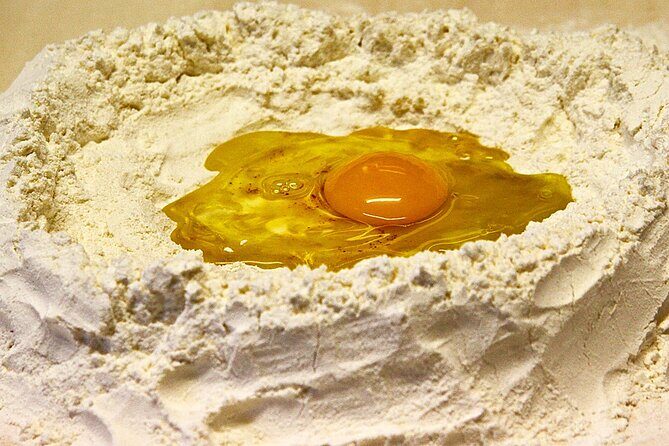
This is the heart of the experience, and it is built around real technique for fresh pasta.
Pici with Traditional Sauce
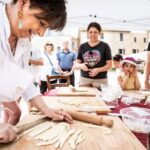
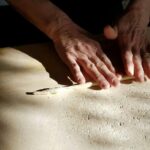
You make pici and pair it with a traditional sauce. Pici is long and rustic, and it has that “Tuscan table” personality—simple, but it needs the right handling so it cooks up with the right bite.
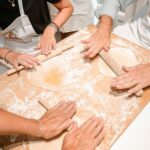
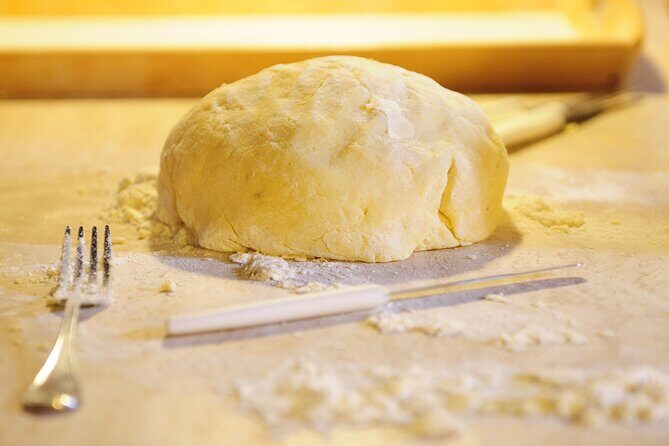
In practice, you learn more than the mechanics. You get coached on dough behavior and how to work it so it becomes pasta you can shape without panic. This matters because pici dough is forgiving in some ways, but picky in others—especially if you go too fast or overwork.
Other cooking classes in Montepulciano
Pappardelle with Tuscan Meat Ragù (Cinta Senese)
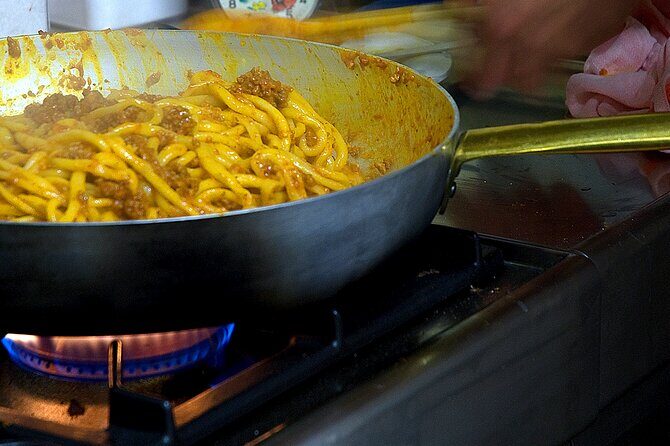
Next comes pappardelle with a Tuscan meat ragù made with Cinta Senese pork. This sauce is the kind of thing that makes people say they want to cook like Italians, not like microwaved recipe bloggers.
Pappardelle is wider, and it takes a different approach than pici. You learn to respect the shape, because the sauce-to-pasta relationship is the point. The ragù also gives you a flavor target: warm, slow, savory, and meant to cling.
From what people highlight in their feedback, the teaching emphasizes why the dishes work—technique plus the logic behind the flavors. That is what helps you repeat the results at home instead of just copying a single outcome.
Tiramisù Ends the Meal: Dessert on the Terrace with Views
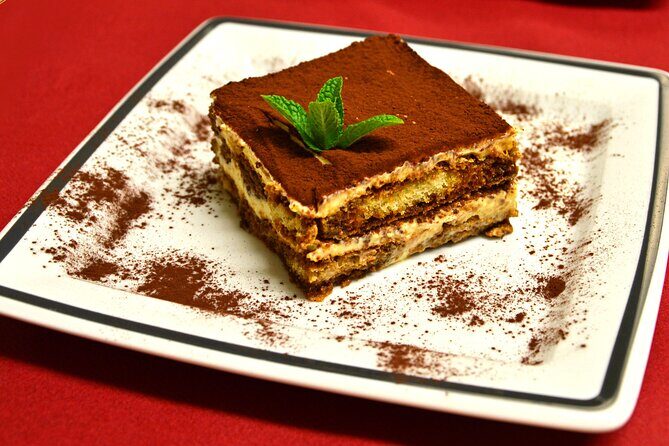
Tiramisù is your final course, and it is based on their own family recipe. The course ends with a calm, satisfying moment: you eat the dessert on the terrace while enjoying the views.
This part matters more than it sounds. When you take a cooking class, it is easy to finish feeling stuffed but slightly fried from too much effort. Here, the dessert setting is designed to let you slow down, reflect on what you made, and actually enjoy the day. It also gives you space to chat with your group in a way that feels natural.
One more detail that helps expectations: the wine pairings focus on the savory courses, since each dish (except dessert) is paired with a selected local wine as part of the sensorial path.
Wine Pairing That Teaches You How to Think, Not Just What to Sip
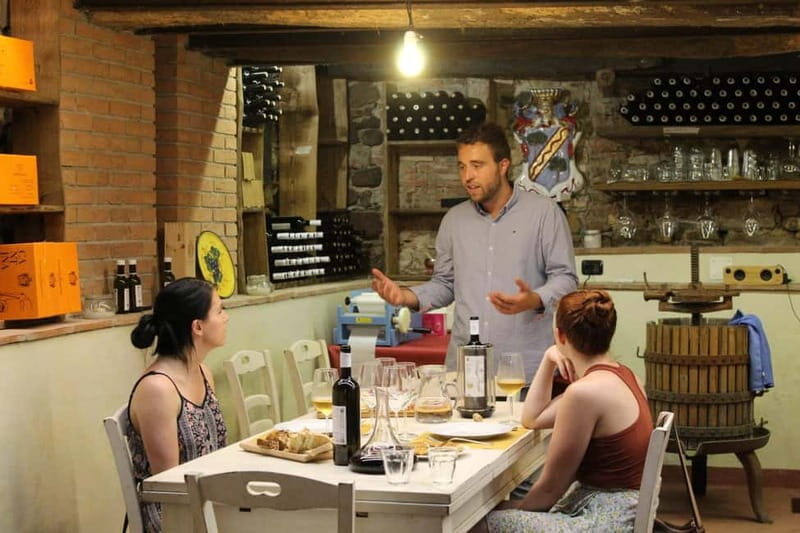
This is not a formal wine lecture. The class frames wine pairing as part of understanding the meal. Since Giacomo is the chef and a graded sommelier, you get the food-and-wine connection explained through cooking logic, not just wine jargon.
You taste three selected wines with food pairing. Each savory course is paired with a specific local wine, so you can taste how acidity, body, and flavor intensity interact with sauces and pasta textures.
What I love about this approach is that it gives you a takeaway you can use elsewhere. Even if you never cook pici again, you learn how to match wines to the weight of the dish:
- richer ragù calls for a more structured partner
- a lighter starter needs balance, not brute force
And because it is tied to what you just made, the lessons land fast. You remember because your palate is still warmed up from the meal.
What Makes the Teaching Work: Small Group Attention and Real Coaching
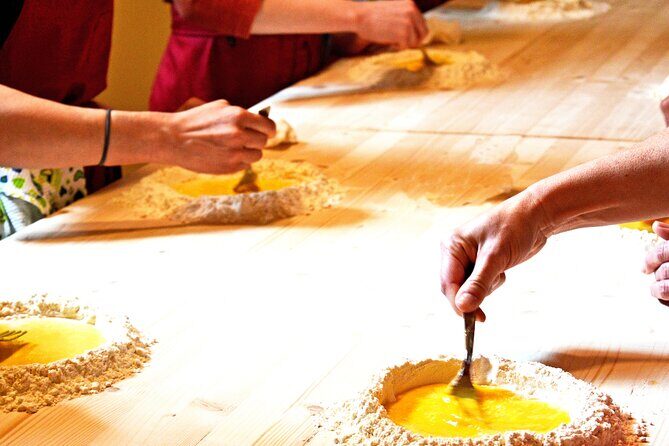
The class caps at 8 travelers, and that small size shows up in the way the kitchen instruction plays out. In a bigger group, you tend to wait your turn. Here, you get more chances to correct technique while it still matters.
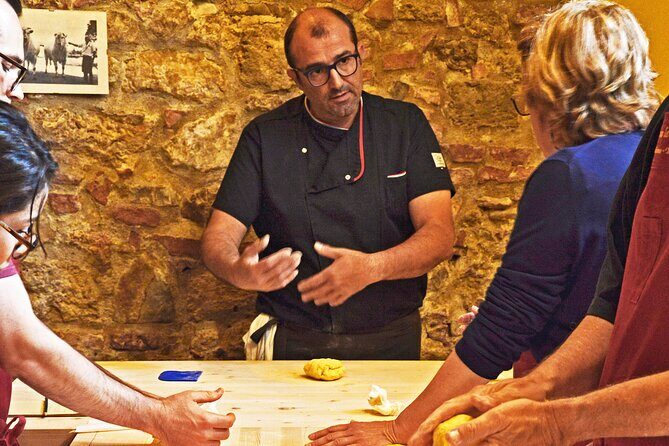
You also get a relaxed vibe, with an instructor team that includes Giacomo and Cristiana. Their energy is described as friendly and encouraging, and that matters when you are learning hands-on skills like shaping fresh pasta.
A useful note for your expectations: the course is described as dynamic, with practical cooking plus food and wine tasting, and it includes a social component with the other classmates. So you should expect to talk—quietly at first while you work, then more around the table when you’re eating.
Another small but helpful detail: on request, you can use pencil and block notes. If you like to write down ingredient choices or what you learned about dough, that is a nice touch.
Menu Breakdown You Can Plan Around
Here is the full four-course menu you should expect:
- Starter: traditional bruschette
- Main 1: pici with a traditional sauce
- Main 2: pappardelle with Tuscan meat ragù made with Cinta Senese pork
- Dessert: tiramisù, their own family recipe
Timing wise, you start with an appetizer, cook the two fresh pasta components, and then end with dessert served on the terrace.
Wine pairings cover the courses except dessert. Alcohol tastings are included, with three selected wines paired with the dishes.
Price and Value for a 4-Hour Tuscan Cooking Class
At $212.85 per person, this is not a casual bargain cooking moment. But it also is not a “just taste a few bites” experience.
You are paying for:
- hands-on instruction for two fresh pasta types and tiramisù
- use of aprons and kitchen tools
- all ingredients needed for the menu
- a full meal tasting of what you make
- three local wine tastings with food pairing
- a small group size (max 8), which boosts the coaching value
If you’re the type of traveler who wants skills you can take home, the value holds up. The best part is that you are learning a repeatable approach: ingredient choice, dough handling, and pairing logic. If you’re only chasing entertainment and prefer to watch from a chair, this setup may feel more work than you want.
Who Should Book This Montepulciano Pasta Workshop
This works best for you if:
- you want a hands-on Tuscan meal experience in a small group
- you enjoy food technique and want to understand why the dishes work
- you like wine, but you want pairing explained in plain language
- you want a morning activity that ends with a sit-down meal and dessert terrace time
It may not fit as well if:
- you hate cooking while standing
- you need transfers arranged for you (there are none)
- you rely on meal changes after booking (requests for menu changes after booking cannot be considered)
Also, the class is offered in English, so it is a good fit if you want instruction you can follow without language strain.
Practical Tips So You Enjoy the Day (Not Just Survive It)
A few details from the rules that make a big difference once you’re there:
- Skip rings, large bracelets, and artificial nails during prep for hygiene reasons
- Wear comfortable clothes and shoes since you stay standing during preparations
- Expect no video or other records during the cooking
- Tell them about any intolerances or food allergies before booking so they can evaluate whether a dish can be adjusted
One more smart move: arrive with energy. The class runs about 4 hours and includes tasting and wine, so you’ll enjoy it more if your breakfast is solid and your plan for lunch after is light.
Should You Book This Tuscan Cooking Class?
Yes—if you want a real Tuscan skill day in Montepulciano, with chef-led coaching and wine pairing that connects to what you just cooked.
Book it if:
- you care about technique (making fresh pasta by hand, not just watching it happen)
- you want two pasta shapes plus tiramisù, then you actually eat everything you make
- you like a small group and a friendly social vibe around the big table
- you want the food-and-wine pairing explained by Giacomo, chef and graded sommelier
Skip it (or at least think twice) if:
- you need a lot of seating and low physical effort
- you depend on a pickup or shuttle
- you strongly want photos and recordings during prep (those are not allowed)
If you’re aiming to bring home more than souvenirs, this is one of the best ways to do it.
FAQ
What time does the class start in Montepulciano?
The class starts at 9:30 am and lasts about 4 hours.
Where do I meet, and does it include a shuttle?
You meet at Traversa di Montepulciano, 12, 53045 Montepulciano SI, Italy. The experience does not offer transfer or shuttle service, and it ends back at the meeting point.
What’s included in the price?
Meals tasting the food prepared, alcoholic beverages tasting of 3 selected wines with food pairing, aprons and various kitchen tools, and all ingredients needed.
How many people are in the group?
The class has a maximum of 8 travelers.
Is the class in English?
Yes, it is offered in English.
Can I record video during the cooking?
No. The instructions say no video or any other records during the preparations.
Can you accommodate allergies or intolerances?
You need to inform them about intolerances and/or food allergies before completing the booking so they can evaluate possible changes. After booking, requests for menu changes cannot be taken into consideration.