REVIEW · SIENA
The Countess’s Lunch: Wine Tasting Paired with Signature Cuisine
Book on Viator →Operated by Agricola Poggio ai Laghi · Bookable on Viator
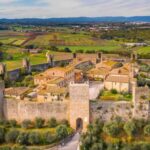
Siena can taste like a whole afternoon. This 1 hour 45 minute wine tasting in the Monteriggioni countryside pairs a guided sommelier session with a real Tuscan lunch, plus tasting stops for extra virgin olive oil and specialty balsamic vinegar. It’s offered in English, and you’ll be in a small group capped at 15 people.
I especially like that the menu is built to match what you’re drinking. You don’t just sample wine and then eat later—you’re moving through tastes, then sitting down to plates like lasagna with Tuscan meat ragù and roast pork loin with oven-baked potatoes.
One thing to consider: the experience has a retail side. If you want to buy bottles or ship them home, ask clear questions about shipping requirements and minimums, because some buyers have reported problems and felt the process could turn into a firmer sales moment.
In This Review
- Key highlights you’ll care about
- A Tuscan winemaker’s lunch at Agricola Poggio ai Laghi
- What’s included in the tastings: wines, olive oil, and balsamic
- The wine lineup in plain English (and why it’s a smart mix)
- Balsamic and olive oil: the flavors that make the meal memorable
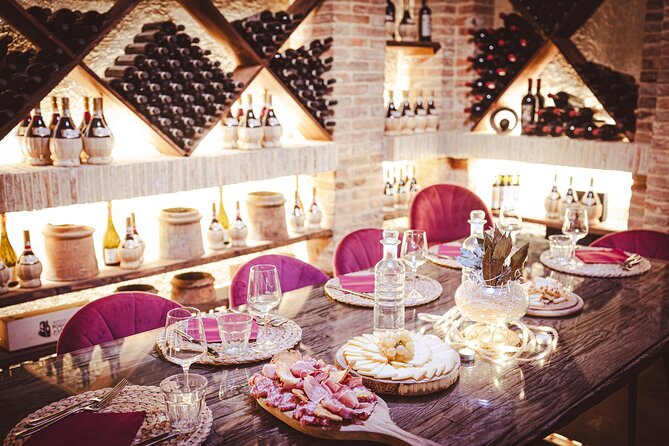
- The Tuscan lunch menu: what you’ll actually eat
- Appetizers
- First course
- Main course
- Dessert
- How the 15-person max changes the experience
- Price and value: is $84.29 worth it?
- Buying wine and shipping it home: don’t skip the questions
- Who should book this Siena lunch pairing—and who might not
- Quick practical tips before you go
- Should you book The Countess’s Lunch?
- FAQ
- How long is The Countess’s Lunch?
- How many people are in the group?
- Is it offered in English?
- What’s included in the lunch menu?
- What wines and other products are tasted?
- Where does the tour start and end?
- What if the weather is poor or the minimum number of travelers isn’t met?
Key highlights you’ll care about
- A structured pairing, not random sips: wines plus olive oils and balsamic vinegar are meant to be tasted in sequence with your meal.
- Big Tuscan flavors in a short window: Chianti and Chianti Riserva show up alongside a Supertuscan IGT and a white Toscana IGT.
- Lunch that feels like lunch: salumi and pecorino to start, lasagna in the first course, arista pork main, then cantuccini and Vin Santo.
- Tasting focus goes beyond wine: Gold selection Balsamic Vinegar of Modena PGI and specialties like red onion balsamic and truffle olive oil.
- Small-group pacing: a max of 15 travelers keeps the experience personal and questions easier to ask.
- English-language hosting: the experience is offered in English with a team of sommeliers.
A Tuscan winemaker’s lunch at Agricola Poggio ai Laghi
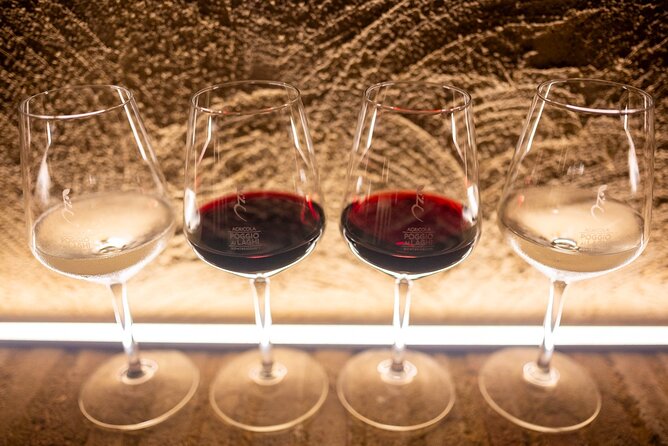
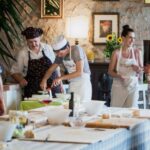
This experience is centered on Agricola Poggio ai Laghi, where you spend your time tasting and eating in a compact block—about 1 hour 45 minutes total. The meeting point is on STRADA DI SANT’ANTONIO, 56, in Monteriggioni (you’re not dealing with multiple transfers or complicated hops).
What makes it interesting is the “whole table” approach. You’re tasting a theme of the territory—wine, olive oil, and balsamic vinegar—then getting served an elegant Tuscan lunch designed to make those flavors easier to recognize. In other words, it’s not a museum lecture. It’s food you can taste and map to the glass.
Also, it’s practical for real travel days. You get a mobile ticket, and the activity returns you to the meeting point at the end, which means you’re not stuck re-navigating your afternoon.
If you're still narrowing it down, here are other tours in Siena we've reviewed.

What’s included in the tastings: wines, olive oil, and balsamic
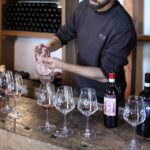
The tasting part is built around a full flavor lineup. Your hosts guide you through a set of products where the goal is harmony—how the wine works with food-adjacent flavors, not just how good each product is on its own.
Here’s what you’ll be tasting as part of the lineup:
Wines (hand-selected assortment)
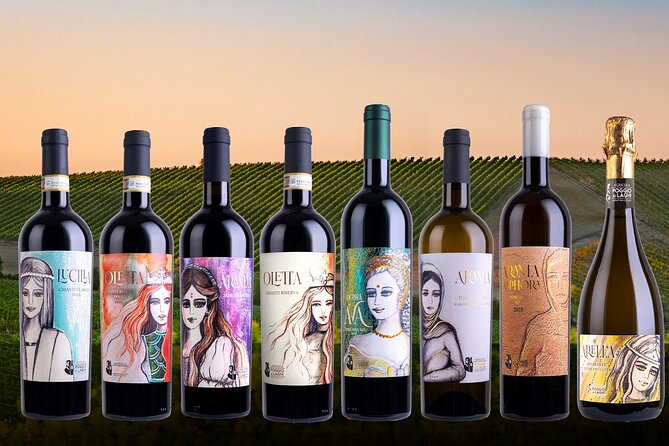
- Arella – Spumante Cuvée Extra Dry Oletta
- Firmina – Spumante Rosé Extra Dry
- Oletta – Chianti Riserva DOCG
- Lucilla – Chianti Classico DOCG
- Aranda – Supertuscan IGT
- Donna Ava – Toscana Rosso IGT
- Nina – Chianti Classico Riserva DOCG
- Arania – IGT Bianco Toscana
Balsamic vinegars
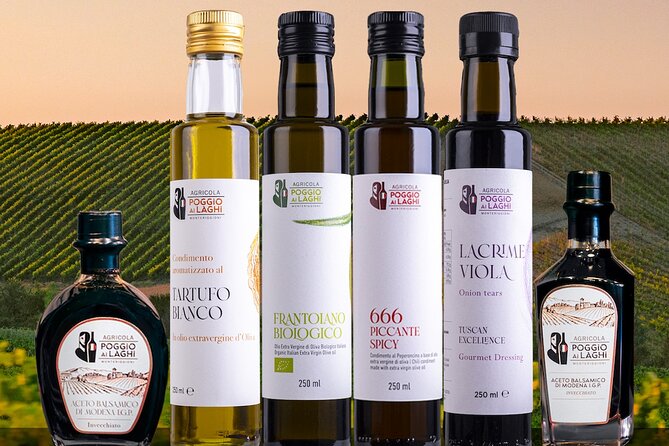
- Balsamic Vinegar of Modena PGI – Gold Selection
- Lacrime Viola – Red Onion Balsamic Vinegar (Tuscan Excellence)
Extra virgin olive oils
- Classic Extra Virgin Olive Oil (balanced and harmonious)
- White Truffle Olive Oil (elegant and enveloping)
- Chili Pepper Olive Oil (bold and vibrant)
That set matters because it trains your palate fast. Bubbles help reset you. Then you move into reds with different structures, and you finish with white. In parallel, the balsamic and olive oil give you sweetness/acid and fat/aroma cues that make the wine pairings click.
If you’re the type who likes to learn by tasting, this format works. You can actually compare how acidity behaves, how aromatic oils taste before they hit your food, and what balsamic does when you pair it with savory bites.
The wine lineup in plain English (and why it’s a smart mix)
The wine list is a nice spread of styles without being random. You’re going from sparkling to rosé to classic Chianti territory, then into higher-end categories and back to a white.
Here’s how the lineup tends to make sense for your tasting:
Sparkling starts the day
- Arella (Spumante Cuvée Extra Dry) and Firmina (Spumante Rosé) give you a light, crisp start. Extra dry styles are great for cutting through salumi and cheese flavors later.
Chianti shows up in multiple “levels”
- Oletta: Chianti Riserva DOCG
- Lucilla: Chianti Classico DOCG
- Nina: Chianti Classico Riserva DOCG
Having Riserva and Classico versions in the set lets you taste difference in maturity and intensity. You can pick up the shift between sharper, younger fruit expression versus deeper, more developed profiles.
Then come the “neighbor rebels”
- Aranda – Supertuscan IGT
- Donna Ava – Toscana Rosso IGT
These help you notice what happens when winemakers push beyond classic expectations. Even if you don’t call it by technical terms, you’ll feel the structural differences in the glass.
The white adds contrast
- Arania – IGT Bianco Toscana
A white at the end (or mid-sequence, depending on pacing) gives your palate a reset and makes it easier to see how tannin and acidity behave when the meal changes.
The practical win here: you leave with more than a few bottles you liked. You can talk through why you liked them—because the tasting sequence gives you those comparisons.
Balsamic and olive oil: the flavors that make the meal memorable
A lot of wine tastings treat olive oil and balsamic as a supporting extra. Here, they’re part of the core session.
The Balsamic Vinegar of Modena PGI – Gold Selection gives you a classic benchmark: thick, sweet-sour character, and a finish that sticks. Then you get a more unusual cue with Lacrime Viola, a red onion balsamic. That one is the fun curveball. It shows how vinegar-like products can carry unexpected aromatics, not just sugar and tang.
On the olive oil side, you taste three styles that are meant to teach you fast:
- Classic olive oil: balanced and harmonious, a baseline you can compare everything else to.
- White truffle oil: more aromatic and enveloping, usually best understood in tiny tastes because the aroma is strong.
- Chili pepper oil: bold and vibrant heat. It doesn’t just add spice—it changes how the wine’s fruit and acidity feel.
If you’ve ever tried to cook with truffle or chili oil and wondered why it tastes different than expected, this is the kind of tasting that makes the difference click. You’ll understand intensity, aroma, and how much oil changes a dish in a single spoonful.
And yes, you’ll likely start paying attention to the way bread, salumi, and cheese handle these flavors—because the lunch includes exactly those building blocks.
The Tuscan lunch menu: what you’ll actually eat
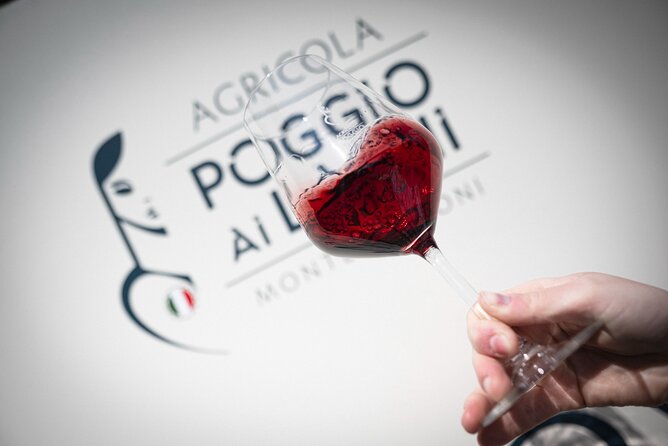
Lunch is the anchor of this experience. The menu is designed to make your tasting work in real life, not just in theory.

Appetizers
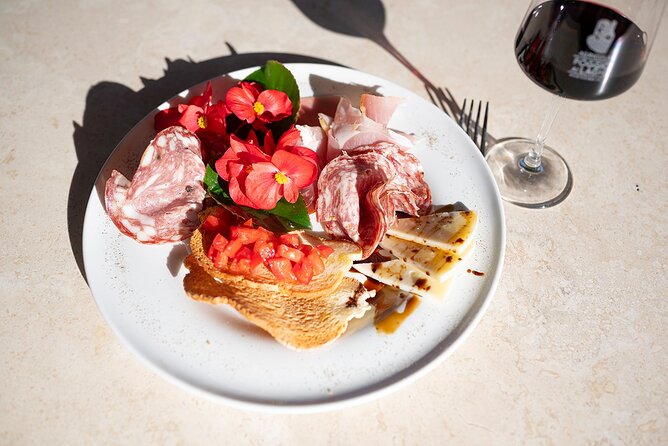
You’ll get an assortment that hits savory, salty, and fatty notes:
- Tuscan salami
- finocchiona
- Tuscan cured ham
- pecorino cheese
- bruschetta with fresh tomato and basil
- toasted bread crisp with extra virgin olive oil
This matters for pairing. Salumi and pecorino love structured reds; tomato and basil help match acidity and freshness; and the olive oil connects directly back to the oil tasting.
First course
- Lasagna with traditional Tuscan meat ragù
This is a hearty, comfort-food dish. It’s the kind of plate that can swallow weak wine. So it’s a good “test” course during your pairing, and it helps you judge whether the wine has enough backbone.
Main course
- Roast pork loin (arista) with oven-baked potatoes
Arista is a great match for red wine because it brings richness without being overly sweet. Potatoes also absorb flavors and soften bite—good for keeping the tasting pleasant rather than aggressive.
Dessert
- Cantuccini and Vin Santo
The cantuccini are made for dunking. Vin Santo brings that nutty, sweet finish that plays well with how earlier tannins settle in your mouth.
One practical note: the sample menu you’ll see includes cantuccini as the dessert item, while the overall menu description includes cantuccini and Vin Santo. Either way, dessert is part of the included meal—just confirm the exact pouring at your service.
How the 15-person max changes the experience
This isn’t a cattle-car tasting. The group maximum is 15 travelers, which changes the vibe in a good way.
That small number helps in a few practical ways:
- You can ask questions without waiting for silence.
- The host can slow down if you want more detail about a specific bottle or pairing.
- The session timing feels more respectful of your appetite (and you’re going to get hungry).
The format is led by sommeliers, so expect guided tasting that focuses on understanding your glass in terms of the territory—what the wine, oil, and vinegar are bringing to the table.
The best part is that the learning stays attached to food. When you can take a sip after a bite of bruschetta or after a taste of truffle oil, you’re not guessing. You’re testing.
Price and value: is $84.29 worth it?
At $84.29 per person, you’re paying for three things at once:
1) a multi-wine tasting (sparkling, rosé, Chianti variations, Supertuscan, a white)
2) specialty tastings of balsamic vinegar and olive oils
3) a full Tuscan lunch meal with appetizer, lasagna, arista pork, and dessert
If you tried to build this yourself, you’d quickly spend money on a tasting flight plus a sit-down lunch. Here, the meal and the tastings are designed to work together, so you’re not just buying food—you’re buying pairings and instruction that make the meal more meaningful.
Is it a bargain? For the area, it can be, because the package includes more than wine and pours. But the value depends on how you approach it: if you want to eat well and taste broadly, this price makes sense fast. If you only want one or two wines and plan to skip the rest, the value might feel less obvious.
Buying wine and shipping it home: don’t skip the questions
You should assume there’s a retail counter. Several buyers have reported that the process can feel like a push, and a few specific concerns came up around shipping.
Here’s what I’d do before handing over your card:
- Ask upfront if there’s a bottle minimum for shipping. One buyer mentioned a shipping minimum being required at the counter.
- Confirm how many bottles you can choose from the selection and how shipping is priced. One report mentioned a mismatch between charged shipping and what arrived.
- If you order for more than one country, double-check the product list and destinations before checkout.
- If you care about customer service, make sure you have your purchase confirmation details saved, including shipping paperwork.
I’m not saying you’ll have problems. Many people do buy bottles and ship home without drama. But with wine purchases, you want clarity while you’re still standing there with a receipt in hand.
Who should book this Siena lunch pairing—and who might not
This tour is a great fit if:
- you want Chianti-focused learning without needing deep wine jargon
- you love food pairings and want lunch to be part of the education
- you’re curious about balsamic vinegar and olive oil beyond the basics
- you prefer small-group pacing (max 15) over a large group with rushed service
It might not be the best fit if:
- you dislike sales pressure and want a tasting with zero expectation to purchase
- you plan to ship bottles and prefer to avoid any chance of confusion with minimums or cross-border orders
- you’re short on time and prefer quick tastings rather than a full meal experience
Also, the experience requires good weather. If you’re visiting during a season when rain is common, bring a backup plan for the rest of your day.
Quick practical tips before you go
- Bring your appetite. Appetizers plus lasagna plus arista adds up quickly.
- If you’re sensitive to heat, note that chili pepper olive oil is part of the tasting lineup. You’ll still have room to sip and reset.
- If you want to buy, decide your plan before checkout. That helps you avoid last-minute surprises.
- Save your mobile ticket and check-in timing so you can start tasting without stress.
Should you book The Countess’s Lunch?
Book it if you want a satisfying Siena-area wine + lunch pairing in a small group, with balsamic vinegar and olive oil that actually get attention. The package feels designed for people who enjoy eating and learning by tasting rather than sitting through a long talk.
Skip it (or at least go in with your guard up) if you hate the retail side of winery visits. If you want to purchase or ship wine, ask about shipping minimums and confirm details clearly at the counter.
If you’re in Tuscany and you want one afternoon that’s equal parts delicious and instructional, this is a strong choice.
FAQ
How long is The Countess’s Lunch?
The experience lasts about 1 hour 45 minutes.
How many people are in the group?
The tour has a maximum of 15 travelers.
Is it offered in English?
Yes, the experience is offered in English.
What’s included in the lunch menu?
You’ll get Tuscan salumi and cured meats with pecorino cheese and bruschetta, then lasagna with traditional Tuscan meat ragù, roast pork loin (arista) with oven-baked potatoes, and dessert including cantuccini (with Vin Santo listed in the overall menu description).
What wines and other products are tasted?
The tasting selection includes multiple wines such as Chianti Riserva DOCG and Chianti Classico DOCG, plus an IGT Supertuscan and a Toscana bianco, along with Balsamic Vinegar of Modena PGI (Gold Selection), a red onion balsamic vinegar, and three extra virgin olive oils (classic, white truffle, and chili pepper).
Where does the tour start and end?
The meeting point is Agricola Poggio ai Laghi, STRADA DI SANT’ANTONIO, 56, 53035 Monteriggioni SI, Italy, and the activity ends back at the meeting point.
What if the weather is poor or the minimum number of travelers isn’t met?
The experience requires good weather. If it’s canceled due to poor weather, you’ll be offered a different date or a full refund. If the minimum number of travelers isn’t met, you’ll also be offered a different date or a full refund.