REVIEW · SIENA
Siena: Traditional Tuscan Cooking Class with Fresh Pasta
Book on GetYourGuide →Operated by Scuola di cucina di Lella · Bookable on GetYourGuide
Some meals teach you, others just feed you. This one does both. You’ll learn hand-rolled pasta and build a complete traditional Tuscan meal in one class, then sit down to eat it. The main watch-out: plan to arrive with a light stomach, because you’ll be working on a full dinner.
Chef Francesco runs the show with a mix of Italian explanations and English support, and the vibe is friendly and very hands-on. I like that local ingredients are used as much as possible, and everyone gets time to make their own pasta instead of only watching. One possible drawback is that some courses are prepared mostly by the chef, so your personal hands-on time may vary by what the group needs that day.
In This Review
- Key Things to Know Before You Go
- A Real Tuscan Cooking Class in Siena (Not Just a Demo)
- Finding Scuola di Cucina di Lella: What the Start Feels Like
- Starter and Soup: Learn the Logic Behind Tuscan Flavor
- The Hands-On Moment: Fresh Pasta Made by Hand
- Sauce, Pasta Finishing, and How Much You’ll Do
- Meat and Side Dish Plus Dessert: Where the Class Builds the Full Dinner
- Eating What You Cook: Wine Included and the Table Becomes Part of the Meal
- Value for $147+: What You’re Really Paying For
- Dietary Options: Gluten-Free and Vegetarian Substitutions
- Practical Tips That Make a Huge Difference
- Who Should Book This Class (And Who Might Not Love It)
- Should You Book This Siena Pasta Class?
- FAQ
- How long is the cooking class?
- What’s included in the price?
- Is gluten-free or vegetarian food available?
- Is pickup and drop-off included?
- What languages are offered?
- Can I get a full refund if plans change?
Key Things to Know Before You Go
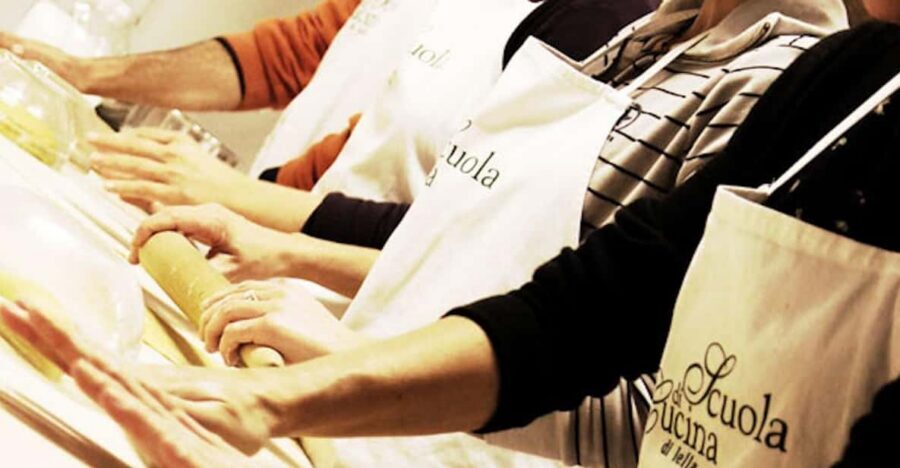
- Hand-rolled pasta is the star: you’ll get to make your own, not just taste it.
- Chef Francesco explains more than recipes: expect context on regional influences as you cook.
- Multi-course dinner at the end: you’ll eat what you make with local red wine.
- Small-group feel: many groups stay intimate, so you get real interaction while cooking.
- Dietary needs can be handled: gluten-free and vegetarian substitutions are offered.
- Eat lightly before class: you’ll leave hungry—in a good way, because dinner is included.
A Real Tuscan Cooking Class in Siena (Not Just a Demo)
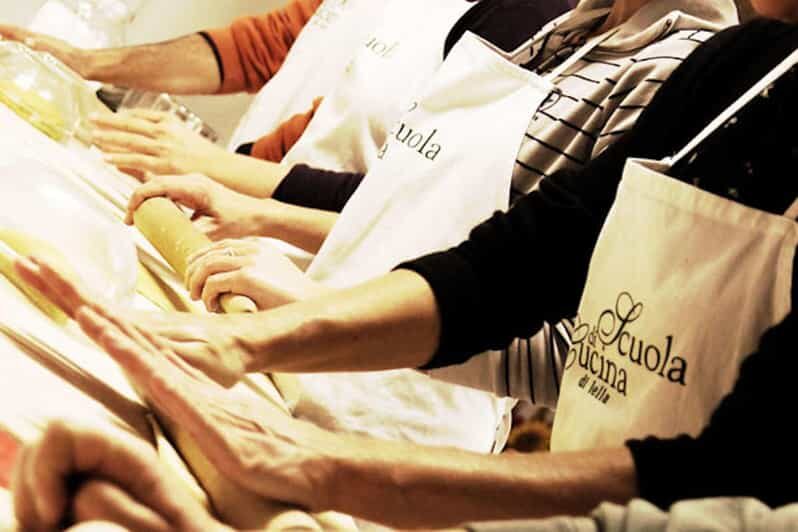
This is the kind of cooking class that makes sense even if you’re not trying to become an expert chef. In about 3.5 hours, you’ll go from prep work to a full meal, with fresh ingredients and steady instruction.
The format matters. You don’t just get recipes handed to you; you learn the steps while you do them. And because the food ends up on your table, you see what the work is actually for. That’s the difference between a fun activity and a memorable skill you can repeat later at home.
Other cooking classes in Siena
Finding Scuola di Cucina di Lella: What the Start Feels Like
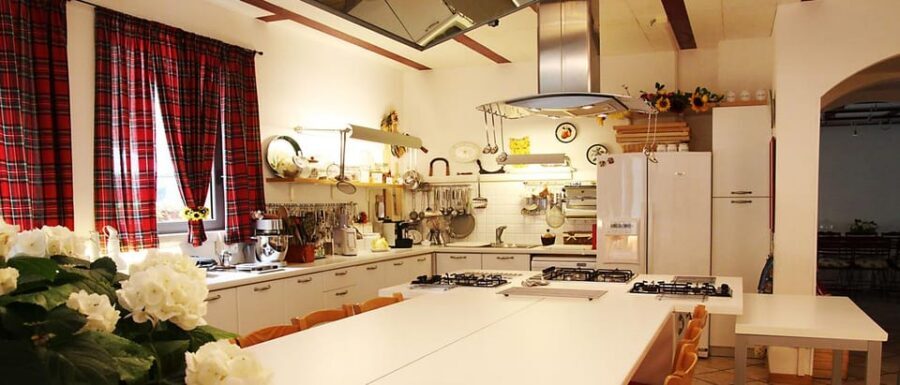
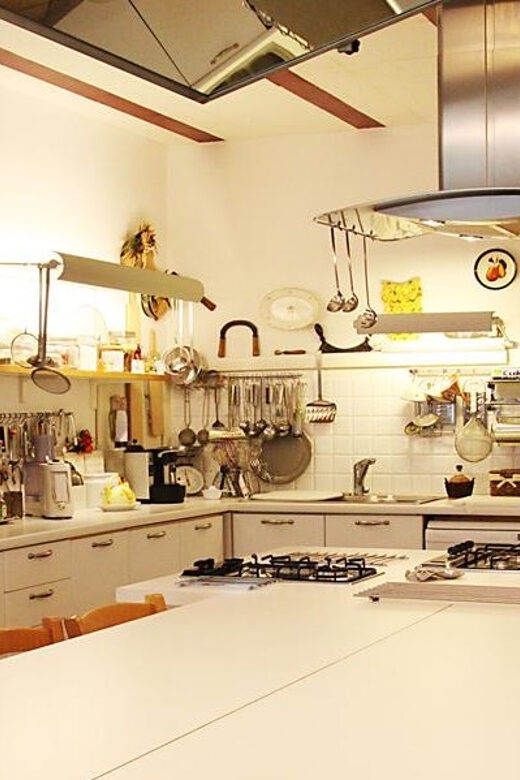
You’ll start at Scuola di cucina di Lella, following the signs for the school. There’s no pickup or drop-off, so you’ll want to plan to reach the meeting point on your own. Good news: it’s on the ground floor, which tends to make getting in and getting settled much easier.
Once you’re inside, expect a classic cooking-room setup: stations for ingredients, space to work, and the rhythm of a real kitchen. The chef prepares and teaches at the same time, and the hosts support in English while the chef communicates in Italian. If you’re comfortable asking questions (even simple ones), you’ll get more out of it.
Starter and Soup: Learn the Logic Behind Tuscan Flavor
The menu covers a full arc of a traditional Italian/Tuscan meal, from starter through dessert. You can expect a starter and a soup, then you move into fresh pasta and the main courses.
Here’s what makes this portion valuable: you’ll learn how Tuscan cooking thinks. It’s not about fancy techniques; it’s about building flavor step by step with ingredients that taste like they came from the region (because they did). You also get explanations that connect dishes to their local roots, which helps the recipes make sense later when you’re not standing in front of the chef.
A practical tip from the overall experience style: don’t show up stuffed. One of the most common small complaints is that some people wish there had been a snack because they arrived too hungry (or too empty). The best move is to eat lightly before you go, then treat class like dinner prep, not like a snack.
The Hands-On Moment: Fresh Pasta Made by Hand
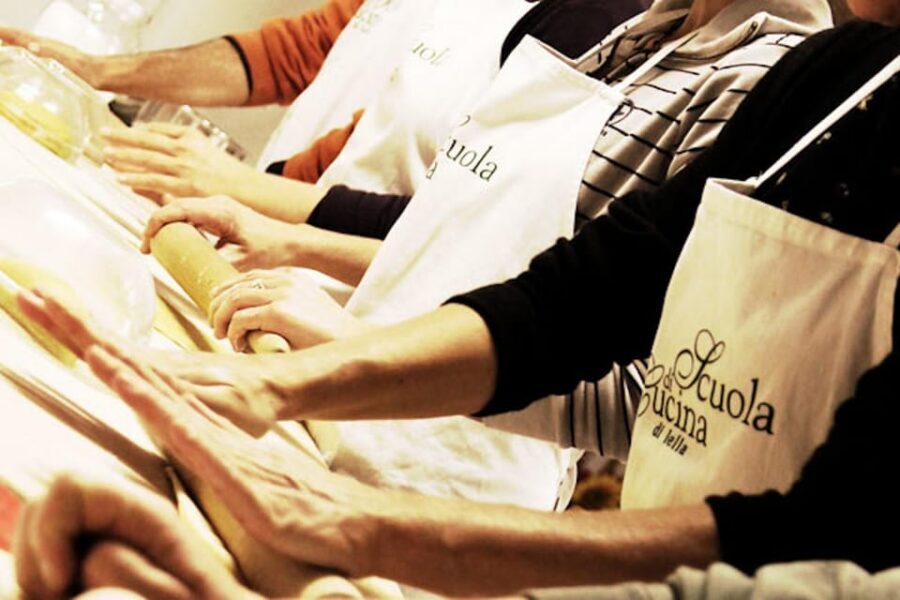
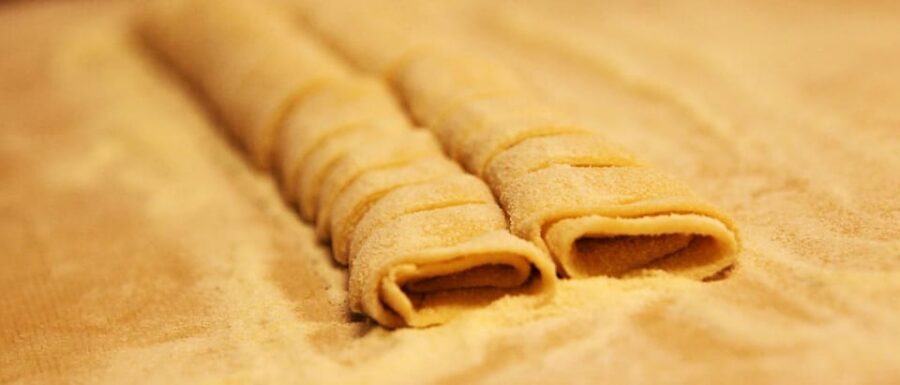
If you’re signing up for one reason, it’s this: you’ll make fresh pasta by hand. The class is built around everyone having the chance to roll and shape, not just observe.
One review specifically called out learning to hand-roll pici, including that you may get varying levels of success at first—totally normal for something so hands-on. The key is that Chef Francesco and the hosts keep things encouraging. You work the dough, you shape it, and you see what consistency and thickness look like in real time.
A helpful detail: the process doesn’t live only in your memory. You receive recipes in English to take home, so even if your hands are busy, you can follow along and later translate the steps into something you can cook again.
Sauce, Pasta Finishing, and How Much You’ll Do
You’ll prepare fresh pasta with sauce as part of the flow of the meal. The kitchen pacing can vary a little depending on timing and group size, but the overall structure stays consistent: chef instruction, hands-on participation, then moving through the meal so you can sit down together at the end.
Some parts of the menu may lean more chef-driven than you-driven. That’s not a bad thing—it’s how they keep quality high while still giving you real practice. You’ll typically have enough involvement to feel ownership of the final dinner.
Other cooking classes in Siena
Meat and Side Dish Plus Dessert: Where the Class Builds the Full Dinner
After the pasta section, you’ll move into the next components: meat and a side dish, then dessert. This is where the course earns its “Tuscan dinner” promise, because you’re not left with only one highlight.
In many cooking classes, dessert becomes an afterthought. Here, dessert is part of the included meal arc, which means you finish with something satisfying rather than just a warm memory of the pasta. You also get used to the class rhythm—prep, cook, taste, adjust—so the experience feels like a real meal happening in stages.
Eating What You Cook: Wine Included and the Table Becomes Part of the Meal
At the end, the table is set and you eat what you prepared. That’s a big deal. It turns the class into a full experience rather than a “laboratory” where you leave with a bag of ingredients and vague instructions.
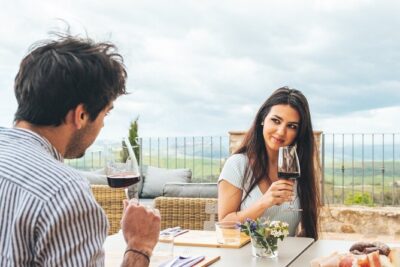
A standout detail: local red Tuscan wine is included. This is the kind of pairing that fits naturally with the food because it’s local to the region you’re visiting, not some generic restaurant pour. It also makes the dinner feel like an event rather than a quick tasting.
You’ll also get a social benefit. Groups can stay small and intimate, which makes it easier to talk with the other people cooking and sharing the table. If you like food conversations, this class can give you a few new friends along the way.
Value for $147+: What You’re Really Paying For
At about $147 per person, this class isn’t bargain-bin cheap. But the value is easier to see when you break down what’s included.
You’re paying for:
- An English/Italian instruction setup with a local expert chef (Chef Francesco)
- Fresh, locally sourced ingredients used during the lesson
- Fresh pasta practice you can’t easily replicate without guidance
- A full meal: starter, soup, pasta with sauce, meat and side dish, plus dessert
- Local red Tuscan wine included
- Recipes provided in English to take home
Where the price becomes fair is the combination of skills + dinner. You’re not just buying a meal at the end—you’re learning how to make key components, especially the pasta. If you’ve ever taken cooking classes that feel like one-hour demos with a few stirs, this is different. The pasta is the centerpiece, and you’re actively shaping it.
Dietary Options: Gluten-Free and Vegetarian Substitutions
Good news if you have dietary needs. The class provides substitutions for gluten-free and for vegetarians. That matters because pasta and sauces can get tricky without adjustments, and you don’t want to be stuck watching while others cook.
If you’re booking with dietary requirements, make sure you communicate them through the booking process. That’s the easiest way to ensure the kitchen can plan replacements in time.
Practical Tips That Make a Huge Difference
A few small things can make the experience smoother and more enjoyable:
- Eat very little before you come. You’re going to cook and then eat a full dinner.
- Bring your appetite and patience. Hand-rolled pasta takes time and touch; it’s supposed to be a learning process.
- Plan to handle your own arrival. No pickup or drop-off is included.
- Use the recipe handouts. The English recipes help you keep track while cooking and recreate the meal later.
Also, note the age fit: the class isn’t suitable for children under 7. If you’re traveling as a family, this is more of a grown-up food experience than a kid-focused activity.
Who Should Book This Class (And Who Might Not Love It)
This cooking class is a strong match if you want:
- Hands-on cooking practice, especially for fresh pasta
- A true Tuscan dinner that you helped create
- A chef-led experience with explanations in English and Italian
- A small, friendly group setting where you can ask questions
You might reconsider if:
- You want only a light tasting, not a full meal workflow
- You’re expecting every single course to be equally hands-on (some portions can be chef-led to keep things moving)
It’s also ideal for couples and small groups who want something more meaningful than a standard food tour stop.
Should You Book This Siena Pasta Class?
I’d book it if your goal is to leave with both a full belly and a skill you can actually repeat. The hand-made pasta practice, the chef-led teaching style, and the fact that you eat the meal you make all add up to real value for the money.
Book it especially if you care about food that feels local and specific, not generic Italian. Siena and the surrounding Tuscan food culture shine here because you’re cooking from the ground up with fresh ingredients and a menu that takes you from starter to dessert.
If you want a single cooking class experience that gives you a memorable dinner and a lasting takeaway, this one earns a spot on your list.
FAQ
How long is the cooking class?
The class runs for about 3.5 hours.
What’s included in the price?
You’re taught how to make traditional recipes, you make fresh pasta, and at the end you eat dinner with local red Tuscan wine included. English recipe handouts are provided too.
Is gluten-free or vegetarian food available?
Yes. The class provides substitutions for gluten-free and for vegetarians.
Is pickup and drop-off included?
No. Pickup and drop-off are not included, so you’ll need to get to the meeting point on your own.
What languages are offered?
The class is taught in English and Italian.
Can I get a full refund if plans change?
Yes. It offers free cancellation up to 24 hours in advance for a full refund, and it also supports reserve now & pay later.