REVIEW · SIENA
Siena: Wine tasting Experience with Tuscan Sparkling Wines
Book on GetYourGuide →Operated by Perlage Enoteca · Bookable on GetYourGuide
Siena is great for wandering, but this tasting makes the wine part click. At Enoteca Perlage, you sit down in an intimate setting and learn how Tuscan sparkling wine gets made and why it tastes the way it does.
I love the mix of 3 different sparkling methods plus 3 historically rooted grape varieties. And I really like that the educator guides the tasting step by step, so you’re not just drinking and guessing.
One watch-out: it’s only 1 hour, and the food pairing is local, but it won’t replace a full aperitivo meal if you’re very hungry.
In This Review
- Key things that make this tasting worth your hour
- Siena’s Enoteca Perlage: a calm room for a wine lesson
- The 1-hour flow: how the tasting is structured
- Three methods you can actually taste: Champenoise, Charmat, Ancestral
- Champenoise method
- Charmat method
- Ancestral method
- The grapes behind the sparkle: Sangiovese, Trebbiano, Vermentino
- Pairing with local delicacies: small bites, useful lessons
- The educator factor: why the teaching makes the tasting stick
- Price and value: is $41 per person a fair deal?
- Who should book (and who might prefer something else)
- Getting there and making the most of your hour
- Should you book this Tuscan sparkling wine tasting in Siena?
- FAQ
- How long is the experience?
- How many wines will I taste?
- Where does the tasting take place?
- What sparkling wine production methods are included?
- Which grape varieties are used?
- Are food pairings included?
- What languages is the instructor available in?
- Is this suitable for children?
- Is the experience wheelchair accessible?
- What’s the group size?
Key things that make this tasting worth your hour
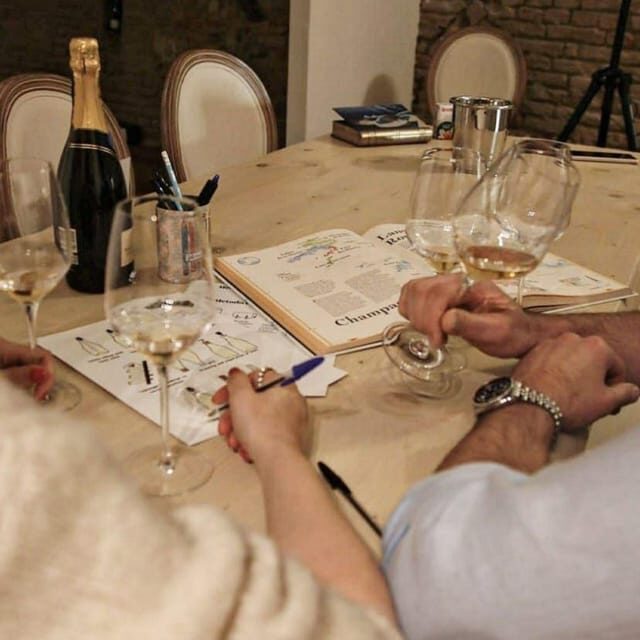
- 3 wines, 3 Tuscan grapes (Sangiovese, Trebbiano, Vermentino) with clear comparisons
- Three production styles: Champenoise, Charmat, and Ancestral methods
- Small group, easy listening with a setup that feels personal rather than crowded
- Pairing with local delicacies that keep your focus on flavor, not just the alcohol
- Multilingual instruction in English, French, or Spanish
Siena’s Enoteca Perlage: a calm room for a wine lesson
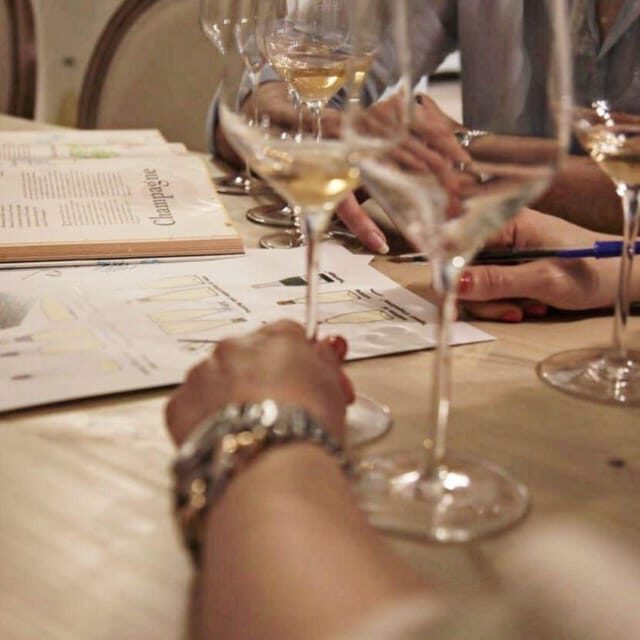
This experience starts in the center of Siena at Enoteca Perlage, right by Piazza Indipendenza. The meeting point is in front of the taxi rank, about 20 meters from Piazza del Campo. If you know Siena at all, you’ll appreciate how easy it is to find the moment you’re done exploring the streets.
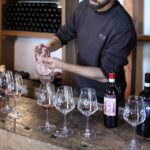
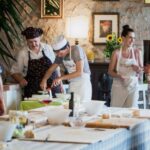
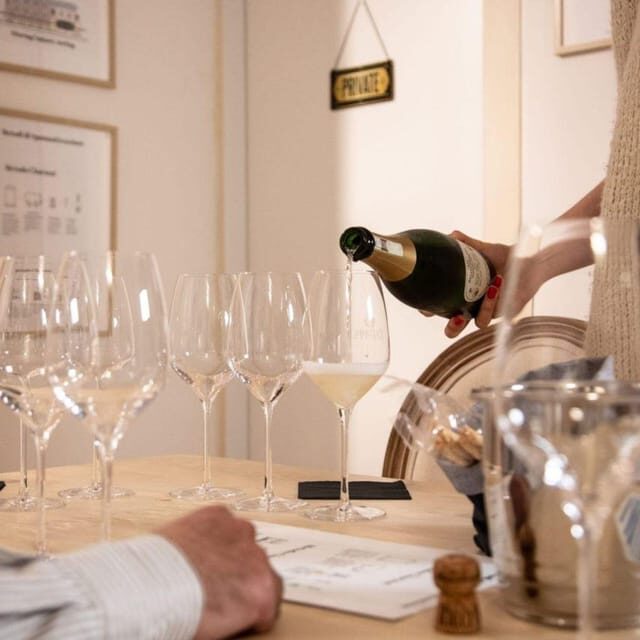
Inside, the vibe is purposeful. You’re seated at a table that’s set up for tasting, and the pacing is built around conversation. The group stays small (up to 10), which matters more than people think. In a bigger room, you can lose details fast. Here, you can actually hear what you’re being taught and connect each sip to the explanation.
You’ll also be fine if you don’t consider yourself a wine person. The educator’s job is to translate winemaking into something you can taste right away. That keeps it fun even if you’re a total beginner, and it still feels worthwhile if you already drink wine and want better instincts.
Other wine tasting experiences in Siena
The 1-hour flow: how the tasting is structured
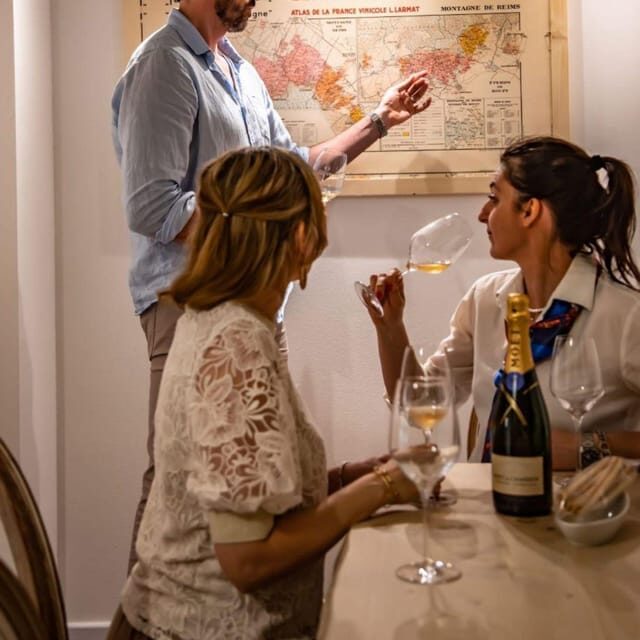
You get a focused session built around three pours. The educator introduces the idea of Tuscan sparkling wine first, then you move wine by wine, learning how each one is produced and what that production changes in the glass.
The format is simple:
- You taste three sparkling wines
- Each one uses a Tuscan grape variety commonly tied to still wines
- Each wine comes with local delicacies designed to complement what you’re tasting
You finish with a final toast to wrap up the theme: Tuscan sparkling wine isn’t just a style choice, it’s a product of terroir, grape, and method working together. By the end, you’re not only remembering flavors. You’re able to explain why those flavors showed up.
And yes, it’s a tight schedule. That’s part of the value: you’re getting quality instruction without turning it into a half-day plan.
Three methods you can actually taste: Champenoise, Charmat, Ancestral
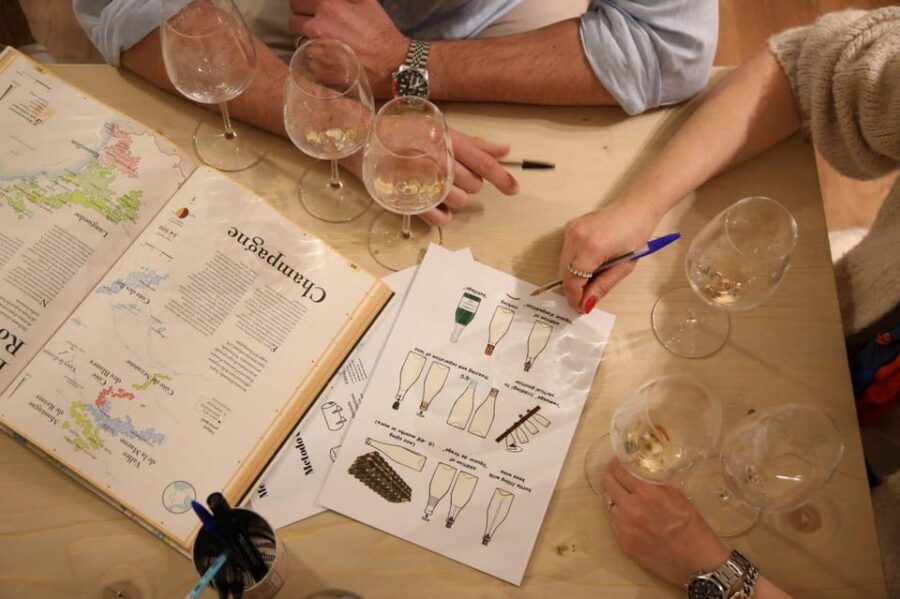
One of the best parts of this tasting is that it doesn’t treat sparkling wine like a single category. You learn production methods as sensory tools. When you compare Champenoise, Charmat, and Ancestral, the goal isn’t memorizing technical jargon. It’s realizing what changes in the process and what shows up on your palate.
Champenoise method
This is one you’ll likely recognize, especially if you’ve ever heard about Champagne-style production. In plain terms, it’s about second fermentation that shapes the wine’s texture and development. In your glass, you’re meant to notice how fine bubbles and a more layered profile can show up when the method gives the wine time and complexity.
Charmat method
With Charmat, the production approach is different enough that the wine can feel more direct and fresh. When you taste it after the other styles, you start picking up the contrast quickly: more emphasis on fruit expression and brightness, less on prolonged yeast character.
Other food & drink experiences in Siena

Ancestral method
This one is fun because it’s often less about polished “sparkle perfection” and more about charm and immediacy. You’ll get a chance to experience a more traditional, less refined style where the wine’s character still feels close to its base identity.
If you like comparing wines the way chefs compare sauces, you’ll enjoy this. It trains your brain to taste method differences, not just grape differences.
The grapes behind the sparkle: Sangiovese, Trebbiano, Vermentino
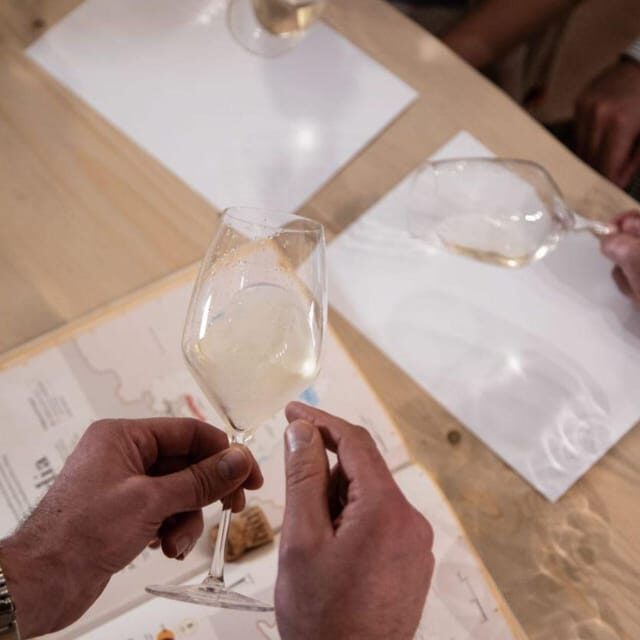
The tasting focuses on three Tuscan grape varieties: Sangiovese, Trebbiano, and Vermentino. What makes this smart for you is the pairing logic: each grape is linked to historic still-wine identity in Tuscany, then used here in sparkling form.
Here’s why that matters. If you only ever drink sparkling wine made with international grapes, you can miss how much the grape shapes everything. By tasting these specific Tuscan grapes as sparkling wines, you learn to spot Tuscany’s signature influences.
- Sangiovese: expect the wine to carry that Tuscan sense of structure and character, not just sweetness or simple fruit. In a sparkling format, it can feel crisp and lively while still tasting distinctly “Siena/Tuscany.”
- Trebbiano: often associated with lighter, more straightforward profiles in still wines, but as sparkle it can become refreshing and easy to read. It’s a good baseline grape for learning how method and grape interact.
- Vermentino: typically brings a coastal vibe in Tuscany. Even without a geography lecture, the wine tends to feel more aromatic and bright, especially when production emphasizes freshness.
By the end, you’re not just saying “this one tasted better.” You’re more likely to say something like, I get what the grape brings, and I can tell how the method is changing the texture.
Pairing with local delicacies: small bites, useful lessons
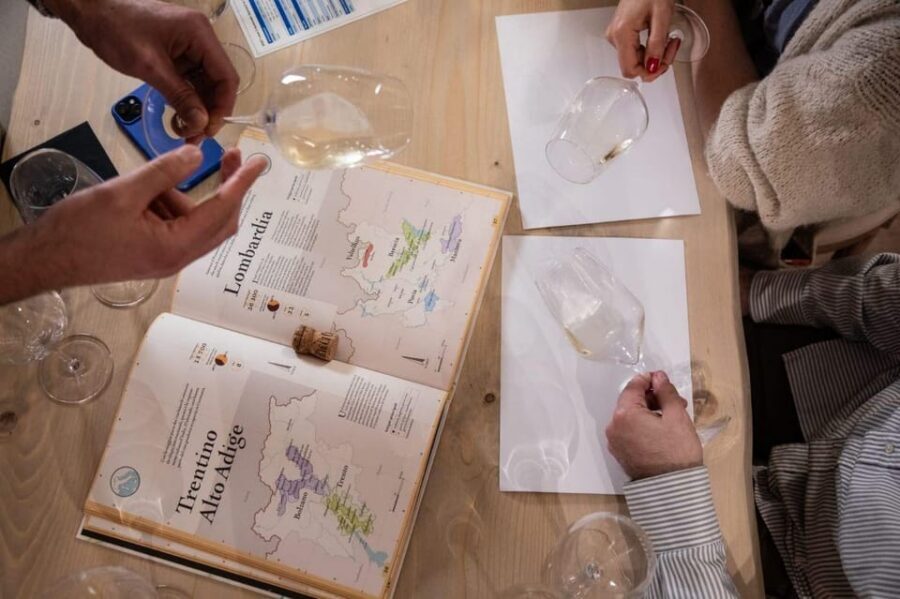
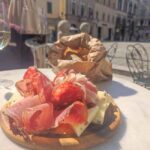
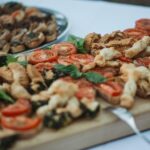
Your tasting includes food pairings with local delicacies. Don’t expect a full meal. But do expect the pairing to be intentional.
This kind of pairing works for you because sparkling wine can go in fast. The delicacies help slow your attention down and keep you tasting on purpose. You get better at noticing:
- how acidity behaves with salty or savory flavors
- how bubbles change your perception of sweetness, fruit, and finish
- how aroma becomes clearer when you alternate sip and bite
One practical note from the vibe of the experience: it’s priced as a tasting lesson, not a long drinking session. A past guest who wanted a bit more snack-and-wine time was essentially pointing at the same thing you might suspect: the structure is tight. If you’re looking for a heavy pour and a big spread, you might feel slightly underfed. If you want a smart hour with clear comparison, you’ll likely feel right on track.
The educator factor: why the teaching makes the tasting stick
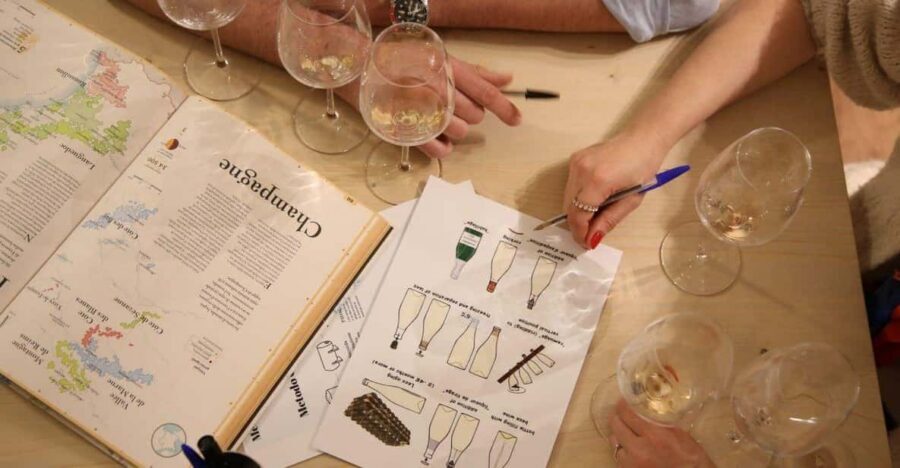
The educator is the reason this works as more than a casual glass-and-chat. The lesson is built around explaining Tuscan sparkling wine history and winemaking techniques in a way that stays connected to what you’re tasting.
You’ll get guidance that covers:
- how the region connects to sparkling production
- what changes when you use different methods
- how the grape variety behaves when it becomes sparkling
And the teaching doesn’t assume you already know wine terms. That’s huge for value. A tasting like this is basically buying time with someone who can make you a better chooser later. After one hour, you’re more likely to pick bottles you actually enjoy instead of buying based on label vibes.
A couple reviews you’ll want to take seriously if you’re picky about instruction quality: people consistently praised that the guide was passionate and that the room was easy to hear in. That combination is exactly what you want from a tasting. If you can hear everything, you learn more. If the guide is excited, you retain more.
Price and value: is $41 per person a fair deal?
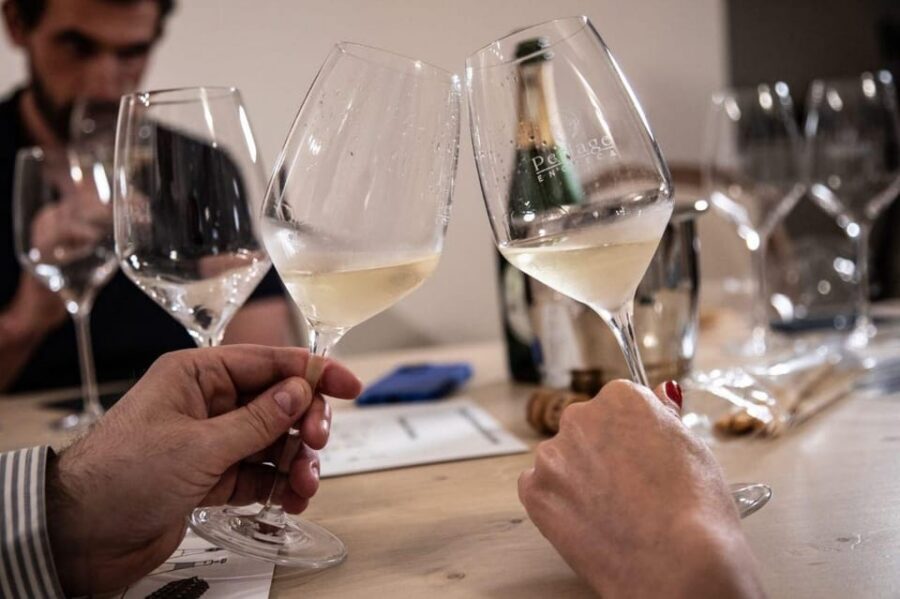
At $41 per person for a 1-hour experience, you’re paying for structure, expert guidance, and three different sparkling wines. In most wine situations, buying three glasses on your own in a central Siena venue could be pricier, and you wouldn’t automatically get the method-and-grape teaching.
Here’s the value math that matters:
- 1 hour of instruction
- 3 wines compared side by side
- food pairings included
- a small group experience (limited to 10)
You’re not paying for a fancy daylong tour. You’re paying for an efficient tasting lesson. That makes it a good “add-on” day plan when you’re already walking around Siena and want something meaningful that doesn’t take half the day.
If you’re the type who wants a long, food-heavy aperitivo night, you might feel this is too short. If you’re the type who enjoys learning quickly and tasting carefully, it’s priced like a smart stop.
Who should book (and who might prefer something else)
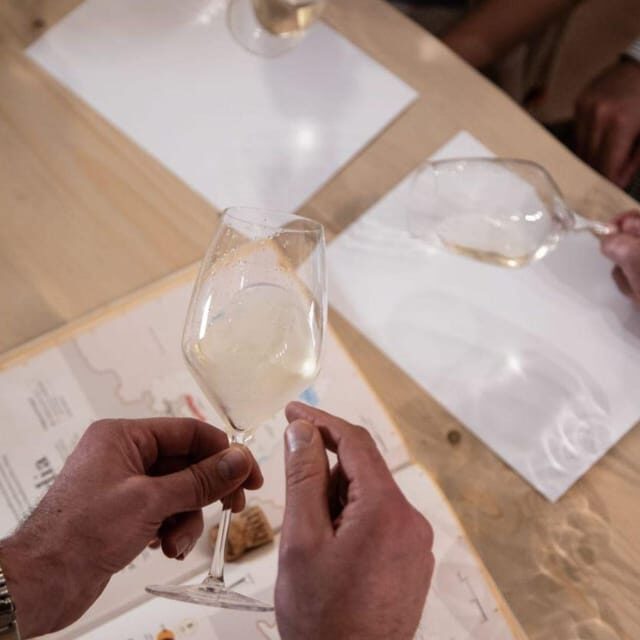
This tasting is a strong fit if:
- you want to learn sparkling wine methods and taste the differences
- you’re curious about Tuscany beyond still wines
- you prefer small-group experiences where conversation stays clear
- you enjoy guided tastings and want practical takeaways
It’s less ideal if:
- you want a longer drinking session with more quantity
- you’re traveling with kids (it’s not suitable for children under 18)
- you’re hoping for a big meal experience rather than pairings
Good news: it’s also set up for practical travel needs. It’s wheelchair accessible, and the educator can teach in English, French, or Spanish.
Getting there and making the most of your hour
Because the meeting point is near Piazza del Campo, you can build this into your Siena day without stress. Plan to arrive a few minutes early so you can settle in and start tasting with a clear head.
A small tip: go into the tasting with curiosity, not expectations. Ask yourself what you notice first—bubbles, aroma, acidity, fruit, or finish. The educator’s comparisons will make more sense when you’re actively tasting in your own way.
Also, if you’re hopping between sights after the tasting, keep your pacing realistic. Even with light tastings, sparkling wine can add up. It’s not a beer garden, but you’ll still want to plan your walking accordingly.
Should you book this Tuscan sparkling wine tasting in Siena?
If you want a compact, high-quality wine lesson in the heart of Siena, this is an easy yes. You’re paying for three sparkling wines, three Tuscan grapes, and three production methods, guided by an educator in a small, easy-to-hear room. The result is that you leave with better tasting instincts, not just a few pleasant sips.
Skip it only if you’re mainly after a long, food-heavy aperitivo or you’re expecting more wine volume. For that style of night out, you’d likely want a different plan.
For most people, though, this is exactly the kind of hour that upgrades your whole trip: you drink, you learn, and you understand what to buy later.
FAQ
How long is the experience?
It lasts 1 hour.
How many wines will I taste?
You’ll taste 3 sparkling wines.
Where does the tasting take place?
The meeting point is Enoteca Perlage in Piazza Indipendenza, in front of the taxi rank, about 20 meters from Piazza del Campo.
What sparkling wine production methods are included?
The tasting includes wines made using the Champenoise method, Ancestral method, and Charmat method.
Which grape varieties are used?
The wines highlight Tuscan grapes tied to still wine traditions: Sangiovese, Trebbiano, and Vermentino.
Are food pairings included?
Yes. The wines are paired with local delicacies.
What languages is the instructor available in?
The educator teaches in English, French, and Spanish.
Is this suitable for children?
No, it’s not suitable for children under 18.
Is the experience wheelchair accessible?
Yes, it is wheelchair accessible.
What’s the group size?
It’s a small group, limited to 10 participants.