REVIEW · MONTEPULCIANO
Montepulciano: Tuscan Cooking Class Traditional Pasta Menu
Book on GetYourGuide →Operated by Tuscan Cooking Classes by le Caggiole · Bookable on GetYourGuide
Cooking with a Tuscan family feels personal. In this class in Montepulciano, I love the small-group warmth and the chance to learn directly from Giacomo, with Cristiano supporting you along the way. The other standout for me is how hands-on it all is: you’re not just watching, you’re making two fresh pastas and finishing with tiramisu.
You’ll start on a panoramic terrace, learn the family approach to food (organic farm and sustainable growing), then move into the kitchen to cook. One consideration: the lesson involves a lot of standing, so it may not suit people who have trouble standing for extended periods.
In This Review
- Key highlights you’ll actually feel during the class
- Entering a Tuscan Home Kitchen with Giacomo and Cristiano
- The terrace start: organic farming, sustainable habits, and why ingredients come first
- Making pappardelle and pici: the hands-on pasta part that makes it worth it
- What you’ll do during the pasta portion
- Choosing quality ingredients isn’t a lecture; it changes your cooking
- Tiramisu on the terrace: a sweet finish that feels like the family table
- The 4-course Tuscan menu: appetizer, pappardelle, pici, and wine pairing
- Why this pairing approach is smart
- Price and value: what $183.52 buys in real terms
- Getting there: finding Tuscan Cooking Classes by le Caggiole (no guesswork)
- Practical arrival tips
- Who should book this class, and who should rethink it
- Should you book this Montepulciano Tuscan cooking class?
- FAQ
- What is the duration of the Montepulciano Tuscan cooking class?
- How much does the experience cost?
- How big is the group?
- What language will the instructor use?
- What dishes will I learn and taste?
- What is included in the price?
- Are wines included?
- What should I bring?
- Is this class suitable for gluten intolerance?
- Can they accommodate food allergies or intolerances?
Key highlights you’ll actually feel during the class
- Small group of 8 max: more personal attention, fewer awkward pauses
- Giacomo + Cristiano at the helm: professional, calm instruction while you work
- Organic farm and ingredient-first philosophy: you’ll hear why quality matters before you taste it
- Hands-on pasta-making: you’ll make two traditional pastas (pappardelle and pici) and learn the steps
- Sommelier-selected wines: you’ll drink three curated wines with the meal
- Tiramisu on the terrace: dessert plus views at the end is a sweet payoff
Entering a Tuscan Home Kitchen with Giacomo and Cristiano
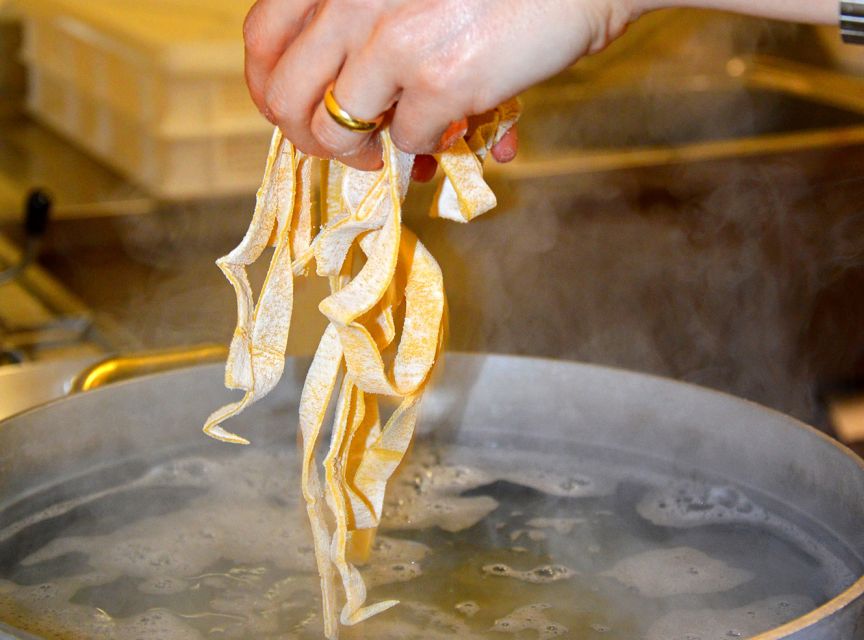
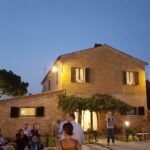
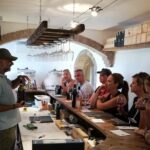
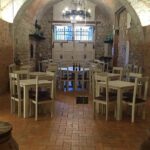
This isn’t a big, showroom-style cooking show. You’re stepping into a real home setting tied to a family farm, and you can feel the difference fast. The class begins when you meet your guide at Tuscan Cooking Classes by le Caggiole, then gather on the panoramic terrace where the day’s program gets laid out.
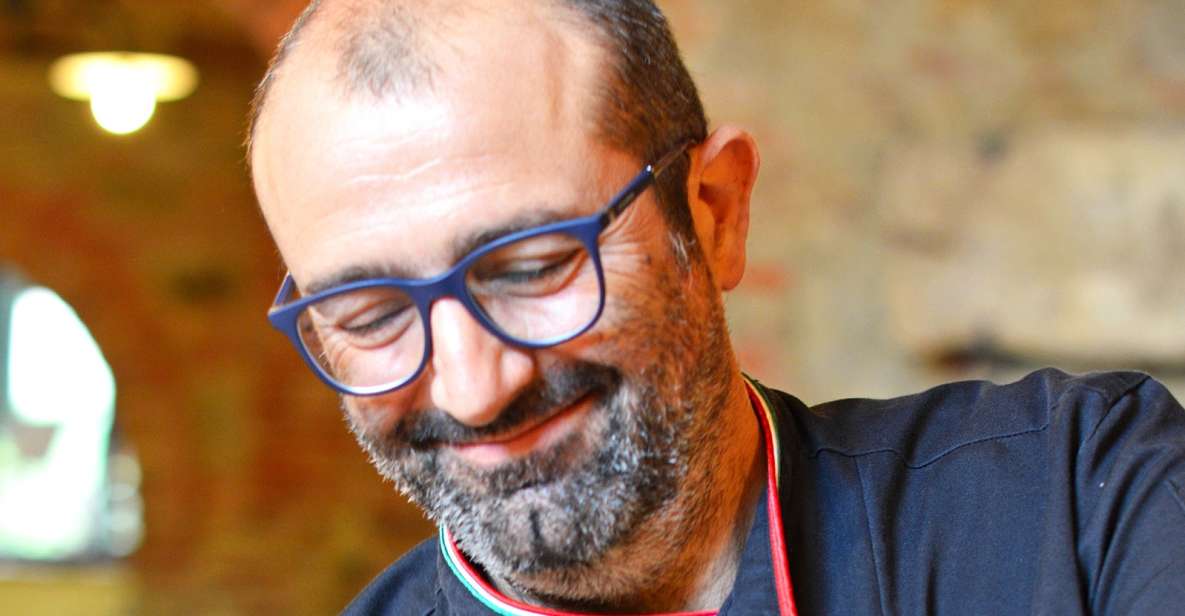
Giacomo is the key voice you’ll hear—he frames the cooking around how his family thinks about ingredients, not just the mechanics of the recipe. Cristiano also plays a hands-on role, and the vibe is professional without being stiff. In practice, that means you can ask questions while you work, and you’re not left to figure things out alone.
If you like food experiences where the people matter as much as the food, this class hits the mark. You’ll get that friendly, “come in and join us” feeling, not the rushed, assembly-line energy that can happen elsewhere.
If you're still narrowing it down, here are other tours in Montepulciano we've reviewed.
The terrace start: organic farming, sustainable habits, and why ingredients come first
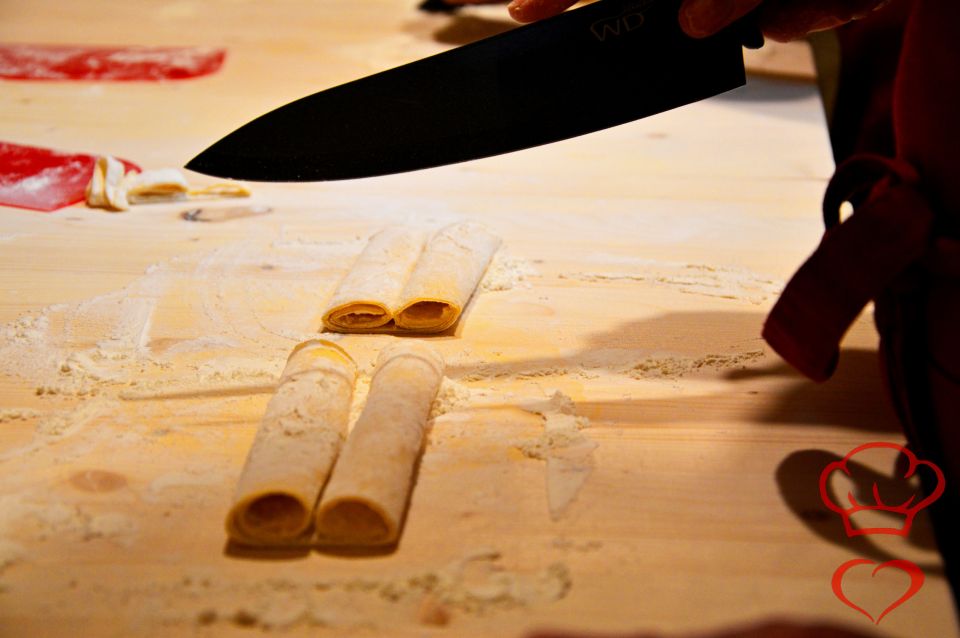
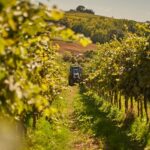
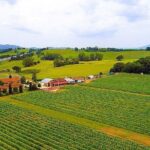
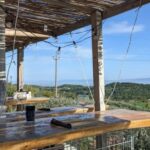
Before you touch dough, you’ll get context. On the terrace, you’ll hear about Giacomo’s family and their organic farm plus how they think about sustainable production systems. This part matters because it explains the why behind the cooking.
Then comes a practical move: you’ll choose the best ingredients before preparing your Tuscan pasta. That’s more than a feel-good moment. It trains your brain to notice what good pasta-making depends on—fresh, quality staples and ingredients treated with care. By the time you start cooking, you’re not just following steps. You’re learning a system.
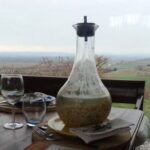
And yes, the terrace views are part of the experience. You’re in Tuscany—so you’re going to look out while you listen, not stare at a wall in a class room.
Making pappardelle and pici: the hands-on pasta part that makes it worth it
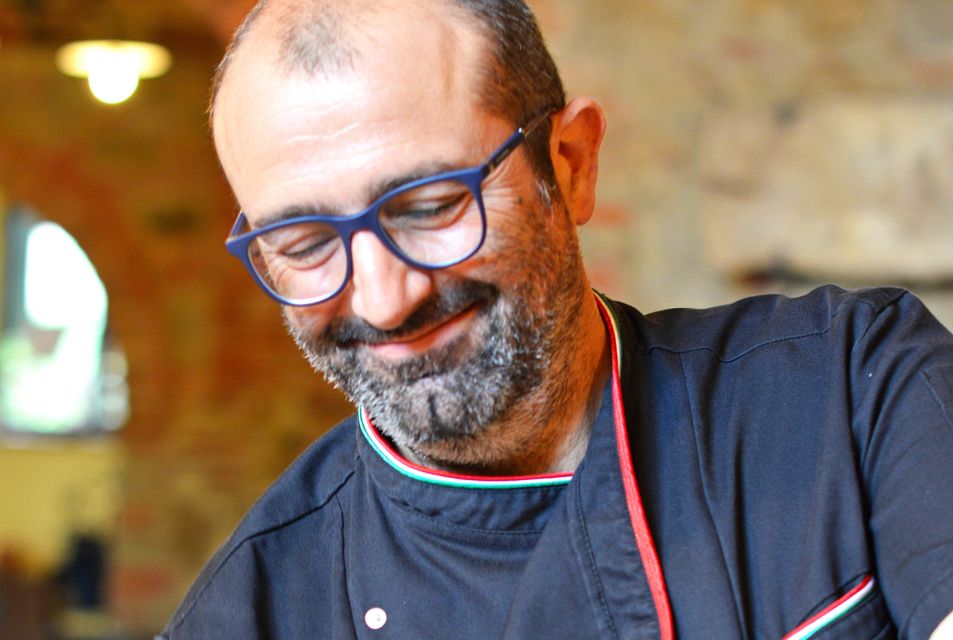
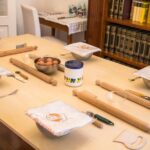
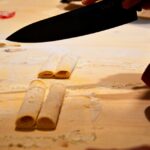
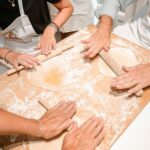
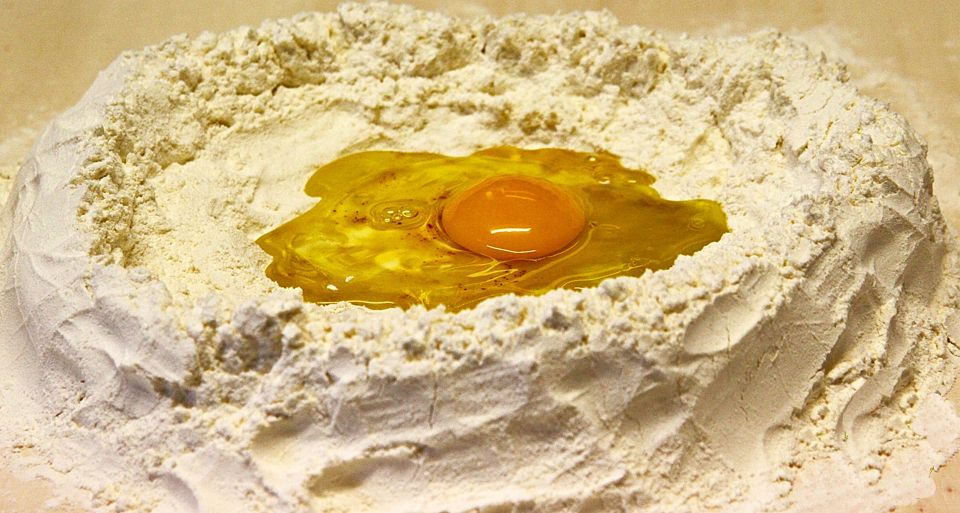
The heart of the class is cooking the two fresh pastas. Based on what’s included and served, these are pappardelle and pici, both staples of central Italy and especially well-suited to a hands-on lesson.
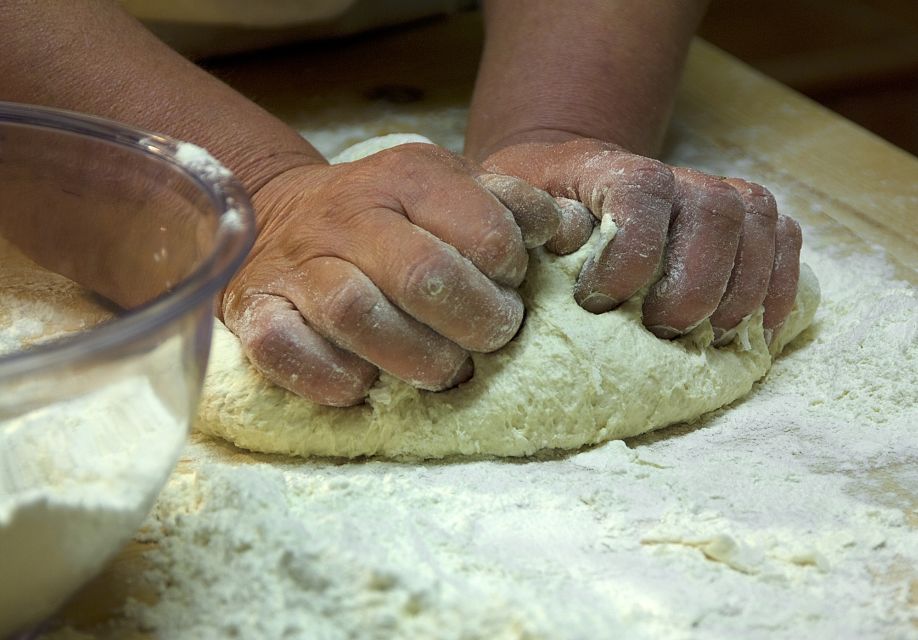
Here’s what I like about this setup for you: pasta is one of the few foods where learning feels directly transferable. After a class like this, you don’t just remember flavors—you remember technique. You’ll learn how fresh dough comes together and what you’re aiming for when shaping pasta.
You should also expect to be actively involved. Most of the lesson is done standing, and it’s intentionally hands-on. That’s good for getting value out of the session, but it’s also the reason the activity is not recommended for people who struggle with standing for long stretches.
What you’ll do during the pasta portion
You can think of the flow like this:
- You’ll listen to the plan and the ingredient approach first.
- Then you’ll get to work making the pastas (two traditional types).
- Along the way, the instructors help you correct technique before it goes too far.
Even if you’re a beginner, this format is designed to keep you moving. With a small group capped at 8, instruction can stay personal instead of generic.
Choosing quality ingredients isn’t a lecture; it changes your cooking
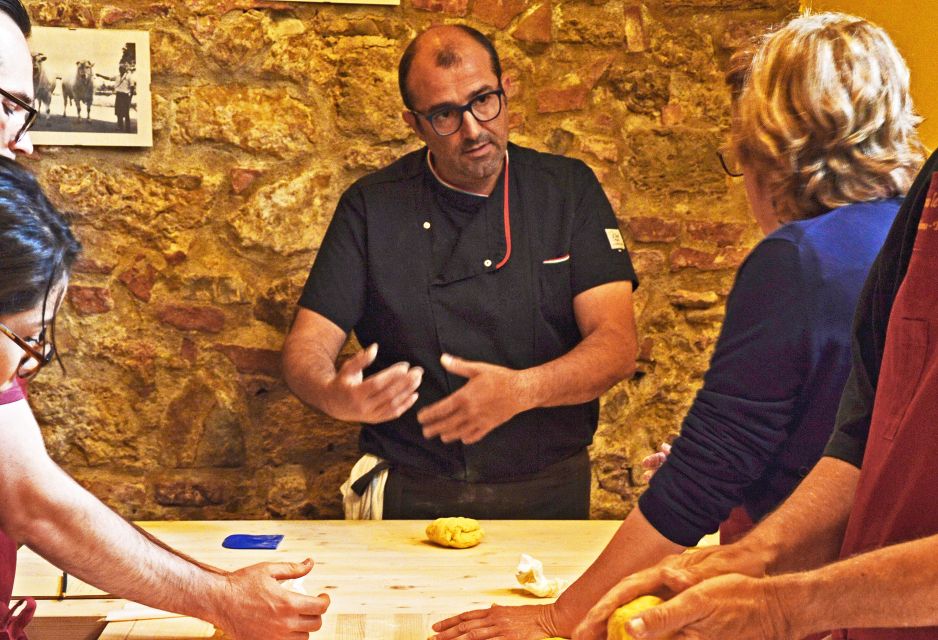
A lot of cooking classes talk about ingredients. This one goes a step further by making you part of the selection process. When you choose ingredients before cooking, you naturally pay attention to things you’d otherwise overlook.
You’ll also get recipes and take-home materials, plus pictures included. That’s a real advantage because pasta recipes can be hard to recreate from memory unless you have a reference. The included recipes help you re-run what you learned later, not just snack and forget.
And there’s a quiet benefit: you’ll taste the difference between quality ingredients and “good enough.” In Tuscany, you’re usually not short on taste—but the details matter. This class trains you to notice them.
Tiramisu on the terrace: a sweet finish that feels like the family table
After the pasta work, the experience moves into tasting mode—first with a full meal, then with your tiramisu. The tiramisu part is described as freshly prepared, and it comes with an added atmosphere: you’ll enjoy it while soaking in the views from the terrace.
That matters because tiramisu is better when you slow down. This is one of those moments where you can actually taste with attention. You’ll likely notice the balance of flavors and texture more clearly than if you were eating dessert quickly between courses.
If you like dessert that’s not just sweet, but creamy and structured, tiramisu is a strong choice for ending a cooking class. It’s also a dish where people tend to remember the technique you learned, because you can feel the result immediately.
The 4-course Tuscan menu: appetizer, pappardelle, pici, and wine pairing
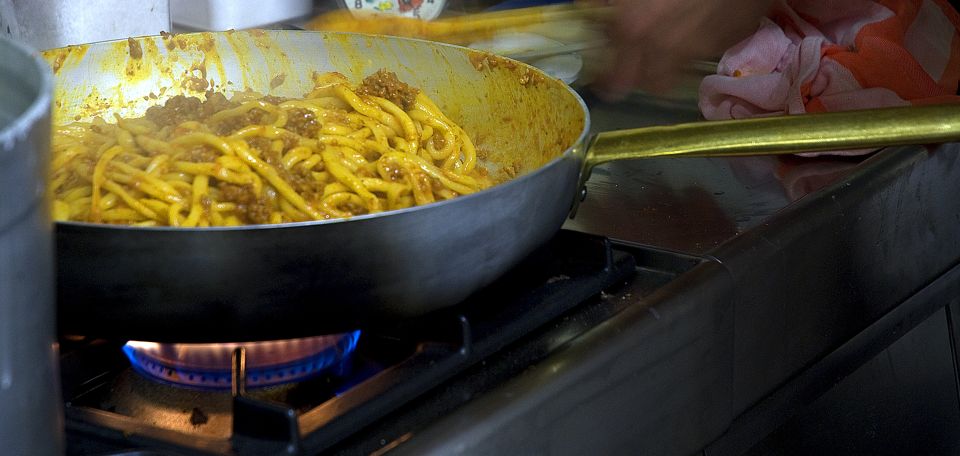
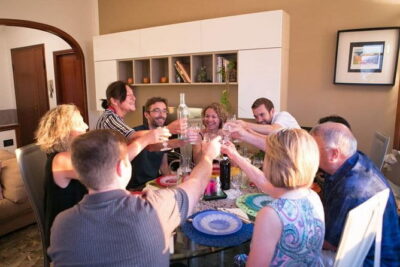
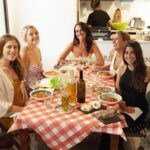
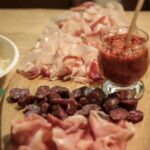
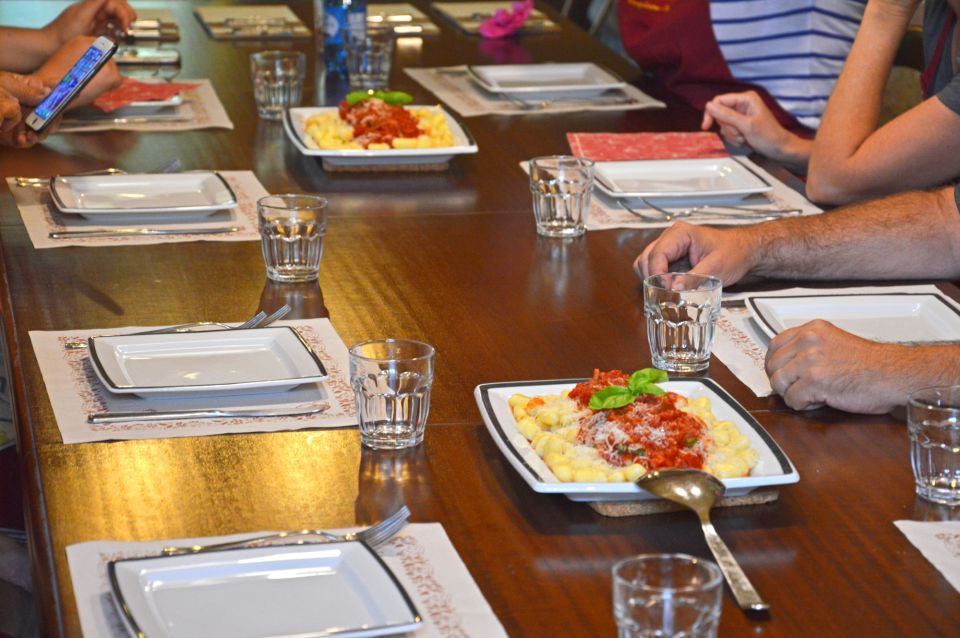
At the end of the class, you’ll sit around a large table for a 4-course menu, accompanied by wine. The menu includes a typical Tuscan appetizer, plus pappardelle and pici, and then your meal ties into the tiramisu finale.
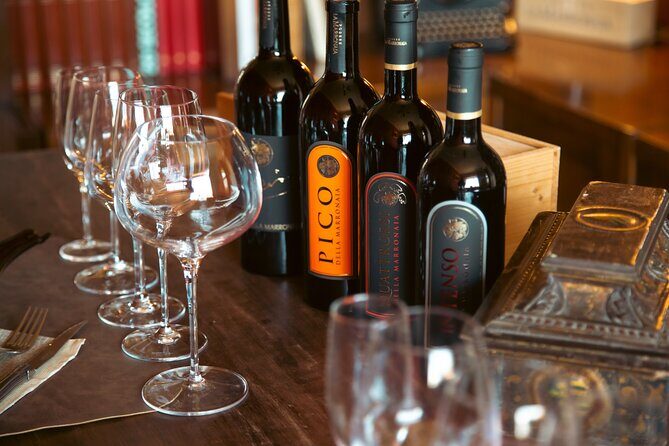
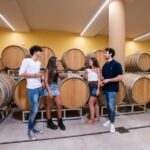
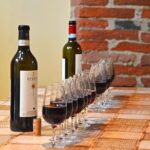
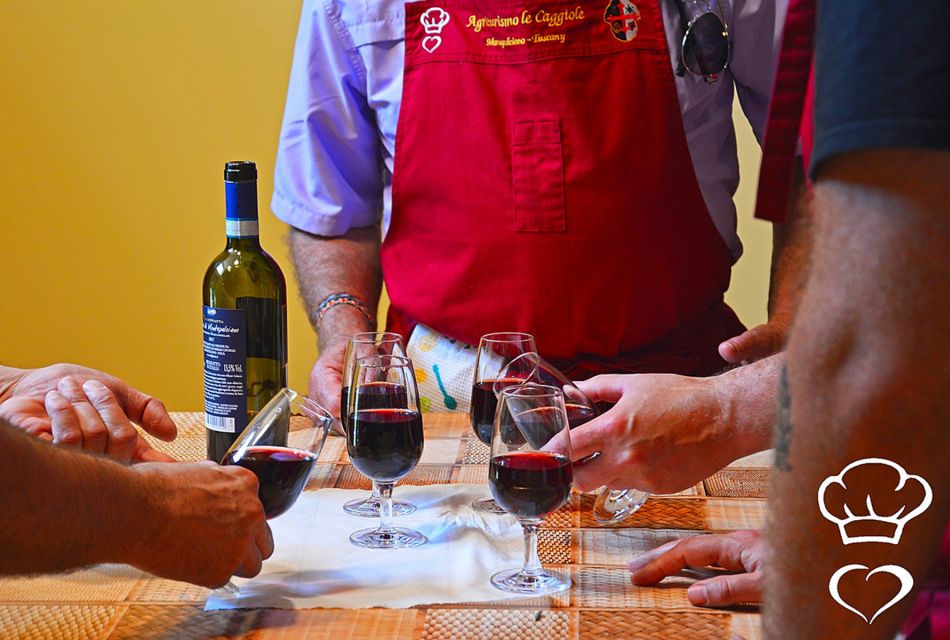
Wine is part of the rhythm here, not an afterthought. You’ll have a glass of wine with the meal, and you’ll taste three selected wines overall. The wines are expertly selected by a sommelier, which is a big value-add if you don’t want to guess what to order in a restaurant.
Why this pairing approach is smart
Even if you’re not a wine expert, the pairing helps you understand the food. Pasta and meat-free courses often benefit from wines that match texture and acidity. Having a sommelier choose for you saves time and helps you build instincts for future meals.
It also changes the class from a “cook and eat” activity into a full Tuscan table experience—more like dining with people than attending a workshop.
Price and value: what $183.52 buys in real terms
At $183.52 per person for about 3.5 hours, this isn’t the cheapest thing on your Montepulciano list. But the question is whether you’re paying for a meal only—or for instruction plus food plus wine plus a setting.
Here’s what you’re getting for the money:
- Hands-on learning with equipment, plus recipes and pictures included
- Two traditional pasta dishes you make and then taste as part of the meal
- Tiramisu preparation and tasting
- A 4-course menu
- Three selected wines and a glass of wine with the meal
- A small group limited to 8, which usually means more time and attention
In plain terms, you’re paying for the experience to happen in a real family home, with instruction that doesn’t disappear once the table is set. If you care about cooking, wine, and Tuscany as a living food culture, this price can feel fair.
If you just want a quick meal and scenic photos, you might find this heavy on learning time. But if you want something you can take home—technique, recipes, and the taste of Tuscan ingredients—this is a strong value.
Getting there: finding Tuscan Cooking Classes by le Caggiole (no guesswork)
Transportation is not included, so plan on driving or arranging your own ride. The meeting point is at Tuscan Cooking Classes by le Caggiole.
If you’re driving from Montepulciano’s old town, follow signs to Ospedale. After about 2 kilometers, look on the right side of the main road for two yellow barrels under two big trees. If you use GPS, you can plug in:
- Lat: 43.115601
- Long: 11.803996
The activity ends back at the meeting point.
Practical arrival tips
- Wear comfy shoes. You’ll be standing for much of the session.
- Bring comfortable clothes you don’t mind getting a little pasta-dough life on.
Who should book this class, and who should rethink it
This is a good fit if you:
- Want hands-on cooking in Tuscany, not a lecture
- Enjoy tasting with wine pairings
- Appreciate small groups and real hosts
- Like learning traditional dishes like pappardelle and pici
It may be a less ideal fit if you:
- Need wheelchair access (it’s not suitable for wheelchair users)
- Have difficulty standing for extended periods (most of the lesson is standing)
- Need gluten-free meals (it’s not suitable for gluten intolerance)
- Are traveling with kids under 12 (not suitable for children under 12)
If you have allergies or intolerance, tell the provider before booking so they can evaluate whether changes are possible. After booking, menu changes can’t be guaranteed.
Should you book this Montepulciano Tuscan cooking class?
Yes, if you want a Tuscany experience that feels human and teaches you real technique. The combination of small-group attention, hands-on pasta-making, and a family-table meal with sommelier-selected wines is exactly the kind of day that sticks with you long after you’ve left the region.
I’d skip it (or pick something else) if you need fully seated instruction, wheelchair accessibility, or gluten-free suitability. Otherwise, this class is a solid way to spend a half-day in Montepulciano—learning, tasting, and leaving with recipes you can actually use.
FAQ
What is the duration of the Montepulciano Tuscan cooking class?
The class lasts about 3.5 hours. Starting times vary, so check availability when booking.
How much does the experience cost?
It costs $183.52 per person.
How big is the group?
The group is small, limited to 8 participants.
What language will the instructor use?
The instructor speaks English and Italian.
What dishes will I learn and taste?
You will learn to prepare and taste two fresh pasta dishes and tiramisu. The 4-course menu includes a typical Tuscan appetizer, pappardelle, and pici.
What is included in the price?
Included: all necessary equipment and tools, recipes, pictures, a 4-course menu, and 3 selected wines.
Are wines included?
Yes. You’ll have wine as part of the experience, including 3 selected wines and a glass of wine with the meal.
What should I bring?
Wear comfortable shoes and comfortable clothes.
Is this class suitable for gluten intolerance?
No. It is not suitable for people with gluten intolerance.
Can they accommodate food allergies or intolerances?
You need to inform them about any intolerance or food allergies before completing the booking so they can evaluate possible adjustments. After booking, requests for menu changes can’t be taken into consideration.