REVIEW · MONTEPULCIANO
Farm Tour: the Cinta Senese Tuscan pig
Book on Viator →Operated by Valdichiana Living · Bookable on Viator
A two-hour farm visit in the Tuscan countryside can be surprisingly memorable. This one centers on the famous Cinta Senese pig—an ancient two-tone breed from the Siena area—plus a walk through vineyard and olive grove countryside and time to interact with the pigs on the farm.
I like that the tour is built around a real breeding operation (not just a quick photo stop) and focuses on food quality, from how the pigs are raised to how to spot good cured meats. You get a chance to learn what makes the meat special, not just hear generic facts.
One drawback to watch for: the lunch is described as light, and at least one guest felt it was more of a tasting than a hearty meal for the price.
In This Review
- Key points to know before you go
- Why the Cinta Senese pig is such a big deal in Tuscany
- The vineyard-to-olive-grove walk (and why it matters)
- Meeting the pigs: semi-wild breeding you can actually picture
- How they teach you to spot high-quality salami
- The light farm lunch: value, portions, and how to set expectations
- Price and logistics: is $91.39 worth it?
- Timing and what your day actually looks like
- Practical tips: what to wear and how to get more out of the pig time
- Who this Cinta Senese farm tour suits best
- Should you book the Cinta Senese pig farm tour?
- FAQ
- FAQ
- Where does the Cinta Senese farm tour start?
- What time does the tour begin, and how long is it?
- What is included in the price?
- Is transportation included?
- Is this tour private?
- What’s the cancellation policy?
Key points to know before you go
- Rare Cinta Senese focus: Learn why this ancient pig is distinctive, down to the breed traits and how it’s raised.
- Semi-wild, DOP-compliant feeding story: You’ll hear how breeders raise pigs with feed linked to Italian DOP and local cereals.
- A countryside walk with hands-on pig time: Expect a route between vineyard and olive grove, plus messy fun in the mud.
- Meat and salami education: You’ll hear about organoleptic qualities and how to recognize high-quality salami.
- Light lunch that may not satisfy every appetite: Some people expect more than farm products served in a simpler format.
Why the Cinta Senese pig is such a big deal in Tuscany
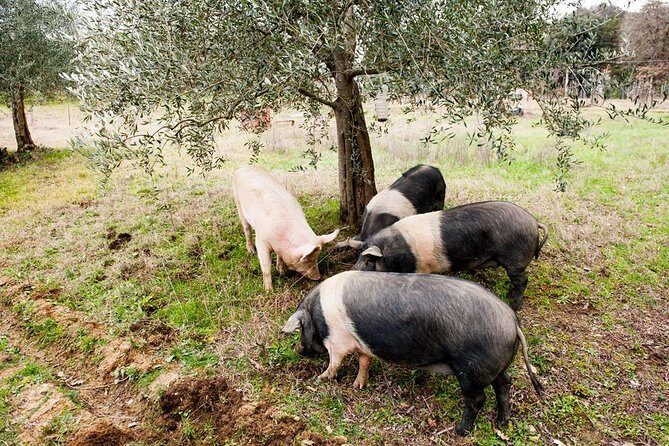
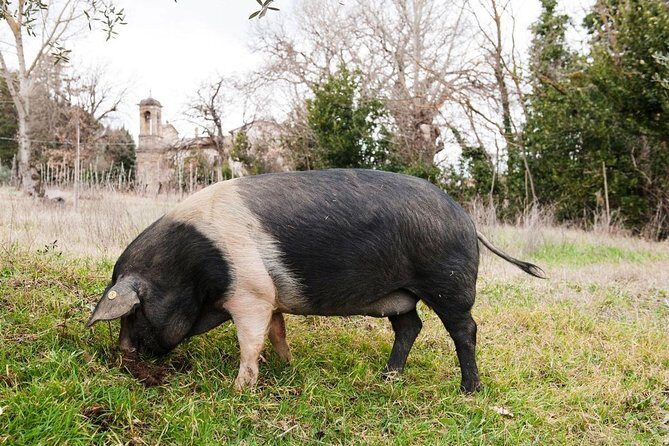
The Cinta Senese is one of those Tuscan food-and-farm traditions that feels more like heritage than tourism. The pig is known for its black coat and a pink belt around the body—an easy visual signature that helps you remember you’re not looking at a generic farm animal.
What makes the tour interesting is how it connects the pig to the land and the food. You’re not only meeting animals; you’re learning why breeders matter. The pigs are raised in a semi-wild state, and the feeding is described as compliant with Italian DOP and cereals grown in the Tuscan countryside. That’s the kind of detail that helps you understand why cured products taste different here. It’s also the sort of context you can actually use when you shop later in Tuscany.
And because this tour is set in the Valdichiana Senese area, the talk isn’t abstract. You’re outdoors, surrounded by the kind of farming terrain that shaped these old practices—vineyards, olives, and the farm rhythms that still make sense today.
Other Val d'Orcia and Pienza tours in Montepulciano
The vineyard-to-olive-grove walk (and why it matters)
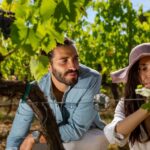
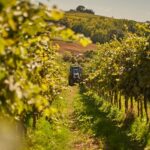
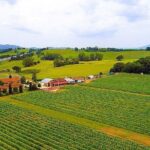
A real highlight is the rural walk between the vineyard and the olive grove. It’s not just a scenic filler. This portion sets expectations for the day: you’re going to be in working countryside, not a show farm.
The walking route also helps you understand what the pigs live around. When you’re moving through farmland, the farm logic clicks: where feed comes from, how animals fit into the working landscape, and why “local” is more than a label. Even if you’re not a history buff, you’ll probably enjoy the practical feel of it.
The other practical point: the experience includes interacting with the domestic pigs having fun in the mud. That can be part of the charm, but you should plan for it. If you’re bringing light shoes or something you hate to ruin, consider wearing clothes you’re fine with getting dirty. Think sensible fabrics and shoes that handle wet ground.
Meeting the pigs: semi-wild breeding you can actually picture
The heart of the tour is meeting the pigs and learning about the breed from the breeders. The experience is described as a meeting with the Cinta Senese pigs, with explanations about their characteristics and how they’re raised—so you’ll get the story straight from people who know their animals one by one.
That “one by one” detail matters. In a farm setting, the breeders aren’t just pointing at animals; they know their personalities and routines. You’ll likely feel that shift in tone as the guide speaks: less of a script, more of a farm conversation.
You also learn the pig’s background—coming from the Siena area—and how its traits tie into the meat. The tour specifically mentions learning the organoleptic properties of the fine meat. In plain terms, that’s about sensory qualities: how it smells and tastes, not just where it comes from. Even if you don’t memorize every note, you’ll come away with a clearer idea of what to look for when tasting later.
And because the pigs are bred in a semi-wild state, you aren’t getting a perfectly staged animal encounter. That’s a plus if you like authenticity. It’s also a good reason to keep your expectations flexible. Farm animals are farm animals.
How they teach you to spot high-quality salami
One of the most useful parts is the food education. You’ll learn how to recognize high quality salami, and this is connected to the pig’s breeding and feeding approach.
If you love eating in Tuscany, this is the type of skill that pays off after the tour. Supermarket salami can taste good, sure. But quality salami often has deeper flavor and texture that comes from careful ingredients and proper curing. Here, the tour links those outcomes to what’s been happening on the farm.
The tour’s wording also ties the education to Cinta Senese meat and its organoleptic qualities. That means you’re being trained to taste with a purpose. You’re not just eating; you’re learning what aspects signal quality—so your later purchases feel less like guessing.
If you’re the type who likes to understand what you’re ordering at a restaurant, this section is for you. If you’re mainly there for photos, you’ll still enjoy the pig interaction—but you might wish there was more time for wandering and less time on food lessons.
The light farm lunch: value, portions, and how to set expectations
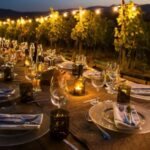
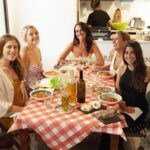
The tour ends with lunch based on farm products, described as a light lunch included in the price. That wording is important. “Light” can mean different things depending on the farm and the day.
The lunch portion is included, and it’s tied to the farm’s products. The experience is framed as tasting farm foods after the walking and pig time—so it feels like closure: you learn about the pig and cured meat, then you eat something that connects to that story.
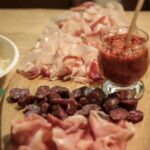
Still, here’s the part you should take seriously before you book: at least one low-score experience complained that the lunch felt like a simple tasting rather than a full meal for the cost. The complaint described a cheese and salami board plus small bites and soup rather than a more substantial spread.
That doesn’t automatically mean your lunch will be skimpy. But it does suggest you should adjust expectations. If you’re arriving hungry and you expect a long, filling, multi-course lunch, this might not hit that mark.
My practical advice: treat it as a farm tasting meal—great if you like sampling and learning—then plan to eat a fuller dinner afterward if you tend to have a big appetite.
A few more Montepulciano tours and experiences worth a look

Price and logistics: is $91.39 worth it?
The price is listed at $91.39 per person for an approximately 2-hour experience. That’s not a bargain price for Tuscany countryside in general, so the value really depends on what you care about.
Here’s the trade-off. You’re paying for a tightly focused, small, private setup. The tour is private, meaning only your group participates, which usually improves the pace and the chance to ask questions. You’re also getting a combination experience: pig interaction, countryside walk, and an included lunch—so you’re not paying separately for each component.
It’s also booked fairly in advance, with an average booking window of about 21 days. That hints demand is steady—especially for people who want something more specific than a standard wine tasting.
If you value hands-on animal time plus food education, the price makes more sense. If you’re primarily chasing a big lunch or long scenic wandering, you might feel disappointed. The negative lunch complaint is a useful warning label here.
Timing and what your day actually looks like
The tour runs about 2 hours and starts at 11:00 am. It’s scheduled to begin at a meeting point in Montepulciano (postal area 53045) and ends back at the meeting point.
That start time is helpful for planning. You’re not tied to an early morning, and you’ll still have the rest of the afternoon open for wine, town wandering, or a longer sit-down meal after you’ve had your farm tasting lunch.
The tour also uses a mobile ticket, so you’ll want to have your phone ready at check-in. That’s a small thing, but on farm days small details can save you stress.
Transportation isn’t included. The listing notes transportation is available on request, so if you’re staying outside Montepulciano or don’t want to drive, ask early and confirm what they can arrange.
Finally, the tour ends where it begins. That makes it easier to plan the next stop—no complicated transfers.
Practical tips: what to wear and how to get more out of the pig time
Because the experience includes interacting with pigs and mud fun, clothing choices can make or break your comfort. Wear shoes you can handle getting wet or dirty, and choose clothes you don’t mind if they pick up a little farm grime. If you bring a light jacket, it’s smart to assume you might want something you can wipe off.
For the most enjoyment, go in with the right mindset: you’re not at an animal theme park. It’s a working farm where pigs are raised outdoors, and the mud is part of that reality.
Also, if food education matters to you, arrive ready to taste. The tour mentions learning about the meat’s sensory qualities and how to recognize good salami. If you can pay attention to those lessons during the tasting, you’ll get more value out of the lunch portion.
Who this Cinta Senese farm tour suits best
This tour is a great fit if you want a more personal slice of Tuscan life than wine-only experiences. It’s ideal for:
- People who love authentic countryside over polished attractions
- Food-focused travelers who enjoy learning how quality is made
- Animal lovers who don’t mind messy, semi-wild farm conditions
- Travelers who want a short, efficient plan in about 2 hours
It may be less ideal if you need a very filling lunch, want long hiking time, or dislike close interaction with farm animals in a muddy setting.
Should you book the Cinta Senese pig farm tour?
Yes—if you’re booking for the pig experience, the countryside walk, and the food lesson tied to real farming. The Cinta Senese focus and the breeding story make it feel like more than a quick stop, and the included lunch gives you a direct connection between what you learned and what you eat.
No—if your priority is a hearty, heavy meal or a long, scenic time outdoors. The lunch portion is described as light, and one written complaint shows that some people felt the tasting-style meal didn’t match the price in their expectations.
FAQ
FAQ
Where does the Cinta Senese farm tour start?
The tour starts at 53045 Montepulciano, Province of Siena, Italy. The tour ends back at the meeting point.
What time does the tour begin, and how long is it?
It starts at 11:00 am and runs for about 2 hours.
What is included in the price?
The tour includes a visit to the Cinta Senese breeding farm with meeting the pigs and an explanation about the breed, plus a light lunch using the farm’s products.
Is transportation included?
No. Transportation service is not included, but it may be available on request.
Is this tour private?
Yes. It’s a private tour/activity, with only your group participating.
What’s the cancellation policy?
You can cancel for free up to 24 hours in advance of the experience start time for a full refund.