REVIEW · MONTEPULCIANO
Montepulciano: Italian Cooking Class at a Tuscan Farm
Book on GetYourGuide →Operated by Valdichiana Living · Bookable on GetYourGuide
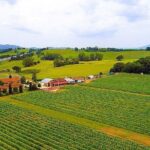
Cook your way through Tuscan classics. This Montepulciano farm cooking class is all about real rhythm in a farmhouse kitchen, where you follow a hands-on flow and learn why Tuscan food tastes the way it does. I especially love the focus on seasonal, zero-miles ingredients, chosen for the local growing calendar, not for show.
I also like that you get to master the two headline skills—pici (handmade pasta) and a simple Tuscan sauce—then sit down to eat what you cooked, with local wines. One possible drawback: there’s no transportation service, and the farmhouse address is shared only after booking confirmation.
In This Review
- Key things to love about this Tuscan farm class
- Why a Montepulciano Tuscan Farm Cooking Class Feels More Real
- Your 3-Hour Flow: Bruschetta, Handmade Pici, Sauce, Dessert
- 1) Bruschetta and croutons to set the base
- 2) Mix water and flour to make pici
- 3) Sauce building, Tuscan-style
- 4) A homemade dessert to close the meal
- Wine on Schedule: Welcome Drink and Pairing at the Table
- What You Learn That Actually Transfers Home
- Bruschetta basics you can repeat
- Pici technique: texture and patience
- Sauce cooking that prioritizes balance
- Dessert as a finish, not an afterthought
- Why “Zero-Miles, Seasonal” Tastes Better Than It Sounds
- Price and Value: Is $164.26 Worth It?
- Logistics You Should Plan For (Without Making It Complicated)
- Who This Tuscan Cooking Class Suits Best
- Should You Book This Montepulciano Farm Cooking Class?
- FAQ
- FAQ
- Where do I meet for the cooking class?
- How long is the Montepulciano Tuscan cooking class?
- What’s included in the price?
- Do I need to arrange transportation?
- What will I cook during the class?
- Is wine included?
- How big is the group, and what languages are offered?
Key things to love about this Tuscan farm class
- Welcome drink to start you in the right mood
- Bruschetta and croutons with classic toppings like tomato and basil
- Handmade pici made from water and flour in true countryside style
- Wine in the middle of the work, not just at the end
- A full meal (lunch or dinner) built from what you prepare
- Small group of up to 10, so guidance stays practical
Why a Montepulciano Tuscan Farm Cooking Class Feels More Real
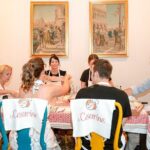
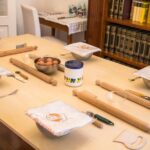
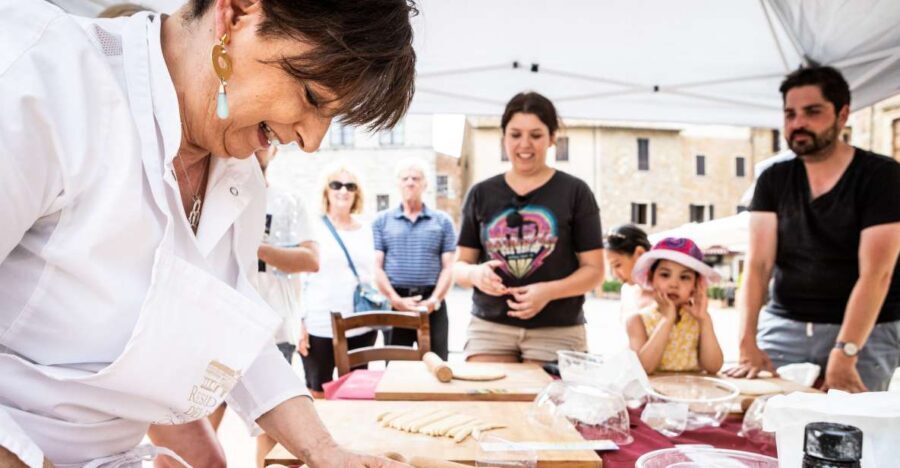
A city cooking class can feel like a demo with extra steps. This one starts from a different place: a rural kitchen built around everyday food habits, tied to the sharecropping period in Valdichiana Senese. You’ll cook dishes that are simple, but not sloppy—classic Tuscan comfort, done with intention.
You also get the tone right from the start. The course is guided together with local housewives, so the teaching style tends to be practical and direct, like kitchen knowledge meant for feeding people well. That matters because good Italian cooking isn’t about fancy techniques—it’s about timing, texture, and using what’s local.
Other cooking classes in Montepulciano

Your 3-Hour Flow: Bruschetta, Handmade Pici, Sauce, Dessert
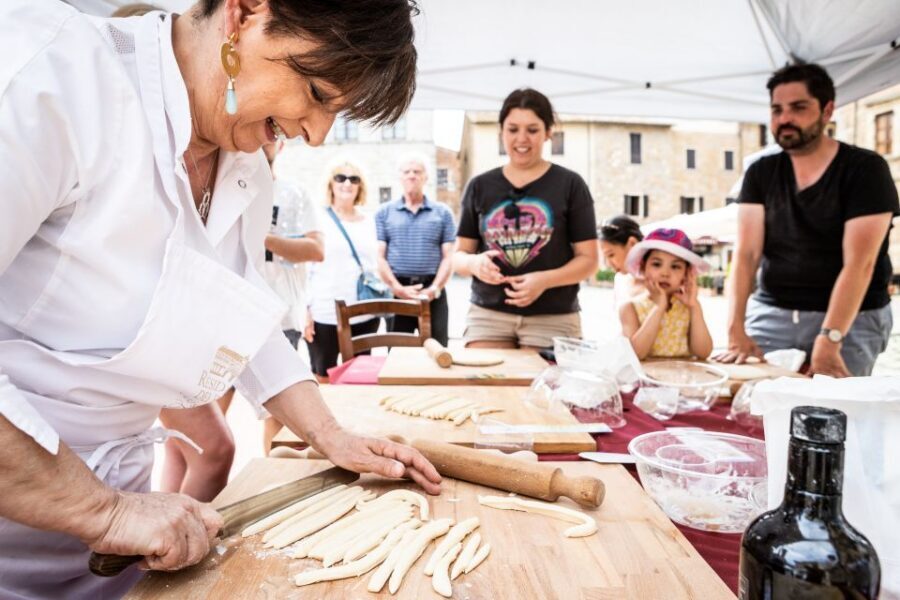
The class runs about three hours (exact start times vary), and the kitchen agenda is structured so you’re always doing something—not just watching. Expect a clear sequence: bread prep first, then pasta, then sauce, then dessert, with wine appearing between the main phases.
1) Bruschetta and croutons to set the base
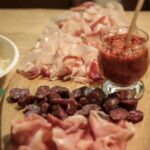
You begin with bruschetta and croutons, in the typical Tuscan style that leans on a few high-impact ingredients. You’ll work with combinations like tomato and basil, plus Tuscan extra virgin olive oil. The point here is taste balance and freshness—this is the part of the meal where good olive oil and ripe tomato flavors can do all the heavy lifting.
2) Mix water and flour to make pici
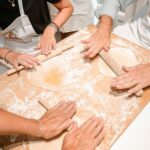
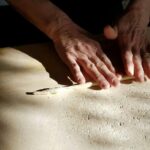
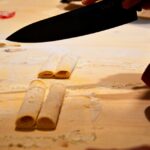
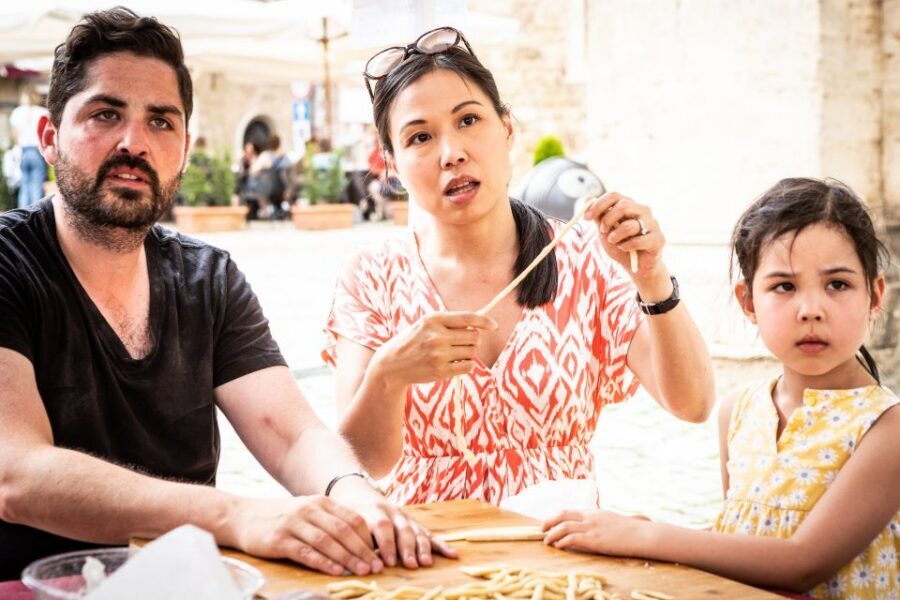
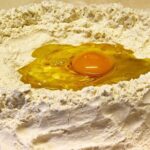
Next comes the signature step: making pici, the famous handmade pasta associated with the Province of Siena. You’ll form it by mixing water and flour and then working the dough into that hand-shaped pasta character. Even if you’ve never made pasta before, this part is straightforward because it’s designed as a guided hands-on lesson rather than a formal pastry workshop.
3) Sauce building, Tuscan-style
While pici is taking shape, you move into making a Tuscan pasta sauce. The course doesn’t position it as complicated gourmet cooking. It’s about building a sauce that stays true to local habits—simple, flavorful, and meant to cling to handmade pasta rather than overpower it.
Other Vino Nobile and Montepulciano tours in Montepulciano
4) A homemade dessert to close the meal
After the heavier savory work, you finish with a delicious homemade dessert. The type isn’t specified, but the role is clear: you’ll round out the meal you’ve been creating, still within the same class rhythm and farmhouse table setting.
Wine on Schedule: Welcome Drink and Pairing at the Table
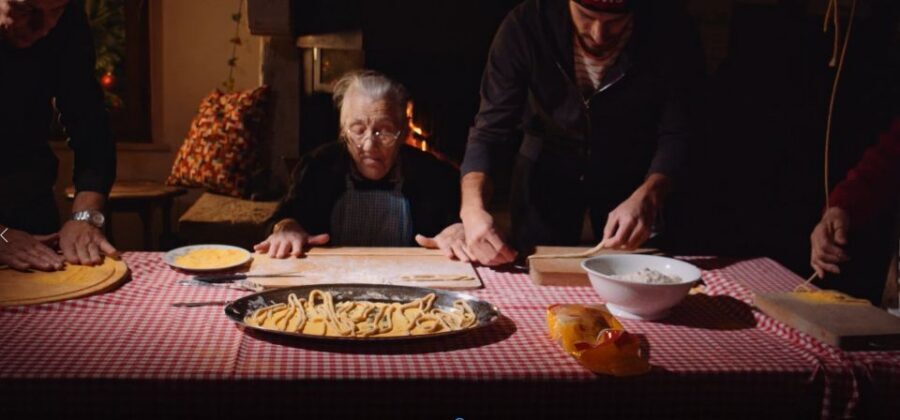
Food classes can be dry if the only drink is water. Here, wine is part of the experience in two distinct ways.
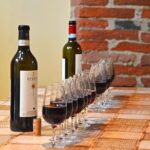
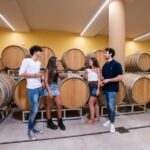
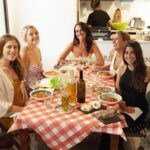
You start with a welcome drink, then there’s always a glass of wine present between the cooking phases. That keeps the tempo social without turning the class into a party. At the end, the table is set with what you cooked and you’ll taste it paired with local wines.
This is one of the practical values of the format: you get a better sense of how Tuscan food and wine work together. It’s not just eating. It’s tasting with context—like learning the flavor logic of the region.
What You Learn That Actually Transfers Home
This class isn’t built around memorizing a long list of steps. It’s built around getting your hands into the process so the techniques stick.
Bruschetta basics you can repeat
You’ll learn how to assemble bruschetta in a way that respects ingredient character. Think of it as a lesson in using tomato and basil as the main voice, then supporting it with extra virgin olive oil. It’s the kind of practical kitchen skill that works for quick meals back home even if you never attempt anything fancier.
Pici technique: texture and patience
The pici lesson is the star for a reason. When you make handmade pasta from water and flour, you learn how the dough behaves and how much effort it takes to shape something by hand. That helps you understand why pici tastes the way it does and why it pairs so well with a simple sauce.
Sauce cooking that prioritizes balance
The sauce step teaches more than just a recipe. It’s about creating a flavor that fits handmade pasta—enough to coat, not drown. If you like Italian cooking because it’s about restraint, this is the angle that usually pays off.
Dessert as a finish, not an afterthought
Even without knowing the exact dessert, you’ll see how the class plans the pacing. You’re not exhausted before the sweet course; you end with something homemade and satisfying, still connected to the same meal.
Why “Zero-Miles, Seasonal” Tastes Better Than It Sounds
The course specifies that ingredients are selected by seasonality and focused on local zero-miles production. That’s not just a sustainability badge—it affects the way the meal tastes.
Seasonal ingredients tend to be more flavorful because they’re harvested when they’re meant to be eaten. On a bruschetta course, that can mean sharper tomato flavor and fresher herb notes like basil. With pasta and sauce, local produce can shape how bright or deep the flavors feel, especially in a Tuscan context where simple ingredients carry more weight.
If you’re the kind of traveler who can taste the difference between ingredients, you’ll appreciate the logic.
Price and Value: Is $164.26 Worth It?
At $164.26 per person, you’re paying for more than a cooking lesson. You’re getting a small-group, hands-on class that includes a welcome drink and lunch or dinner built from what you cook.
That’s where the value math changes. Many classes separate the “make food” part from the “eat food” part. Here, you cook and then sit down to taste the results paired with local wines. So you’re not just learning in theory—you’re turning the day’s work into your meal.
The other big factor: small group size (limited to 10). That usually means less crowding and more direct guidance while you’re shaping pici or assembling bruschetta.
One cost note to keep in mind: transportation service isn’t included. So your total value depends on how easily you can get to the farmhouse once the meeting point details are sent after confirmation.
Logistics You Should Plan For (Without Making It Complicated)
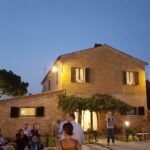
This is a farm-based experience, so the practical details matter. The farmhouse of the cooking class will be communicated after booking confirmation, and the activity ends back at the meeting point. That’s convenient, but it also means you’ll want to wait for the exact details before locking other plans nearby.
Also, language support is listed as English and Italian (host or greeter). If you don’t speak Italian, you’ll still be able to follow the key steps because the class is structured to be taught during the cooking process.
Finally, the session is about three hours. That makes it a great half-day-style activity if you want something hands-on without sacrificing the rest of your afternoon or evening.
Who This Tuscan Cooking Class Suits Best
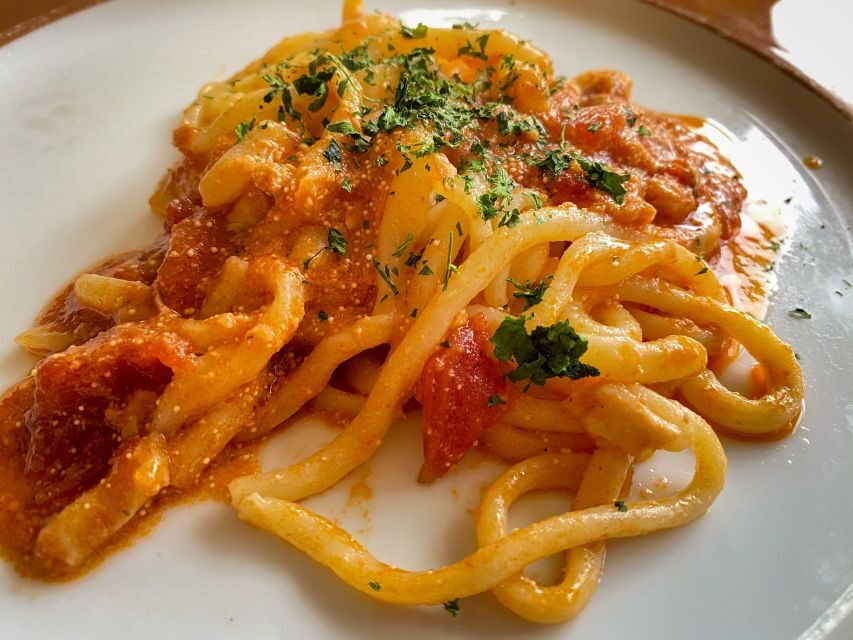
This works best for people who want a real food experience, not just a scripted tour. If you enjoy cooking, you’ll get more out of it because you’re actively working through the steps: bruschetta, pici, sauce, and dessert.
It’s also a strong choice if you’re a beginner. Reviews highlight a no-nonsense, practical approach with hands-on guidance, which is exactly what you want when you’re learning pasta or learning how to balance simple Tuscan flavors.
And because the group is small, it’s a good pick for couples or friends who want to cook together without feeling lost in a huge class.
Should You Book This Montepulciano Farm Cooking Class?
Book it if you want to learn Italian cooking through touch and taste: making bruschetta and croutons, shaping handmade pici, then eating a full lunch or dinner you helped create. The wine included during the class and pairing at the table also makes it feel like an actual Tuscan meal, not just a lesson.
Skip it or think twice if getting to the farmhouse is hard for you, since transportation service isn’t provided and you’ll need to plan around the meeting point details that arrive after confirmation. Also, if you’re looking for a full-day itinerary with sightseeing stops, this is a focused three-hour cooking experience, centered entirely on the farmhouse kitchen.
FAQ
FAQ
Where do I meet for the cooking class?
The farmhouse for the cooking class is communicated after your booking confirmation, and the activity ends back at the meeting point.
How long is the Montepulciano Tuscan cooking class?
The duration is 3 hours. Check availability to see starting times.
What’s included in the price?
It includes a welcome drink, the Tuscan cooking class, and lunch or dinner.
Do I need to arrange transportation?
Transportation service is not included.
What will I cook during the class?
You’ll prepare bruschetta and croutons, make pici (handmade pasta), make a Tuscan-style sauce, and make a homemade dessert.
Is wine included?
Yes. There’s a glass of wine between preparations, and you’ll taste the meal paired with local wines.
How big is the group, and what languages are offered?
It’s a small group limited to 10 participants. The host or greeter speaks English and Italian.