REVIEW · MONTEPULCIANO
Montepulciano: Bruciata Wine Tasting in a Cave
Book on GetYourGuide →Operated by Podere della Bruciata · Bookable on GetYourGuide
Three wines and a cellar that smells like time. In Montepulciano, this tasting pairs a vineyard walk with a guided look at how wine gets shaped in a barrel aging cellar, then finishes with a guided tasting of three bottles.
What I like most is the clear, hands-on tour style (vineyard to production, no skipping steps) and the fact that the wines come with food that helps you actually taste them, not just sample.
One thing to consider: don’t expect a literal natural grotto. The cave-like language in the title can set that expectation, but what you’ll visit is more of a wine-storage barrel room/bunker space where barrels sit (and the environment can feel more “cellar” than “cave”).
In This Review
- Key things you’ll notice right away
- From vineyard rows to a barrel room in about two hours
- The vineyard walk: where you learn what to notice later
- Inside the production area: cellar stages that explain the bottle
- The barrel room: the time-shaping environment
- The three-wine tasting: how to get more out of each pour
- The local tagliere: pairing that actually helps you taste
- Price and value: is $59 fair for what you get?
- Logistics that affect your experience (especially if you have a busy day)
- Who should book this wine tasting in Montepulciano
- Practical tips so you enjoy every minute
- Should you book the Bruciata wine tasting in the cave?
- FAQ
- How long is the wine tasting experience?
- What’s included in the $59 price?
- Are transportation or pickup services included?
- Where do I meet for the tour?
- How many wines will I taste?
- What languages are the tour guide and tasting in?
- What should I wear?
- Is the tour wheelchair accessible?
- Is there free cancellation, and can I pay later?
Key things you’ll notice right away
- A guided vineyard walk that explains viticulture in plain terms
- A production-focused tour that takes you to the cellar stages
- Three wines poured in sequence, with food pairing to match each taste
- A warm host style, with professional guidance in Italian and English
- A setting that feels special enough that you’ll want your camera out
From vineyard rows to a barrel room in about two hours
This experience is built to be efficient and satisfying. In roughly two hours, you move through the outside part (vineyard) and the inside part (cellar/barrel aging), then settle in for a guided tasting. The pacing works well if you’re doing wine days back-to-back and you still want quality explanations, not a rushed pour-and-go.
The tour is led by a live guide (Italian and English). In one of the accounts I saw, the host was praised for explaining with confidence and showing genuine enthusiasm. That matters, because the most memorable tastings are the ones where you understand what you’re looking for, not just what you’re drinking.
Other Vino Nobile and Montepulciano tours in Montepulciano
The vineyard walk: where you learn what to notice later
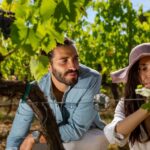
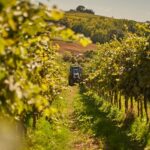
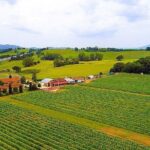
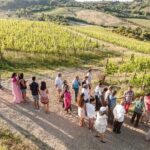
You start outside, walking through the vineyards with the guide pointing out what’s going on in the vines and why it matters. You’re not just looking at a view; you’re building a tasting lens for later.
Here’s what to pay attention to during the walk:
- How the guide frames the viticulture choices (the “why” behind what the vines are doing)
- How the rows and surroundings set the pace—comfortable footwear helps because you’ll be walking and moving across the approach area
- Any little details the guide repeats (those are often the exact points they’ll link to the wine in the tasting)
Even if you’re not a wine technical person, you’ll likely find the explanations easy to follow. That friendly, teacher-like approach showed up in feedback that highlighted the quality of the tour and the charm of the hosts.
Inside the production area: cellar stages that explain the bottle
After the vineyard, the tour moves into the winery area and goes step-by-step through the production process. This is the part that turns wine tasting from a hobby into a story you can remember.
What you can expect:
- A guided walk through the cellar stages of how wine is produced
- A transition to the barrel room, where the aging environment plays a major role
Why this section is valuable: it gives you context for what you’ll taste next. Many tastings only talk about flavor in the glass. Here, you get a sense of where those flavors come from during the winemaking process.
The barrel room: the time-shaping environment
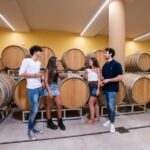
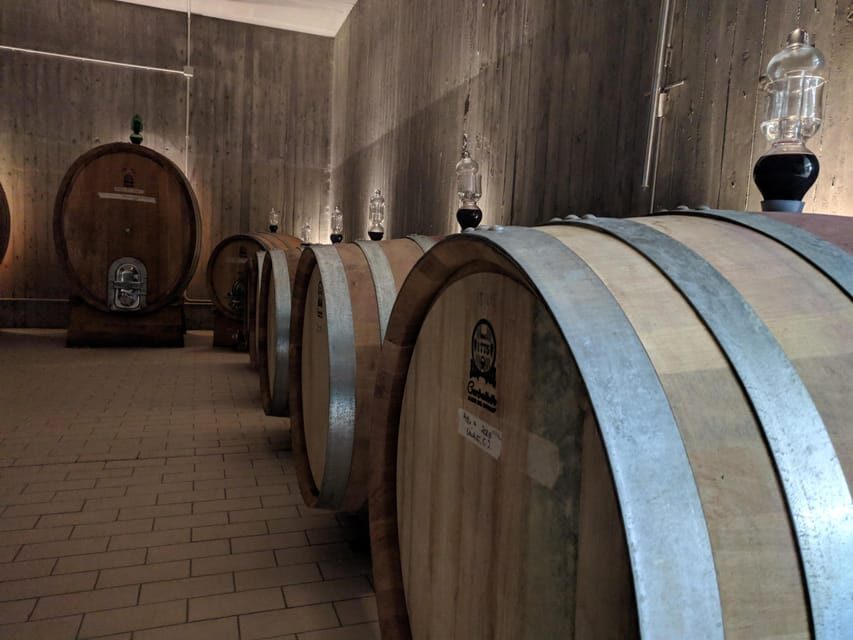
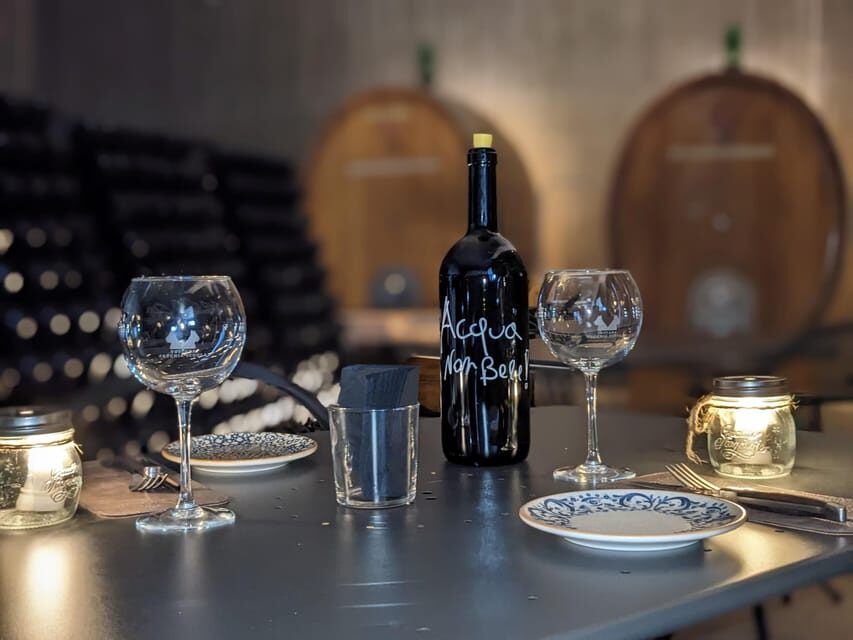
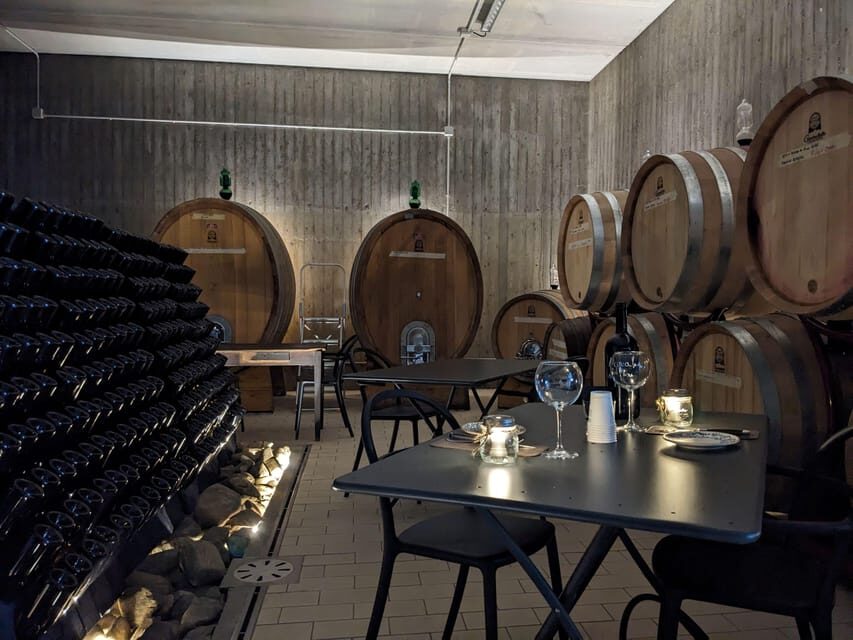
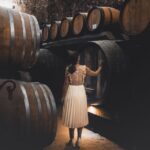
The tour includes a visit to the barrel room, described as a unique environment where barrels and time shape the wine. In practice, this is the “cave-like” feel people are hoping for—cool, enclosed, and clearly built for aging.
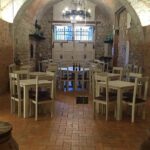
A key consideration from the feedback: the setting can feel different than what some people picture when they see grotto or cave language. You may find you’re not in a literal natural cave, but in a controlled barrel-aging room/bunker space. That’s not a downside if you’re there for the wine process and atmosphere, but it’s worth knowing so you arrive with the right mental image.
Practical note: the barrel room environment can be specific and structured. If you’re planning photos, bring a camera you know you can steady in lower light.
The three-wine tasting: how to get more out of each pour
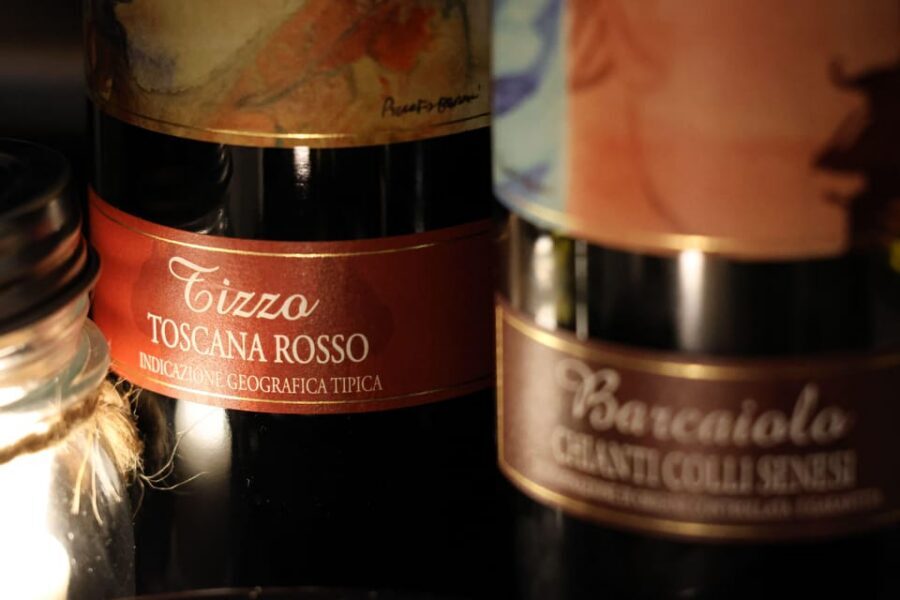
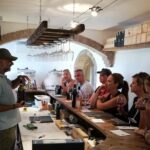
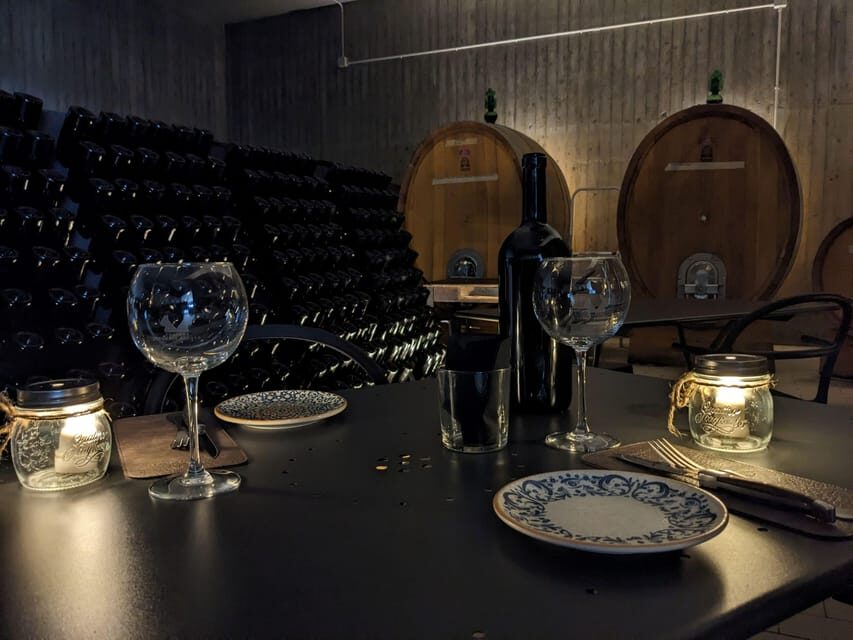
The tasting portion is a guided sit-down where you sample three wines. This is a sweet spot: enough variety to compare styles, not so many pours that everything blurs together.
To get the most from it, use the guide’s sequence and your new vineyard context. The best moments usually happen when the guide ties a vineyard concept to something you can actually detect in the wine.
Here’s how I’d approach it, bottle by bottle:
- Start by smelling for basic character before you rush into flavor.
- Look for how the second wine changes the pace—often that’s where producers show contrast.
- Let the third wine be your “final read.” By then, you’ll recognize patterns the guide has been building toward.
The strongest praise tied to this part was about the quality of the guidance and the overall excellence of the wines. If you care about learning something you can repeat later at another tasting, this format usually does that job well.
Other wine tasting experiences in Montepulciano
The local tagliere: pairing that actually helps you taste
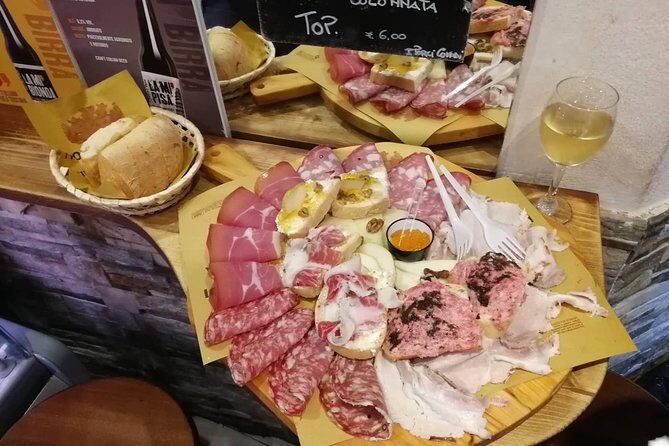
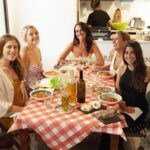
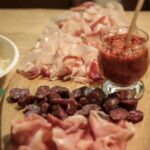
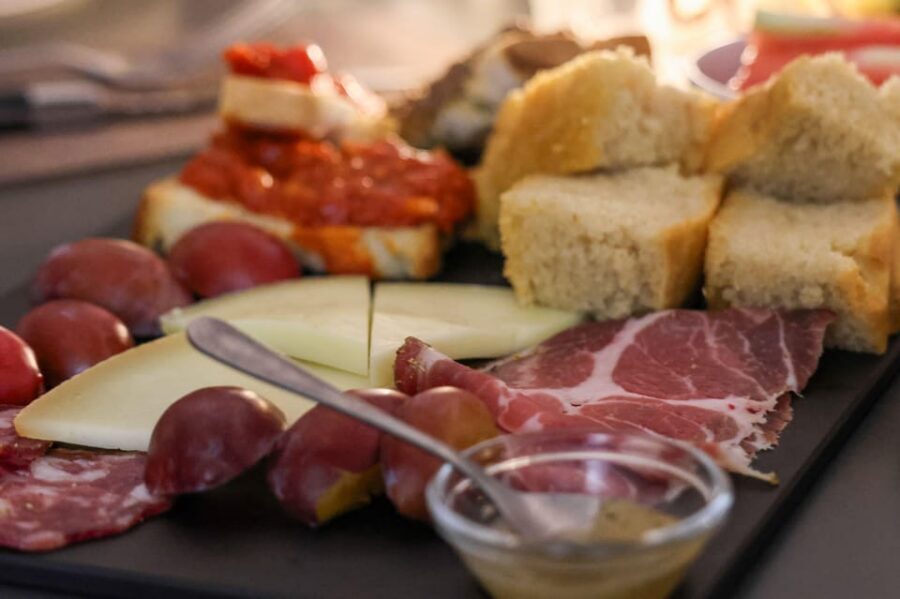
You don’t just get wine; you get food with it. Your wines are accompanied by a platter of local products, a tagliere designed to enhance each taste.
This pairing matters because:
- It changes how aromas come forward in the glass
- It refreshes your palate between wines
- It gives you a sense of local eating style that matches the wine culture
In feedback, the food was highlighted as especially tasty and well matched to the tasting. I like this approach because it keeps the experience grounded. You’re not treating wine like a standalone performance; you’re sampling it in a context that makes sense for the region.
Also, don’t be surprised if the “local products” feel simple and honest rather than overcomplicated. That’s often what makes the pairing work.
Price and value: is $59 fair for what you get?
At $59 per person for a 2-hour experience, you’re paying for a package, not just wine. What’s included is the core value:
- Guided tour of the vineyard
- Visit to the winery and the cellar/barrel-aging areas
- Wine tasting of three different wines
- Tagliere of local products
So where does the money go? Mostly into time with a live guide and access to the winery spaces tied to production and aging. If you’ve ever paid for a tasting that was mostly sitting and sipping, this tends to feel more complete because the tour explains what you’re seeing and tasting.
Is it expensive for Italy? It depends on your expectations. If you want a true hands-on tour plus food plus a guided tasting, it reads like good value. If you only want a quick drink with no instruction, you might find better deals elsewhere. But for a structured 2-hour wine experience in Tuscany, it lands in the reasonable zone.
Logistics that affect your experience (especially if you have a busy day)
The meeting point uses Google Maps: you arrive in front of a panoramic terrace area where parking is available. From there, you continue on foot along a dirt road to the right to reach the winery.
That detail matters for planning:
- Give yourself a few minutes to park and regroup before the walk.
- Wear comfortable walking shoes. The experience is short, but you’ll still be moving.
- If you’re sensitive to walking on uneven ground, consider contacting the provider ahead of time so they can confirm the smoothest route for your needs.
The tour is listed as wheelchair accessible. Because the route from the terrace involves a dirt road, I’d treat that as a “check-in point” rather than assuming it will be identical to a paved walkway.
Who should book this wine tasting in Montepulciano
This tour is a strong fit if you want:
- A guided wine experience with real explanations, from vineyard to barrel room
- Three wines plus local food pairing, within a manageable time window
- A countryside setting that feels special without requiring you to be a wine expert
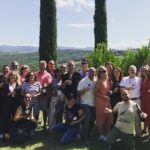
It’s also a good choice for couples and small friend groups who want a more personal pace than large group buses. If you’re traveling with someone who thinks wine is intimidating, the structured format and guide-led tasting can make it feel approachable.
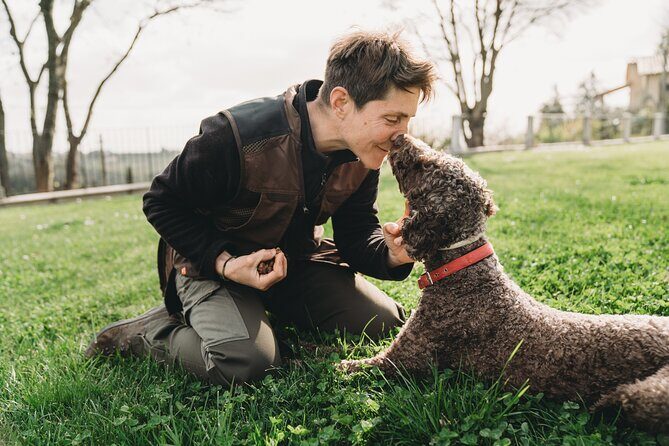
One more human detail: in feedback, the host experience came with warmth and even a cute moment involving a mama dog visiting during the tour. That’s exactly the sort of lived-in charm you want from a small winery stop.
Practical tips so you enjoy every minute
A few small things can make the difference:
- Wear comfortable walking shoes, since you’ll walk part of the way.
- Bring a camera for the vineyard and terrace viewpoints.
- Bring water during the tour and take small sips, especially if you’re visiting on a warm day.
Also, try to arrive a bit early. With parking and a short walk from the terrace, you’ll start relaxed instead of hurrying.
Should you book the Bruciata wine tasting in the cave?
I’d book it if you want a tour that feels like more than a tasting counter. The best part is the combination: vineyard tour, cellar/barrel-aging visit, and a guided tasting of three wines paired with local food. At $59 for a two-hour experience, it’s priced like a guided winery visit, not like a casual bar stop.
I’d think twice only if you specifically want a literal natural cave experience, because the “cave” vibe can be more cellar/barrel-room than a rock grotto. If you’re okay with that and your main goal is learning how the wine is made and tasting it with context, this is a very solid Montepulciano choice.
FAQ
How long is the wine tasting experience?
The experience lasts about 2 hours.
What’s included in the $59 price?
You get a guided tour of the vineyard, a winery/cellar visit, a tasting of three different wines, and a tagliere of local products.
Are transportation or pickup services included?
No. Transportation to and from the vineyard is not included.
Where do I meet for the tour?
Meet at the panoramic terrace parking area shown on Google Maps. Then walk along the dirt road to the right to reach the winery.
How many wines will I taste?
You’ll taste three wines during the guided tasting.
What languages are the tour guide and tasting in?
The live tour guide is available in Italian and English.
What should I wear?
Wear comfortable walking shoes, since you’ll do some walking to reach the winery and move through the area.
Is the tour wheelchair accessible?
It is listed as wheelchair accessible, but you may still need to navigate the approach from the terrace along a dirt road.
Is there free cancellation, and can I pay later?
Yes. You can cancel up to 24 hours in advance for a full refund, and there is an option to reserve now and pay later.